
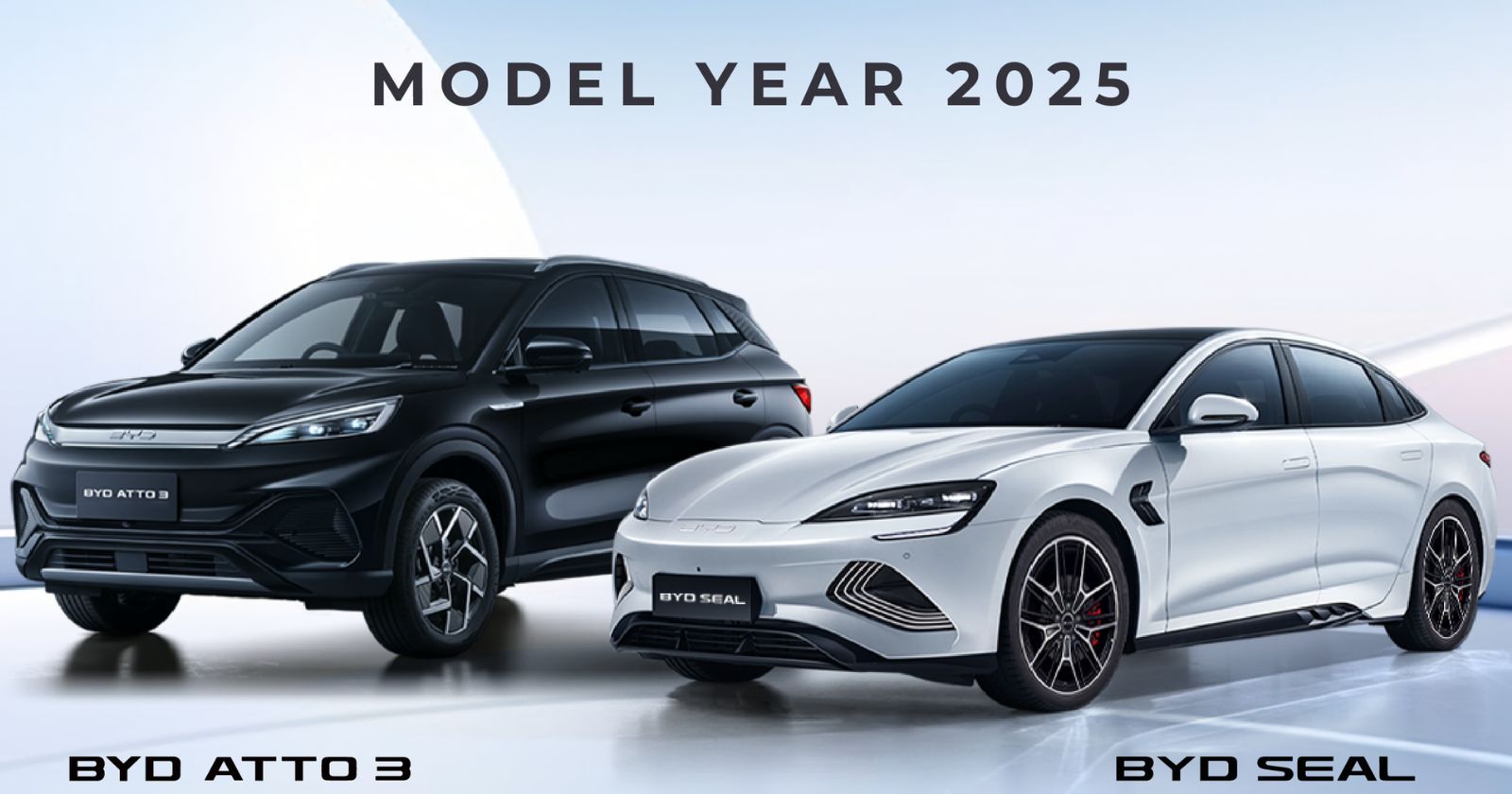
China's domestic EV industry has several major players that will be subject to the new rules, including BYD (above), Xiaomi, Xpeng, Geely, Leapmotor, and Great Wall.


Share Post
China's domestic EV industry has several major players that will be subject to the new rules, including BYD (above), Xiaomi, Xpeng, Geely, Leapmotor, and Great Wall.
The Government of China has released a slew of new regulations, all aimed at promoting safety, energy efficiency, consumer protection, pollution control, and material recycling. While many of these rules were previously published in the form of guidelines, they have now been standardised into binding technical requirements.
Carmakers will need to modify vehicles being manufactured to comply with the new directives. This initiative of the State Administration for Market Regulation involved seven government departments. Out of a total of 294 new national standards, 113 apply to the manufacturing sector and another 115 cover consumer products, including automobiles.
According to China’s state-run CCTV, a new standard called Energy Consumption Limits for Electric Vehicles – Part 1: Passenger Cars has been codified, establishing different power usage thresholds for different categories of all-electric cars. The standard does not cover hybrids or range extenders. For passenger vehicles with a kerb weight of up to two tonnes, power consumption is capped at 15.1 kWh per 100 km. This regulation comes into effect from January 1, 2026.
The standards have been formulated after studies into real-world road conditions and EV usage patterns were studied, also weighing costs vs performance. The government hopes to see a 7 percent increase in driving range per charge after limiting energy consumption. Battery recycling also comes under the sweeping new regulations.
ALSO READ: China Considers Banning Electric Car Door Handles Amid Safety Concerns
Additionally, new safety regulations require for the first time that EV batteries are designed with adequate thermal management and mitigations against fire and explosions. This mandate goes into effect from July 1, 2026 for all new approvals, while vehicle models already being produced have until July 1, 2027 to become compliant if needed.
There are also new rules for EVs to qualify for incentives and tax rebates. Pure electric passenger cars must comply with all regulations in order to remain eligible. Plug-in hybrids and range extenders will also have updated requirements for incentives, particularly longer range.

Mahindra XEV 9S Gets New Custom Mode For Better Control
Acko Drive Team 28 Feb, 2026, 8:18 AM IST
Yezdi Roadster New Variant Teased Ahead of Launch on March 3
Acko Drive Team 28 Feb, 2026, 6:05 AM IST
Unutilised Funds, Startup Barriers: Is Auto PLI Scheme Due for Reform?
Arun Prakash 28 Feb, 2026, 4:04 AM IST
Maruti Suzuki Inaugurates 200th Nexa Studio Outlet, Bets Big On Rural Market
Sameer Fayaz Contractor 27 Feb, 2026, 3:04 PM IST
Chinese Firm Reveals Detachable Range-Extending Generator for EVs
Acko Drive Team 27 Feb, 2026, 12:12 PM IST

Looking for a new car?
We promise the best car deals and earliest delivery!
