
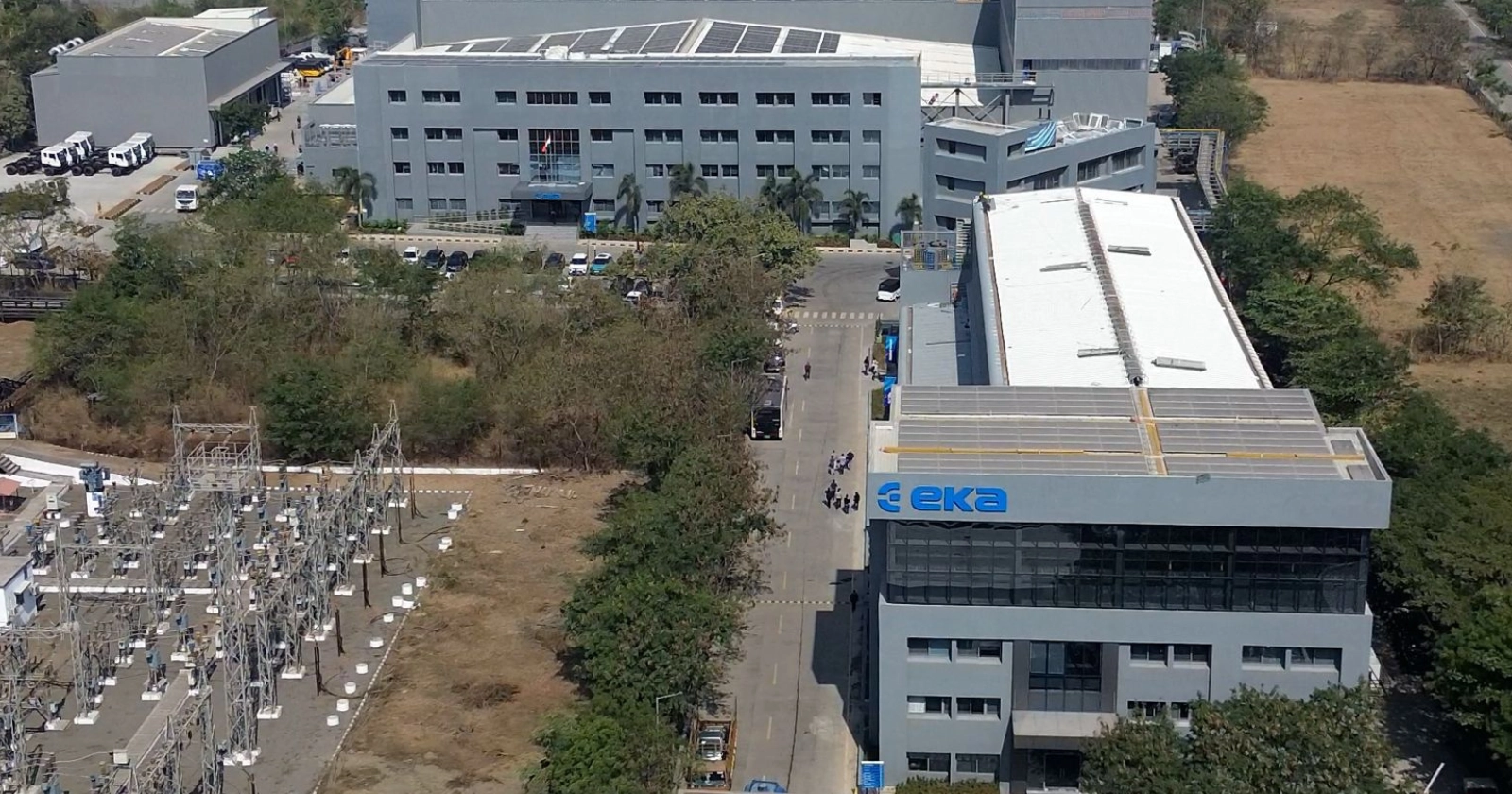
While the company currently operates out of Pune, a significant portion of the new capacity will come from its upcoming facility in Pithampur, Madhya Pradesh.


Share Post
While the company currently operates out of Pune, a significant portion of the new capacity will come from its upcoming facility in Pithampur, Madhya Pradesh.
In a significant move to consolidate its position in India’s heating electric vehicle market, EKA Mobility has confirmed it has crossed the critical 50 per cent localisation threshold, a key requirement for the government’s Production Linked Incentive (PLI) scheme.
The Pune-based commercial vehicle manufacturer, which has partnered with global giants Mitsui & Co and VDL Groep, is now aggressively scaling its manufacturing capabilities. The company is targeting a production capacity of 10,000 electric vehicles (EVs) by the financial year 2027 (FY27).
Securing the PLI certification has been a rigorous process for the company. The scheme, designed to boost domestic manufacturing, requires strict adherence to Domestic Value Addition (DVA) norms. EKA has managed to localise the majority of its components, relying on imports only for the most specialized technology.
“As per the PLI, we are more than 50% in terms of localisation. The government has made it very strict and getting a PLI is stressful. Right now only the cells and the electronic child parts are imported. The rest are all localised in the country,” stated Zoeb K, Chief Product Officer, EKA Mobility.
To meet its FY27 target of 10,000 units, EKA Mobility is expanding its manufacturing footprint beyond its home base. While the company currently operates out of Pune, a significant portion of the new capacity will come from its upcoming facility in Pithampur, Madhya Pradesh.
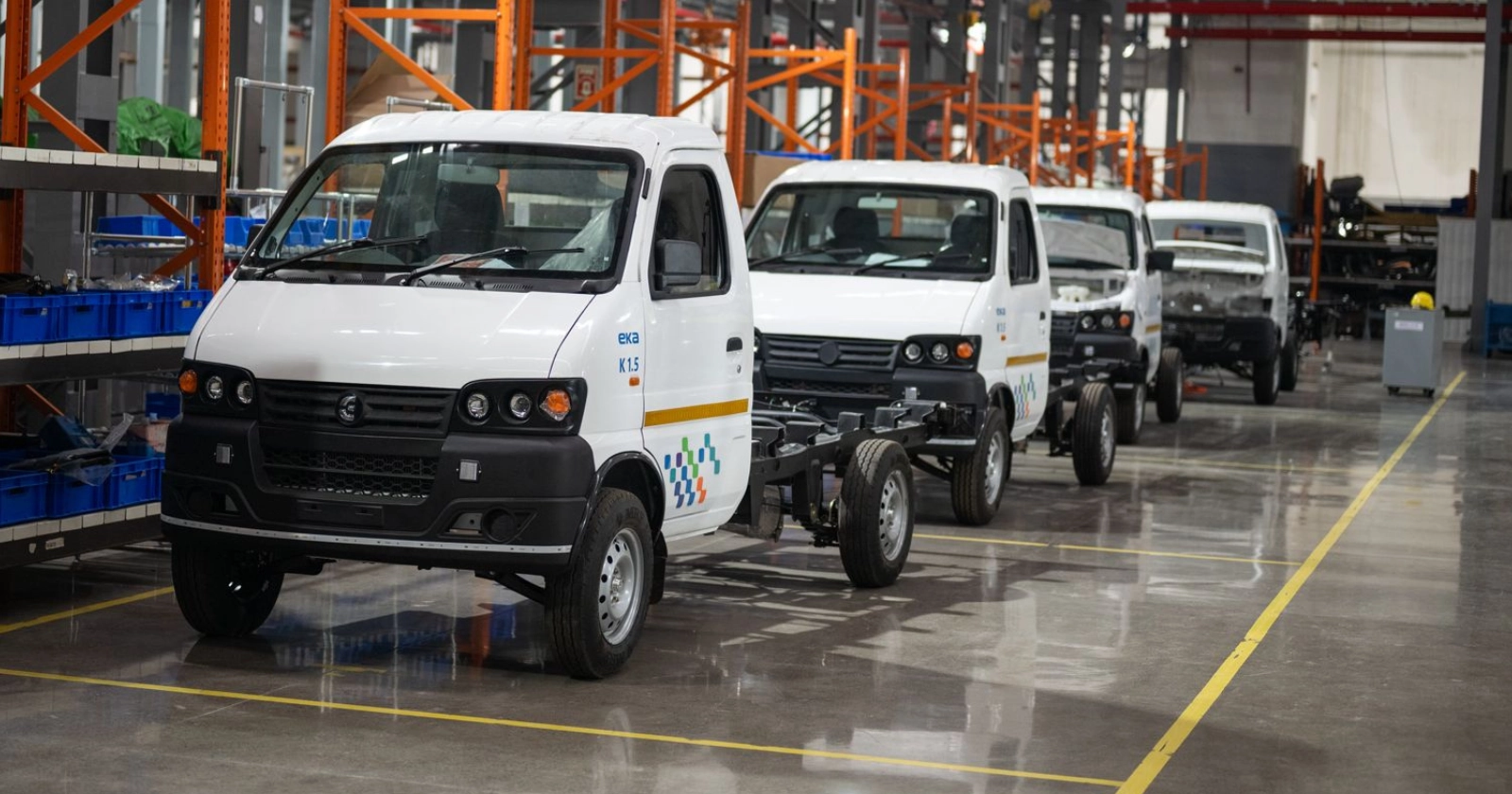
The expansion comes at a time when the demand for electric buses is surging, driven by state transport undertakings and the central government’s PM e-Bus Sewa scheme. The Pithampur plant is expected to play a pivotal role in churning out both electric buses and light commercial vehicles to meet EKA’s growing order book, which reportedly stands at over 3,000 vehicles.
Unlike legacy players who rely heavily on dealership networks for service and maintenance, EKA is banking on a direct-to-consumer model supported by advanced software. The company emphasises that its connectivity features allow for real-time monitoring and updates, reducing the need for physical manpower.
“OTAs software updates are important and traditional OEMs man power required at dealership level is high and we have direct access to the customers so miscommunication cannot happen. Each action is captured and that helps a lot in understanding customer behaviour and also improvements needed on a real time basis,” Zoeb added
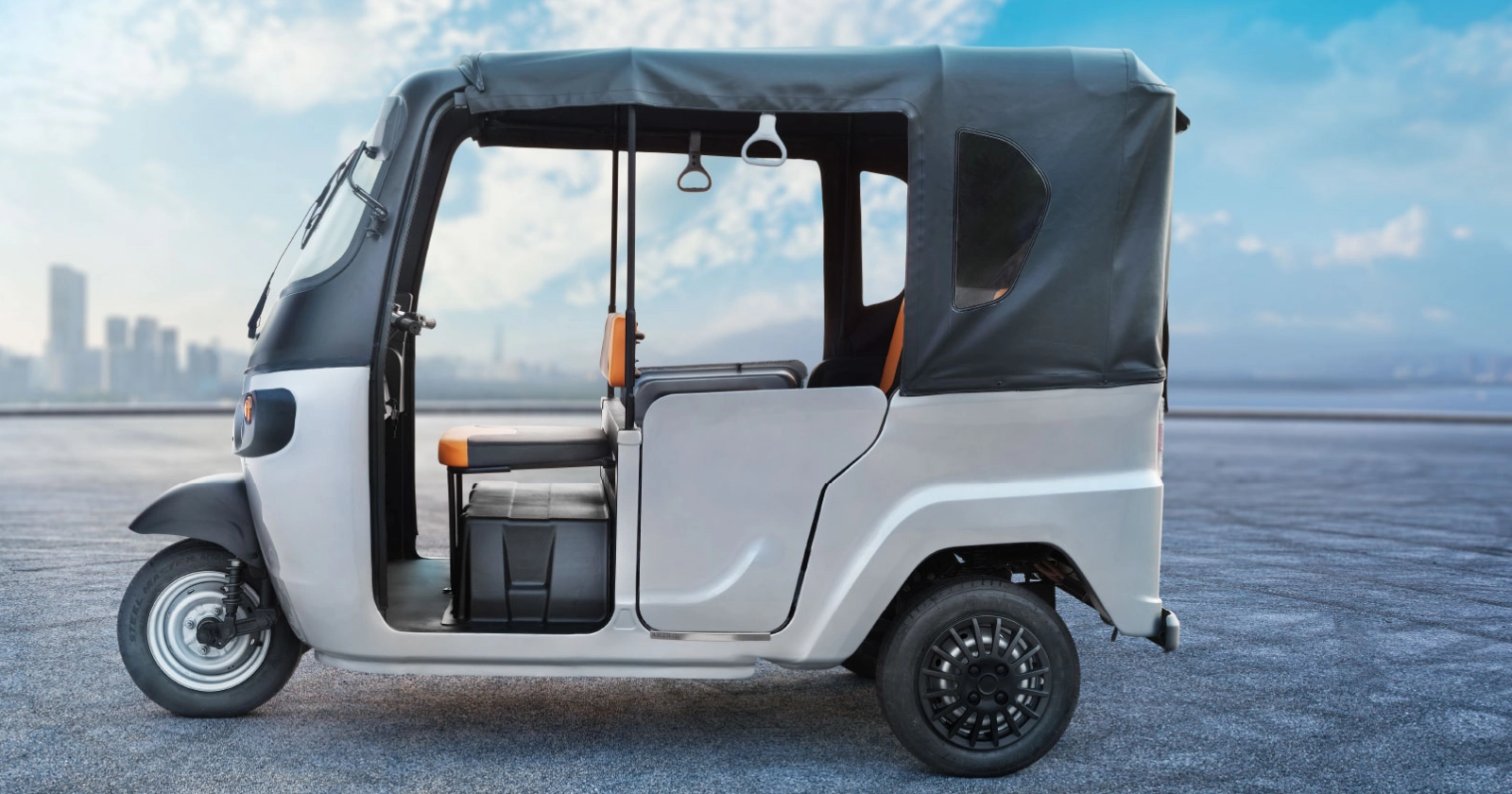
EKA’s aggressive localisation and expansion strategy places it in direct competition with established heavyweights like Tata Motors, Olectra Greentech, and JBM Auto. While Tata Motors dominates with its sheer scale and Olectra leverages its long-standing partnership with BYD, EKA is carving a niche with its 'clean-sheet' design approach.
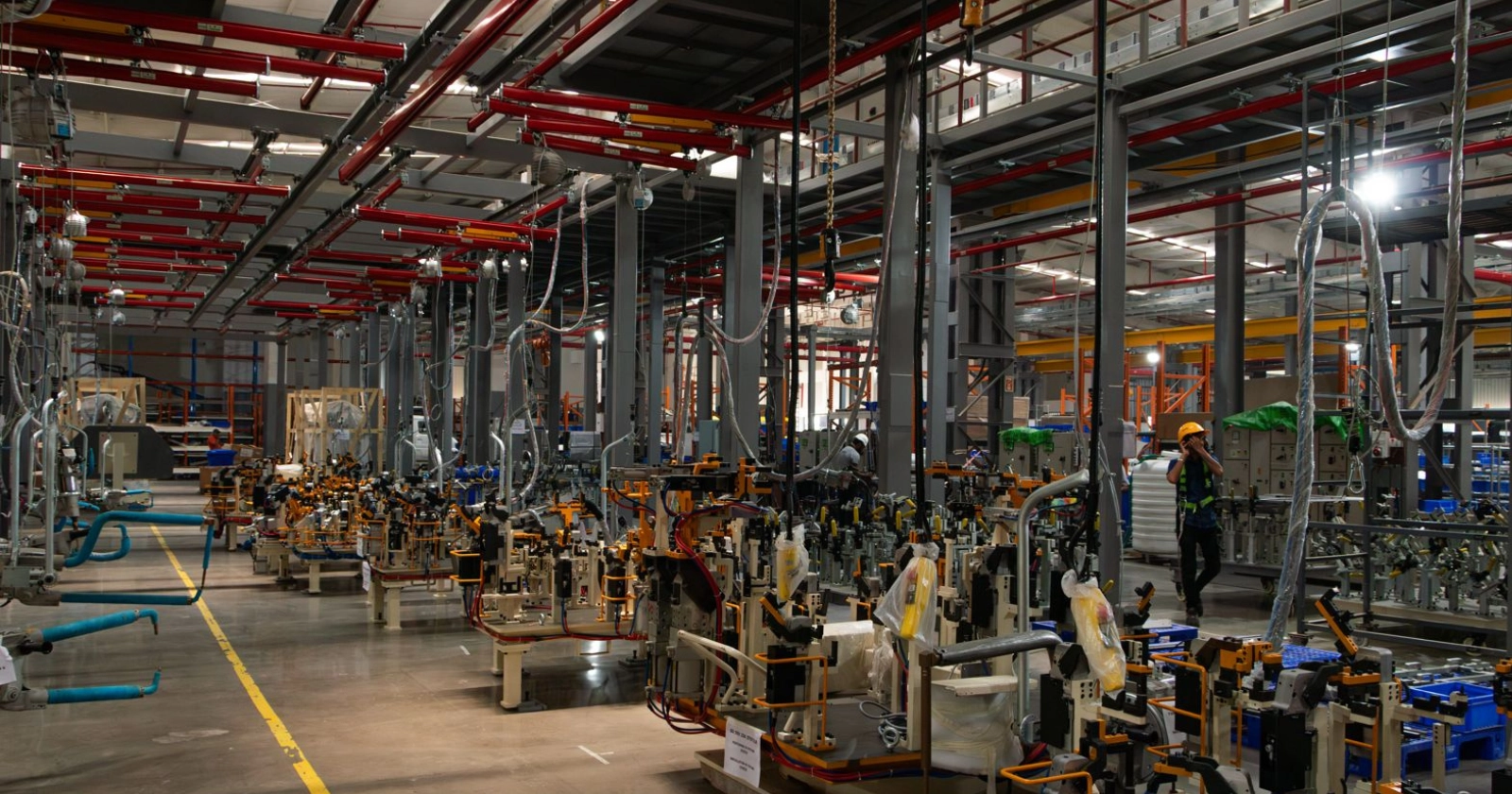
From late 2025 newer entrants like Pinnacle Mobility (EKA’s parent entity) and Switch Mobility are capturing significant market share in monthly deliveries. EKA’s ability to hit the 10,000-unit capacity mark by FY27 could see it break into the top tier of commercial EV manufacturers, provided it can sustain its supply chain efficiency and delivery timelines in a market often plagued by component shortages.

BMW Boss Oliver Zipse Bags World Car Person of the Year Title
Acko Drive Team 26 Feb, 2026, 2:35 PM IST
China Accelerates eVTOL Ambitions with Wuhan Demonstration
Acko Drive Team 26 Feb, 2026, 2:01 PM IST
Honda Activa Records 5 Million Sales in Maharashtra
Acko Drive Team 26 Feb, 2026, 1:01 PM IST
2026 Ducati DesertX with V2 Power Revealed, India Launch in Q4 2026
Acko Drive Team 26 Feb, 2026, 12:20 PM IST
Govt Makes E20 Petrol with Minimum RON 95 Mandatory Nationwide Starting April 1
Acko Drive Team 26 Feb, 2026, 11:44 AM IST

Looking for a new car?
We promise the best car deals and earliest delivery!
