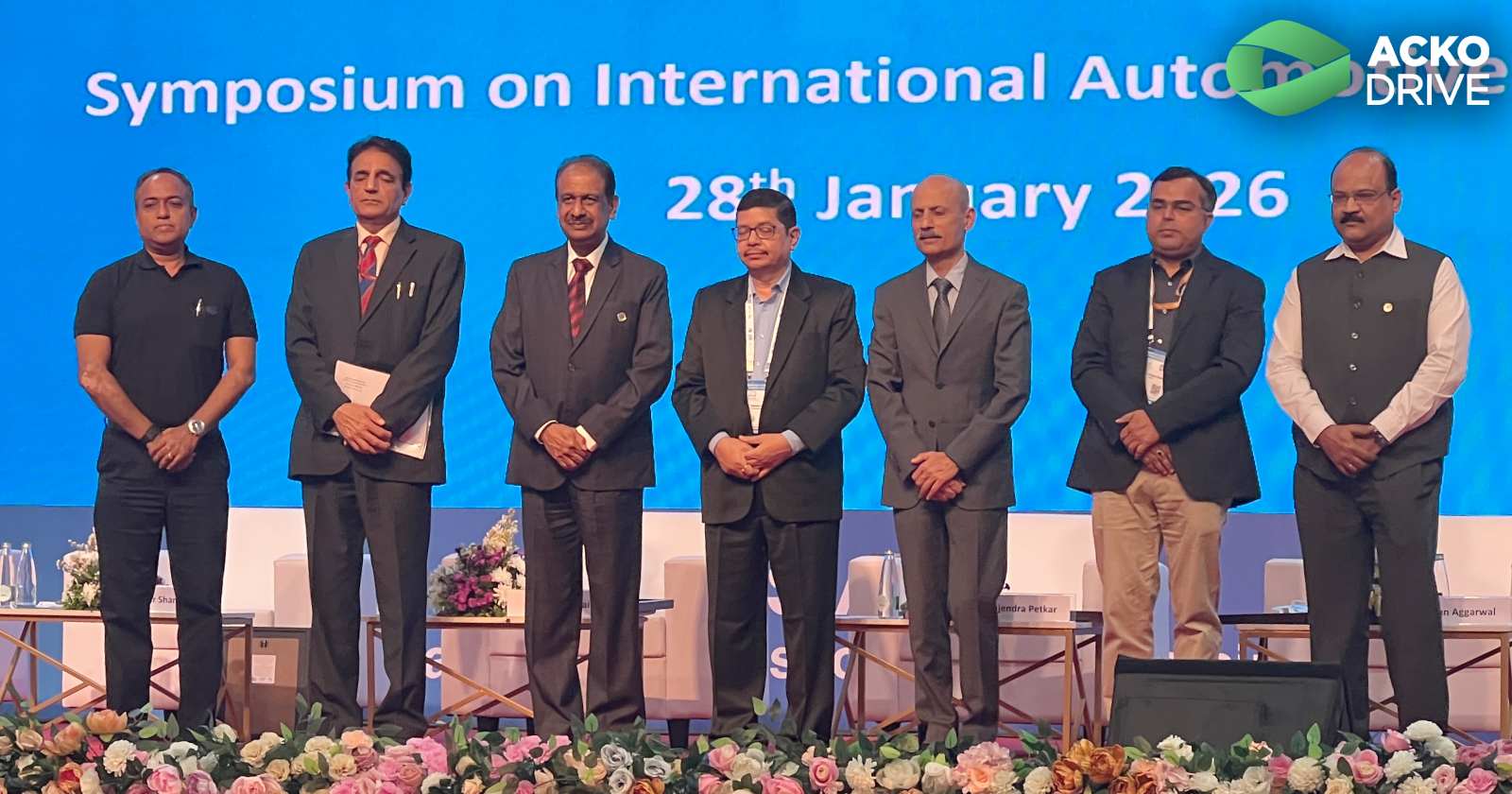
The annual Symposium on International Automotive Technology, now in its 19th year, was held in Pune from January 28–30. Organised by the Automotive Research Association of India (ARAI) in association with the Society of Automotive Engineers (SAE - India), the event brought together senior figures from the manufacturing industry, supply chain, government bodies, academia, and various related agencies. Along with a large exhibition area where the latest tech was being shown off, the event also included a series of seminars and discussions, with some of the biggest names in the industry sharing their experiences and insights about safety, sustainability, and staying ahead of the curve.
A special inauguration event was held a day before the show officially opened. Chief Guest HD Kumaraswamy, Union Minister of Heavy Industries and Steel spoke about the Indian automotive industry’s successes in 2025, both in terms of exports and domestic sales. He also shared some statistics about the government’s various schemes and initiatives to support EV adoption and the manufacturing industry.
Guest of Honour Shailesh Chandra, MD & CEO, Tata Motors Passenger Vehicles, who also serves as President, SIAM, and President, OICA, also presented his views on the event’s theme, Innovative Pathways for Safe and Sustainable Mobility. He spoke about manufacturers’ responsibilities to promote safety, as well as current rapid technological disruptions.
“On one hand, we are rapidly growing the economy, driving aspirations for personal and commercial mobility. On the other, many of our urban cities are facing stress on air pollution, with 14 of the world’s top 20 most polluted cities in India”, he said. “The question before us is not whether we will transition towards sustainable technology, but how fast”, he added in reference to the growing adoption of EVs in the country. Tata Motors currently has a significant lead in terms of EV market share.
Chandra also noted the industry shift towards software-defined vehicles, in response to growing customer demand for better technology and features. He called for an industry-wide push for better safety standards and practices, saying customers also now understand and appreciate frameworks for safety ratings.
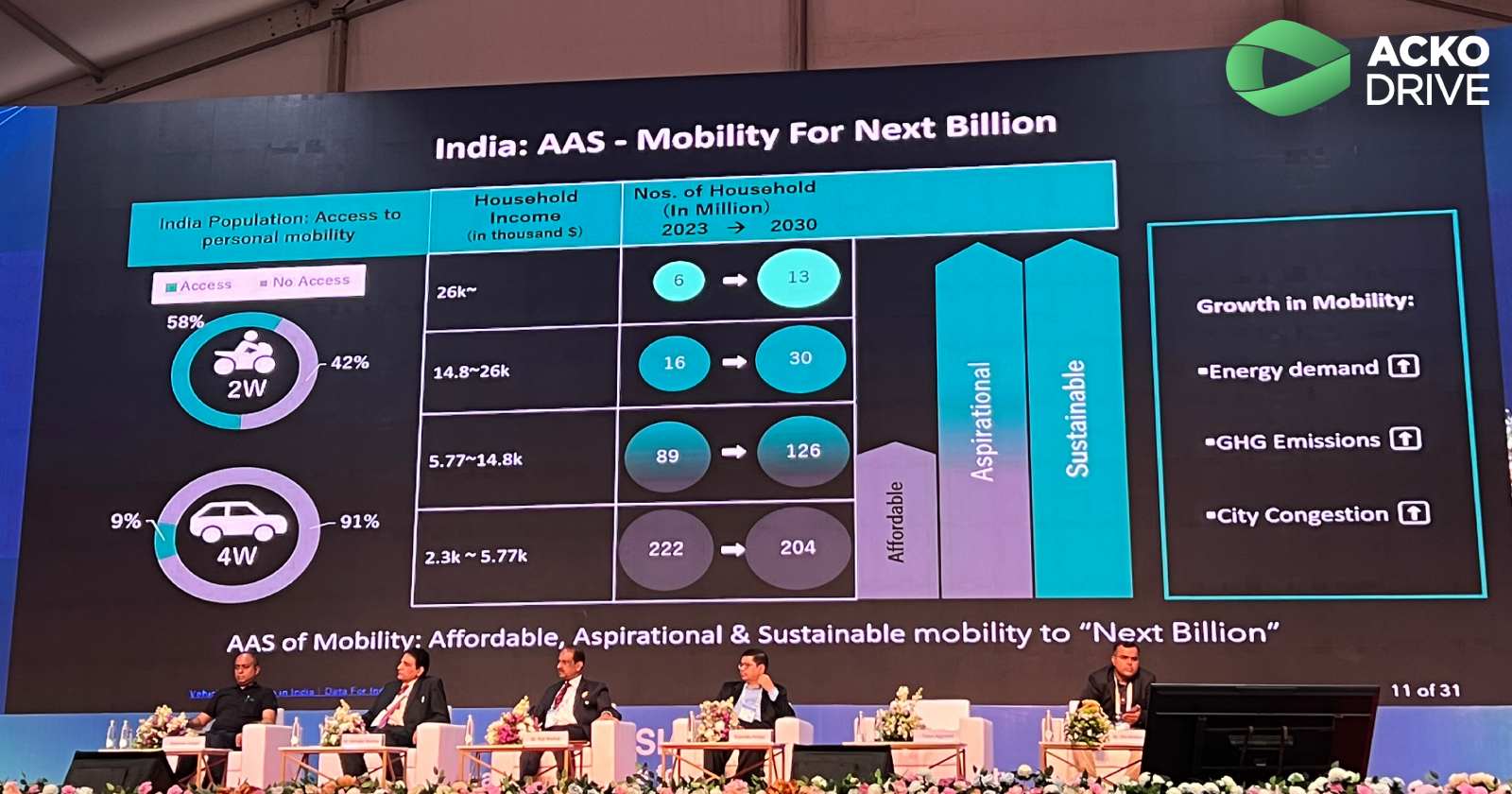
A plenary session held on the official opening day of SIAT 2026 included other major industry speakers. Tarun Aggarwal, Senior Executive Officer, Maruti Suzuki India, spoke about how mobility fuels economic growth and human wellbeing, also linking it to prosperity. While India is the world’s biggest market for two- and three-wheelers, it stands third for four-wheelers. However, per-capita adoption is still lagging behind. Only 58 percent of Indians have access to a two-wheeler, and the figure for four-wheelers is only 9 percent. That represents huge opportunities for growth. However, this will come at the cost of energy demand, emissions, and congestion. Outlining a multipath strategy to energy production and independence, Aggarwal said India needs to tap its potential for solar, ethanol, and biogas energy production.
Abraham Joseph, MD, Bajaj Auto Technology, made a case for the adoption of electric scooters and bikes in order to solve the challenges of urban mobility. He pointed out that vehicle growth has already outpaced infrastructure expansion, and said electric scooters offer lower total cost of ownership as well as better energy efficiency. Affordability and scale are key differences between India and western markets, requiring unique approaches to infrastructure and sustainability.
Rajendra Petkar, President – Emerging Mobility and Technology Strategy, Tata Motors, spoke about technology as an enabler for safety, sharing statistics about the sharp decline in accidents and fatalities per vehicle in India over the past several years. However, the number and severity of accidents has increased. He pointed to six pillars of safety: policy and governance, regulations, post-crash response, infrastructure, vehicle technology, and drivers and road users. India has come a long way in passing safety regulations such as making helmets mandatory, issuing good samaritan guidelines, and creating the Bharat NCAP testing agency.
The biggest challenges for road safety include speeding, lane indiscipline, driving while intoxicated, distracted driving, lack of skills, underage driving, and more. Future technology developments are likely to include more advanced ADAS, adaptive restraint systems, inflatable seatbelts, AI-driven testing and simulations, and better dummies for injury assessment, amongst other things currently being developed.
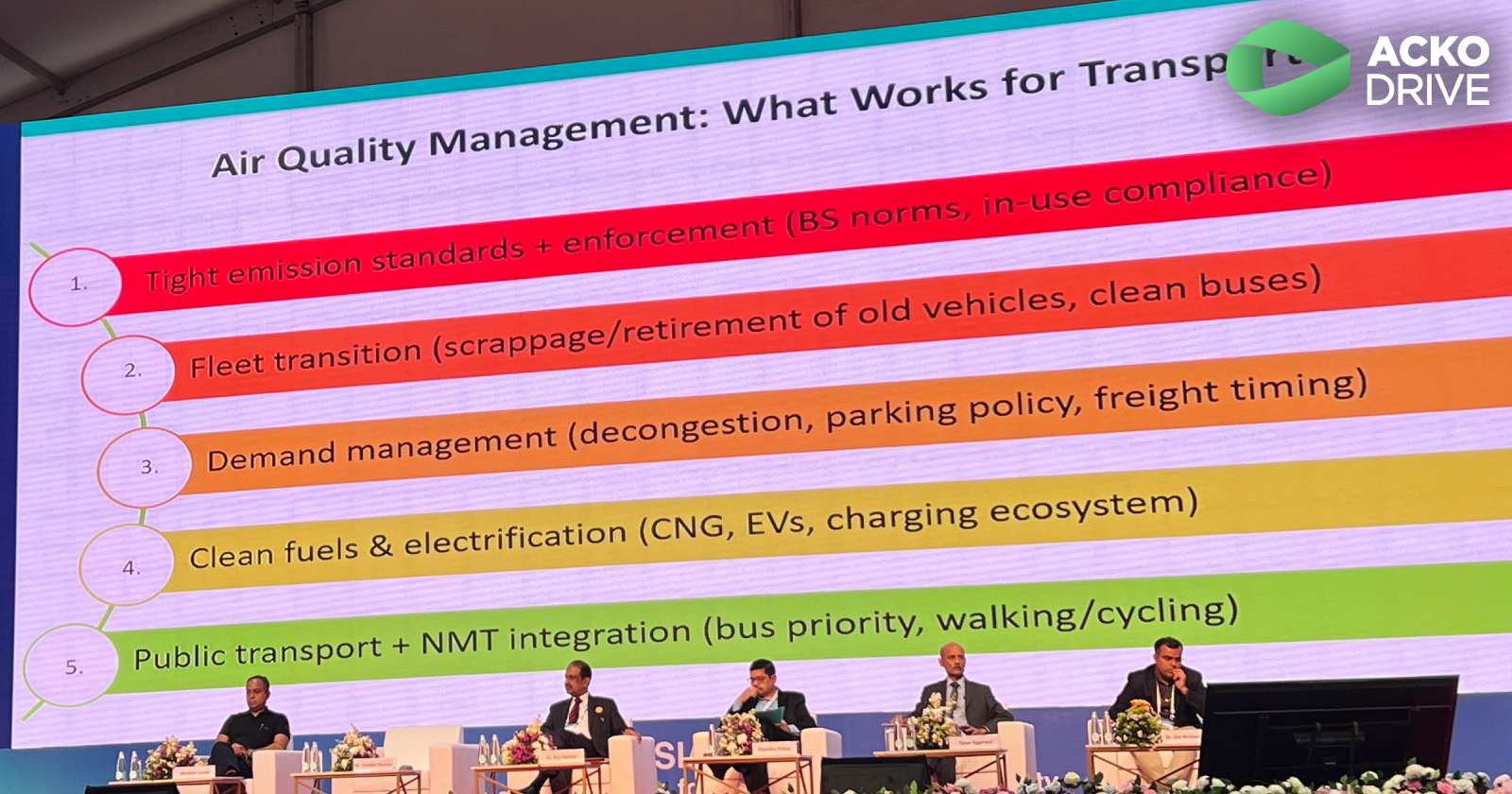
Dr Virinder Sharma, Member – Technical, CAQM, Government of India, made a presentation about the Indian context of how mobility affects urban air quality, pointing out the diversity in vehicle and fuel types on Indian roads as well as differences in driver behaviour, requiring multiple solutions that need not follow templates set by other countries. Recent CAFE norms are insufficient for India, he said, due to slow fleet turnover, a focus on cars while overlooking bikes, and testing limitations. He called for tighter emissions standards and enforcement, quicker fleet transitions, traffic demand management, cleaner fuels, and improved public transport to address India’s need for better air quality.
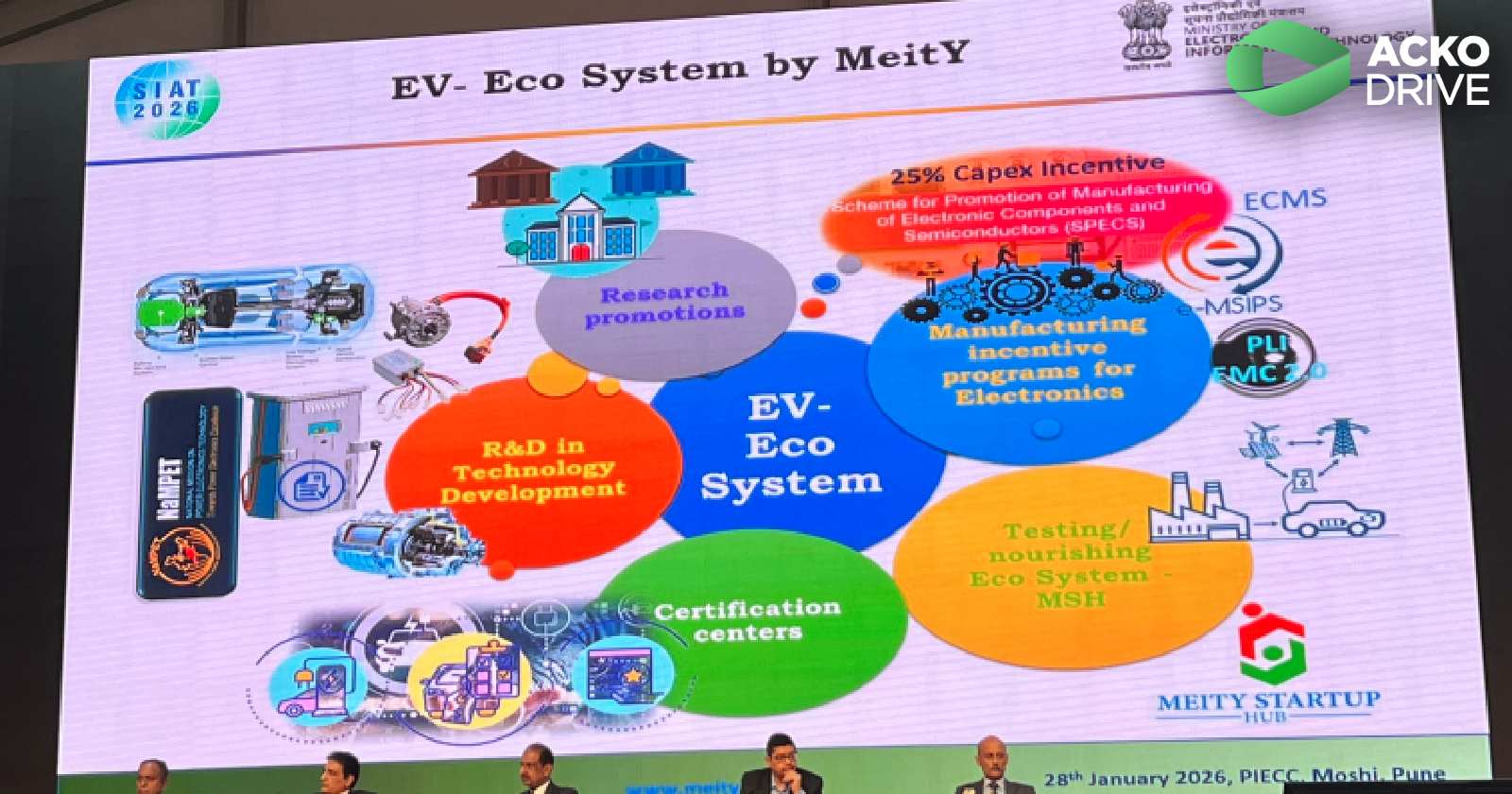
Dr Om Krishan Singh, Scientist and Director – R&D Electronics Division, Ministry of Electronics and IT, shared updates about the Government of India’s efforts to partner with academia, set up research programmes, and create frameworks for the industry. Current priorities include developing the EV ecosystem in India along with renewable energy, smart grids and microgrid infrastructure. The government also implements research and manufacturing incentives, and sets up certification guidelines and authorities to promote industry development.