
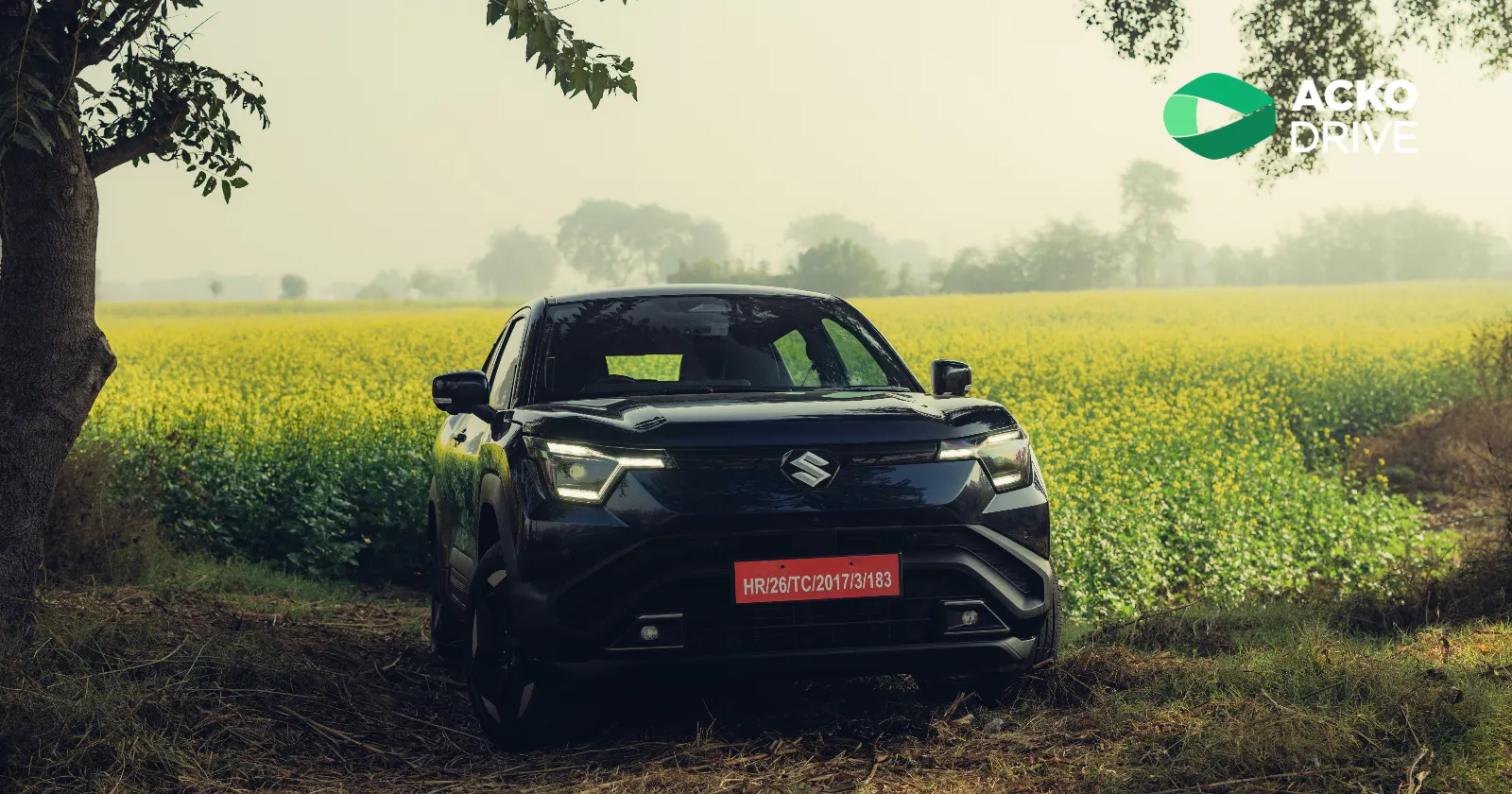
With the electric SUV segment heating up in recent times, does the Maruti Suzuki e Vitara have something new to offer?



Share Post
With the electric SUV segment heating up in recent times, does the Maruti Suzuki e Vitara have something new to offer?

It’s been over a year since the e Vitara broke cover for the first time at EICMA 2024 in Milan, Italy followed by its India debut at the Auto Expo in January 2025. And yet it’s still on sale in the country despite India being its production hub. Maruti wants to ensure it takes all the correct steps before the e Vitara hits the Indian roads. After all, it is Maruti’s first electric vehicle.
We have already driven the car previously in Europe, but we recently took the steering wheel of the India-spec Maruti Suzuki e Vitara. The e Vitara in many ways isn’t a traditional Maruti Suzuki and yet it inherits a charm that is known to the Indo-Japanese carmaker. As the Maruti e Vitara launch comes closer, the anticipation around the electric SUV builds. We drove the e Vitara once again, this time on Indian roads and found if it’s worth the anticipation or not.
Design is where the e Vitara truly wants to make a statement. Suzuki calls this design language ‘Modern Polyhedral Architecture’, and honestly, it does look very different from a traditional Maruti. Upfront, it gets a muscular and geometric design thanks to that massive bumper giving it a butch appeal. It gets a distinctive Y-shaped LED DRL signature that sets it apart from the Grand Vitara.
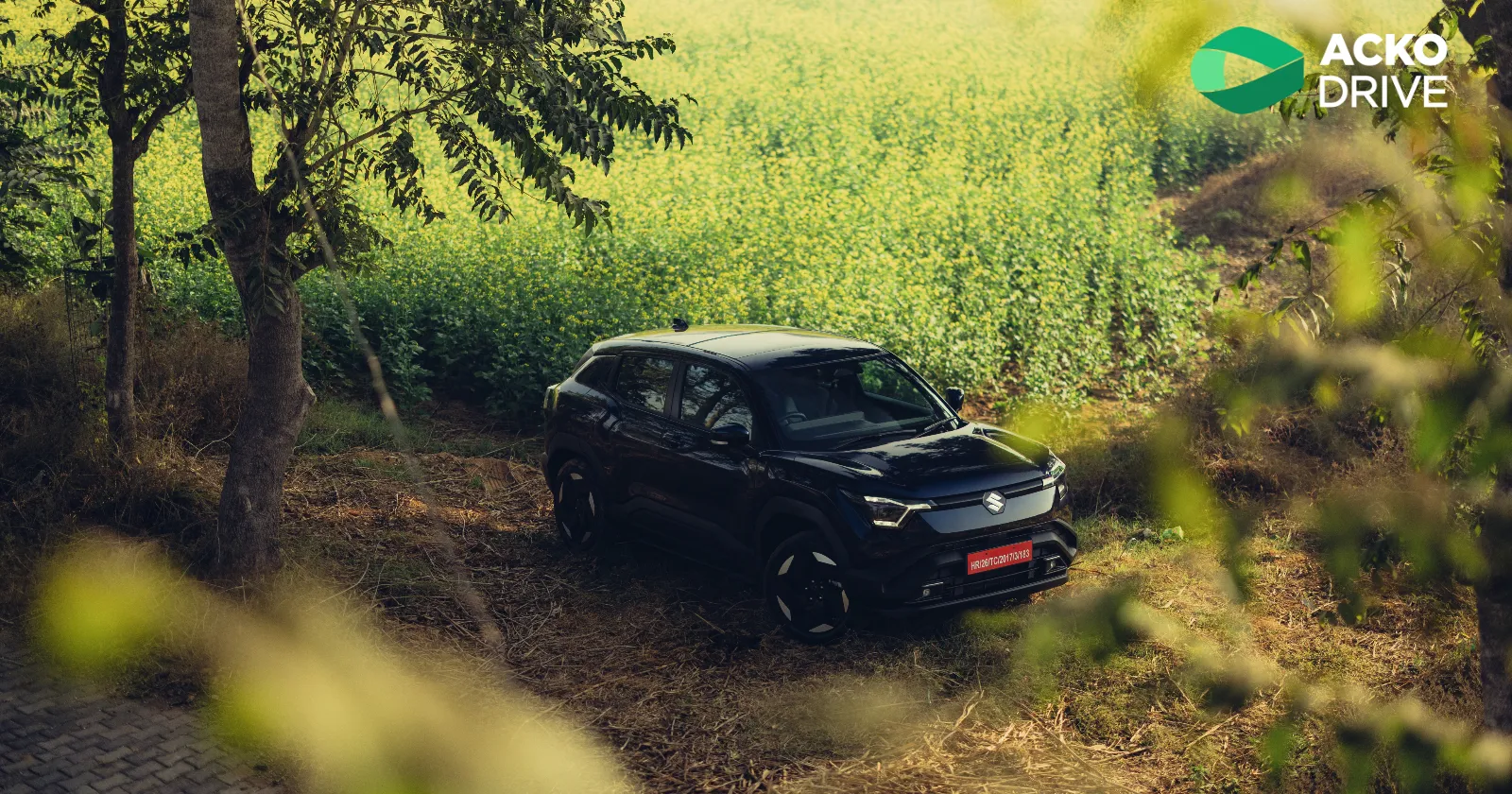
Moving onto the side, the squared wheel arches and the 18-inch alloy wheels give the car a bold presence. The profile, otherwise, remains clean and understated. The only other highlight is the rear door handle on the C-pillar. At the rear, the tri-LED taillamp signature is different from the connected taillamp setup seen in contemporary SUVs. So overall, the design feels very proportionate and refreshing.
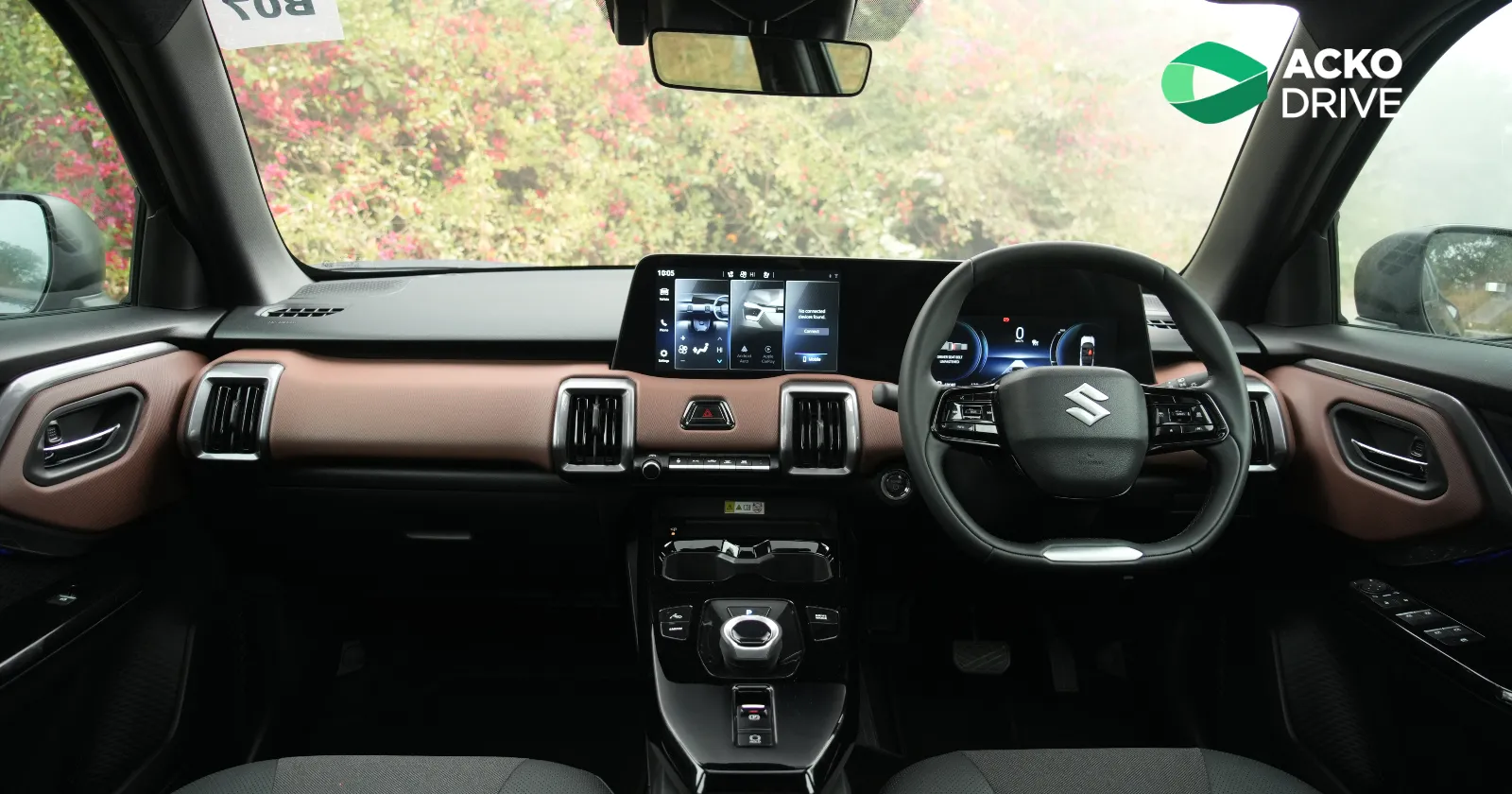
Step inside the cabin and you realise the cabin has taken a massive leap forward. The India-spec model gets two-tone interiors with tan plastics and mixed fabric-leatherette seats that feels more premium than the all-black option. Moreover, the quality of materials used is top notch signifying that it is indeed a global product.
The e Vitara is packed to the gills as far as features are concerned. including a 10.1-inch touchscreen infotainment system, 10.25-inch digital instrument cluster, ventilated front seats, electric sunroof, wireless phone charging, wireless Android Auto and Apple CarPlay, ventilated front seats with electrical adjustability for the driver, 10-speaker Infinity audio system, and a premium rotary drive selector to name a few. Both screens on the dashboard offer sharp graphics and intuitive layouts that differ from typical Maruti interfaces.
On the safety front, the Maruti Suzuki e Vitara comes well-equipped with 7 airbags, 3-point seat belts for all passengers, ISOFIX child seat mounts, 360-degree camera, and Tyre pressure monitoring system to name a few. There’s also Level 2 Advanced Driver Assistance System, similar to what we’ve seen on the Victoris, but importantly, this system has been engineered for real-world Indian usage, not just brochure value.
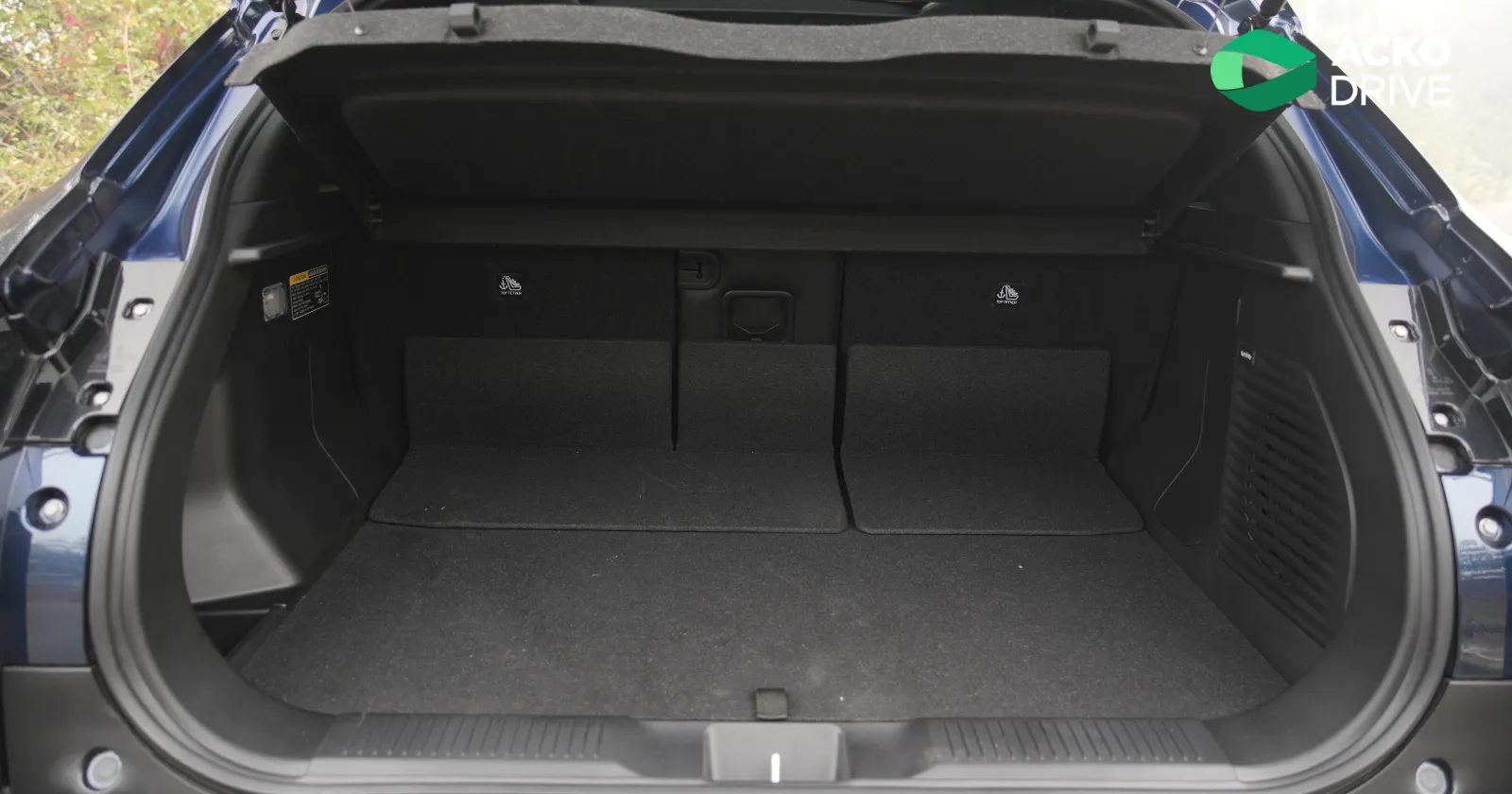
Rear seat space is excellent thanks to the flat floor, offering great legroom and kneeroom. Headroom is slightly compromised, but not uncomfortable for most average-sized passengers. Boot capacity is around 240 litres with the parcel tray, although official figures are yet to be revealed. Yes, it isn’t the greatest, but it’s still usable for daily needs and weekend luggage.
In the driver’s seat, the Maruti Suzuki e Vitara feels very different from typical Maruti cars. The e Vitara will be offered with two battery pack options: 49 kWh and 61 kWh. We drove the latter which claims a range of 543 km on a single charge. International markets get the AllGrip all-wheel drive, but in India it only comes in a front-wheel driven iteration.
| Battery | 49 kWh || 61 kWh |
| Range | 543 km (ARAI, 61 kWh) |
| Peak Power | 142 bhp (49 kWh) || 172 bhp (61 kWh) |
| Peak Torque | 192.5 Nm |
| Drivetrain | Front Wheel Drive |
Maruti’s approach here is very clear — efficiency over outright performance. The tuning prioritises usable range rather than aggressive acceleration figures. Acceleration is smooth and linear, not the kind that throws you back into the seat like most other EVs. It delivers power in a predictable manner, making it a very easy car to drive even for novice drivers.
There are three drive modes, including Normal, Sport and Eco, but the difference between them isn’t dramatic in everyday driving. Yes, Sport does provide the additional boost but it isn’t meant to deliver a ballistic performance in any case. Besides drive modes, the Maruti Suzuki e Vitara offers multiple levels of regenerative braking, but there’s a catch. There are no paddle shifters to change the level while on the move. Changes can only be made through a button on the centre console, and only when the car is stationary.
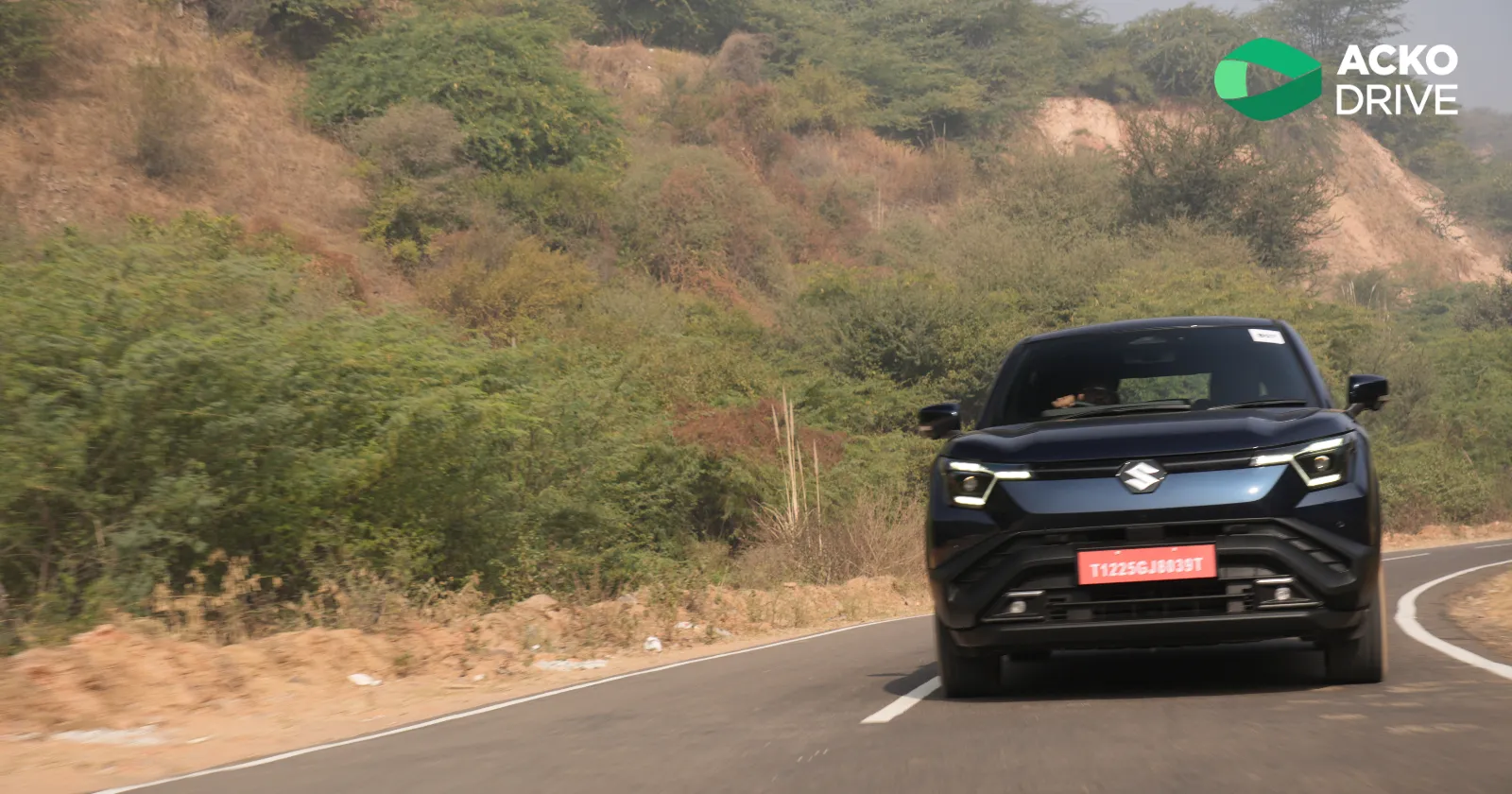
When it comes to dynamics, the ride quality of the Maruti e Vitara is on the firmer side just like the Europe-spec model. There’s a bit of bounciness over uneven surfaces. The steering and handling have been tuned for global markets, and it genuinely feels more planted and mature than what we usually associate with Maruti Suzuki.
Also READ: Tata Harrier EV First Drive Review: The Best Tata Yet?
The other critical factor will be charging options to be offered. Internationally, Suzuki is offering two AC home charging options: 7 kW and 11 kW. When compared to its immediate rivals — Hyundai Creta Electric and Mahindra BE 6 — the e Vitara takes around 7 to 9 hours to charge the battery. The BE 6 takes a similar amount of time whereas the Creta Electric is the quickest, with an 11-kW wallbox delivering a full charge in about 4 to 5 hours.
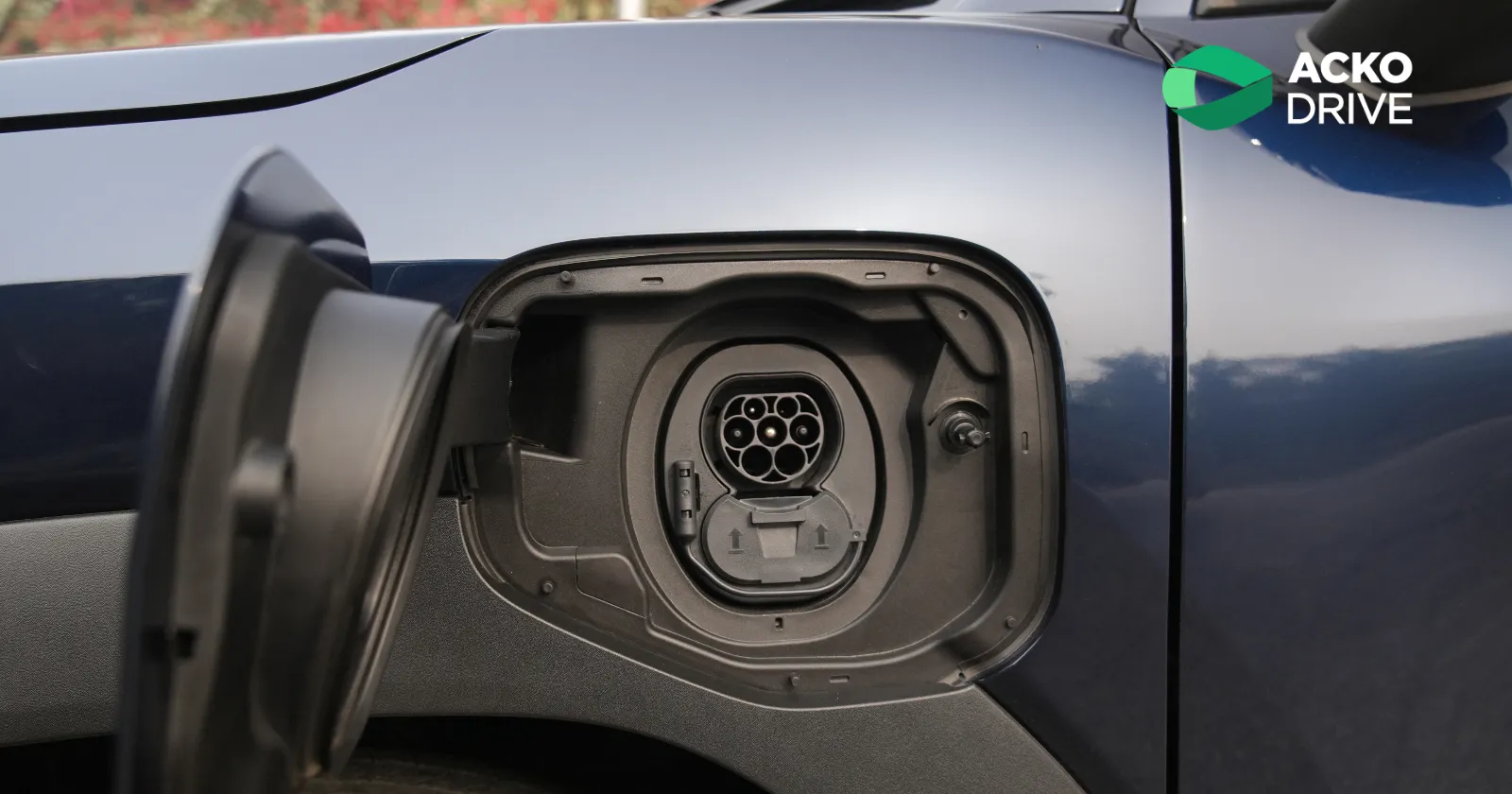
On DC fast charging, the BE 6 is the fastest, adding 20 to 80 percent in around 20 minutes. The e-Vitara follows with about 45 to 50 minutes to reach 80 percent, while the Creta Electric takes close to an hour on a 50 kW fast charger. We’d have to wait for Maruti to officially confirm the charging options for the India-spec e Vitara.
The Maruti Suzuki e Vitara is not just another electric SUV — it’s Maruti’s statement of intent in the EV space. It’s modern, well-equipped, and designed to appeal to a new kind of buyer. However, for the e Vitara to be successful, it has to get the pricing right. Currently the Creta Electric is priced from ₹18.02 lakh while the quirky Mahindra BE 6 costs ₹18.90 lakh (both ex-showroom). So the price tag that Maruti should be looking at around ₹18 lakh or slightly lower than that.
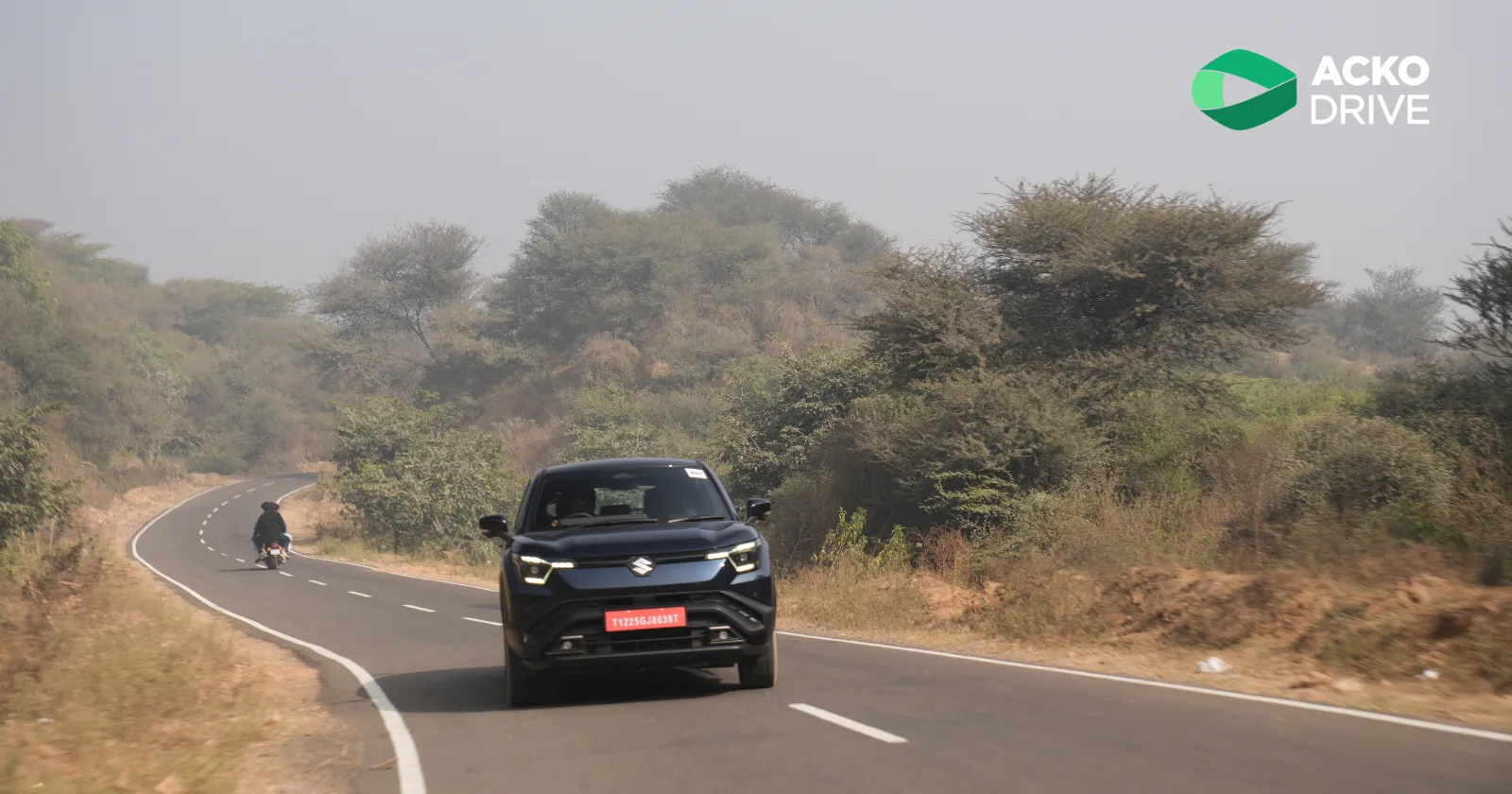
To add to that, Maruti is also working on a nationwide charging ecosystem, along with possible subscription or lease models to lower entry barriers. Maruti might be late to the EV game in India but it’s come well equipped with an arsenal. It knows how to blow its competitors out of water. But will it manage to do that? And how aggressively will it push for it? Prices for the e Vitara are expected to be announced early next year and only time will tell if Maruti has got it right.

TVS Apache RTX Road Test - TVS Goes For The Kill
Arun Mohan Nadar 16 Feb, 2026, 4:06 PM IST
Toyota Urban Cruiser EBella First Drive Review: The Sensible Man’s EV
Sameer Fayaz Contractor 11 Feb, 2026, 12:49 PM IST
2026 Volkswagen Tayron R-Line India Review: When Class Meets Performance
Sameer Fayaz Contractor 4 Feb, 2026, 11:24 AM IST
TVS Ntorq 150: Evolution Or A Step Back?
Arun Mohan Nadar 22 Jan, 2026, 4:35 PM IST
2026 Tata Punch Facelift Review: Ready To Deliver A Knockout Blow
Sameer Fayaz Contractor 21 Jan, 2026, 11:04 AM IST

Looking for a new car?
We promise the best car deals and earliest delivery!
