
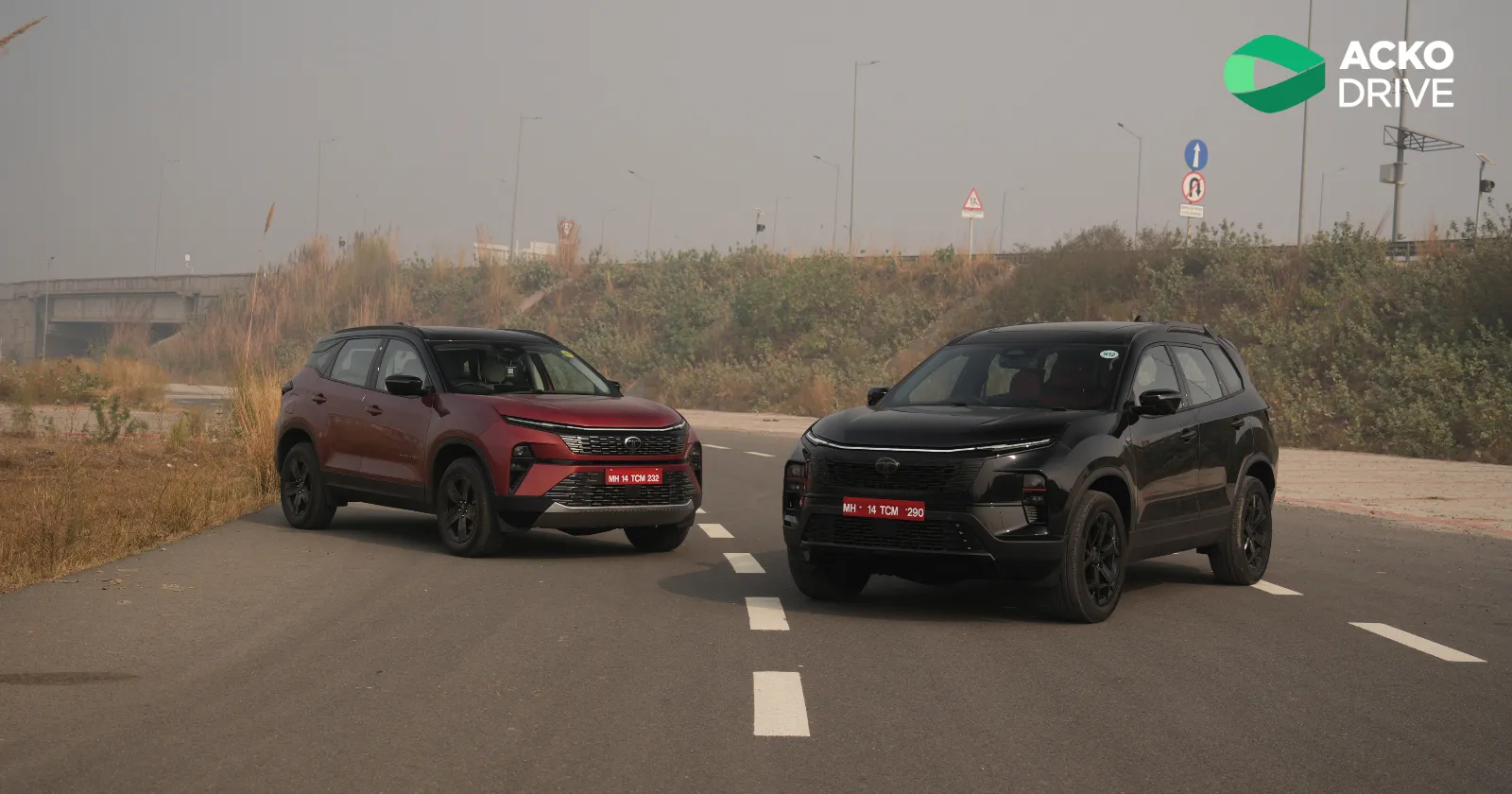
Will the addition of a petrol engine to the Harrier and the Safari make a difference to their sales volume or has Tata missed the bus?



Share Post
Will the addition of a petrol engine to the Harrier and the Safari make a difference to their sales volume or has Tata missed the bus?

Tata Harrier and Safari are two very prominent names in the mid-size SUV space but they had one big chink in their armour — the lack of a petrol engine option — something their rivals didn’t miss out. While diesel may still be the preferred choice of fuel for many SUV buyers in India, there is no denying the fact that sales of diesel cars have been impacted significantly over the last few years with implementation of stricter emission norms along with rise in diesel prices.
The 1.5-litre TGDI turbo petrol unit from Tata Motors made its debut at the Auto Expo earlier this year and was first introduced in the newly launched Sierra. It has now made its way to the Harrier and Safari, something that had been anticipated for a long time. We recently got to drive the petrol-powered Tata Harrier and Safari and find out if they are any different from their oil burner counterparts.
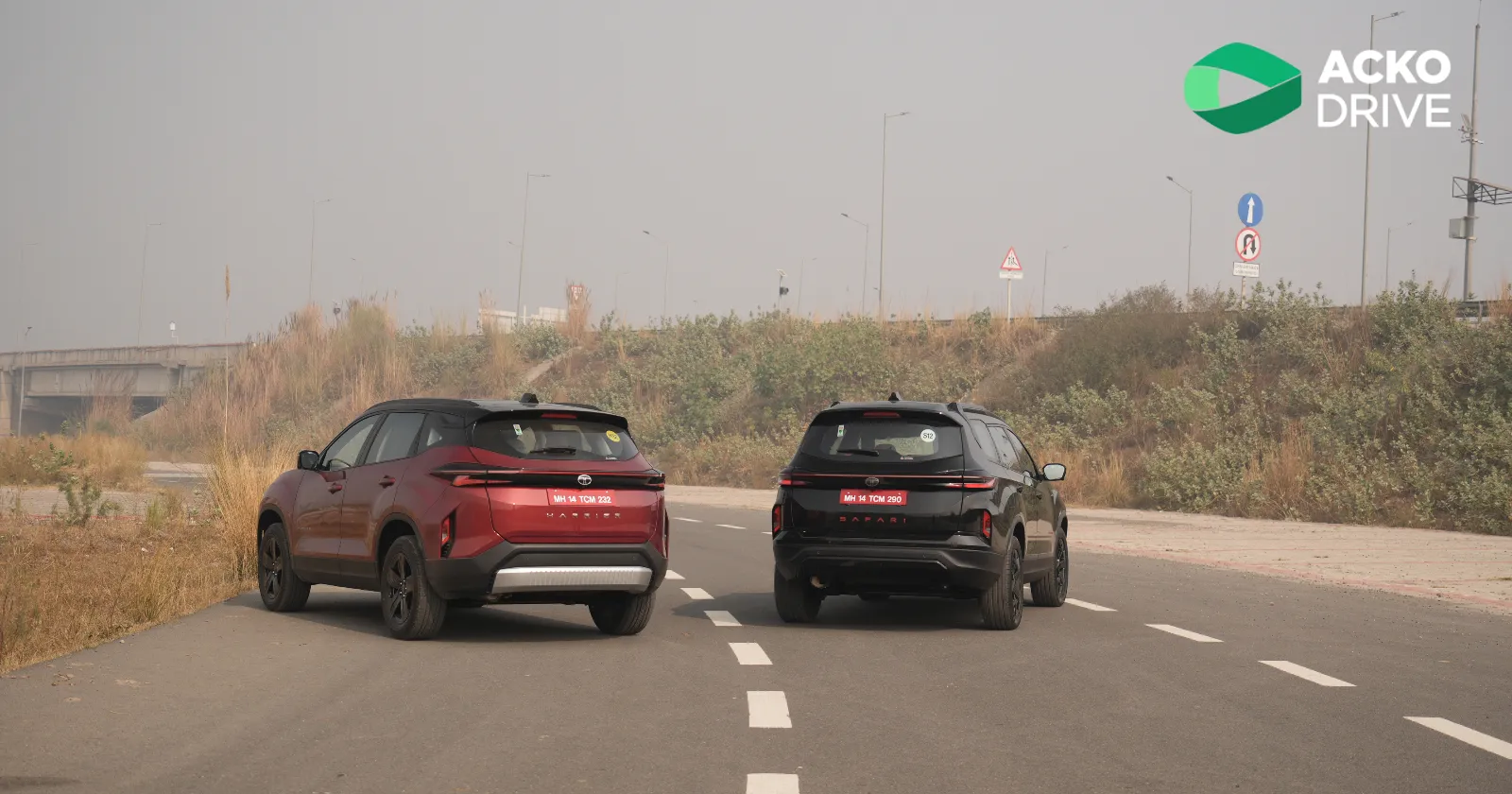
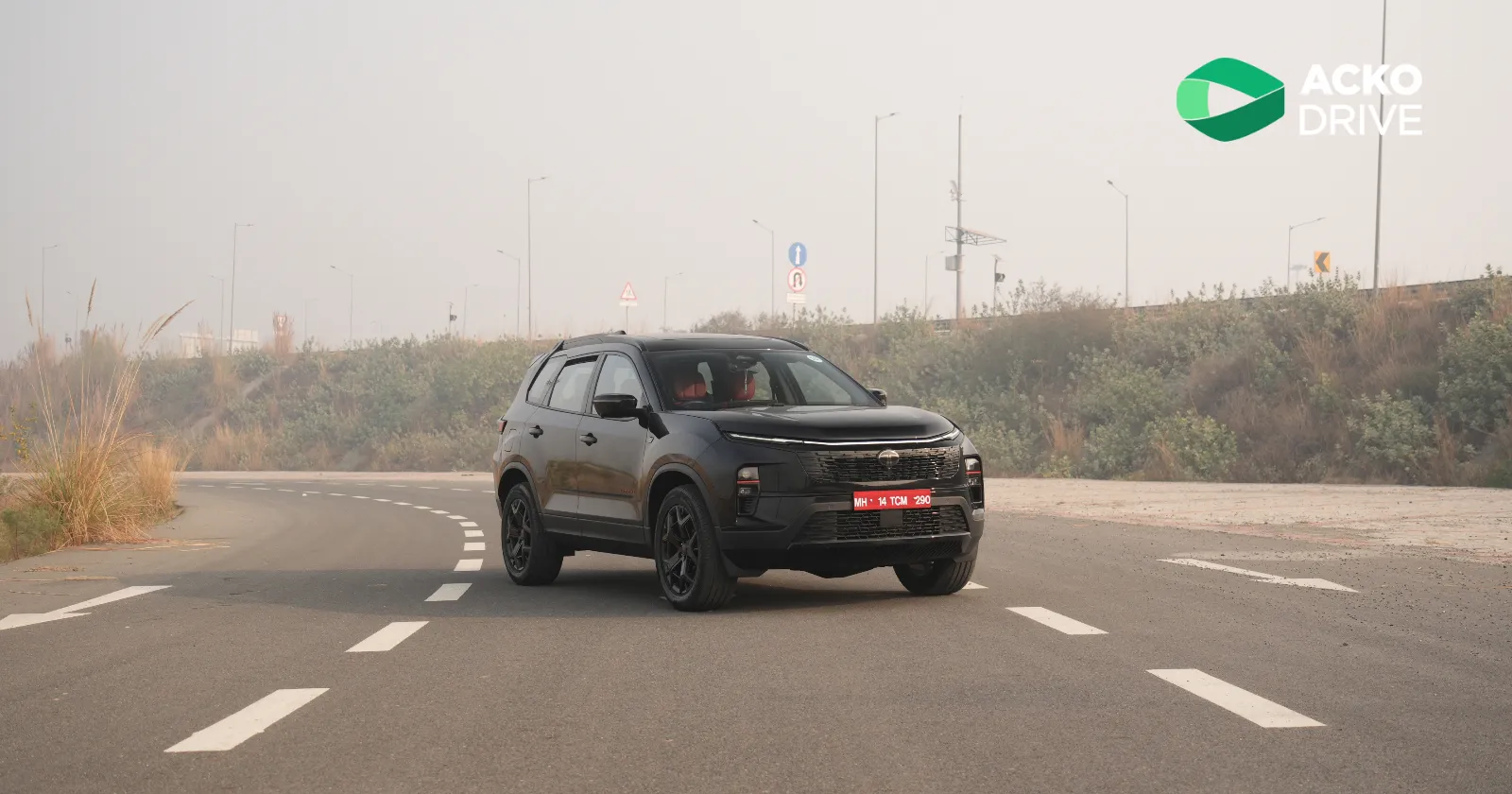
Visually, the petrol-powered Tata Harrier and Safari remain absolutely unchanged with not even a different badging to distinguish the new powertrain. The biggest USP of these SUVs have been their tall and butch stance that lend them a very strong road presence.
Step inside the cabin, and the story remains the same. Same interior design with plenty of soft touch materials used on the dashboard, centre console and door trims. As usual, the overall fit and finish of the cabin is top notch and certainly a benchmark for all OEMs in India. The equipment is also fairly similar to the diesel counterparts barring three major additions.
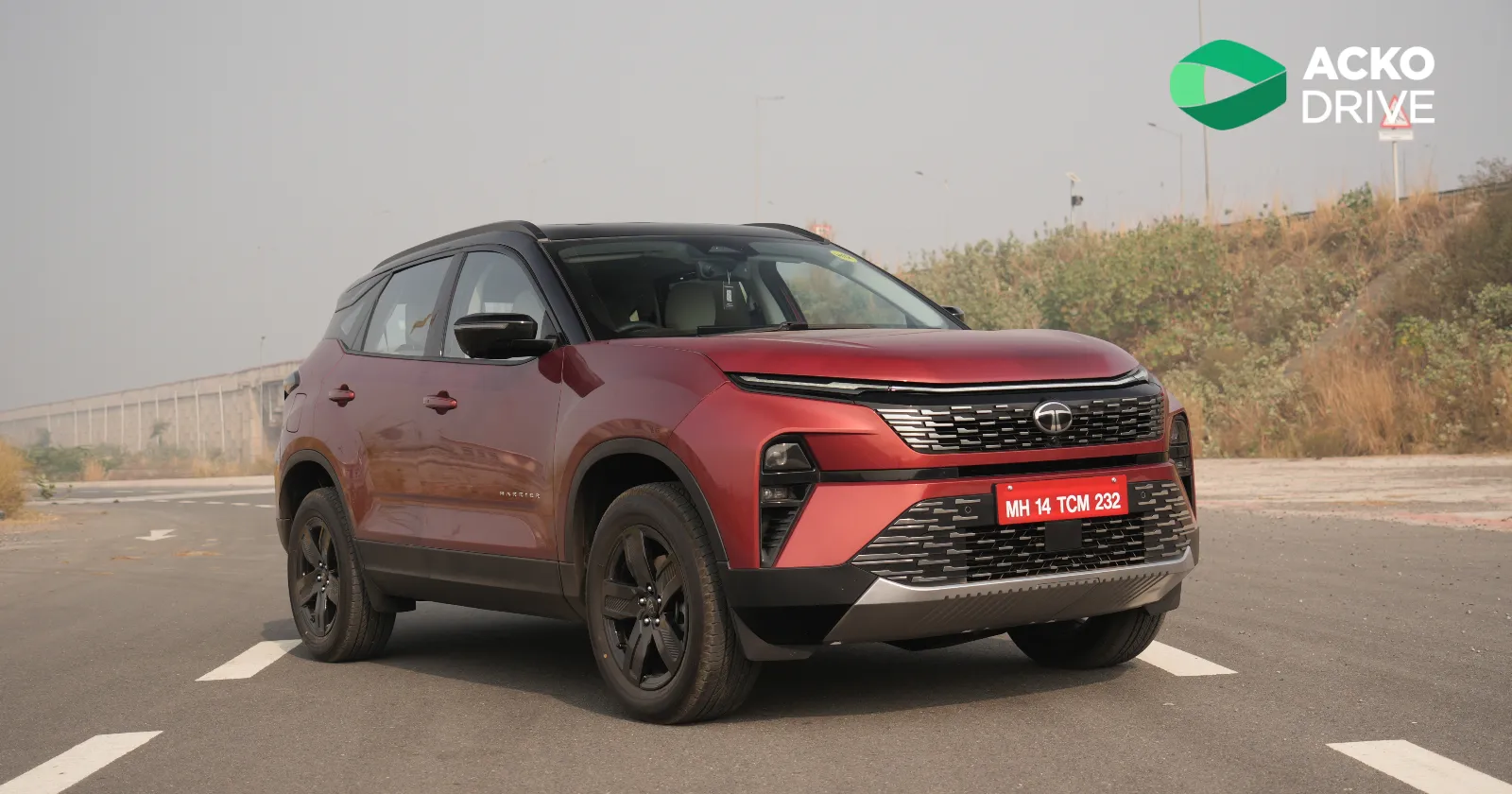
The first big change is the 14.5-inch Samsung NEO QLED infotainment system which has been carried over from the recently-launched Tata Harrier.ev. This unit is certainly one of the best out there in terms of user interface and graphics, although it will take some time getting used to it since there’s so much to offer. This infotainment unit will most likely make it to the diesel variants soon. The other two notable feature additions are digital inside rear view mirrors (IRVMs) with video recording and camera washers.
Also READ: MINI Convertible Review: Cooper Goes Topless
From behind the steering wheel, the experience isn’t too different from the diesel-powered Tata Harrier and Safari. The one major difference though is the quietness inside the cabin. Tata claims to have reduced the decibel levels with this new engine, bringing it down to 37.8 dB. That said, we didn’t have tools to test this claim, but the overall NVH level inside the cabin was impressive.
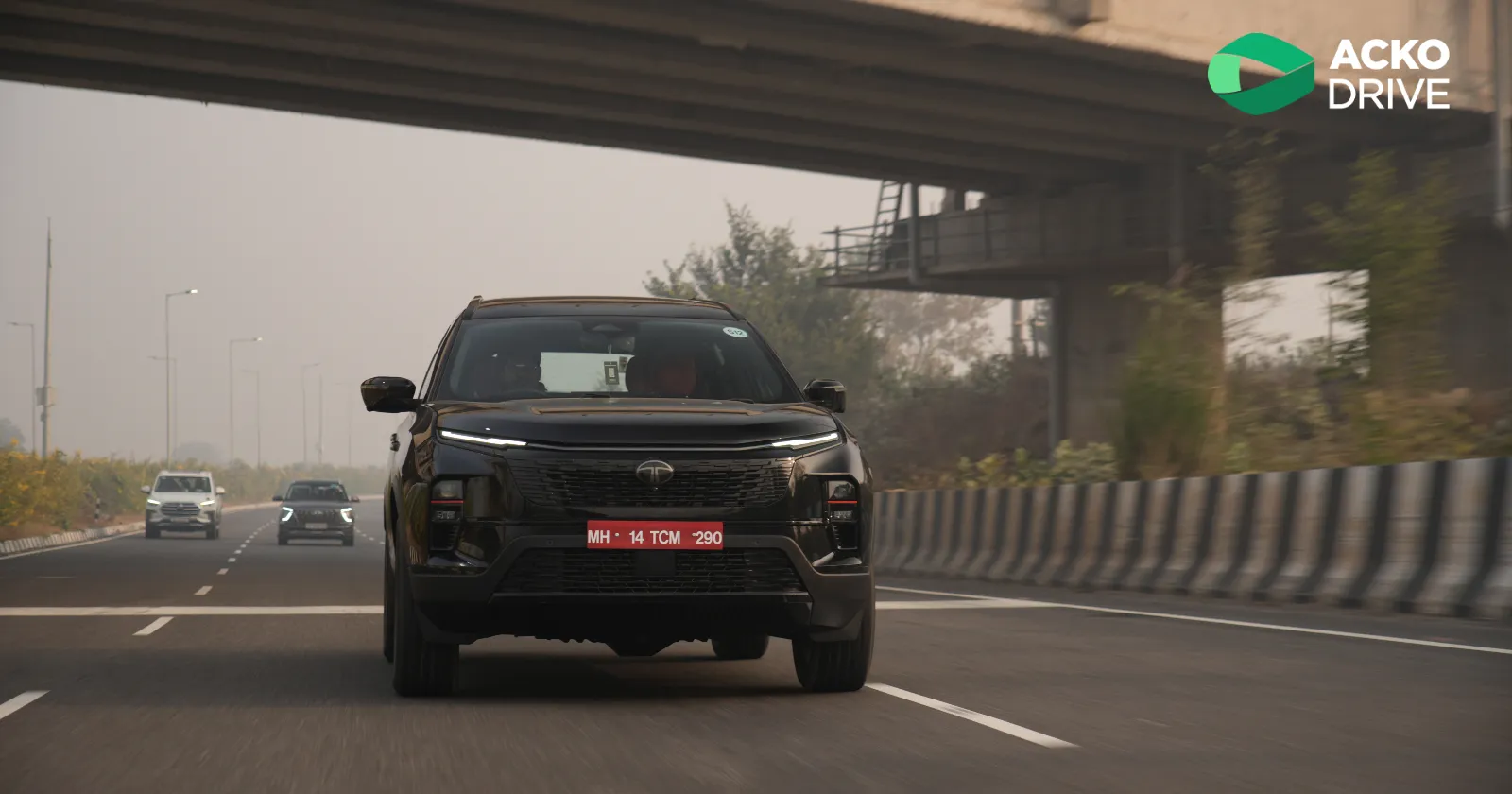
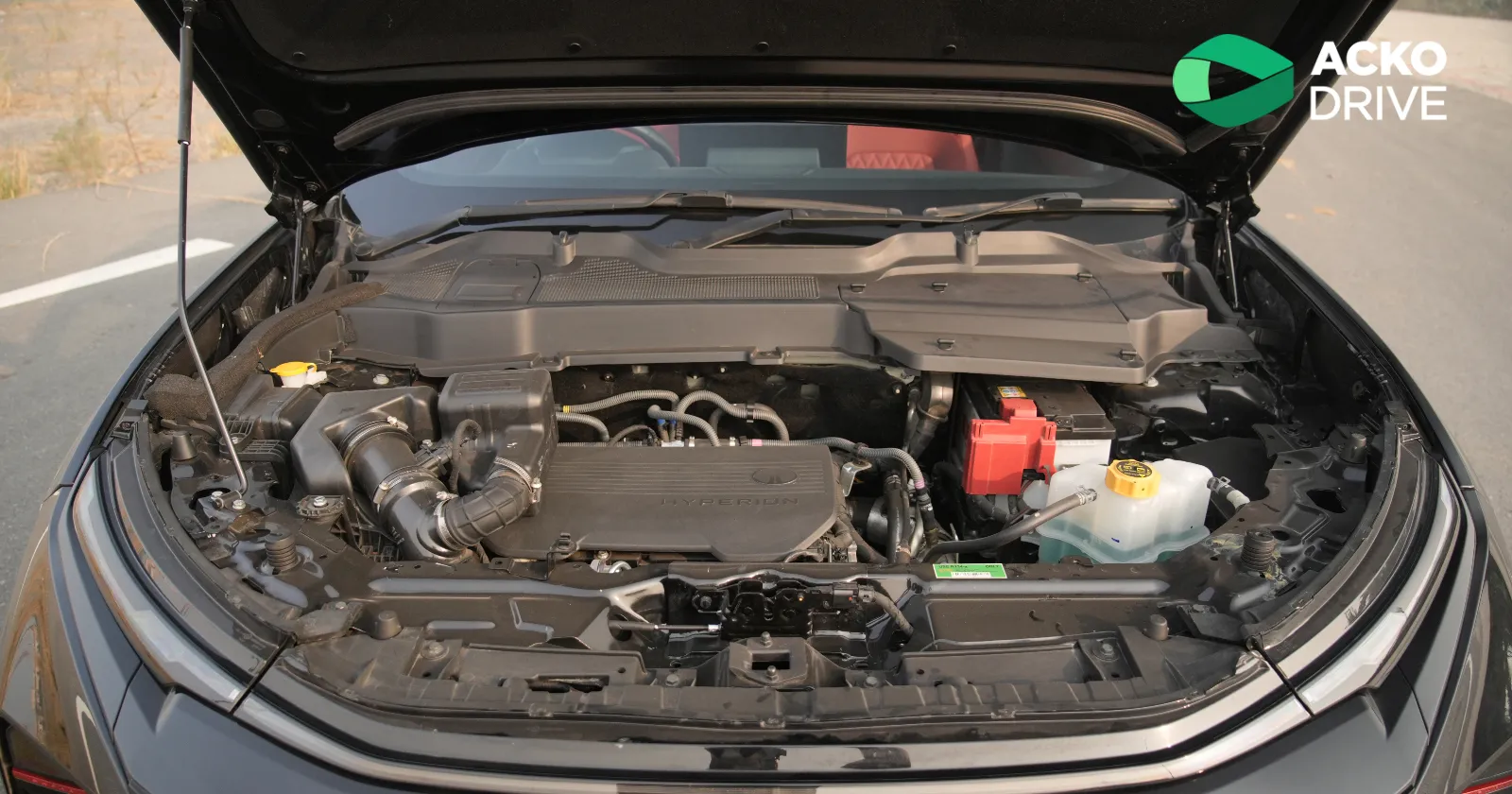
As for the driving, the new 1.5-litre TGDI turbo petrol stays refined for most parts and the vibrations are also well contained. It is only when you decide to push the gas hard, you feel some clattery noise from the engine creep in. Not that it feels very strained but overtaking certainly needs to be planned properly. This is because there is a bit of delay in response whenever you try to floor the throttle.
Parameters | Specifications |
Engine Displacement | 1498 cc |
Engine Type | 4 Cylinders Inline Turbocharged petrol |
Maximum Power | 168 bhp @ 5000 rpm |
Maximum Torque | 280 Nm @ 1750-4000 rpm. |
Transmission | 6-speed MT / 6-speed AT |
However, the lack in response has less to do with the engine but more to do with the 6-speed torque converter automatic transmission sourced from Aisin which is otherwise a proven and reliable gearbox. That said, whenever the engine feels a little bit lethargic, the paddle shifters give you that added control and make things a bit more engaging behind the wheel. There’s also a 6-speed manual option to consider, if you like things under your command.
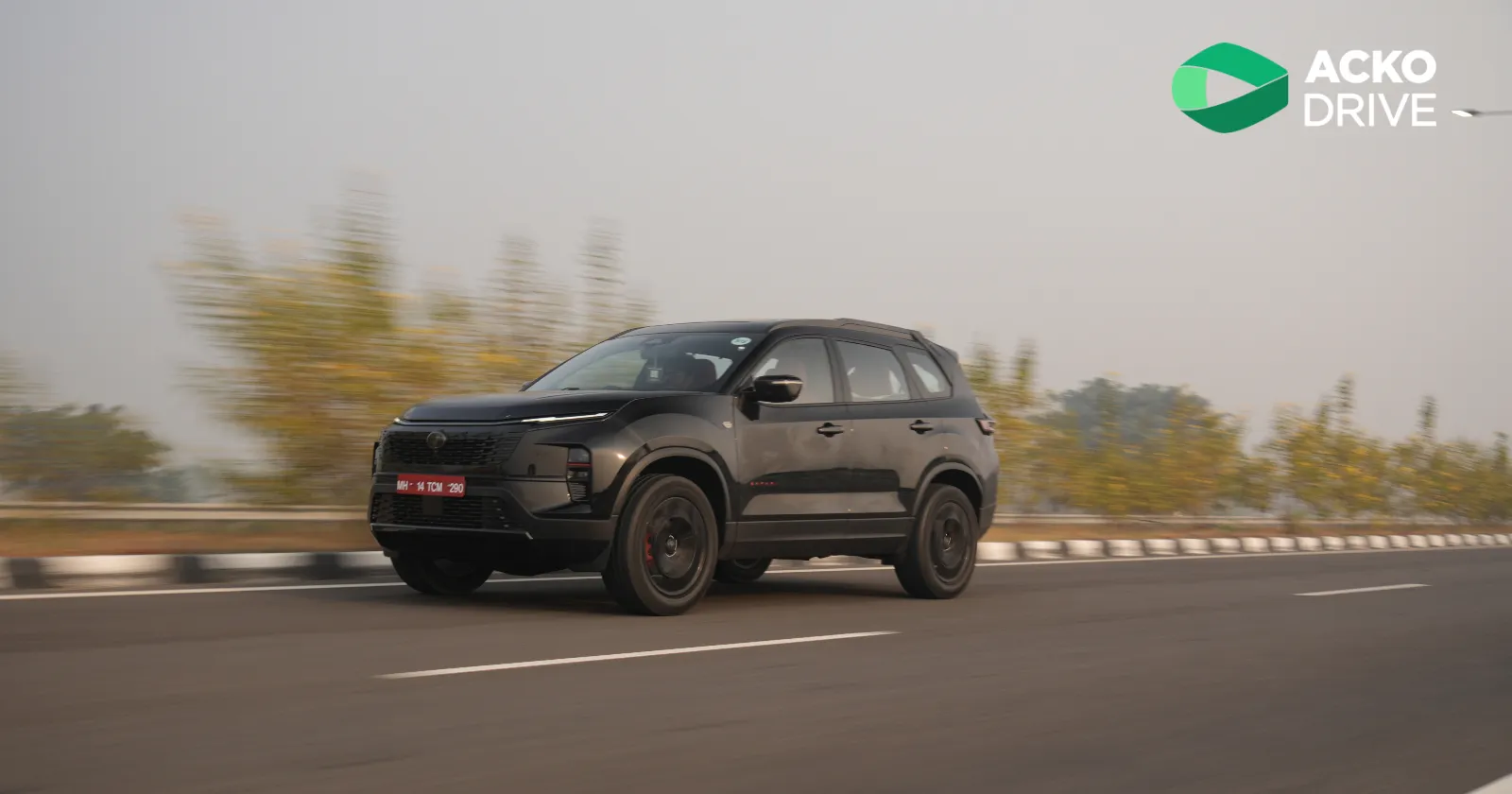
The weight of the SUVs could also be a factor but Tata claims that the petrol-powered Harrier and Safari are around 80 kg lighter than their respective diesel counterparts, although the company is yet to reveal the official numbers. The reduction in weight has no noticeable difference in handling characteristics compared to the diesel version. Both SUVs are on the heavier side and there’s some body-roll to counter.
Truth being told, the Tata Harrier and Safari were never really meant for hostile overtakes or blink-of-an-eye lap timings. They were built to offer a comfortable and safe family car that can munch miles without breaking a sweat which is exactly where these two SUVs continue to shine even in their gasoline avatars.
One major drawback is definitely the braking which doesn’t feel adequate enough for an SUV of this size. There isn’t enough feedback from the pedal and the response is also not prompt enough. Bringing the Harrier and Safari to a halt from triple digit speeds could be a big concern especially in expressways. Fuel efficiency is also not the strongest suit of this turbo petrol engine with the instrument console indicating a paltry mileage of 8 kmpl during our stint of around 110-120 km. Therefore, if fuel efficiency is your top priority then we’d suggest you look elsewhere.
Tata is definitely very late in offering a petrol engine option to the Harrier and Safari but better late than never. The addition of a petrol engine option will not just help Tata tap into a new segment of buyers who don't wish to own a diesel but more importantly it will help reduce the entry price points of both SUVs and that will give them an edge against its rivals.
With decent levels of refinement at an expected lower price point, the Harrier and Safari petrol are very likely to create ripples in this segment. Prices of the petrol-powered Tata Harrier and Safari are expected to be announced soon while deliveries are most likely to commence from January 2026. Will they pose a stronger challenge to their rivals this time or will they eat into the sales of the Sierra? Now that’s something only time will tell.
Also READ: Tata Harrier EV First Drive Review: The Best Tata Yet?

TVS Apache RTX Road Test - TVS Goes For The Kill
Arun Mohan Nadar 16 Feb, 2026, 4:06 PM IST
Toyota Urban Cruiser EBella First Drive Review: The Sensible Man’s EV
Sameer Fayaz Contractor 11 Feb, 2026, 12:49 PM IST
2026 Volkswagen Tayron R-Line India Review: When Class Meets Performance
Sameer Fayaz Contractor 4 Feb, 2026, 11:24 AM IST
TVS Ntorq 150: Evolution Or A Step Back?
Arun Mohan Nadar 22 Jan, 2026, 4:35 PM IST
2026 Tata Punch Facelift Review: Ready To Deliver A Knockout Blow
Sameer Fayaz Contractor 21 Jan, 2026, 11:04 AM IST

Looking for a new car?
We promise the best car deals and earliest delivery!
