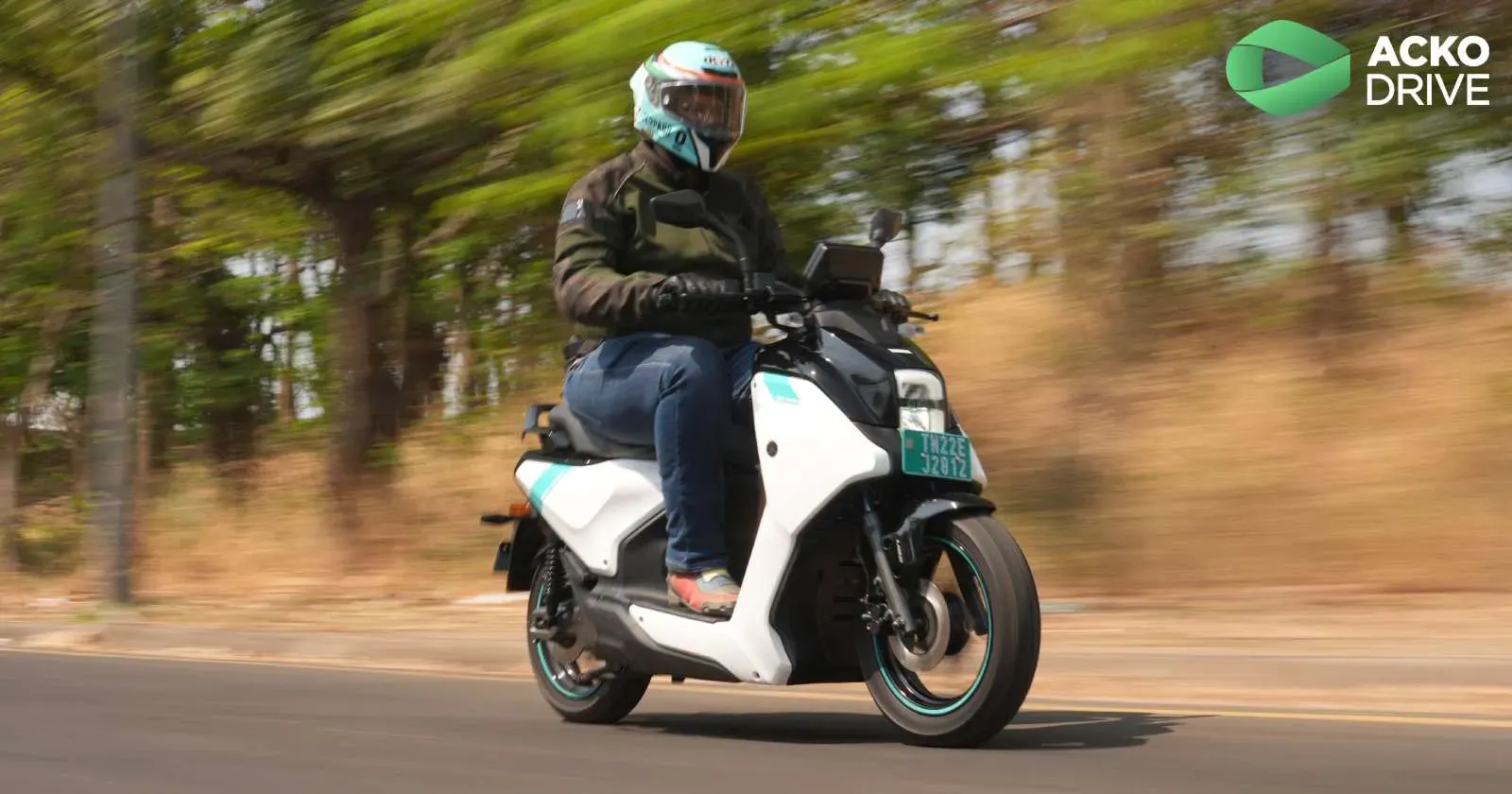
The Yamaha EC-06 is priced from ₹1.68 lakh (ex-showroom), and is available in a single configuration.
Share Post

The Yamaha EC-06 is priced from ₹1.68 lakh (ex-showroom), and is available in a single configuration.
The Japanese have been rather behind when it comes to the electric mobility segment in India, and let's be honest, Indian startups are killing it in this space. Maybe that's why Yamaha has gone for a different strategy when it comes to its new electric scooter. This is the EC06. It is based on the Indie from River, Yamaha's new partner. And what you see here is its iteration of the same electric scooter, its first for India. While the EC-06 and the Indie share the same underpinnings, Yamaha says it has tuned the scooter differently, including the suspension, braking, performance, and ride. So, the question isn't if these are the same scooters, but whether this is more Yamaha-like. Let's answer that today.
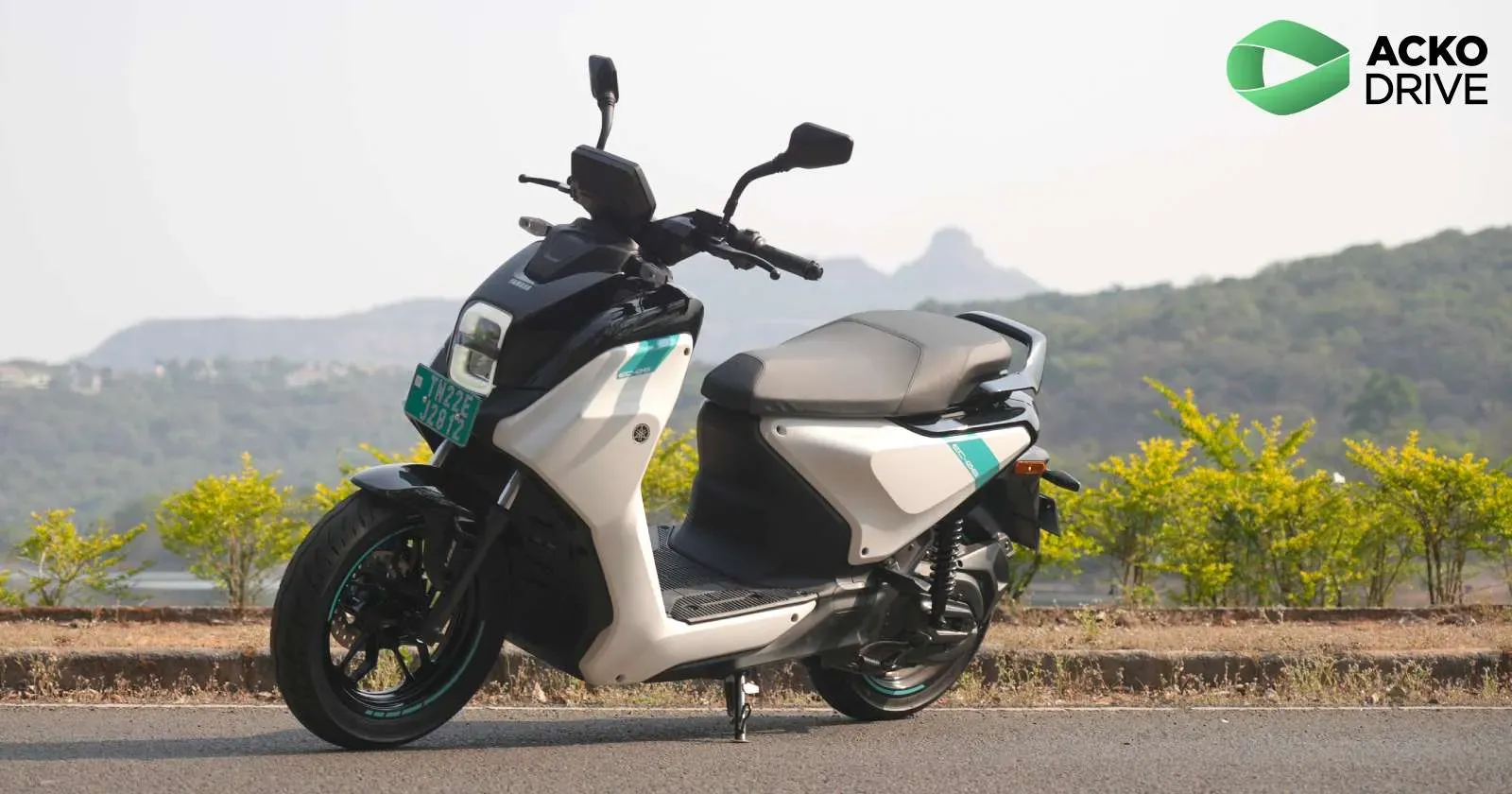
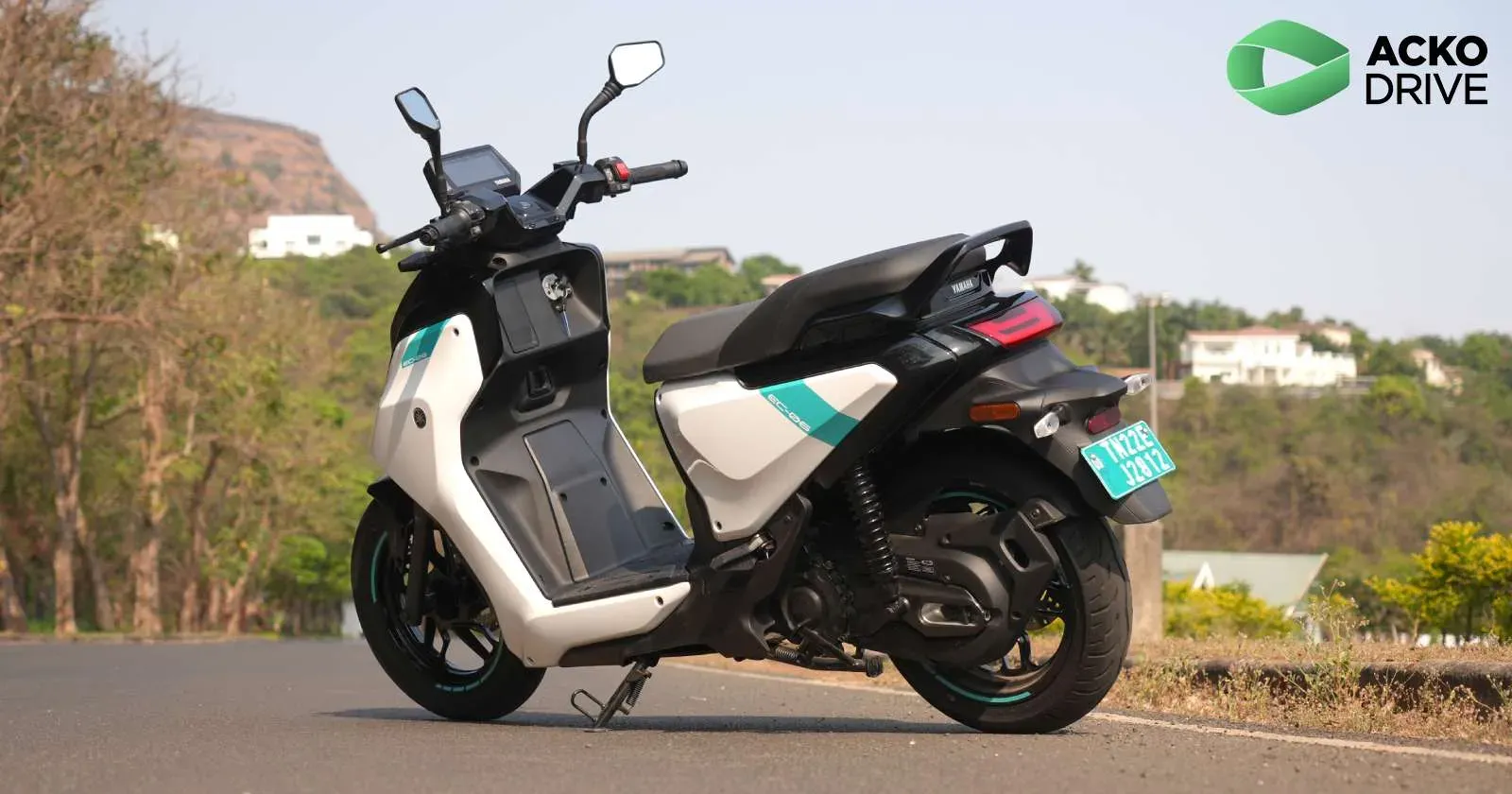
Yamaha has gone to great lengths to give the EC-06 a different look. The single headlamp looks smarter, and integrates the LED DRL. The lines are sharper and the flat panels lend a more cohesive design to the scooter. The rear is much cleaner in appearance. While River prioritises function, Yamaha brings style along with functionality. Build quality is impressive, and everything feels sturdy. The paint quality feels premium and the EC-06 feels just like any other Yamaha product.
Another big difference is the more slender-looking side panel. It’s much slimmer compared to the river Indie. The trade-off of this cleaner design, in my opinion, is the fact that you get a smaller underseat storage space. On the Indie, you get a healthy 43 litres, a segment-best in terms of underseat storage. On the EC-06, that's 24.5 litres. So yes, it's still deep, but not as deep as on the Indie. And you can't fit a full-sized helmet in this one.
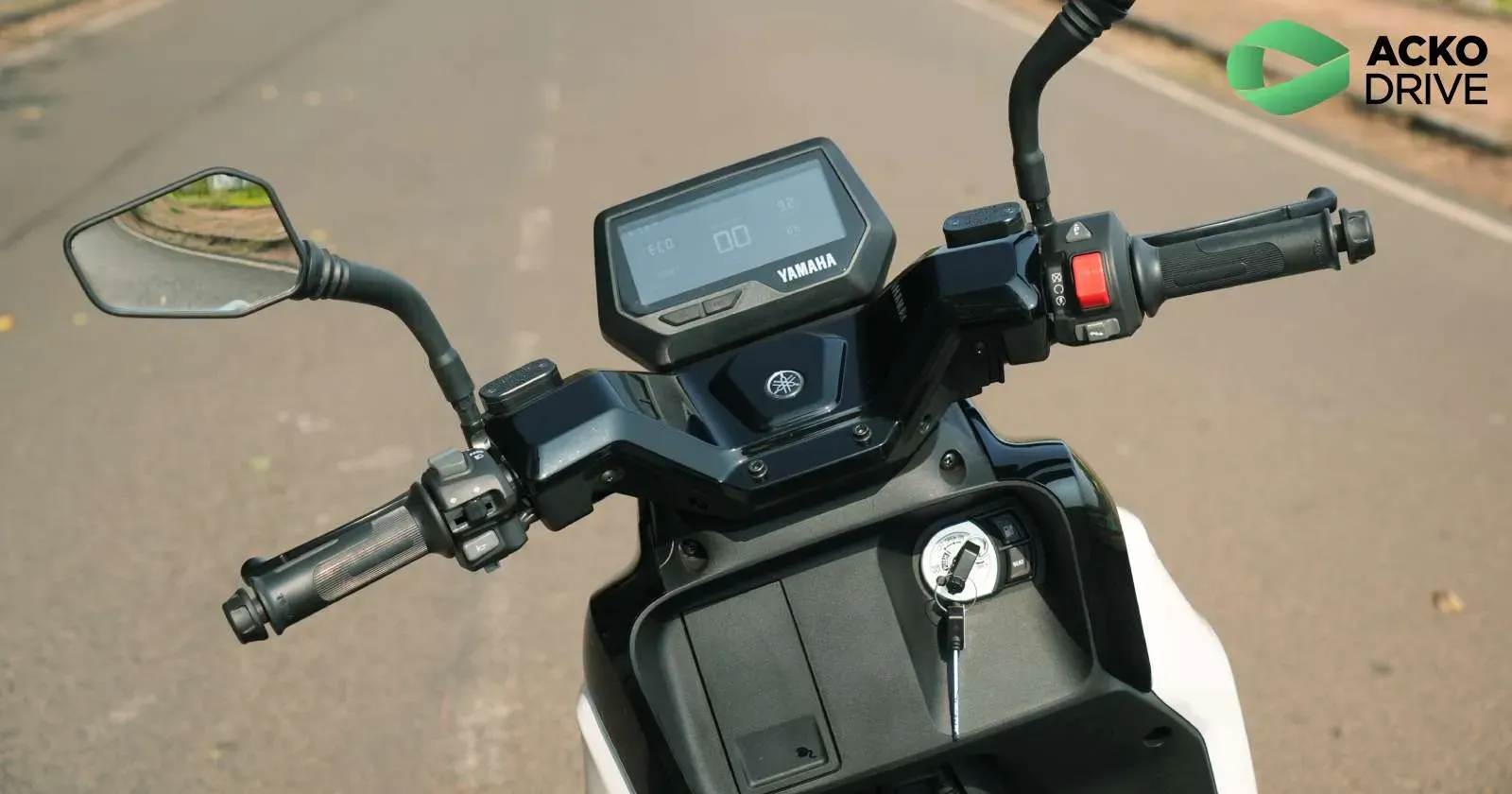
The EC-06 skips the front glovebox. Instead, you have the charging port and key slot in the same space. A luggage hook is tucked under to carry knick knacks. The changes help Yamaha save about 3 kilos over the Indie with a EC-06 tipping the scales at 132 kg. A big miss is the absence of a USB charging port, which is nearly a standard feature across most e-scooters.

The EC-06 gets a wide seat, and is quite supportive. The seating position is comfortable and the cushioning is done well too. Both the rider and pillion have enough space to move around. The floorboard is nice and flat. You sit slightly knees up, thanks to the battery placed under the floorboard. This also compromises the knee room to an extent, especially for tall riders. The handlebar is well-placed albeit slightly lower than my liking, but the overall riding posture is comfortable.
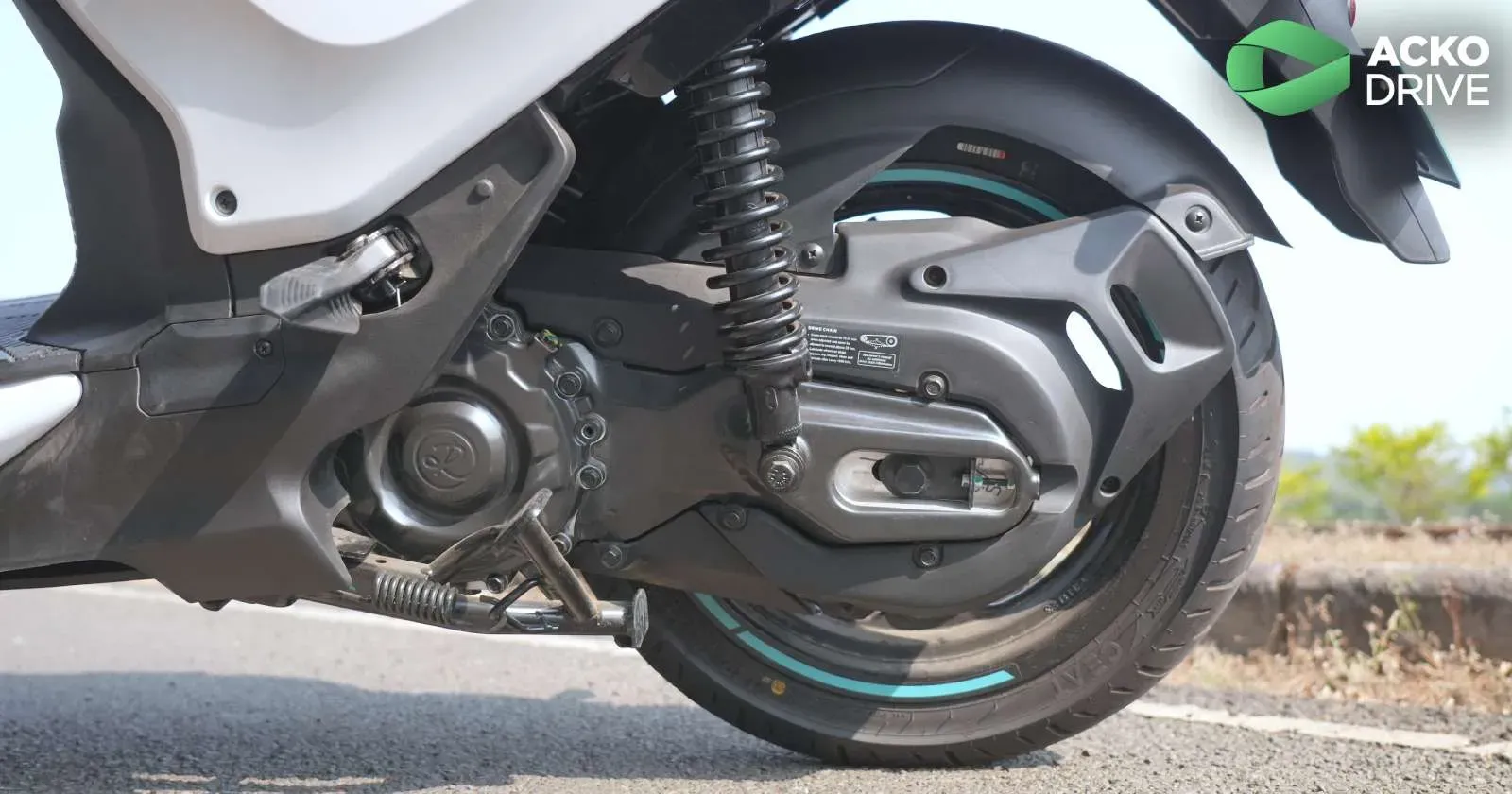
The EC-06 shares its underpinnings with the River Indie, including the chassis, battery, and motor. Power comes from a PMS motor that develops 6.7 kW or about 8.9 bhp and 26.4 Nm of peak torque. The numbers are identical, but the EC-06 tops out at 79 kmph, 11 kmph lower than the Indie. It is tuned by Yamaha differently and is slightly more aggressive to ride. You feel that it's a little more urgent; a little more aggressive at the lower end of the power band. That urgency is nice. The bigger wheels further add to the confidence at high speeds and around a corner.
You have three riding modes: Eco, Standard, and Power. I've been largely riding in Power mode across gradients, and the scooter feels quite responsive. 0-40 kmph comes up quickly and you reach up to 60 kmph in no time. The throttle response is crisp and finely tuned. Power delivery is extremely smooth and quite likeable. With most folks riding this in the city, a lot of people will enjoy it. Choose the Eco mode strictly out of range anxiety, given that speed is limited to 30-32 kmph. You will find yourself sticking to Standard and Power for the most part.

Handling is equally impressive. This is a fun little scooter and likes being thrown into corners. It’s agile with the 14-inch wheels holding up very well. While I spent limited time with the scooter during my first ride, I have high hopes when it comes to manoeuvrability in dense city traffic, something I plan to test later when I have the scooter for a longer period.
The trade-off though is the suspension setup. Yamaha says the spring rates are different and so is the damping on the scooter. The suspension is on the stiffer side, as opposed to the Indie which gets a softer setup. Undulations are very evident, and you really have to slow down on a bad patch. That’s a trade-off you might not want to make.
Another change that Yamaha has made is to the braking feel on this scooter. The hardware remains the same, but the bite point is slightly different. The Indie is slightly spongy when it comes to the brakes, but isn’t bad at all, whereas this just feels sharper on the lever.

The feature list covers the essentials including all-LED lighting, an LCD screen, Bluetooth connectivity with music, call and SMS alerts, and ride stats on the Y connect app. There is no navigation, which is a miss. The LCD screen will feel dated when you compare to rivals such as the Ather Rizta and Ola S1 Pro. The EC-06 also gets hill hold and combi-braking system as standard.
ALSO READ: Yamaha Aerox e First Ride Review: Does EV Trump ICE?
Yamaha claims a range of 169 km (IDC) on a single charge from its 4 kWh battery pack. That’s 6 km more than the River Indie. The Power mode consumes the battery the most but remains available even when the state of charge drops below 50 per cent. Charging time is decent, and the scooter takes about 8 hours (0-80 percent) to charge using the 480 Watt charger, while 0-100 percent will take about 10 hours. Yamaha will offer a 750-watt fast charger with the EC-06 as an option, much like River does with the Indie.

The Yamaha EC-06 is priced from ₹1.68 lakh (ex-showroom), and is available in a single configuration. At this price, it’s more expensive than the Rizta, S1 Pro and TVS iQube ST, but more affordable than the Suzuki e-Access. I do think it organically feels like a Yamaha model and is a good promise of what Yamaha and River can bring together.
Does it justify that price? For starters, the fit and finish is nice. The ride quality isn’t that great, but the handling is fantastic and so is the performance. It feels true to the Yamaha DNA. I do think this scooter could have been slightly more affordable, and that would have just made this a better deal for Yamaha customers. With this pricing, it will be more of a niche model than a mass-market one, but it's a good start to see what's coming from Yamaha in the electric mobility space.
Royal Enfield Guerrilla 450 Apex Review - Apex Predator?
Arun Mohan Nadar 28 Apr, 2026, 8:24 AM IST
Royal Enfield Flying Flea C6 First Ride Review
Arun Mohan Nadar 15 Apr, 2026, 5:24 AM IST
2026 Triumph Speed 400 & Scrambler 400X First Ride Review
Arun Mohan Nadar 14 Apr, 2026, 7:57 AM IST
VinFast MPV 7 First Drive - Electric 7-Seater For The Masses
Sameer Fayaz Contractor 6 Apr, 2026, 6:31 AM IST
Yamaha Aerox e First Ride Review: Does EV Trump ICE?
Sameer Fayaz Contractor 30 Mar, 2026, 3:46 AM IST
Looking for a new car?
We promise the best car deals and earliest delivery!