
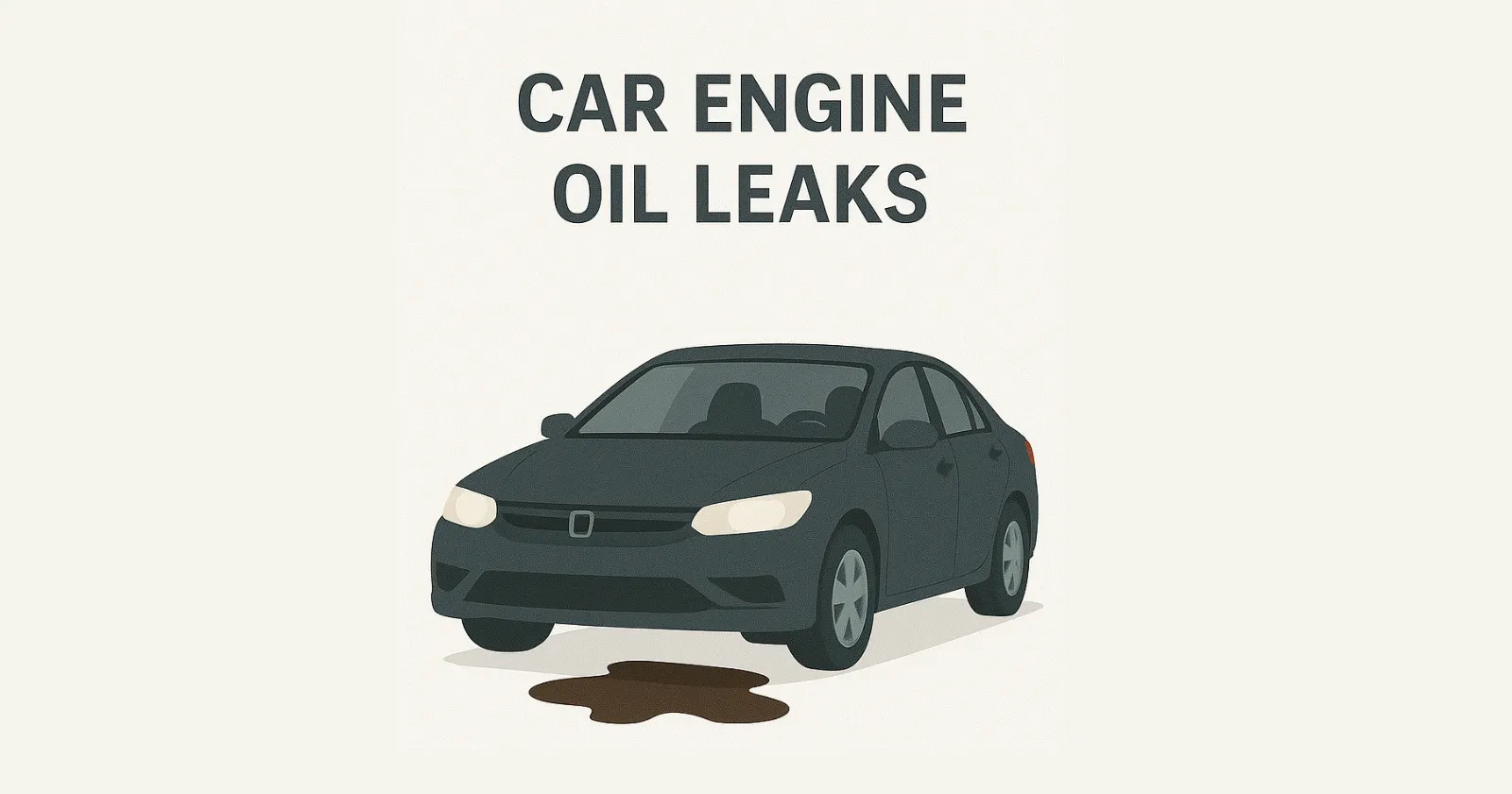
Have you smelled burnt odours while driving, or do you see evidence in the form of small dark patches under your parked car?Well, if yes, your car may develop an engine oil leak, a problem that drivers often overlook until it becomes very costly to repair.An engine oil leak may seem insignificant on the surface, but it could indicate deeper issues within the car's system. It can reduce engine lubrication, which increases friction and causes premature wear and tear. Knowing the symptoms early will help you take preventive measures and avoid possible breakdowns.This blog covers everything you need to know about engine oil leaks, including causes, early signs, and ways to fix or prevent them for smoother and safer driving.
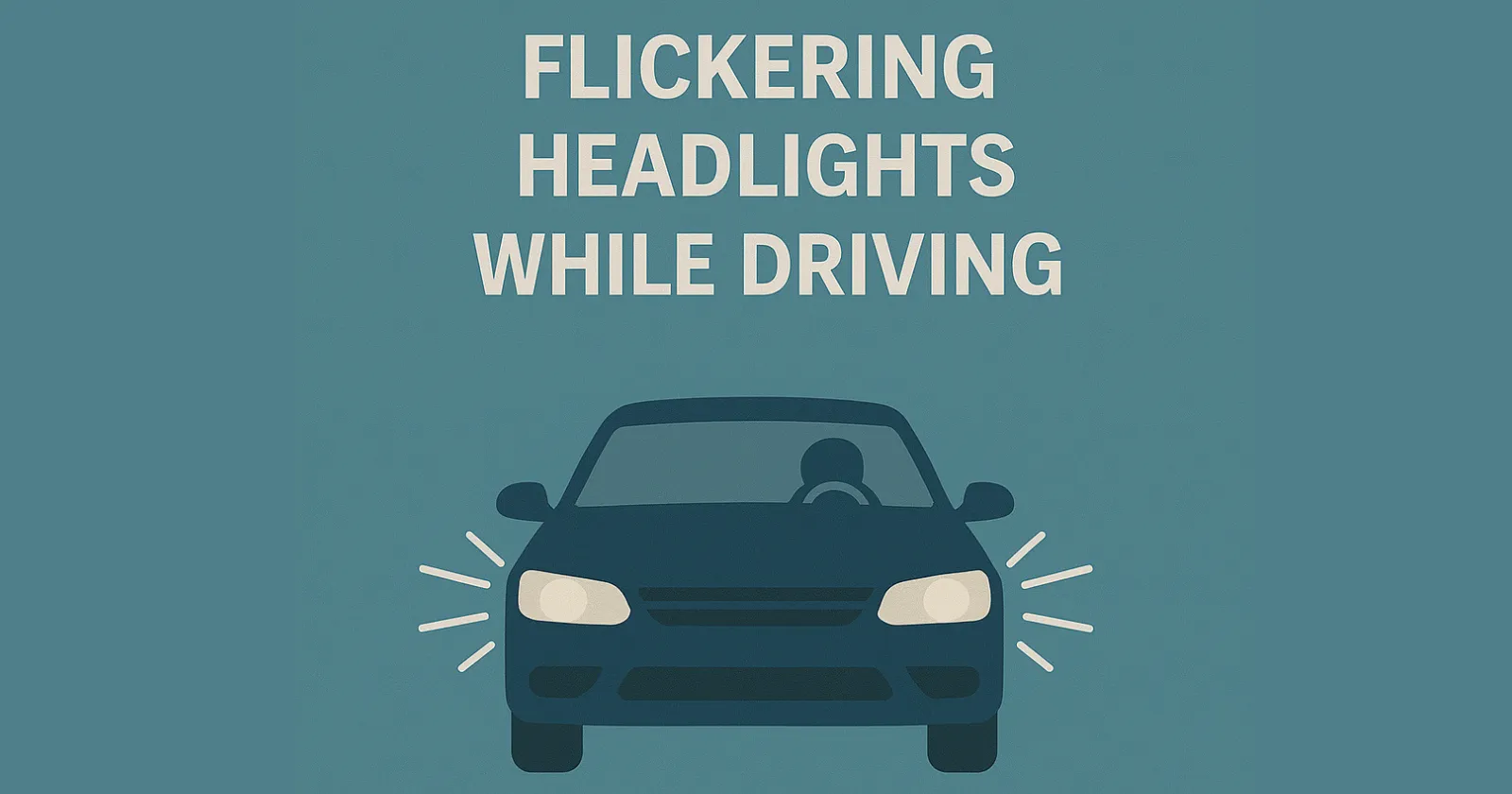
Flickering headlights while driving can be both frustrating and, more importantly, unsafe. When you are driving through dark city streets or on a foggy highway, steady lighting is essential for clear visibility. The flickering lights are a common indication of some hidden electrical problem that should be addressed.This blog “throws light” on what makes car headlights flicker, what typical characteristics are signs of a problem, and what can be done practically in order to repair or avoid it.Whether your vehicle is powered by weak batteries and broken alternators, or loose wiring, knowing the cause of the problem can make your vehicle safe and highway worthy.
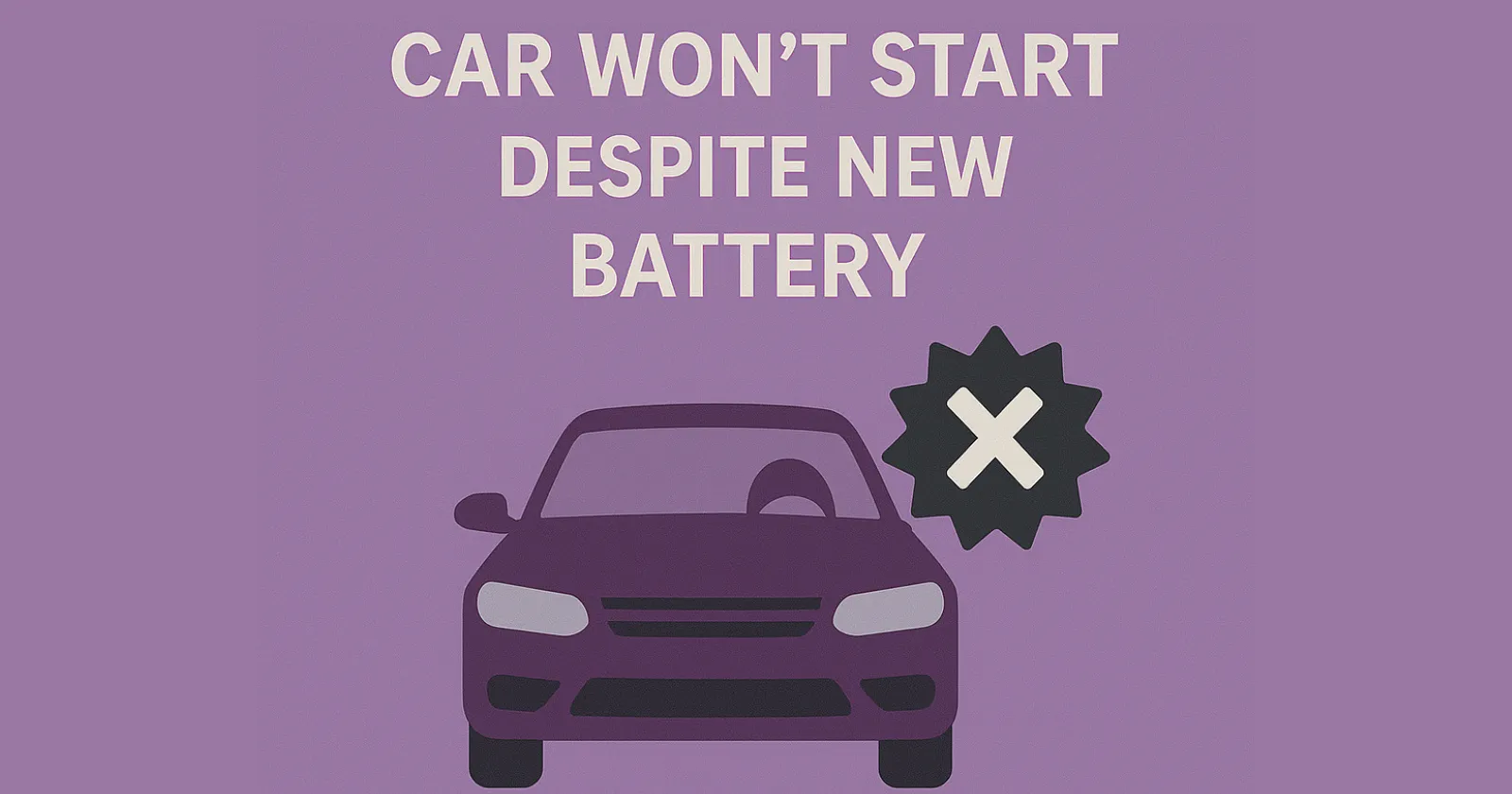
Your car was recently serviced, the battery was replaced, and everything seemed fine. But today, when you try to start it, nothing happens, and there is no sound from the engine, leaving you unsure of what’s wrong. The issue could be with the starter motor, charging system, or another electrical part.The good news is that if it’s not engine-related, it’s usually easier to diagnose and fix. You just need to know the potential causes and solutions.This blog discusses why your car may not start even if the battery is new. It also outlines the signs to look out for and how to resolve the issues before they lead to costly repairs.
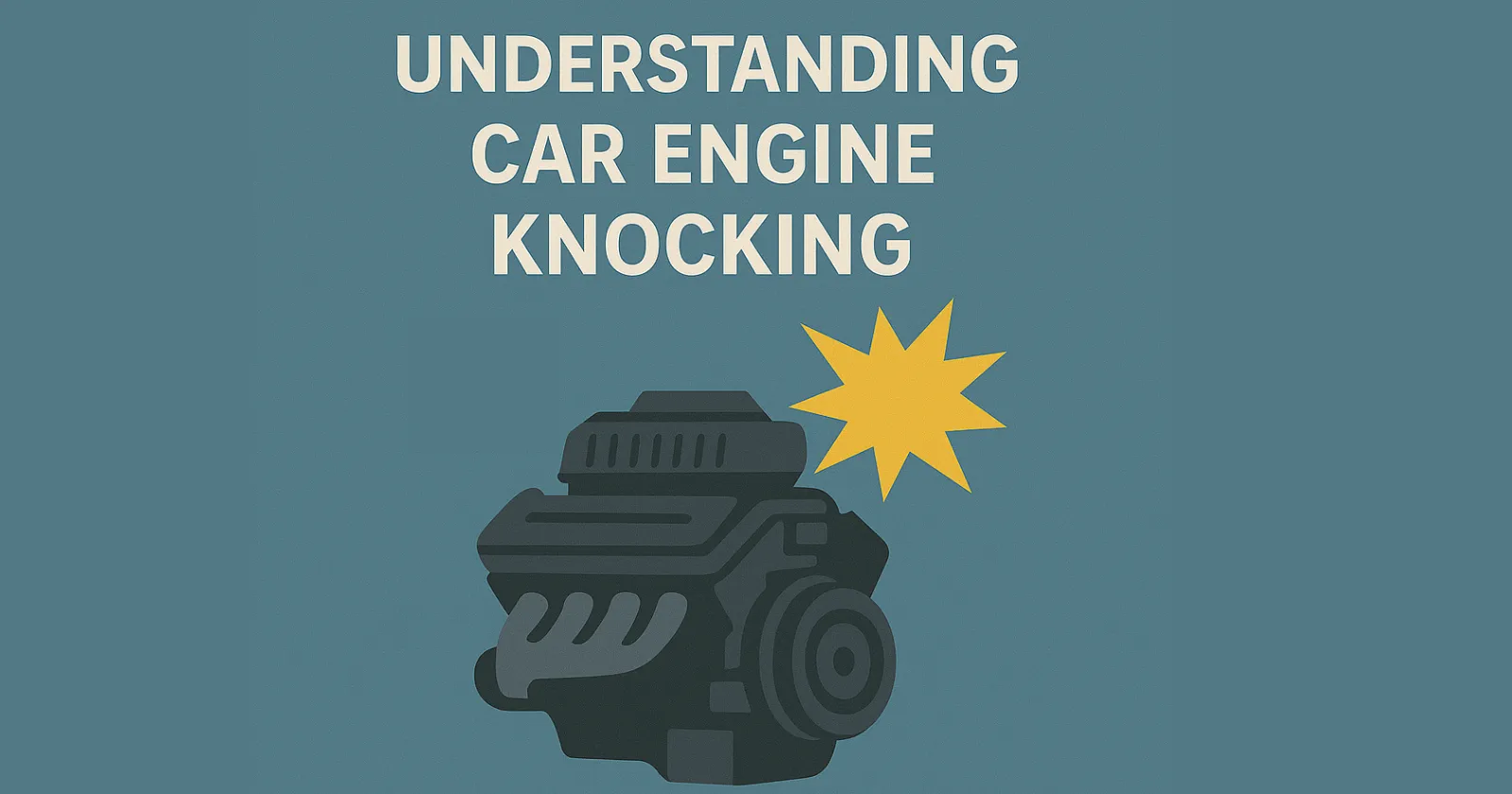
A knock on a car engine can be the most frightening noise for the owner of the vehicle. A knock, as it usually occurs, generally means that something inside the combustion process or even inside the engine is not operating as it should.Engine knocking, also sometimes called pinging, tapping, or rattling, occurs when fuel in one or more cylinders burns unevenly or prematurely. If not treated, chronic knocking can cause catastrophic engine damage. Knowing the causes of engine knocking and how to fix it is essential to ensuring car performance, fuel economy, and lifespan.This article addresses the primary causes of engine knocking, the typical signs that the phenomenon occurs, and the best way to correct or prevent it from causing expensive repairs is emphasised.
Car exhaust typically releases clear smoke when in motion, which is normal and not a cause for concern. However, if the exhaust smoke turns any colour, whether black, white, or blue, it indicates a potential issue with the engine.Many car owners may overlook this, thinking it's nothing serious, but it often signals a problem that needs immediate attention to prevent expensive repairs later on. Understanding the meaning of different smoke colours can help you identify issues early and keep your car running smoothly.This blog discusses the different kinds of exhaust smoke, their causes, and warning signs to prevent such problems. It also explains the various solutions you can apply when in trouble.
Several cars break down every day, leaving drivers stranded on the roadside with no help in sight. It is an unfortunate situation, and no one should be in it. Therefore, it is better that you detect the early signs your engine is showing, to save expensive repairs and prolonged headaches.One of the red alerts is when your car is losing power, and the engine isn’t accelerating as smoothly as it used to. Now, before we understand how to cater to this problem, let’s look into why the engine loses power. It will help navigate through the right solutions and prevent those issues in the future.
Have you ever felt your car jerk unexpectedly, hesitate, or shake while driving?Maybe it struggles to speed up or vibrates when idling at a stop. These are common signs that your car’s engine might be misfiring.An engine misfire happens when one or more cylinders in the engine don’t work properly. In simple terms, part of the engine isn’t firing like it should, which makes your car run unevenly. If ignored, misfires can lead to serious damage and costly repairs.This guide will help you understand the common causes of engine misfires, how to spot them, and what steps you can take to prevent or fix the problem before it becomes expensive.
The Indian motorcycle industry remains the largest in the world, with over 15 lakh units sold in September 2025. Demand continues to rise steadily, driven by a few key factors: higher petrol prices pushing customers towards fuel-efficient bikes, the strong appeal of affordable models, and a surge in festive buying ahead of Navratri and Diwali.Motorcycle manufacturers such as Hero MotoCorp, Honda, Bajaj, TVS, and Royal Enfield continue to dominate the charts, proving that Indian riders still value reliability, performance, and practicality. Read on to know more about the best-selling bikes in India.
The Auto Expo 2025, also known as the Bharat Mobility Global Expo 2025, showcased a wide range of two-wheelers. This article focuses on the bikes unveiled at Auto Expo 2025. For anyone planning to buy a bike in the coming months, these models grabbed attention for being powerful, stylish, and packed with modern technology.
For some riders, motorcycles are companions on long rides, for others, they are about personal identity, and for many, they bring back memories of simpler times. Over the last few years, the craze for retro-style bikes has grown massively. Riders today want bikes that look old-school but still come with modern-day performance, safety, and technology.Many brands are bringing back that classic charm, but in new, reliable, and powerful avatars. Read on to explore the list of upcoming retro-style bikes in India.
Tata Altroz Mileage: Real World vs ARAI Mileage
Team Ackodrive 10 Mar, 2026, 11:39 AM IST
Maruti Suzuki Baleno Mileage: Real World vs ARAI Mileage
Team Ackodrive 10 Mar, 2026, 10:42 AM IST
Best 150cc Bikes: Balancing Power and Efficiency
Team Ackodrive 10 Mar, 2026, 9:36 AM IST
Bajaj Platina 110: The Mileage Champion
Team Ackodrive 10 Mar, 2026, 6:10 AM IST
Mahindra Scorpio N Mileage: Real World vs ARAI Mileage
Team Ackodrive 10 Mar, 2026, 5:21 AM IST


Looking for a new car?
We promise the best car deals and earliest delivery!
