How the TOTMs are judged
Three juries choose the winners. The car and bike juries drive and ride every eligible vehicle at the Buddh International Circuit, one full day for the cars and one for the bikes, consider each on six criteria, and then debate and vote for each winner. The communications jury judges the Marcom TOTMs on written entries, online interviews and, for the shortlist, a round in person. The two Viewers’ Choice awards are decided by public vote. The whole process is conducted and certified by Grant Thornton Bharat, the Knowledge Partner.
Which cars and bikes are eligible
Every car, motorcycle and scooter on sale in India during the eligibility window is considered. The list of eligible vehicles is published before testing begins, so no vehicle can be quietly left out, and no manufacturer can enter one that is not on sale. Manufacturers do not pay to enter. They cannot buy a nomination, and sponsoring the ceremony makes no difference to eligibility or scoring.
For the 2027 TOTMs, the eligibility window runs from 1 December 2025 to 30 November 2026.
Being added to the record
The on-sale definition used, and the cut-off for homologation, to be supplied by the awards team and stated here verbatim.
record · methodology-eligibility-window
Who sits on the three juries
There are three separate juries: cars, bikes and communications. Most jurors are racers, engineers, journalists and industry figures from outside ACKO, among them Jens Meiners, founder of German Car of the Year; Steve Fowler, former editor of Autocar and What Car?; and Dr V Sumantran.
Some jurors work at ACKO Drive — among them its Editor-in-Chief, Siddharth Vinayak Patankar, who sits on the steering committee of the World Car Awards. He scores alongside the other jurors, and they are named with everyone else on the jury.
ACKO Drive runs these awards, and it also sells cars. So the process is published, the jury is named, and an external firm checks the scoring.

Car jury
Motoring journalists, racers and industry figures, among them World Car Awards jurors and the founder of German Car of the Year. They drive every eligible car, from compact SUVs to luxury and performance cars, in one full day at the Buddh International Circuit, then score each on the six criteria before any discussion.

Bike jury
Motorcycle journalists, racers and industry figures. They ride every eligible motorcycle and scooter, from commuters and electric scooters to adventure bikes and superbikes, in one full day at the Buddh International Circuit, then score each on the six criteria before any discussion.
Communications jury
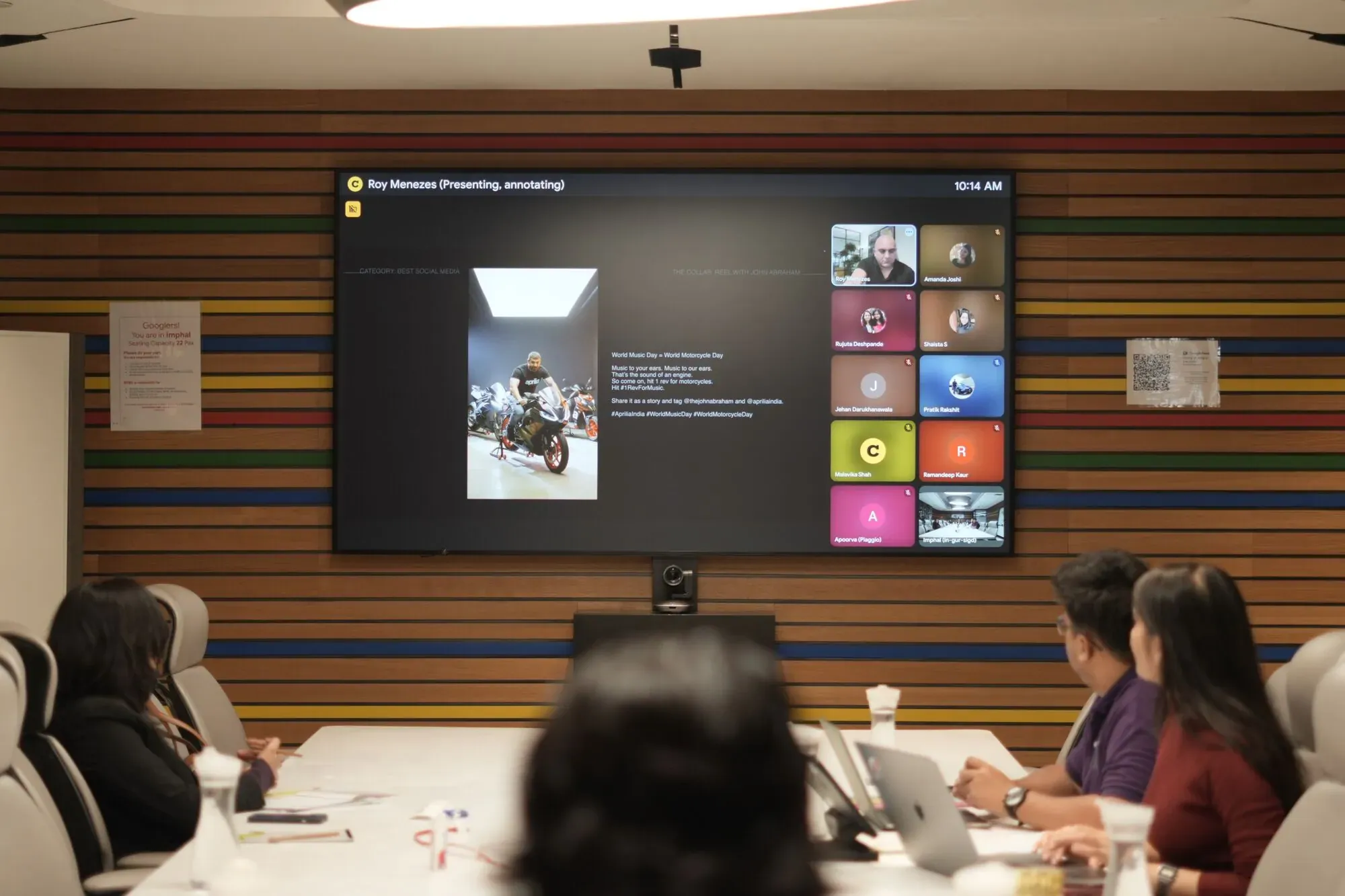
Experts in advertising, marketing and PR judge the Marcom TOTMs. They review every entry, interview every entrant online, and meet the shortlisted entrants in person.
How the cars and bikes are tested
Testing takes place at the Buddh International Circuit over two days: one full day for the bikes and one for the cars, with every nominee there. There are no set laps. Jurors have the whole day to drive and ride each vehicle as they see fit, on the same track in the same conditions, so vehicles are compared directly, not from memory of test drives months apart.
Jurors consider each nominee on the six criteria below, and then debate and vote for each winner. If a vote is tied, the jury’s chairperson has the deciding vote.
Being added to the record
The scoring scale used, whether scores are absolute or relative, and whether any category is decided by discussion rather than score. Supplied by the awards team, stated here in full.
record · methodology-testing-protocol
The six criteria every vehicle is judged on
They are the same for every car and bike award, every year.

Performance
Performance
How the vehicle goes: acceleration, braking and how it holds its speed. This is what the circuit is for. Every vehicle is driven or ridden on the same track, on the same day, by the same jury.
Handling

How it steers, grips and stays composed through corners and quick changes of direction — what a circuit shows that a drive on the open road does not.
Comfort

Ride, seats, noise and how easy the vehicle is to live with: what an owner feels every day, judged from the driver's seat or the saddle.
Technology

The vehicle's technology, and whether it works: powertrain, electronics, driver assistance and infotainment, tried in use on the day rather than read off a specification sheet. A feature that cannot be used while driving counts against the vehicle, not for it.
Safety

Structure, airbags and seatbelts, driver assistance, and crash-test results where an independent rating exists. If Bharat NCAP or Global NCAP has rated the vehicle, the jury has that rating in front of it.
Value for money

What the vehicle gives for its price against its rivals in India: equipment, quality and the cost of owning it, not the price alone.
How the Marcom TOTMs are judged
The Marcom TOTMs recognise the most creative and innovative efforts of the year in automotive advertising, marketing, PR, and communications, as well as the people behind them. Manufacturers are invited to submit online nominations across multiple categories including ad films, community building programmes, and use of AI, which are then evaluated by the jury of experts. Additionally, the jury votes to recognise a Brand of the Year, Brand Ambassador of the Year, Marcom Person of the Year, and other individual and team honours.
- 1
Call for Nominations
Brands are invited to submit entries in as many categories as they want to participate in.
- 2
Entries
Nominations are received in the form of documents and campaign materials for the jury to evaluate.
- 3
Online Interviews
Every nominee showcases and explains their work, which the jury then shortlists to determine finalists.
- 4
In-Person Presentation
Shortlisted teams meet the jury to answer questions and discuss their work.
- 5
Final deliberations
Jury members debate in private to declare winners, with Grant Thornton representatives overseeing and certifying each vote.
Being added to the record
What the communications jury judges entries on. Supplied by the awards team, stated here in full.
record · methodology-marcom-process
How the Viewers’ Choice vote works
There are two Viewers’ Choice awards, one for a car and one for a bike, and the public decides both. Anyone with an ACKO account can vote, once per edition, from the ACKO app or this site, and a vote is final once it is cast. Vote counts are not published; the winners are announced at the ceremony.
The jury has no part in this result and cannot overturn it. Every Viewers’ Choice result and badge is labelled as a public vote, so it is not mistaken for a jury decision.
Being added to the record
The consent text shown before a vote is cast, and how Grant Thornton Bharat audits the count.
record · methodology-vote-counting