What Is a Clutch Plate?
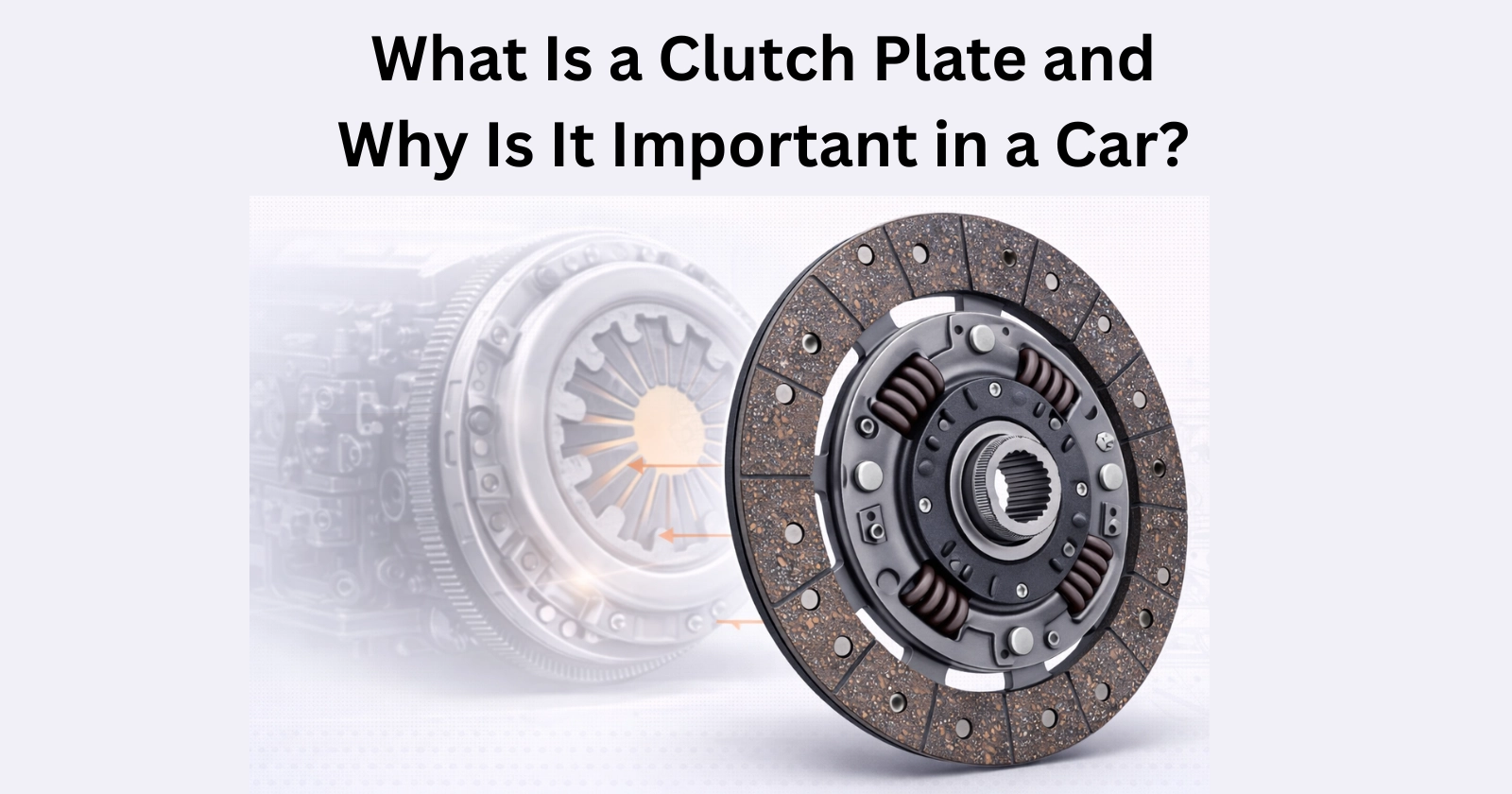
The clutch disc is also called the driven disc, the friction disc, or sometimes simply the clutch. The component is a thin, circular metal disc that is covered on each side by friction material. It is located between the flywheel and the pressure plate on all manual transmission vehicles. The clutch disc has a hub with a splined shaft, which allows it to fit on the input shaft of the transmission and rotate at the same time as the input shaft.
Today's clutch discs can be made from a variety of different materials including organic, ceramic, and Kevlar, which allow the clutch discs to remain durable and to resist high temperatures. Clutch discs are generally 200 mm—300 mm in diameter depending upon the size of the vehicle.
The design of the clutch disc is an important balance between grip, heat dissipation, and durability, making the clutch disc a critical part of any manual transmission car.
How a Clutch Plate Works
The Clutch plate makes it possible to control the power going to the transmission from the engine by connecting and disconnecting the two via friction.
- When you push down on the clutch pedal, springs inside the pressure plate push down on the clutch plate and hold it firmly onto the flywheel. By doing this, the engine’s power is connected to the input shaft of the transmission.
- When shifting gears, when you press down on the clutch pedal, you are moving the release bearing, which lifts the pressure plate and releases the clutch plate to turn by itself.
- To get started smoothly, when you let up on the clutch pedal, you allow some slip to occu,r which allows you to slowly gain torque and avoid any jerking movement.
- The splined hub allows the clutch plate to move back and forth along the shaft while at the same time transmitting rotation, thereby preventing any grind between the gears.
- The clutch plate has vents and is made of materials that allow for heat to be dissipated away from the clutch plate and keep it from becoming too hot.
The clutch plate depends on various components to function efficiently and to create seamless shifts.
Flywheel
The flywheel is a large disc made of heavy steel that is fastened with bolts to the engine crankshaft. The flywheel acts as a surface for the clutch plate to attach to, providing it with a smooth, machined surface, as well as storing rotational energy from the engine, which provides a means of smoothing the engine's power pulses. When engaging the clutch, the clutch plate will press against the flywheel, transferring torque from the engine's crankshaft to the drive wheels or propeller shaft, depending on the vehicle.
Pressure plate
The pressure plate is the component of the clutch assembly that clamps the clutch plate to the flywheel using either diaphragm springs or coil springs to ensure an equal load across the entire surface of the clutch plate. The pressure plate is bolted to the clutch cover, and, once engaged, creates between 1000-2000 kg of pressure, holding the clutch plate to the flywheel.
Clutch release bearing
When you step on the clutch, the bearing pushes against the diaphragm spring fingers of the pressure plate. This creates a smooth disengagement of the clutch and prevents metal parts from grinding together. You can use either hydraulic or cable systems to activate the bearing. If the bearing fails, it produces a noise—in which case, you will usually have to replace the entire clutch.
Clutch cover and diaphragm spring
The clutch cover is the part that houses the pressure plate and diaphragm spring, and is bolted to the flywheel. The diaphragm spring is a cone-shaped, flexible disc that applies clamping force when you step on the clutch. The diaphragm can also automatically adjust to help maintain an even amount of wear on it.
Why the Clutch Plate Is Important
The clutch plate is critical for safe and efficient driving because it allows an accurate connection between the engine and transmission.
- The clutch plate allows for the complete disengagement of power to the engine when the vehicle comes to a stop, preventing it from stalling.
- Smoother shifting of gears allows for finger-tip ease of operation without harming the transmission.
- Launches from a stop can be controlled, especially on inclines and in heavy traffic.
- Torque shock absorption protects the gearbox and drivetrain from damage.
- Maximises fuel consumption by maintaining a steady, smooth transfer of energy from the engine to the wheels.
Signs of a Worn or Failing Clutch Plate
By detecting clutch plate problems early on, you will not only save on repair costs, but also prevent yourself from getting stuck.
- Slipping is when the engine RPM's increase, yet the car does not move. This is particularly easy to notice when travelling uphill.
- Judder/shudder when the clutch is engaged, it creates vibrations through the car.
- Difficulty finding neutral or grinding gears: Difficulty finding neutral or grinding gears indicates that the clutch has not been fully disengaged.
- A burning smell indicates that the friction material is excessively hot.
- Soft or high bite point means that the clutch is worn out.
- The wear of the clutch plate can be accelerated by driving habits and a lack of maintenance.
Causes of Clutch Plate Wear
Driving habits and maintenance lapses accelerate clutch plate deterioration.
Frequent stop-and-go driving
There is a great deal of clutching done in City Traffic; this puts the clutch through many more friction cycles than highway driving. The constant stop-start will wear the lining at a much faster rate than done at highway speed (on Indian Urban Roads, this reduces the life of the Clutch Plate to approximately 40,000 km).
Riding the clutch pedal
Resting your foot on the clutch pedal at all times will keep the clutch partially disengaged, causing the clutch to slip and run hot constantly. Glazing happens to the clutch plate and flywheel prematurely.
Aggressive driving
When you accelerate aggressively, you launch your vehicle at high RPM's or shift the gears abruptly, you are subjecting the clutch to significant amounts of shock loading and heat generation, shredding the lining off of the clutch plate in a hurry. If you race or tow without taking care you will experience this wear very quickly.
Incorrect clutch adjustment
Improper clutch adjustments may occur due to the presence of air bubbles in hydraulic systems or cable stretching in cable systems. Air bubbles will cause clutch pedal travel to be altered and keep the clutch partially engaged or cause dragging. The clutch system should be regularly bled.
Maintenance and Replacement
Maximising clutch life and minimising downtime through proactive care.
Recommended inspection intervals
Routine inspections are performed every 10,000-kilometre service or annually. Equipment checks can include listening for sounds, monitoring pedal motion, and testing for slippage on hills. Mechanics will also determine lining thickness.
When to replace the clutch plate
A clutch should be replaced if the linings wear to below 1 - 2 mm, when slippage occurs, or when the pedal feels different. All components should be exchanged to maintain even weight distribution.
Typical costs and labour involved
In India, clutch kits range from ₹3000 - ₹15000 depending on the vehicle model; labour ranges from ₹2000 - ₹5000. The entire process can take 4 - 8 hours. Premium organic plates typically last longer but cost more than standard plates.
Tips to extend clutch life
Make your gear shifts without any jerking, and do not allow our engine to be lugged down when using high gears. Always use your engine braking when travelling downhill. When you park, leave your vehicle in gear to reduce strain on your vehicle's hydraulic system. Ensure that there is enough hydraulic fluid available in your hydraulic system.
Bottom Line
The clutch plate is what powers all manual shifts and should be treated with respect through well-planned driving habits and proper scheduled servicing. If you are able to identify signs of excessive wear on your clutch plate, you risk damaging the entire gearbox and being left without a vehicle. Quality replacements and driving habits, such as not riding the clutch, will help you get the full 100,000 km of use out of your clutch plate. Smooth clutches provide you with confidence while driving, improved fuel economy and lower maintenance costs for the Indian roads that are full of traffic and challenging terrain.
Frequently Asked Questions