

The Centre is planning to expand the Unified Bharat e-Charge platform beyond its ongoing pilot phase as more charging network operators and electric vehicle manufacturers come on board, Hanif Qureshi, Additional Secretary at the Ministry of Heavy Industries, said on Friday at an event organised by the Society of Indian Automobile Manufacturers (SIAM) as part of its National EV Charging Day.
The platform, which brings multiple charging networks onto a common interface, has so far onboarded around 12 charging network operators, according to ANI. It is designed to allow electric vehicle (EV) owners to locate charging stations, access services and make payments across participating networks without having to use separate interfaces for different operators.
"We have made it available for pilot testing in five states. As the network becomes more robust, we will keep expanding it," Qureshi said on the sidelines of the inaugural Growth and Readiness for EV Infrastructure Dialogue (GRID).
Qureshi said the platform was jointly developed by NPCI BHIM Services Ltd and Bharat Heavy Electricals Ltd (BHEL). Most manufacturers across the electric two-wheeler, three-wheeler and four-wheeler segments have also been integrated into the system. However, he did not specify when the pilot would be extended to additional states.
Also read: Delhi Police Impound 17,506 End-of-Life Vehicles, Step Up Drive Against Polluting Vehicles
The Ministry of Heavy Industries had outlined the Unified Bharat e-Charge initiative in May, with the objective of bringing charging services offered by different operators onto a single platform. The move is intended to simplify the process of finding and paying for EV charging services across networks.
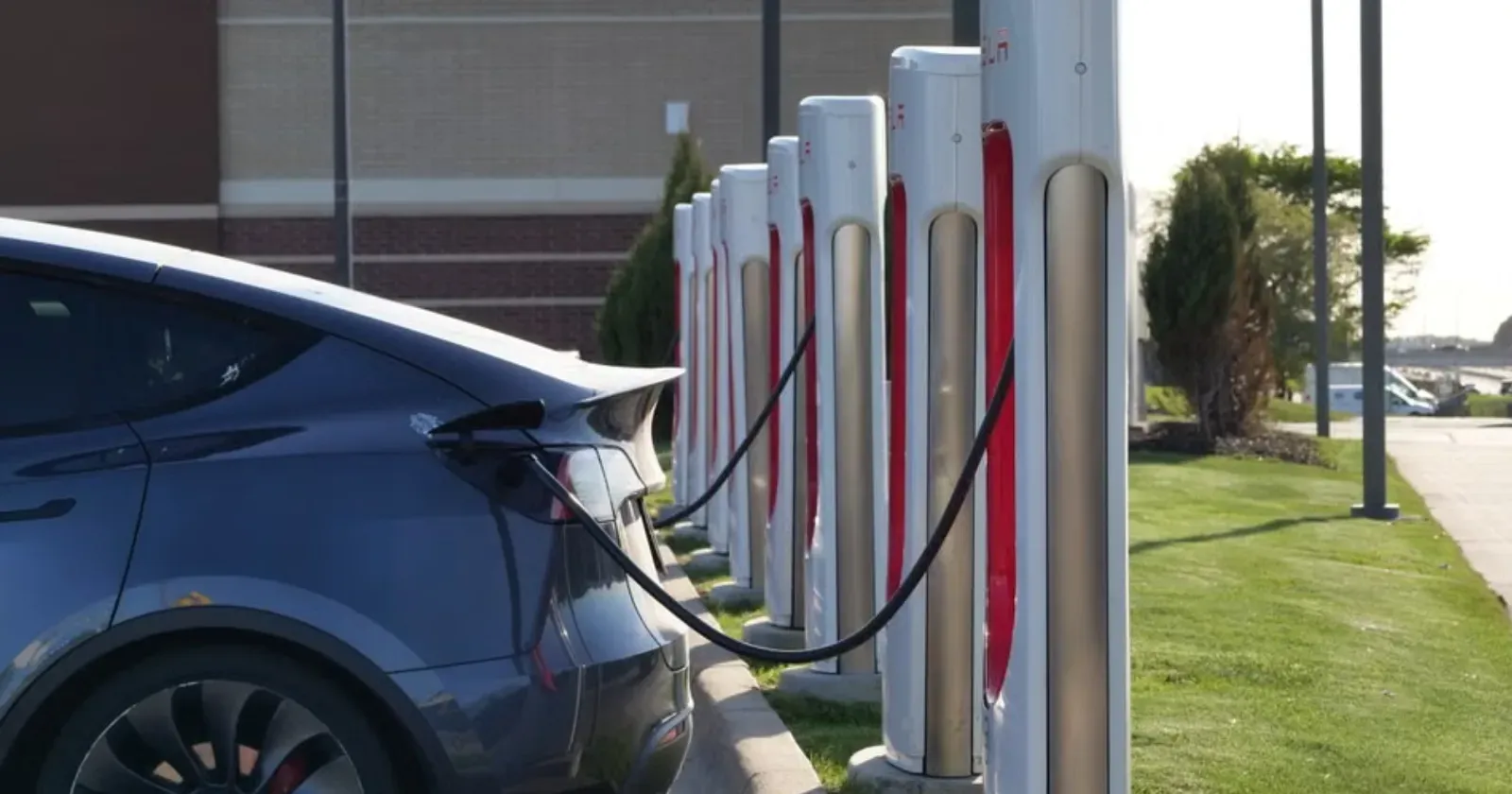
Alongside the digital platform, the government is supporting the development of physical charging infrastructure through a ₹2,000 crore allocation under the PM E-DRIVE scheme.
24 Freight Corridors, 50 Car Corridors Identified For Electrification
Qureshi said developing charging infrastructure along national highways was a priority, with the government identifying 24 freight corridors and around 50 corridors for passenger cars for electrification.
The minister also clarified that setting up EV charging stations does not require a licence, allowing private businesses to enter the segment without seeking government permission for the activity.
Qureshi said government subsidies were available in locations where private investment was unlikely to be commercially viable, providing support for charging infrastructure development in areas that may otherwise remain underserved.