
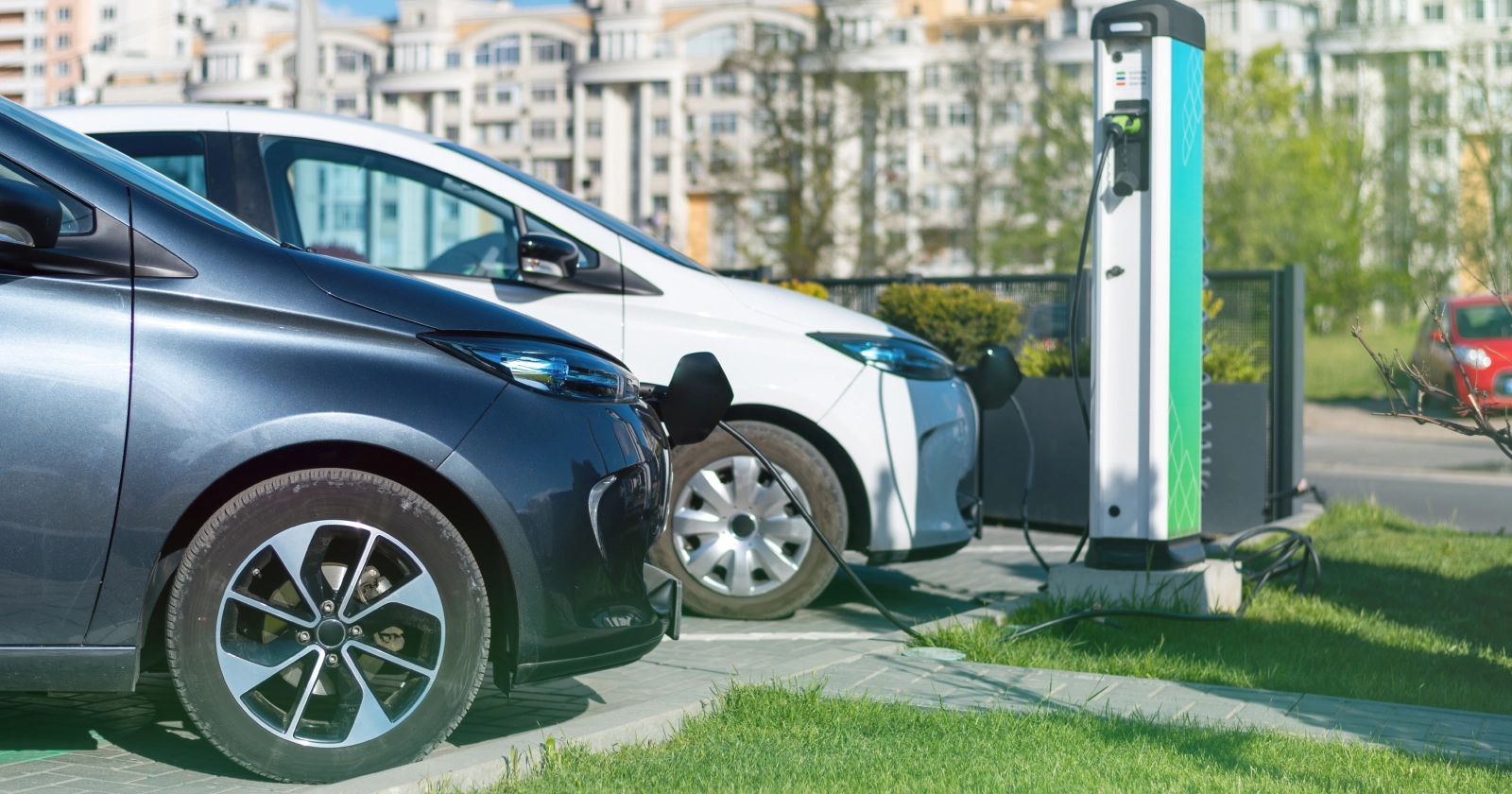
While India’s charging infrastructure has grown fourfold between early 2023 and mid-2025, a lot needs to be done when it comes to uneven distribution of chargers.



Share Post
While India’s charging infrastructure has grown fourfold between early 2023 and mid-2025, a lot needs to be done when it comes to uneven distribution of chargers.

India's electric vehicle (EV) ecosystem has been a focal point of the country's push toward sustainable mobility, with charging infrastructure playing a pivotal role. In 2025, the sector saw notable advancements driven by government policies, private investments, and technological integrations. However, persistent challenges like uneven distribution and low utilisation prevent the country’s EV ecosystem to scale new heights.
Let us look at how India’s EV charging infrastructure has evolved over time, what has led to these changes, where it currently stands, and the areas that need to be addressed in the coming year.
India’s public EV charging network has expanded rapidly in recent years, with official government data indicating a fourfold increase in charging infrastructure between early 2023 and mid-2025.
Month | Public Charging Stations |
Dec 2022 | 5,151 |
Dec 2023 | 11,903 |
Dec 2024 | 25,202 |
Apr 2025 | 26,367 |
Aug 2025 | 29,277 |
Dec 2025 | 39,485 |
This growth has been fueled by multiple factors:
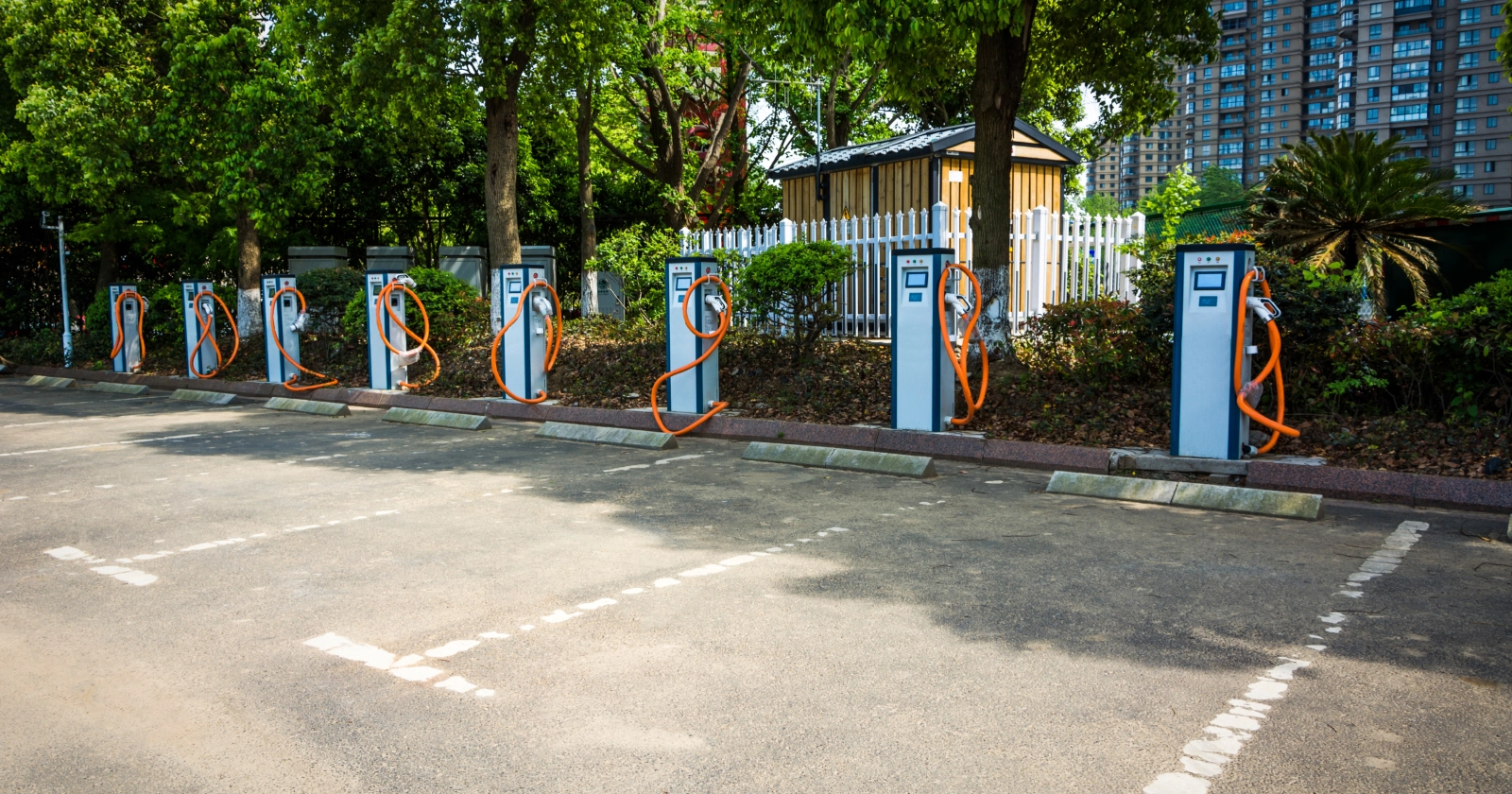
The surge in India’s EV charging infrastructure has been led largely by urban centers and highways. By April 2025, about 9,702 chargers were in Tier‑1 cities, 4,625 in Tier‑2 cities, and 12,040 in Tier‑3/smaller towns – showing that deployment has spread beyond big cities.
According to a report by Bolt.Earth, public EV charging is far more concentrated in urban areas and along major corridors than in remote regions. By April 2025, Tier-1 cities accounted for about 9,700 public chargers, compared with 4,600 in Tier-2 towns and around 12,000 across Tier-3 cities and rural areas, with smaller cities collectively overtaking Tier-1 centres by late 2024.
Despite this, large rural stretches still lack nearby charging access. Weak power infrastructure in semi-urban and rural areas — characterised by low capacity and fragile grids — continues to limit deployment of even 50 kW chargers in 2025. As a result, rural e-rickshaw and e-bus operators largely depend on battery swapping networks or depot-based charging rather than public roadside chargers.
Despite progress, several structural issues persisted, hindering widespread adoption and efficiency. According to a report by Institute for Transportation & Development Policy, India's EV-to-charger ratio remained poor at 1:235 in July 2025, far from the global 6:20 average. Here are some of the key stagnations that need to be addressed:

2025 marked a year of foundational progress, positioning India toward a target of one million charging points by FY2030. However, persistent challenges such as grid resilience and uneven deployment remain critical bottlenecks. With rising power demand from AI and data centres and the emergence of green hydrogen, 2026 could deliver meaningful breakthroughs if reforms like the Electricity Bill unlock greater private participation. Overall, despite faster adoption, gaps in charging accessibility continue to weigh on India’s EV transition.

Maruti Suzuki Inaugurates 200th Nexa Studio Outlet, Bets Big On Rural Market
Sameer Fayaz Contractor 27 Feb, 2026, 3:04 PM IST
Chinese Firm Reveals Detachable Range-Extending Generator for EVs
Acko Drive Team 27 Feb, 2026, 12:12 PM IST
Non-PLI Electric Two-Wheeler OEMs See Growth Plunge from 407% to –33%: Report
Acko Drive Team 27 Feb, 2026, 11:48 AM IST
51 Teams Compete as mBAJA SAEINDIA 2026 Opens in Narsapur
Acko Drive Team 27 Feb, 2026, 10:05 AM IST
Maharashtra Tops India PV Sales in Q3 FY2026 With 12.4% Share, Western Zone Leads All Regions: SIAM
Acko Drive Team 27 Feb, 2026, 9:39 AM IST

Looking for a new car?
We promise the best car deals and earliest delivery!
