


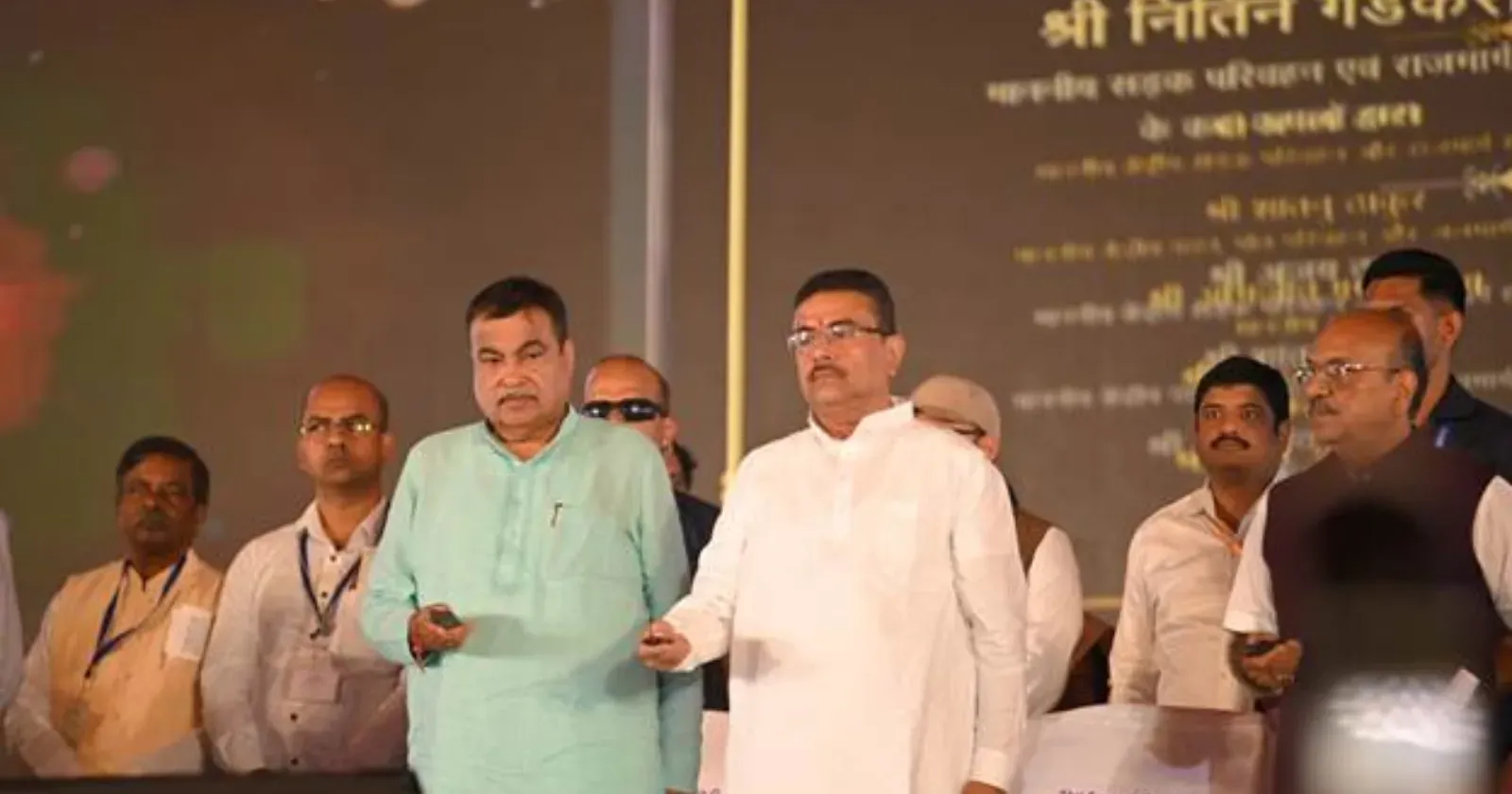
The Centre has announced a range of greenfield highway projects in West Bengal, including seven major corridors intended at improving connectivity with neighbouring states and reduce travel times between important cities. During an event at Kolaghat in Purba Medinipur district, Union Minister for Road Transport and Highways Nitin Gadkari outlined plans for the 820-km Varanasi-Kolkata expressway and the 570-km Gorakhpur-Siliguri highway, among other projects.
The proposed corridors are likely to strengthen road links to industrial and commercial centres, as well as tourism destinations across the region.
One of the projects already under implementation is the 231-km, four-lane Kharagpur-Moregram greenfield expressway, which involves an estimated investment of ₹10,000 crore. Construction has commenced, with completion targeted for October 2029.
The expressway is expected to cut the journey between Kharagpur and Moregram from the existing seven hours to around two-and-a-half to three hours. It will improve connectivity across six districts: Purba Bardhaman, Paschim Medinipur, Hooghly, Birbhum, Bankura and Murshidabad.
Varanasi-Kolkata Expressway To Cut Travel Time
Among the larger proposed projects is the 820-km, six-lane Varanasi-Kolkata greenfield expressway, estimated to cost ₹75,000 crore. Gadkari said its detailed project report (DPR) had been completed and submitted to the Union Cabinet for approval.
The corridor will have a 235-km stretch in West Bengal and connect with the Kharagpur-Moregram expressway near Ramjibanpur in Paschim Medinipur district.
Once operational, the expressway is expected to bring down travel time between Varanasi and Kolkata from approximately 12 hours to five hours.
Another significant project awaiting Cabinet approval is the 570-km, six-lane Gorakhpur-Siliguri greenfield highway, estimated to cost ₹38,000 crore.
The corridor will pass through Uttar Pradesh, Bihar and Jharkhand before entering West Bengal. It will also provide connectivity to Bagdogra airport. The project is expected to reduce the travel time between Gorakhpur and Siliguri from 14 hours to around six hours.
Gadkari also announced a 270-km Raxaul-Haldia expressway in West Bengal, with an estimated project cost of ₹17,000 crore. The proposed road is expected to strengthen connectivity between West Bengal, Bihar and Jharkhand.
Siliguri-Guwahati Corridor Proposed
The proposed 400-km, four-lane Siliguri-Guwahati high-speed corridor is another major project in the road infrastructure expansion plan. Estimated to cost ₹26,000 crore, the project has completed its detailed project report.
Gadkari said efforts would be made to commence construction during the current year. The corridor is expected to reduce travel time between Siliguri and Guwahati from around 10 hours to four hours, improving connectivity between West Bengal and Assam.
The minister also outlined two projects aimed at improving road access to northern West Bengal and the Himalayan region.
The 77-km Siliguri-Darjeeling greenfield road project, estimated to cost ₹6,000 crore, is currently at the DPR preparation stage. The proposed road is expected to bring down travel time between Siliguri and Darjeeling from three hours to one hour.
A separate 52-km, four-lane Siliguri-Sikkim road project, also estimated to cost ₹6,000 crore, has completed its DPR. The corridor will include tunnels and is expected to reduce the journey between Siliguri and Sikkim from three hours to approximately one hour.
Gangasagar Connectivity, Gosaba Bridge On Infrastructure Agenda
Apart from the seven major corridors, Gadkari said a dedicated road connectivity project to Gangasagar would be taken up to make travel easier for pilgrims. The proposal was among the demands raised by the chief minister.
Adhikari had also sought faster implementation of road projects connecting Joka, Namkhana and Digha, with the aim of improving access to tourism destinations and supporting economic activity along West Bengal's coastal belt.
The minister also highlighted the need for a bridge at Gosaba in the Sundarbans. He said the project was important for residents of the cyclone-prone region, particularly fishermen and people living in remote areas, who face connectivity challenges.