
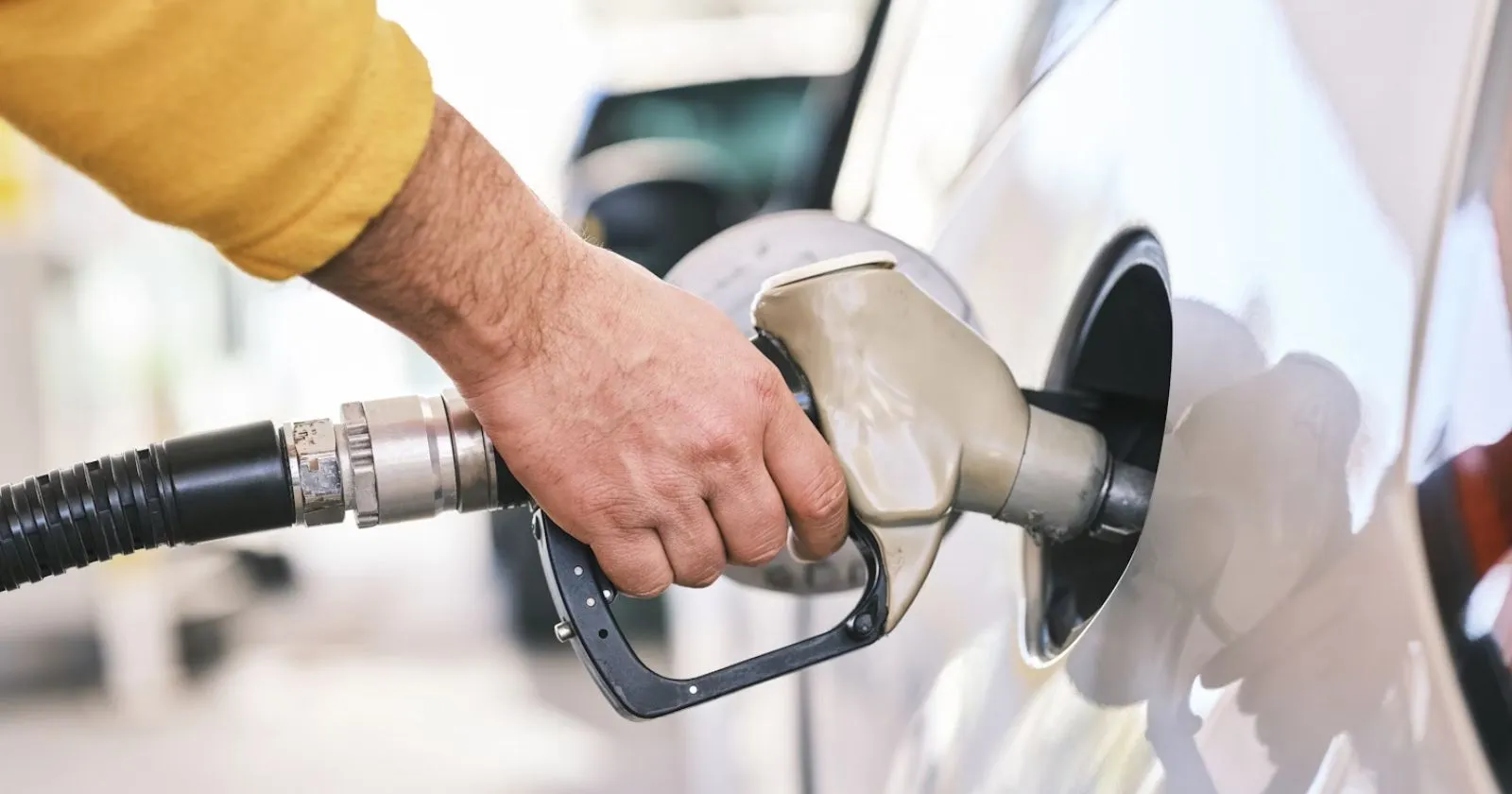
RON, or Research Octane Number, measures a fuel's resistance to engine knocking -- a condition in which fuel ignites unevenly inside the engine.


Share Post
RON, or Research Octane Number, measures a fuel's resistance to engine knocking -- a condition in which fuel ignites unevenly inside the engine.
The central government has ordered oil marketing companies to sell petrol blended with up to 20 per cent ethanol -- known as E20 -- with a minimum Research Octane Number (RON) of 95 at filling stations across the country from 1 April 2026, according to a notification issued by the Ministry of Petroleum and Natural Gas.
RON, or Research Octane Number, measures a fuel's resistance to engine knocking -- a condition in which fuel ignites unevenly inside the engine, producing a characteristic pinging sound, reducing power output and potentially causing lasting mechanical damage. The higher the RON rating, the more resistant the fuel is to this phenomenon. Ethanol carries a naturally high octane value of around 108 RON, meaning that blending it into petrol at 20 per cent actually improves knock resistance, making the RON 95 minimum relatively straightforward to achieve.
"The Central Government hereby directs that the oil companies shall sell Ethanol Blended Motor Spirit with percentage of Ethanol up to twenty per cent as per the Bureau of Indian Standards specifications and having a minimum Research Octane Number (RON) of 95, in the States and the Union territories," the notification from the Centre stated.
The government has built in a degree of flexibility, however. Under special circumstances, oil marketing companies may be permitted to sell ethanol-blended petrol that only meets the Bureau of Indian Standards' standard RON specification, without the 95 minimum, for specific regions or periods.
Ethanol is a renewable, domestically produced fuel derived from sugarcane, maize and other grains. It burns more cleanly than conventional petrol, making it a tool in India's efforts to cut carbon emissions and reduce dependence on imported crude oil. The programme also reportedly carries significant agricultural and economic benefits: by creating sustained demand for sugarcane and maize, it provides additional income for farmers and supports sectors dealing with agricultural surplus.
According to the oil ministry, India has saved more than ₹1.40 lakh crore in foreign exchange through petrol substitution since 2014-15.
India had originally set 2030 as the target for 20 per cent ethanol blending. That deadline was brought forward to 2025-26 after the country achieved 10 per cent blending in June 2022 -- five months ahead of schedule. Blending levels have risen steadily since then, reaching approximately 18 per cent by February 2025. Most filling stations in India now supply E20 petrol.
According to experts, a vast majority of vehicles manufactured in India between 2023 and 2025 have been designed to run on E20 fuel and are not expected to encounter significant difficulties. Older vehicles built for E10 petrol may experience a modest reduction in fuel efficiency, estimated at between three and seven per cent, as well as some increased wear on rubber and plastic components not designed for higher ethanol concentrations.

Honda Activa Records 5 Million Sales in Maharashtra
Acko Drive Team 26 Feb, 2026, 1:01 PM IST
2026 Ducati DesertX with V2 Power Revealed, India Launch in Q4 2026
Acko Drive Team 26 Feb, 2026, 12:20 PM IST
Govt Makes E20 Petrol with Minimum RON 95 Mandatory Nationwide Starting April 1
Acko Drive Team 26 Feb, 2026, 11:44 AM IST
India Must Adopt National EV Export Strategy as Global Sales Poised to Triple by 2030: FICCI Report
Acko Drive Team 26 Feb, 2026, 10:53 AM IST
Royal Enfield Goan Classic 350 Showcased At Tech Exhibition In Israel
Team Ackodrive 26 Feb, 2026, 8:11 AM IST

Looking for a new car?
We promise the best car deals and earliest delivery!
