
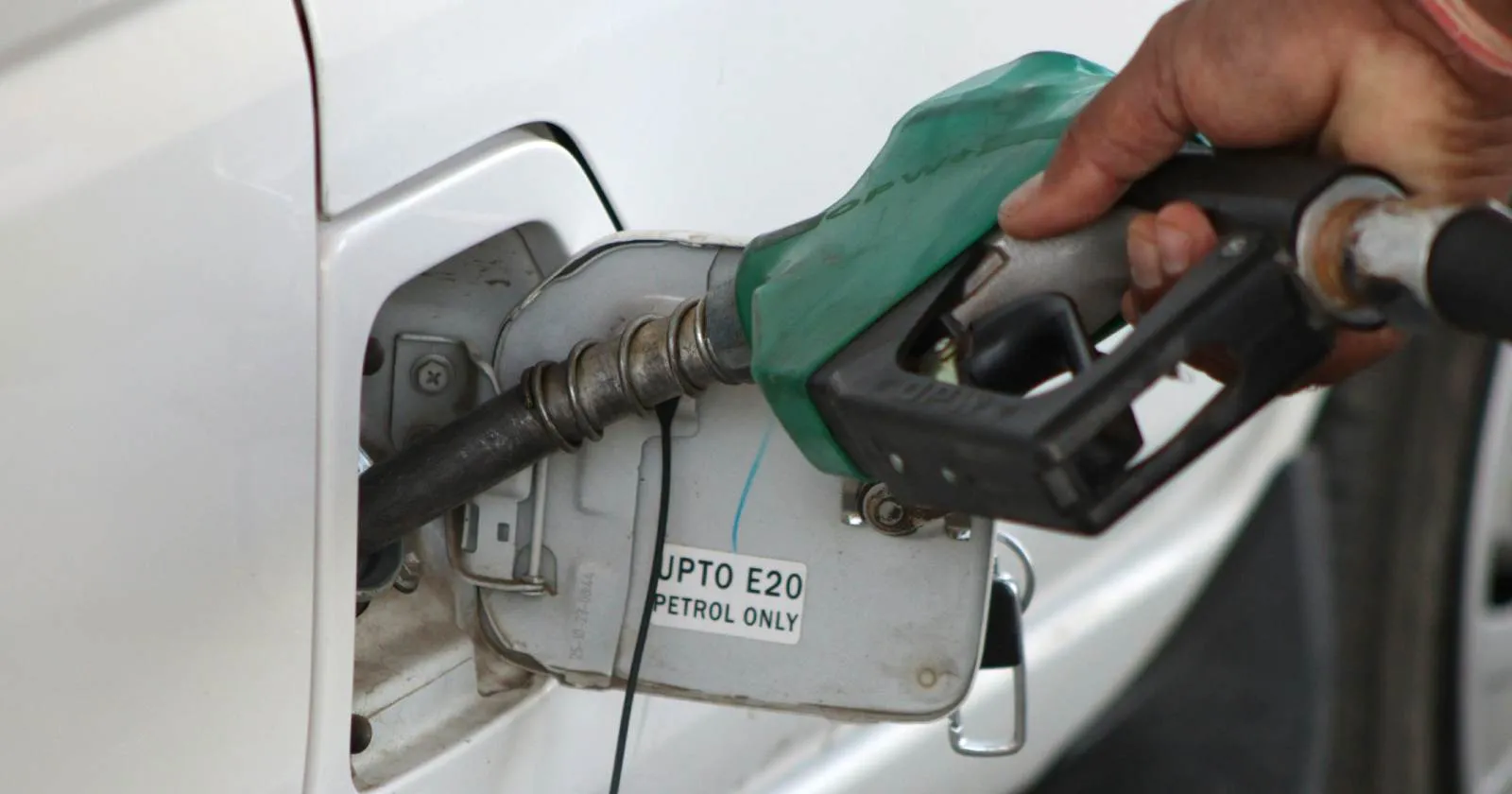
Following the mandatory implementation of E20 fuel in April 2025, car owners have documented concerns affecting fuel economy, engine functionality and general vehicle operation.


Share Post
Following the mandatory implementation of E20 fuel in April 2025, car owners have documented concerns affecting fuel economy, engine functionality and general vehicle operation.
The central government has confirmed it will not phase out or mandate retrofitting for vehicles incompatible with E20 fuel, despite mounting complaints from motorists experiencing multiple technical difficulties since the fuel became compulsory across India, says a report by Business Standard. Union Road Transport and Highways Minister Nitin Gadkari addressed concerns regarding the higher ethanol-blend petrol, which has sparked widespread issues amongst vehicle owners across the country.
Responding to a question by Trinamool Congress MP Jagadish Chandra Barma Basunia in the Lok Sabha, Gadkari said, "Based on the recommendation of the study conducted by Automotive Research Association of India (Arai), Indian Oil Co-operation Limited (IOCL) and Society of Indian Automobile Manufacturers (Siam), there would be no requirement for a phase out or retrofit of non-compliant vehicles and the normal wear and tear can be managed during routine servicing regime of the vehicle".
Following the mandatory implementation of E20 fuel through India in April 2025, car owners have documented concerns affecting fuel economy, engine functionality and general vehicle operation.
Recent research conducted by LocalCircles indicates that the ethanol-enriched fuel is diminishing mileage whilst simultaneously raising servicing expenses for older petrol-powered vehicles.
The findings revealed that eight out of ten petrol vehicle proprietors whose vehicles were acquired in 2022 or earlier reported deteriorated fuel efficiency during 2025. The proportion of such owners experiencing reduced mileage has increased substantially, climbing from 67 per cent in August to 80 per cent by October.
The study further emphasised that 52 per cent of petrol vehicle owners (with vehicles purchased in 2022 or earlier) are encountering abnormal degrees of deterioration or repair requirements in 2025, impacting critical components including the engine, fuel line, tank and carburettor. This percentage has approximately doubled from 28 per cent in August to 52 per cent in October.
Whilst non-compliant vehicles have reportedly experienced difficulties, Gadkari stated that no problems have been documented in E20-compliant vehicles across most parameters including driveability, startability, metal compatibility and plastic compatibility.
Basunia had additionally requested information regarding the quantity of vehicles currently registered nationally that fail to meet E20 fuel standards. However, Gadkari did not supply a precise number. He indicated that vehicles marketed prior to 1 April 2023 are E10 material compliant, whilst vehicles sold thereafter are E20 compliant.
According to a report from October, cited by Scroll.in, only approximately 20 per cent of new petrol vehicles sold in India over the previous 15 years were compatible with the E20 fuel blend.

Daimler Truck Innovation Center India Appoints Radhakrishnan Kodakkal As New CEO
Acko Drive Team 10 Mar, 2026, 10:47 AM IST
Venue HX8 Diesel AT Launched at ₹13.70 Lakh
Acko Drive Team 10 Mar, 2026, 10:41 AM IST
Renault Bridger Subcompact SUV Concept Breaks Cover, India Launch In 2027
Acko Drive Team 10 Mar, 2026, 9:35 AM IST
Royal Enfield Meteor 350 Crosses 6 Lakh Sales Milestone
Acko Drive Team 10 Mar, 2026, 9:33 AM IST
Audi SQ8 Bookings Commence Ahead of March 17 Launch
Acko Drive Team 10 Mar, 2026, 9:12 AM IST

Looking for a new car?
We promise the best car deals and earliest delivery!
