

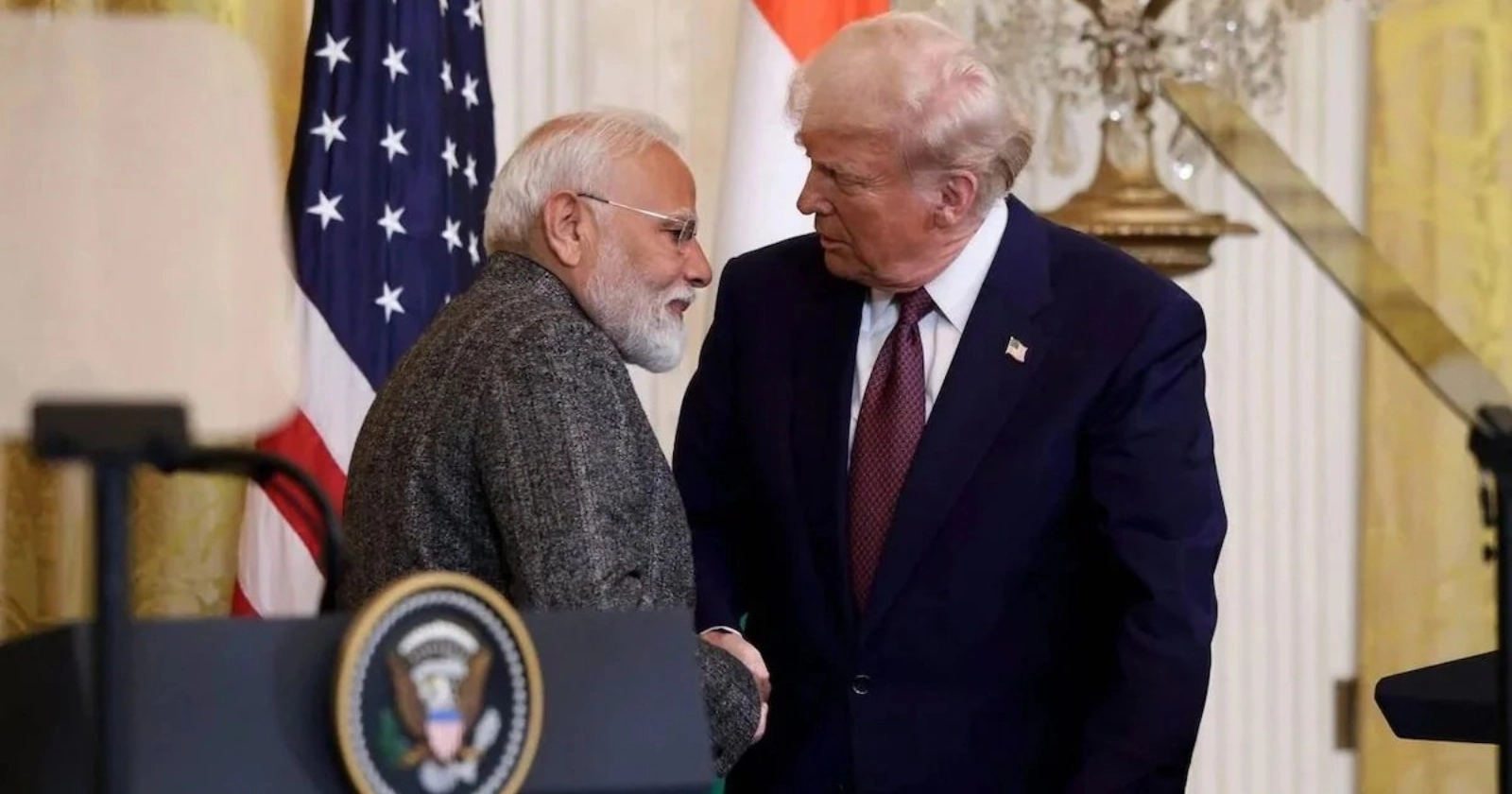
India and the United States of America signed a new trade deal which effectively brings down the reciprocal tariffs on products manufactured in India and exported to the USA from 50 percent to 18 percent. This development was confirmed by the Prime Minister of India, Narendra Modi, on his X profile.
“Delighted that Made in India products will now have a reduced tariff of 18%. Big thanks to President Trump on behalf of the 1.4 billion people of India for this wonderful announcement,” said Modi. This is perceived to have a positive effect on the auto and components industries in India where the US is one of the biggest consumers.
India paid the highest tariffs in the world after Trump raised import duties on Indian goods from 25% to 50% in August last year. This signalled worrying signs for the Indian auto and component industries. Lower tariffs could support steady order inflows from global OEMs, enhance profitability, and reinforce India’s standing as a cost-competitive manufacturing hub.
Several Indian auto and auto ancillary companies have significant exposure to the US market, which makes them sensitive to changes in global demand and trade policies. Sona BLW leads the group with around 40 percent exposure, followed by Ramkrishna Forging at 27 percent and Bharat Forge at 25 percent.
Tata Motors derives nearly 23 percent of its revenues from the US, while Samvardhana Motherson and Balkrishna Tyres each have about 18 percent exposure. Sanmar/Sansera Engineering has roughly 9 percent exposure, whereas Apollo Tyres has a relatively modest US exposure of around 3 percent. The industry has started to share its first reactions on this historic trade deal.
Also READ: Budget 2026-27: What Did India’s Auto Industry Think Of It