

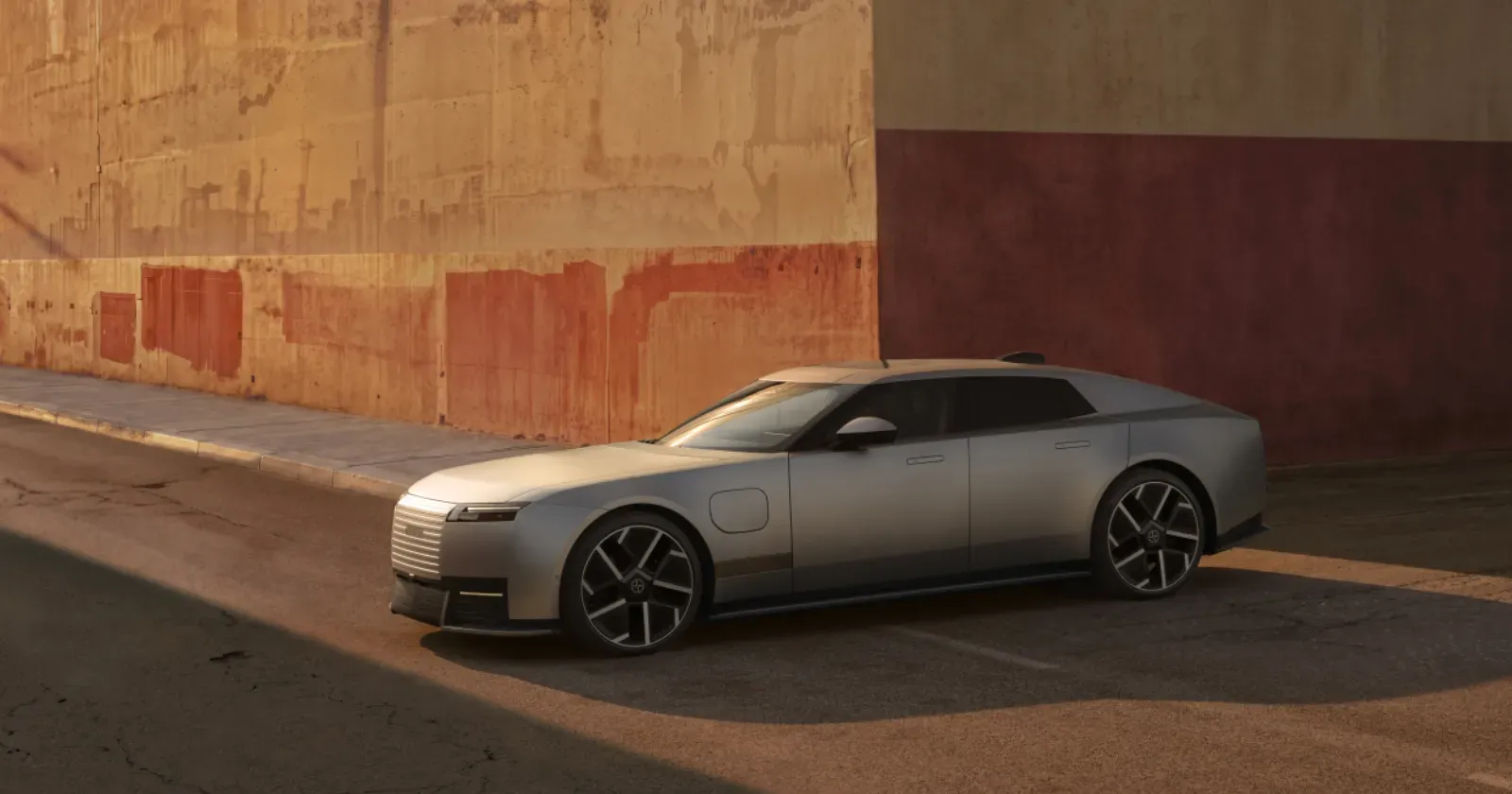
The British marque's four-door electric GT arrives in New York as Tata-owned JLR attempts to relaunch Jaguar as a pure-electric luxury brand
Jaguar revealed the Type 01, its first production model under a new all-electric strategy, at an event in New York on Tuesday, where the company confirmed the four-door GT will start at £130,000 and go on order in early 2027. JLR, the Tata Motors-owned group that builds Jaguar, said the car is the most powerful road model the 90-year-old brand has produced, with up to 1,016 bhp and 1,365Nm of torque taking it from standstill to 100kmph in 3.2 seconds.
JLR said the name nods to the brand's heritage, with the "01" marking what it calls the first car of a new generation.
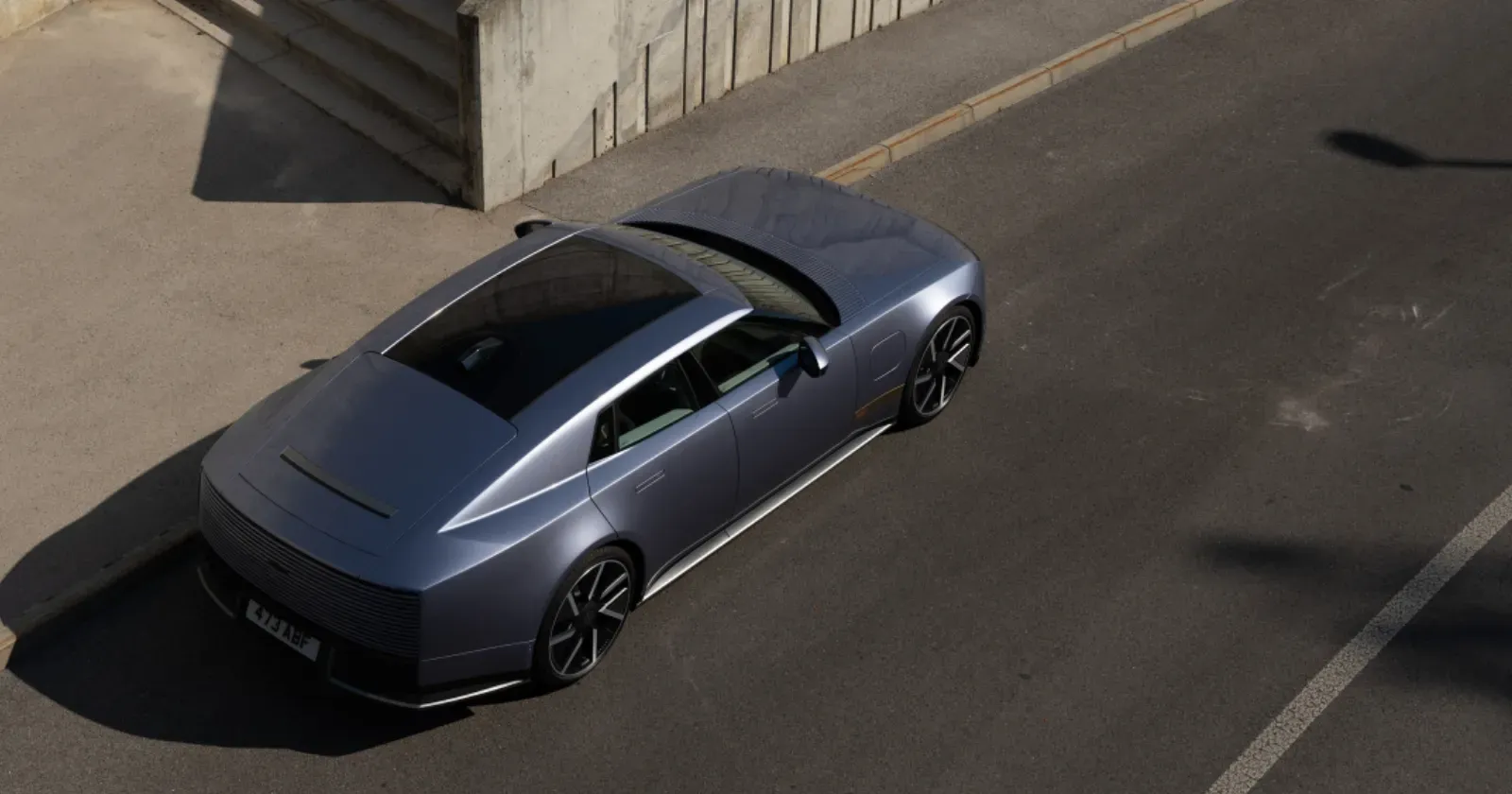
Underpinning the GT is a bespoke Jaguar Electric Architecture running on an 850-volt system, which JLR says gives an expected range of up to 644 km on the US EPA cycle, subject to final homologation. A 350kW charger can add 322 km in as little as 13 minutes, figures aimed squarely at rivals from Porsche and Mercedes-Benz's electric performance lines. Production is set for Solihull, with battery and electric-drive components sourced from Wolverhampton.
The launch also marked what press reports described as actor Florence Pugh's unveiling as the brand's new ambassador, part of a wider push to align Jaguar with contemporary culture after its divisive 2024 rebrand drew criticism for stepping away from traditional car imagery. Large-format displays reportedly ran in Times Square, DUMBO and the Lower East Side through the week, extending the campaign beyond the venue itself.
JLR has not announced an India launch or price for the Type 01, though the country remains central to its ownership structure as a Tata Motors subsidiary. At current exchange rates, the £130,000 starting price converts to roughly ₹1.65 crore — a notional figure only, since import duty would apply in full. Under the India-UK trade pact that took effect in July, electric vehicles priced above £80,000 see no tariff relief until the sixth year of the agreement, when duty falls to 40 per cent. That leaves a landed price nearer ₹3 crore more realistic should the car ever reach Indian showrooms, a prospect JLR has yet to confirm.