


As 2026 dawns, India's automotive industry is preparing for a significant overhaul, driven by a fresh set of safety, environmental, and technology-led policies. Schemes ranging from expanded incentives for electric vehicles (EVs) and tougher emissions standards to the mandatory adoption of safety systems such as anti-lock braking systems (ABS) are likely to reshape vehicle design, production costs, and consumer behaviour.
Mandatory ABS for Two-Wheelers
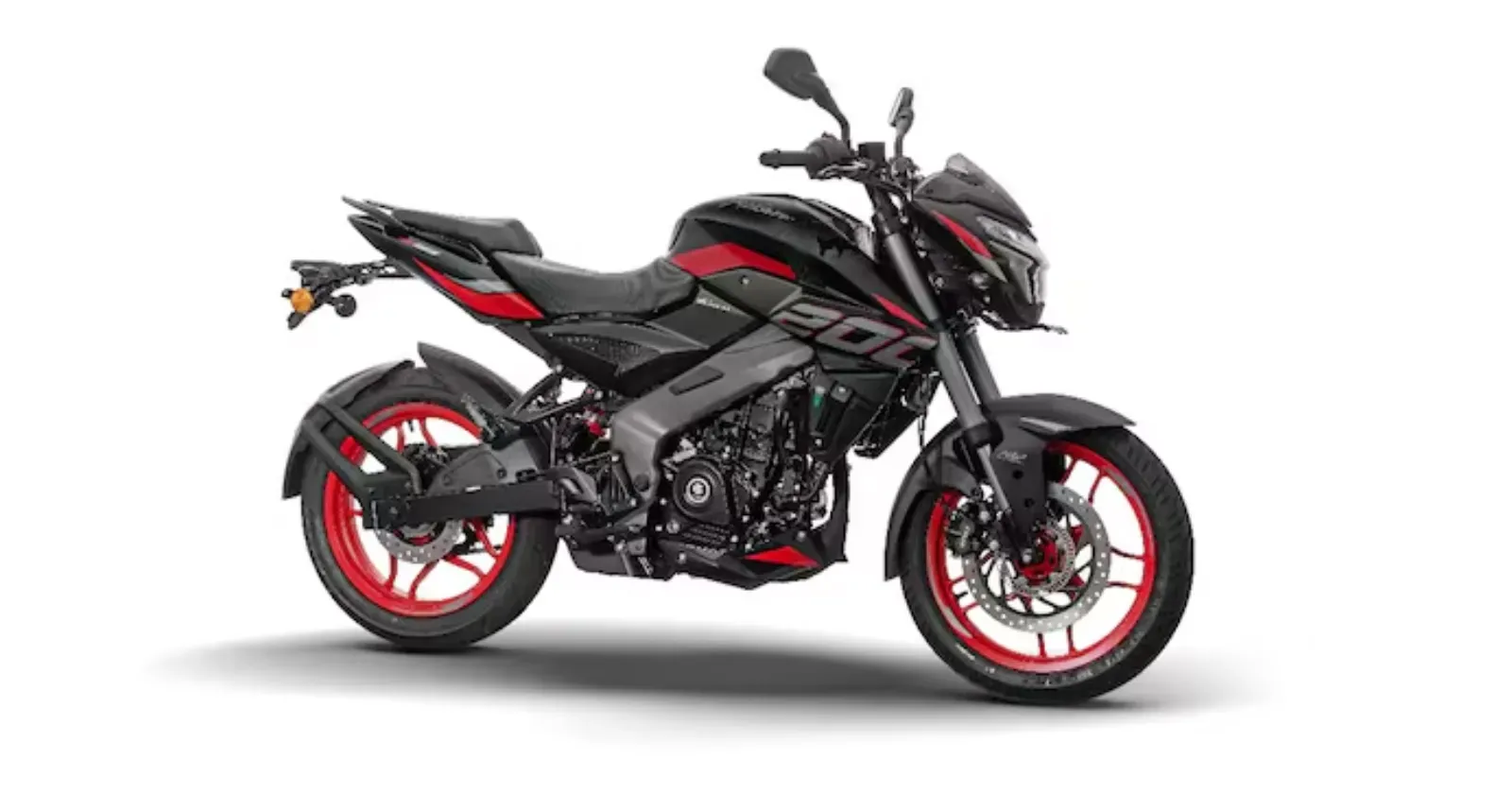
One of the biggest changes in the industry will be the introduction of mandatory anti-lock braking systems (ABS) for two-wheelers, irrespective of engine size — a move aimed at reducing road fatalities and serious injuries. An anti-lock braking, as the name suggests, stops a vehicle's wheels from locking up when brakes are applied hard and suddenly, thereby decreasing the possibility of a crash. According to regulators, ABS is more beneficial on wet roads and loose gravel. When surface grip is low, ABS intervention helps reduce the possibility of a fall by improving stability and control.
While safety advocates have welcomed the move, manufacturers and industry bodies have said that the requirement could pose cost challenges leading to higher prices, which would be especially disruptive in some price-sensitive segments.
Delhi's New EV Policy
The Delhi government is set to introduce an updated electric vehicle (EV) policy at the start of the next financial year with an emphasis on financial support for buyers, a vehicle scrappage scheme focusing on older, high-polluting models, and quicker rollout of charging facilities. The national capital's revised policy is designed to give an impetus to the shift away from petrol and diesel vehicles while helping to improve air quality.
According to officials, the subsidies will be used to narrow the cost difference between traditional internal-combustion vehicles and electric models. The difference between incentive levels and eligibility are yet to be finalised.