The Allegations
The RICO statute, part of the 1970 Organized Crime Control Act, targets patterns of criminal activity by corporations or groups. Here, plaintiffs argue Toyota’s actions fit this definition: the company allegedly hid defects like hydrogen leaks near hot engine components (risking explosions), sudden power loss, braking failures, and a crumbling hydrogen infrastructure causing owner strandings.
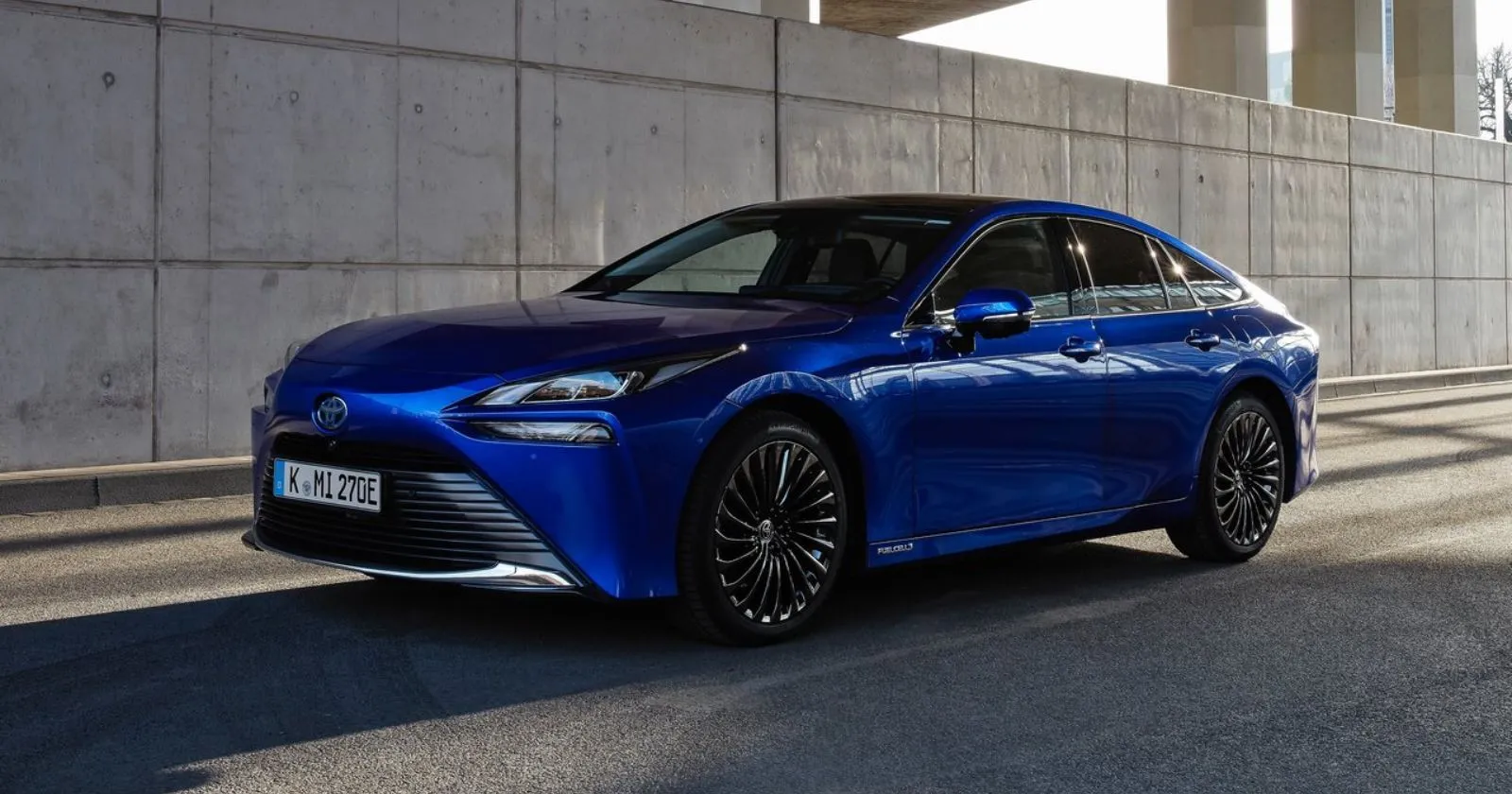
Technicians reportedly dubbed the Mirai a "ticking hydrogen bomb." Jason M. Ingber, the lead attorney, stated that this isn’t about a defect, but an organised fraud. He claimed that Toyota controlled California’s hydrogen network to mask dangers and financial harm.
The suit contends Toyota violated a 2014 DOJ Deferred Prosecution Agreement. In that settlement, Toyota admitted to concealing unintended-acceleration defects and pledged to report all future safety issues transparently.
By allegedly hiding Mirai’s flaws, Toyota faces accusations of mail and wire fraud. The plaintiffs seek treble damages (over $17 billion), an injunction, and a federal order halting Toyota’s hydrogen operations.