New Bolero spotted, almost ready for launch. Mahindra’s smartest, most tech-packed Bolero yet.
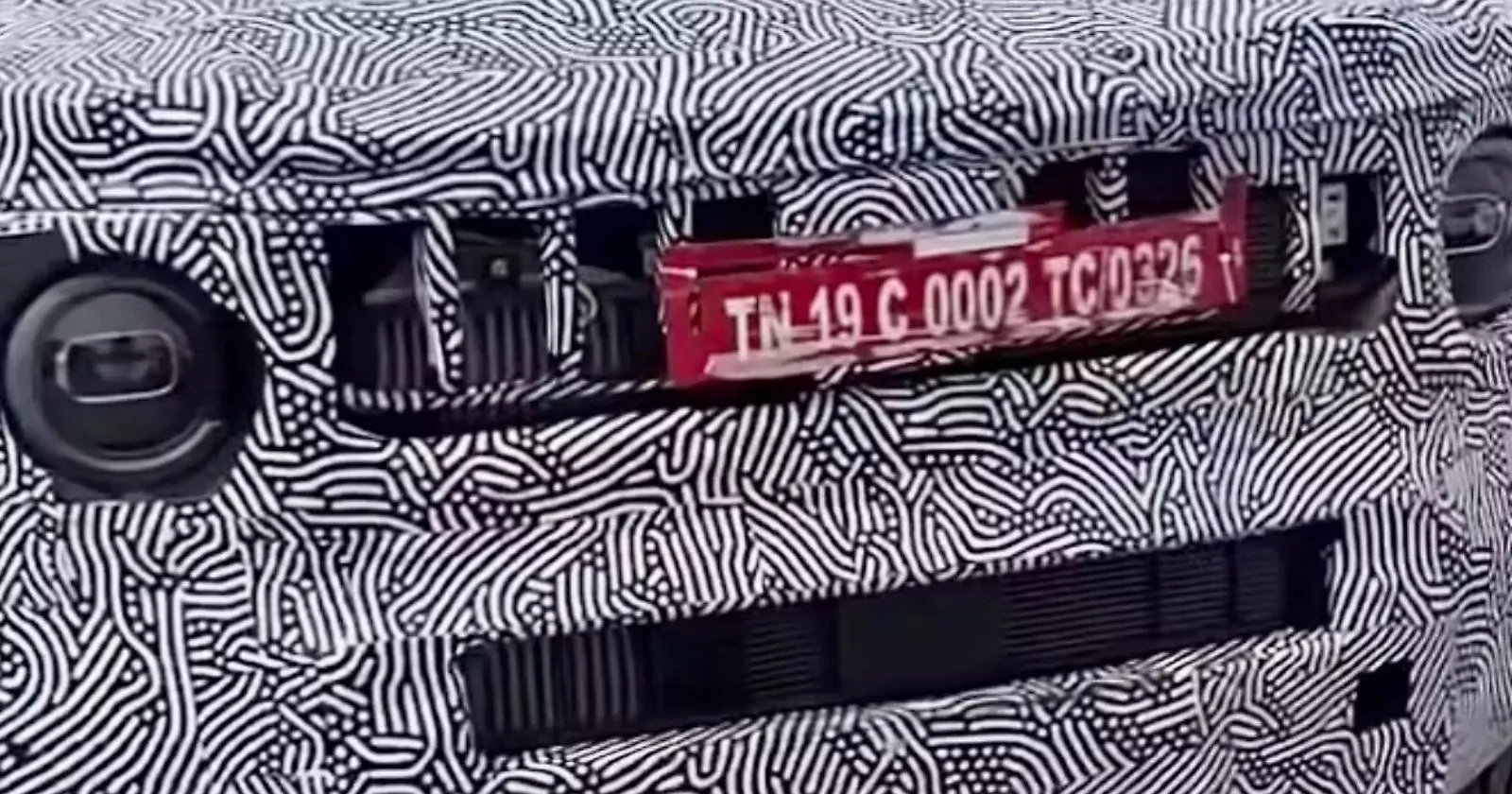
Mahindra is set to launch the most revolutionary update to its iconic SUV, the Bolero. Spotted in almost production-ready form before its probable launch on August 15, the new Bolero is claimed to be the most contemporary, technology-loaded Bolero to have rolled out of Mahindra's factory so far.
The Legacy: Why the Old Bolero Was a Mahindra Masterstroke
Let's go down memory lane before we get into the specifics of the new SUV. The Bolero was launched as early as 2000 and soon became the SUV in rural India and utility-oriented buyers across the country. Fun fact: did you know the Bolero replaced the iconic Armada in the company's fleet at the time?
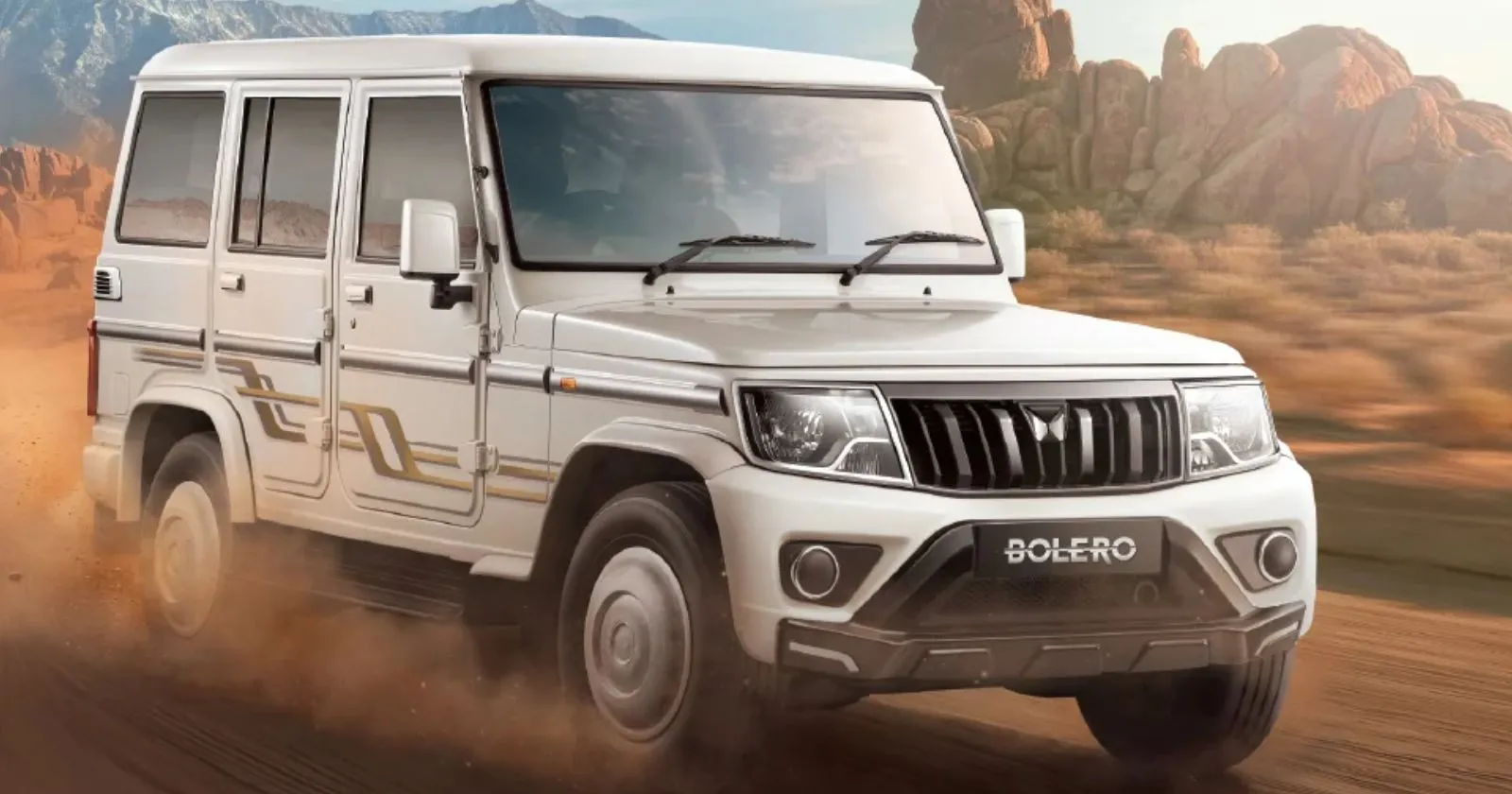
The Bolero was first launched in 2000 and since then recieved several different use case for different requirements.
So what worked for the Bolero?
Rugged Construction: Bolero's tough body-on-frame design brushed aside broken roads, overladen loads, and extreme weather conditions with ease, making it a popular choice.
Mechanical Simplicity: With dependable leaf-spring suspension, traditional yet potent diesel engines, and few electronics, owners enjoyed lower operating costs and easy repairs of the Bolero.
Functional Design: The Bolero was a no-nonsense SUV. Its utilitarian design, flat slab-shaped panels, high standing position, large mirrors, and spare wheel mounted on the tailgate, was full of ruggedness and straightforward utility.
Inexpensiveness: Aggressive pricing and extensive variants (pickups and ambulances) broadened its market horizon, attracting a variety of buyers across the country.
The Bolero was not about opulence; it was about being the rugged workhorse for India's interiors, carrying people, produce, and cargo with the same ease. It was not only a sales volume generator for Mahindra but a sign of reliability and trust, adding over 1.4 million units to the company's count in 25 years.
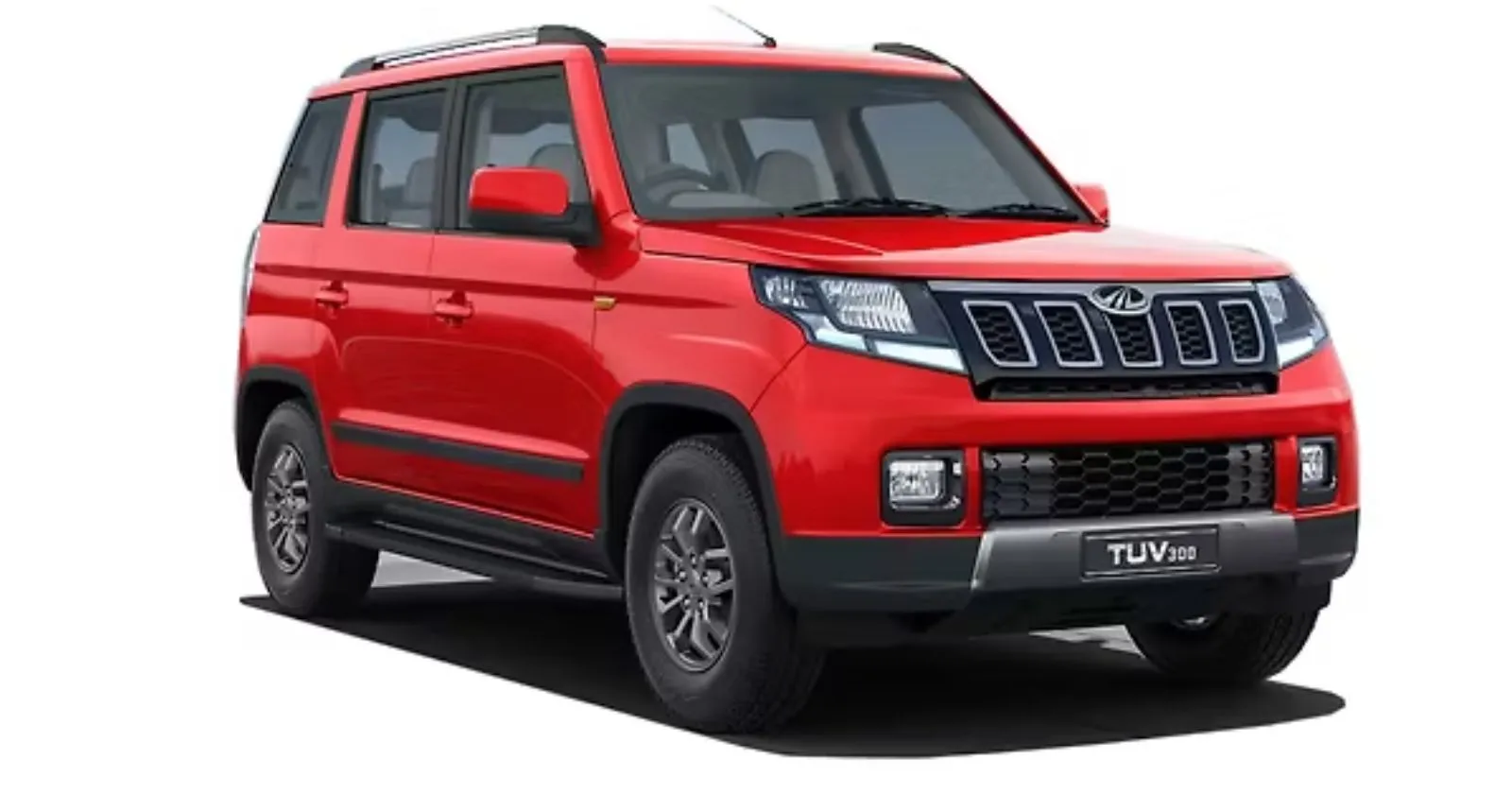
The Bolero nameplate’s rural dominance is not limited to the standard model. In 2021, Mahindra took the underperforming TUV300 and reintroduced it as the Bolero Neo. The TUV300, launched in 2015, had a strong ladder-frame foundation but failed to connect with buyers, too rugged and boxy for the urban subcompact SUV crowd, yet lacking the heritage appeal of the original Bolero. Average monthly sales stayed modest, and when BS6 norms kicked in 2020, Mahindra paused production rather than invest in a straight update.
The TUV300 was a subcompact SUV but did not work well for the company.
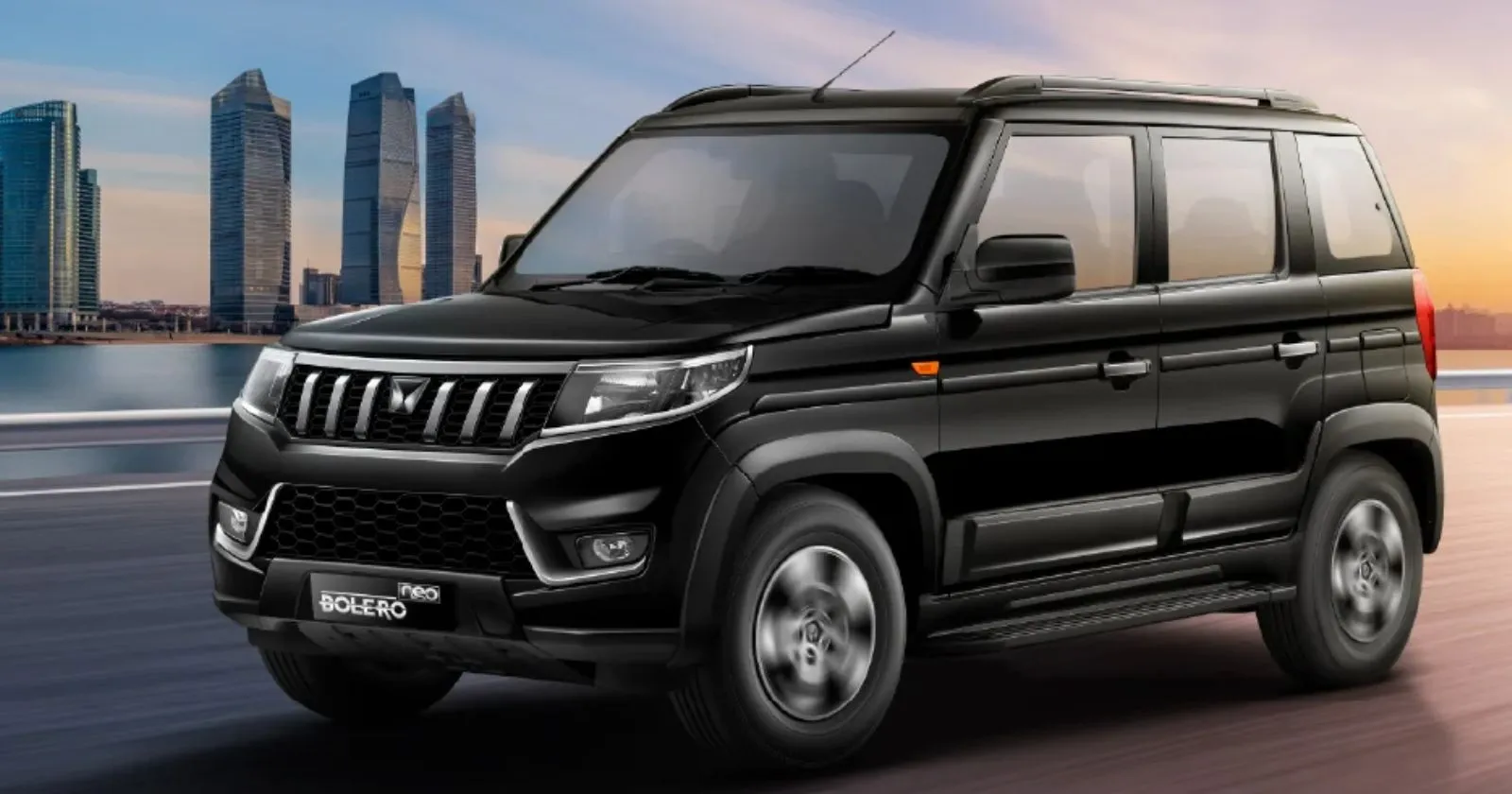
Instead, the company made a calculated brand move. The TUV300 was facelifted, re-engineered, and dressed in familiar Bolero cues, the signature grille, clamshell bonnet, and tailgate-mounted spare, then relaunched as the Bolero Neo. This instantly developed into the trust and recall of the Bolero brand, positioning the Neo as a smaller, more city-friendly alternative while retaining the rugged, rear-wheel-drive, body-on-frame DNA. A lower ride height, revised styling, and a more refined interior helped make it relevant to a broader audience, including younger, new-age buyers.
The strategy worked. Since its launch, the Bolero Neo has consistently drawn strong numbers from Tier-2, Tier-3, and Tier-4 markets, the same geographies that have sustained the standard Bolero for two decades. In many smaller towns, the Neo’s modern features and proven toughness made it a preferred family SUV, while fleet and government demand have been buoyed by the Neo+ variant, which also finds takers as an ambulance and utility vehicle.
Then came the Bolero Neo in 2021, retaining several of the design cues from the original Bolero.
In certain months, the Neo has even outsold better-known Mahindra SUVs, proving that in the right markets, brand equity combined with the right mechanical package can outweigh the lure of more premium rivals.
With that out of the way, let's turn our attention to the new Bolero now. It retains its signature upright posture and boxy dimensions but adds flush contemporary details, LED projector headlamps, sharper grille, and dual-tone alloys, to remain contemporary for city buyers. Body cladding and a tailgate spare aimed at heavy-duty use keep it looking the part in rural landscapes, too. We'll know more about the design of the car soon.
Interior: From Bare-Bones to Family SUV
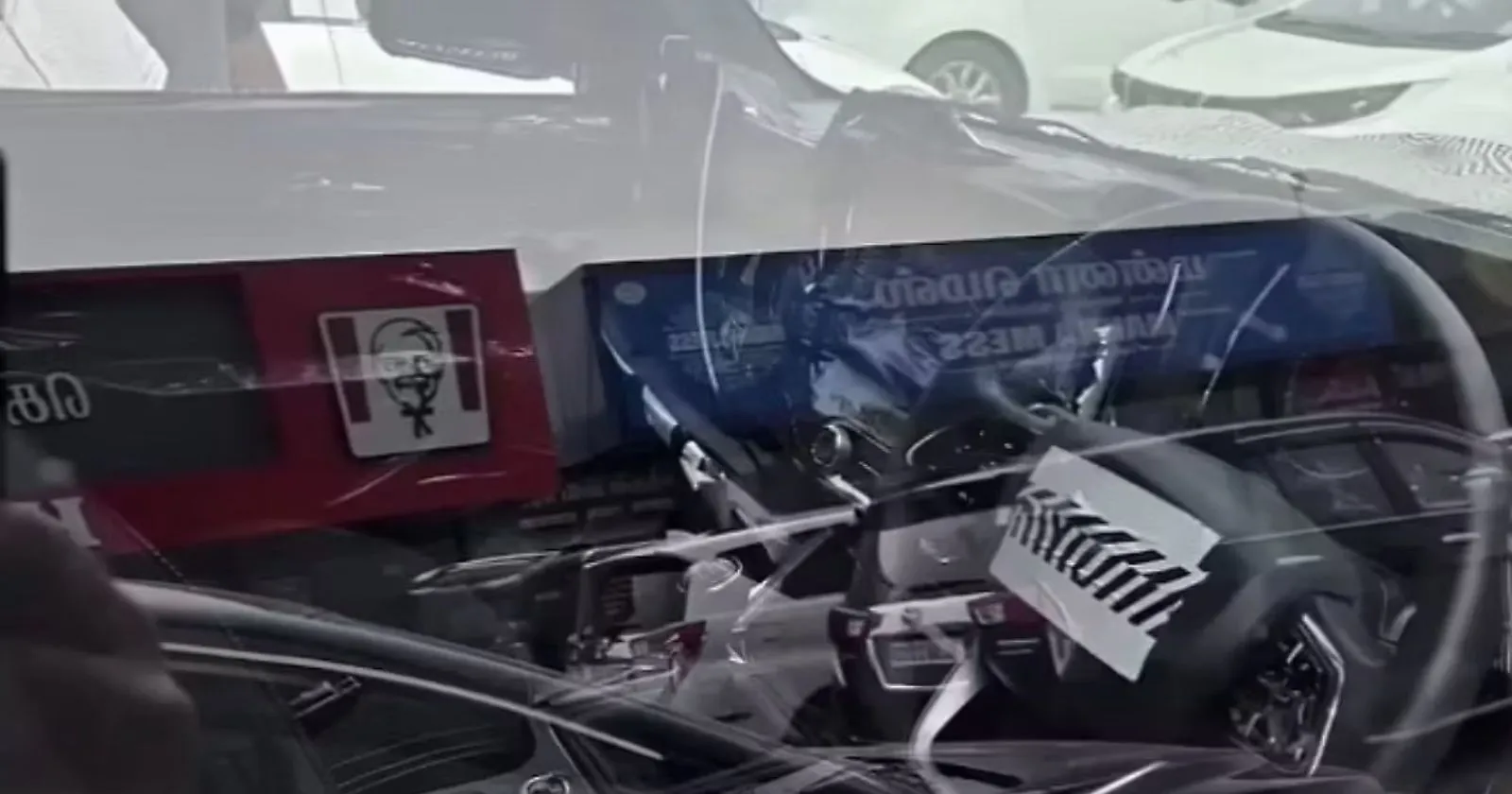
Long criticised for its utilitarian cabin, the next-gen Bolero now receives a significant tech and comfort upgrade: a Scorpio N-inspired steering, a larger touchscreen infotainment system, a semi-digital instrument cluster, and even a panoramic sunroof for the top-spec variants.
The cabin is expected to receive a huge makeover.
New Platform: Designed for Today (and Tomorrow)
The shift to Mahindra's New Flexible Architecture (NFA) is the turning point. This platform is said to improve crash safety, ride quality, and powertrain choices, in line with evolving safety norms and forward-looking goals. Level-2 ADAS and monocoque structure move the Bolero away from its farm start.
While retaining the proven 1.5-litre mHawk diesel (a signature of low-end torque and efficiency), the new Bolero's architecture can be used for supporting petrol, as well as hybrid and electric powertrains.
The styling will resemble to the previous Bolero but with a modern touch like ADAS.
Dual Strategy: Old Meets New
Mahindra will most likely continue to sell both the current Bolero and the next-generation side by side. This two-pronged strategy, if true, respects the huge loyalty among current users, who appreciate the rugged, fixable character of the original, while new customers want refinement and technology. However, it'll be interesting to see what Mahindra does with the older generation once the momentum picks up for the new one.
Can Mahindra Repeat the Bolero Magic?
The original Bolero captured India's heart by not being something it was not - practical. Its lack of pretensions in reliability, massive service footprint, and indestructibility filled needs others overlooked.
The new Bolero will be based on a completely new platform.
The challenge of the new Bolero is to span this divide, to be tough enough for Haryana's fields, but sophisticated enough for Gurugram's streets. Mahindra's balance of tradition and technology may keep the Bolero going for another generation, provided it never loses sight of what made the original successful: straightforward, genuine, all-weather capability in a rapidly changing India.
Pratik Rakshit has been writing and talking about cars since 2015. A journalism postgraduate from the Asian College of Journalism, Chennai, he has worked across both magazine and digital platforms, developing a sharp, well-rounded voice in automotive storytelling.
From hatchbacks to high-performance SUVs, he tests cars the old-school way—by feel, instinct, and an honest throttle. While he respects automotive tech and innovation, his soft spot remains with no-frills, mechanical purity. He also harbours a long-standing fascination for a certain Bavarian brand with roots in aircraft engines.
His idea of the perfect car? A rear-engined Porsche with timeless curves, naturally aspirated flat-six, and a manual gearbox.
Off the road, Pratik is a loyal Chelsea FC supporter and backs Lewis Hamilton every race weekend.