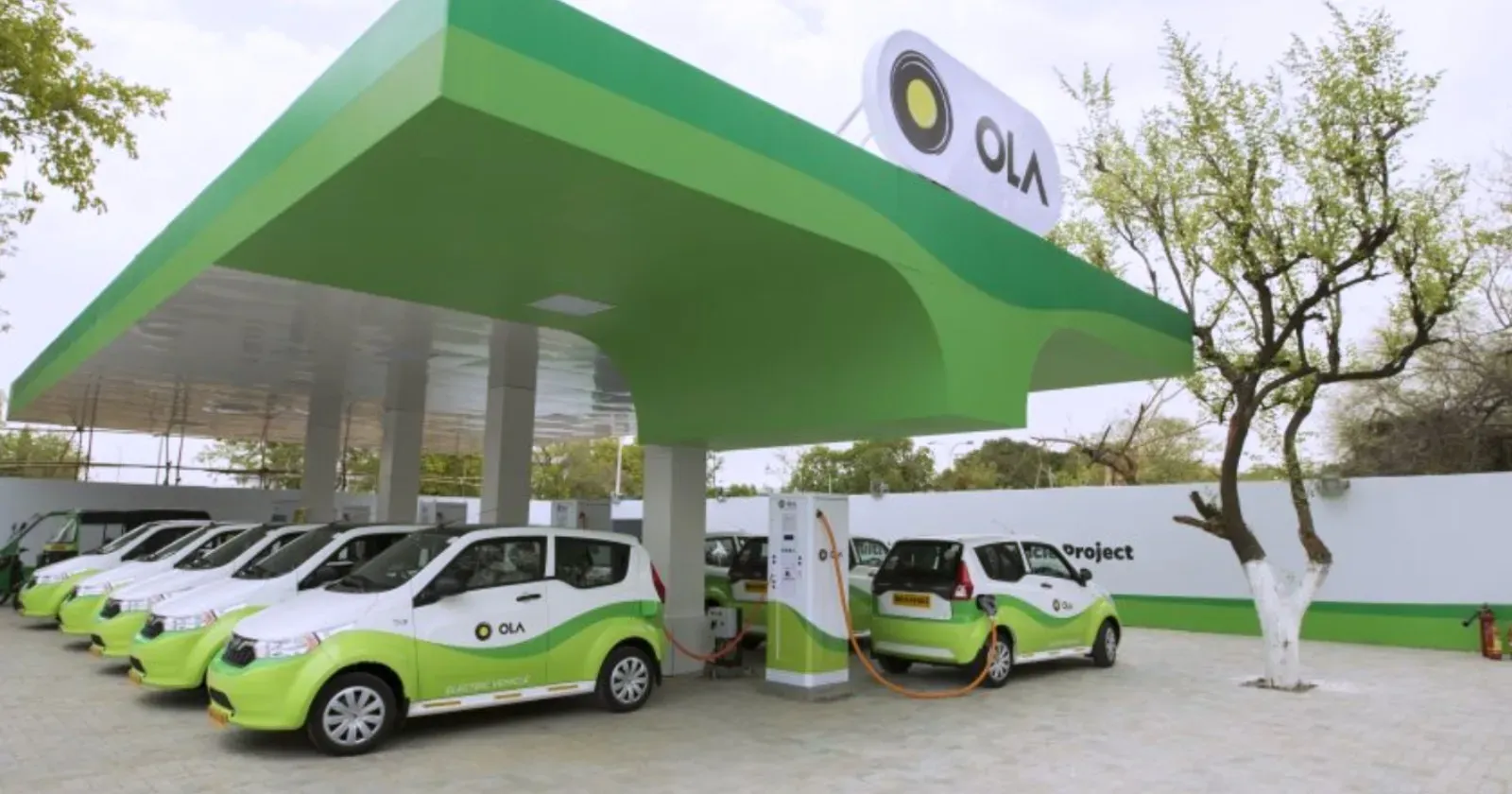
Following similar action against Rapido in September, the Central Consumer Protection Authority has issued a fine of ₹10 lakh to Ola’s parent company ANI Technologies Pvt Ltd, and has directed it to end its practice of collecting tips to suggest that riders can be matched with a driver more quickly, before a ride has even begun. The ruling comes after over a year of investigations and hearings between Ola and the CCPA, following a complaint originally dated May 16, 2025.
The CCPA, which operates under the Ministry of Consumer Affairs, Food & Public Distribution, has characterised the feature as a dark pattern, and says it is misleading and constitutes an unfair trade practice.
The feature in question is a prompt in the Ola app that appears after a user confirms the original ride estimate, suggesting that they stand a better chance of being accepted by a driver if they make an additional payment. The suggestion was initially described as a “tip”, but Ola has since changed that to “add-on”.
Prompts that appeared in the app included wording such as “Adding a tip might help increase the chances of getting a ride faster”, “Tip now to boost the chances of getting a ride sooner”, and “Improve your chances of quicker ride confirmation!”. However, data provided by Ola did not reflect that customers actually benefited by paying extra. In fact, rides were significantly less likely to be accepted by drivers in key cities.
In Delhi, Bengaluru and Mumbai, the ride acceptance rates for users who did not use the add-on feature were 62 percent, 68 percent, and 68 percent respectively, between June 1 and 16, 2026. However those who did choose to pay an add-on amount were matched 38 percent, 40 percent, and 39 percent of the time, respectively. Users were not made aware of discrepancy.
Ola also stated to the CCPA that the add-on amount did not influence ride allocation, contradictory to the messages being shown to users. Additionally, the CCPA pointed out that such prompts were also shown to elderly people, those traveling to or from hospitals, and others in potentially vulnerable situations.
According to the CCPA, “dark patterns” encouraging behaviour that users did not originally intend, include displaying pre-determined “tip” amounts rather than letting users choose what they want to spend, the deliberate creation of anxiety or fear around trip delays, no option to dismiss the prompt,
As in its previous ruling against Rapido, the CCPA reiterated that tips are meant to be voluntary, and paid after a service has been provided. The upfront cost shown to users already accounts for demand surges and other factors, and is determined according to the Motor Vehicles Aggregators Guidelines issued by the Ministry of Road Transport and Highways. A tip before the ride is even confirmed amounts to additional payment, and in this case, the CCPA explicitly stated that changing its name did not change its effective purpose.
Consumers cannot independently verify the need for this extra payment, or its effectiveness. Moreover, the notifications to users continued to be shown even after a notification from the Ministry of Road Transport and Highways specifying that tip prompts should only be displayed after a ride is complete.
In publishing its rulings against Rapido and Ola, the CCPA has clarified that investigations into Uber and Namma Yatri for the same issue are still underway.