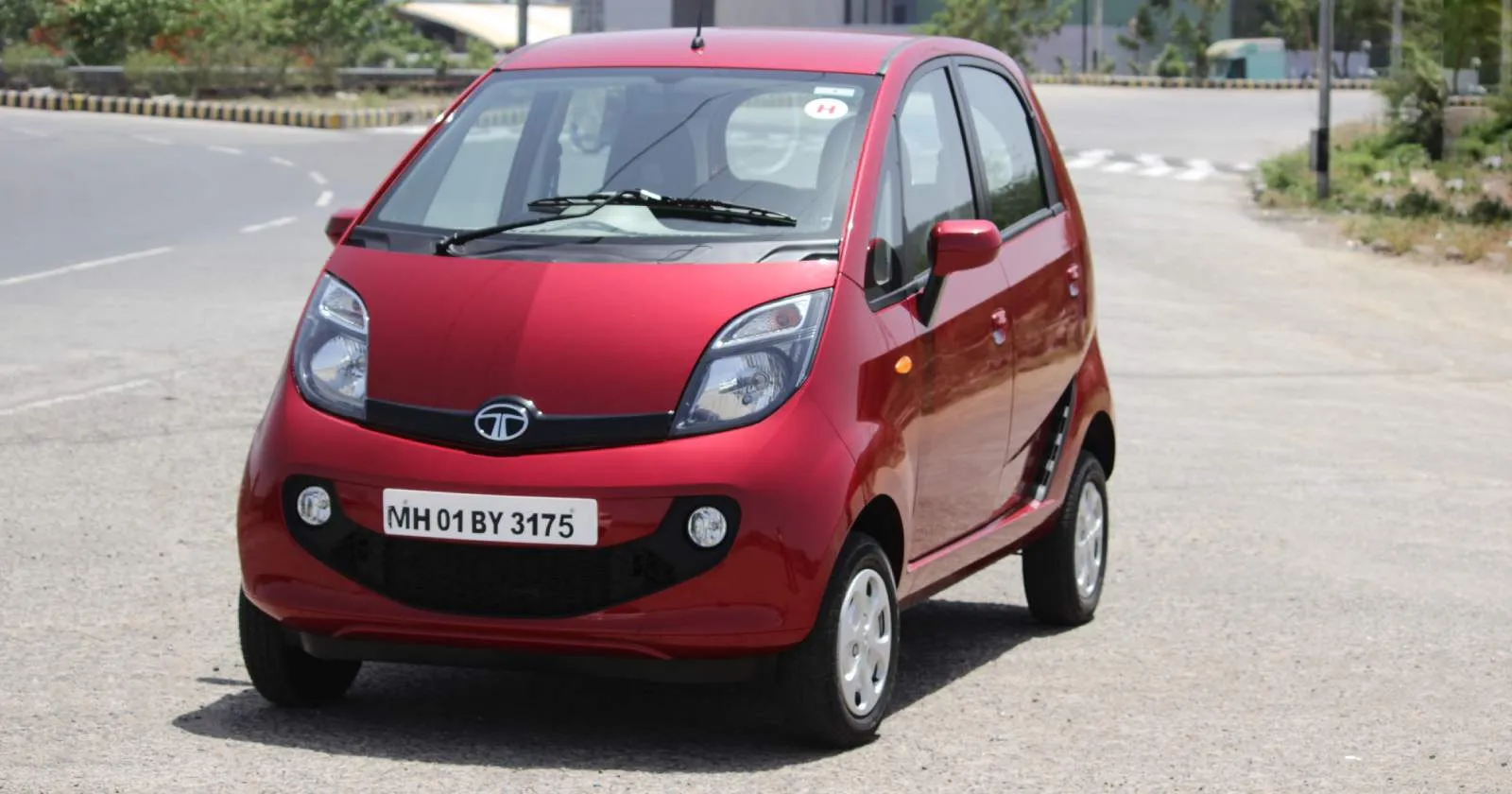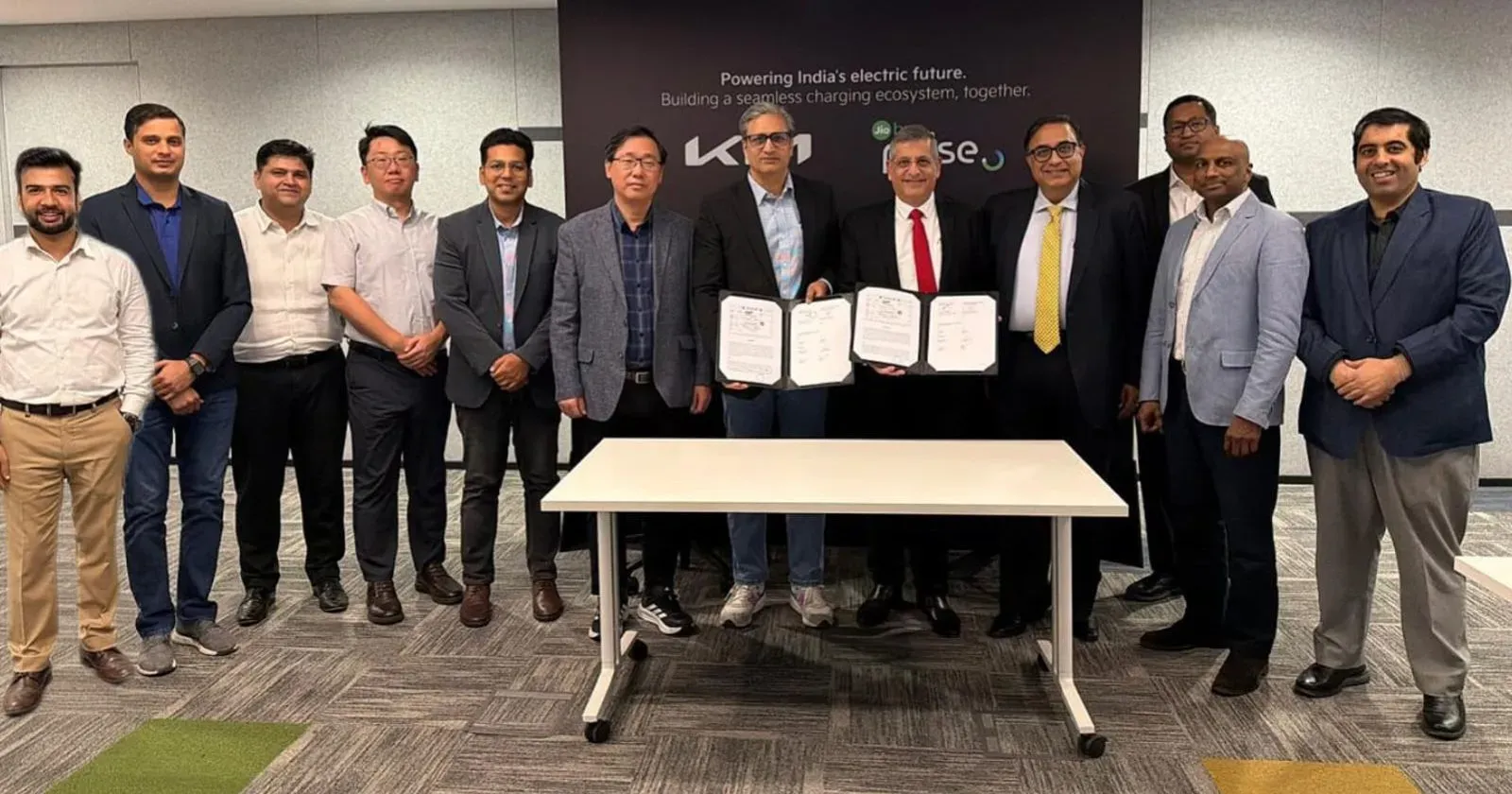


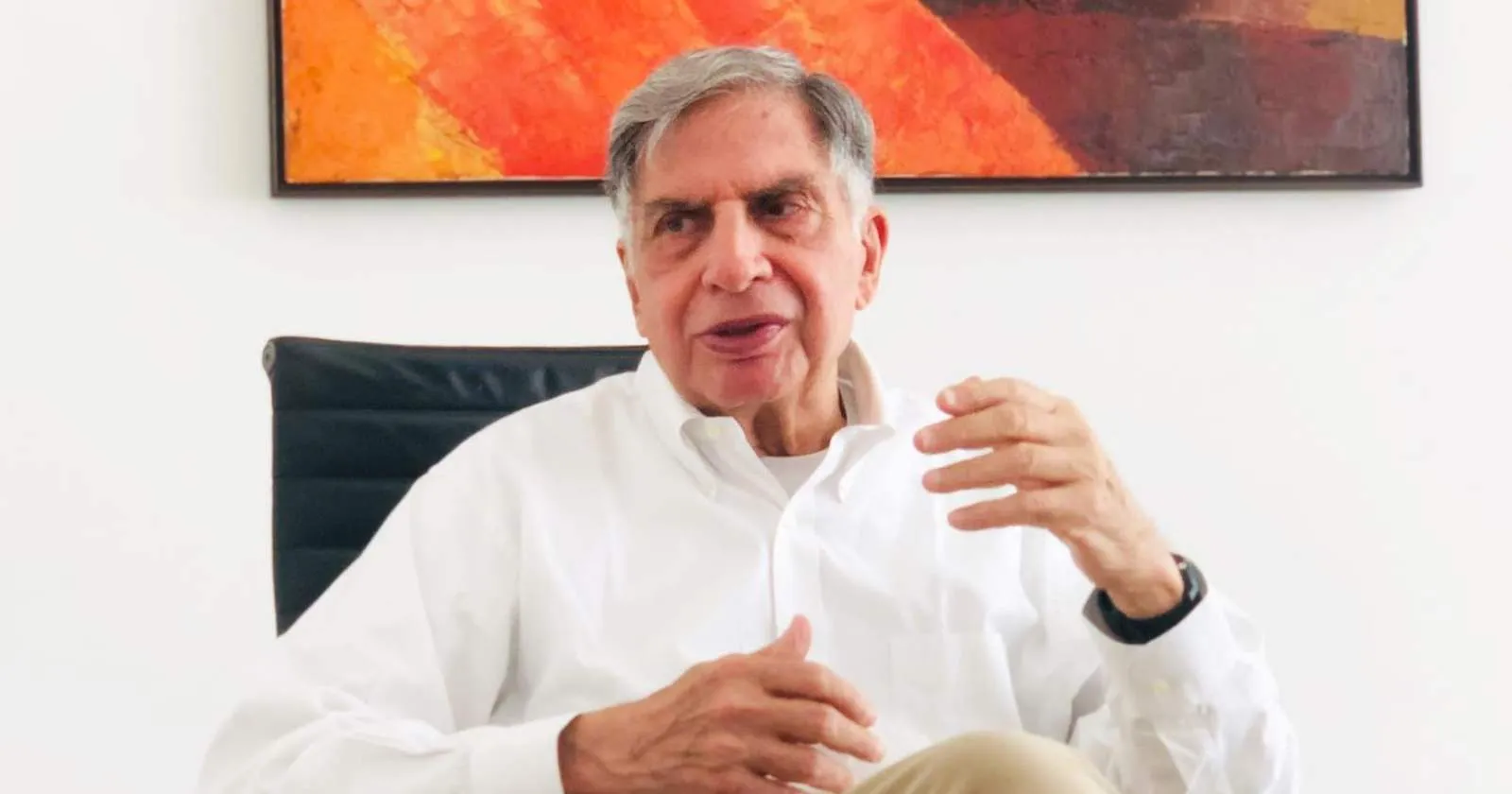
Over a decades-long career filled with notable achievements, Ratan Tata's leadership truly transformed Tata Motors. (Image credit: Instagram/ @ratantata)
One year ago today, India lost one of its true visionaries. Ratan Tata, the renowned industrial leader, was a significant player in independent India’s growth story. Known publicly and amongst peers as a symbol of ethics and integrity, the Padma Vibhushan awardee joined his family firm in 1962 and spent six months as a trainee at Tata Engineering and Locomotive Company (now Tata Motors). From such a humble beginning, he is widely credited with turning the company into a global powerhouse across industries as diverse as steel and software. Beyond his official duties, he was also a well-known startup investor and one of India’s most prominent philanthropists, with a particular love for education and animal welfare.
At the time of his death last year, aged 86, Tata served as Chairman Emeritus of Tata Sons, Tata Industries, Tata Motors, Tata Steel and Tata Chemicals. He has been the Chairman of Tata Steel, Tata Motors, Tata Consultancy Services, Tata Power, Tata Global Beverages, Tata Chemicals, Taj Group and Tata Teleservices.
In his role as Chairman of Tata Motors, Ratan Tata made the decision not to sell its passenger vehicle operations to Ford in 1999, instead steering the company towards its present dominant position in the Indian automobile market.
On the first anniversary of his death, we take a look back at his tenure as the leader of one of India’s most storied conglomerates. Here are five highlights of his impact on Tata Motors: