

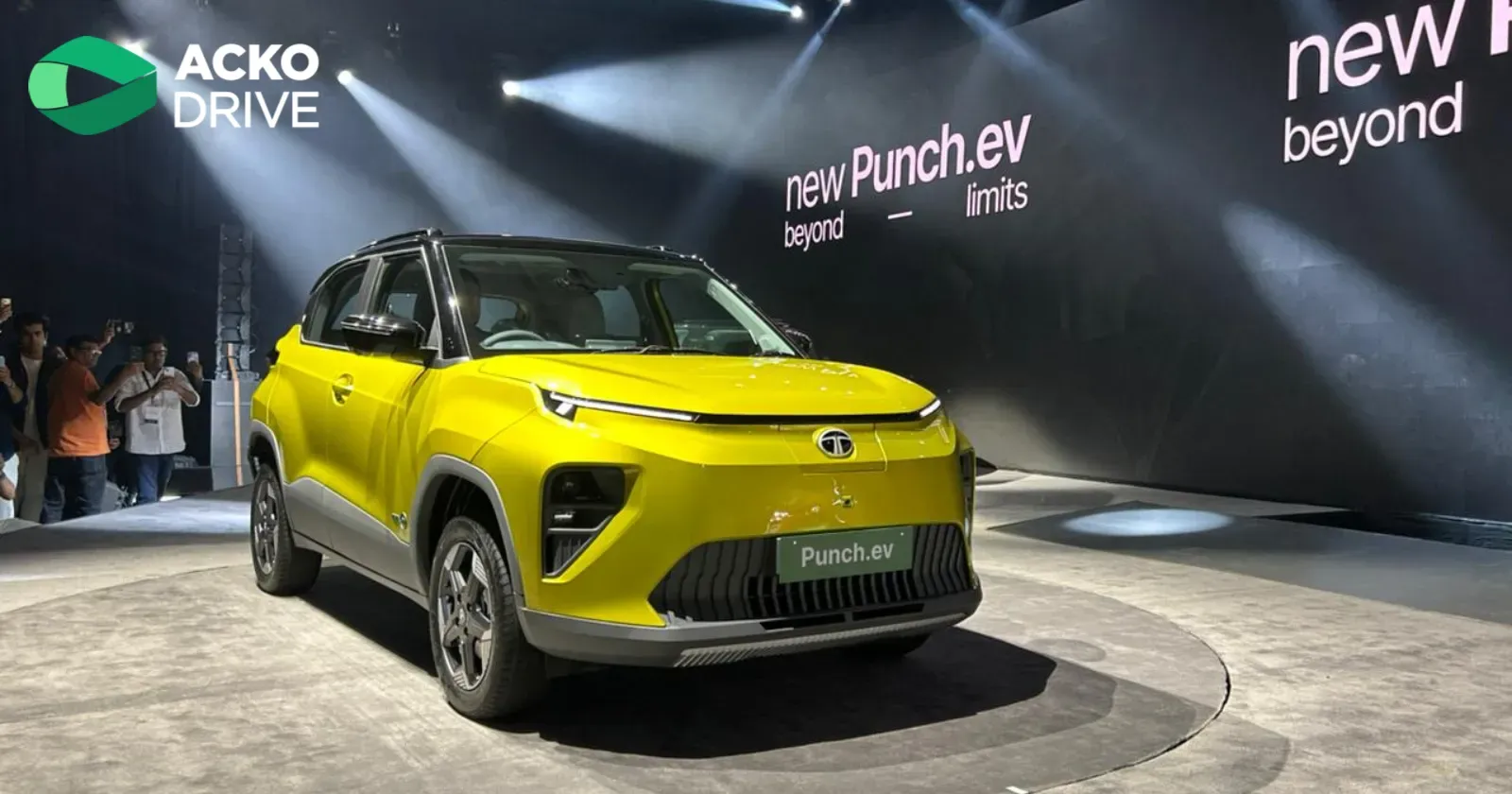
When the Tata Punch EV, Tata Motors’ first model on a pure EV architecture, made its market debut in January 2024, it sported an entry-level introductory price of ₹10.99 lakh. Its refreshed version, launched on Friday, is significantly cheaper at ₹9.69. The entry price drops to ₹6.49 lakh, if the buyer opts for the Battery-as-a-Service (BaaS) option, being offered for the first time by Tata Motors.
Under the BaaS option, the battery EMI comes to as low as ₹2.61 per k.m, for the 30 kWh variant, with a usage cycle of 60 km per day. The lowered price barriers for the entry-level EV is part of Tata Motors’ strategy to build significant volumes in the entry-level EV segment, and in the process also grow that segment. Currently, electric PVs contribute only about 1.6% (50,000 units) of the overall PV market of models priced below ₹12 lakhs, which according to Tata Motors is the average price in the overall PV industry.
“We have chosen to rewrite the price-value equation in the entry-level EV segment,” says Shailesh Chandra, MD & CEO, Tata Motors Passenger Vehicles after launching the refreshed Tata Punch EV. Currently, the entry-level EV segment has only three models – Tata Punch, Tata Tiago, Citroen eC3, and MG Comet. These four models cumulatively sell around 3,000 units a month.
Entry-Level Electric Cars | Prices (Ex-Showroom) |
2026 Tata Punch EV | Rs 9.69 Lakh - Rs 12.59 Lakh |
MG Comet EV | Rs 7.62 Lakh - Rs 10 Lakh |
Tata Tiago EV | Rs 8 Lakh - Rs 11.14 Lakh |
Citroen eC3 | Rs 12.90 Lakh - Rs 13.53 Lakh |
In the PV industry segment of above ₹12 lakh, EV penetration is estimated to be at 10%, while at the overall industry level, it is 4-5%. “EVs are growing in the above ₹15 lakh segment, but most of the overall industry volumes are below ₹12 lakhs. So unless EV penetration goes up in the below ₹12 lakh market, India can never say that we are truly massifying EV,” Vivek Srivatsa, Chief Commercial Officer, Tata Passenger Electric Mobility, tells Acko Drive.
Citing the example of China, the world’s largest EV market, Srivatsa argues that “if you see EV penetration is equal across all price points (in China). And that's why they are able to mainstream EV so much.”