
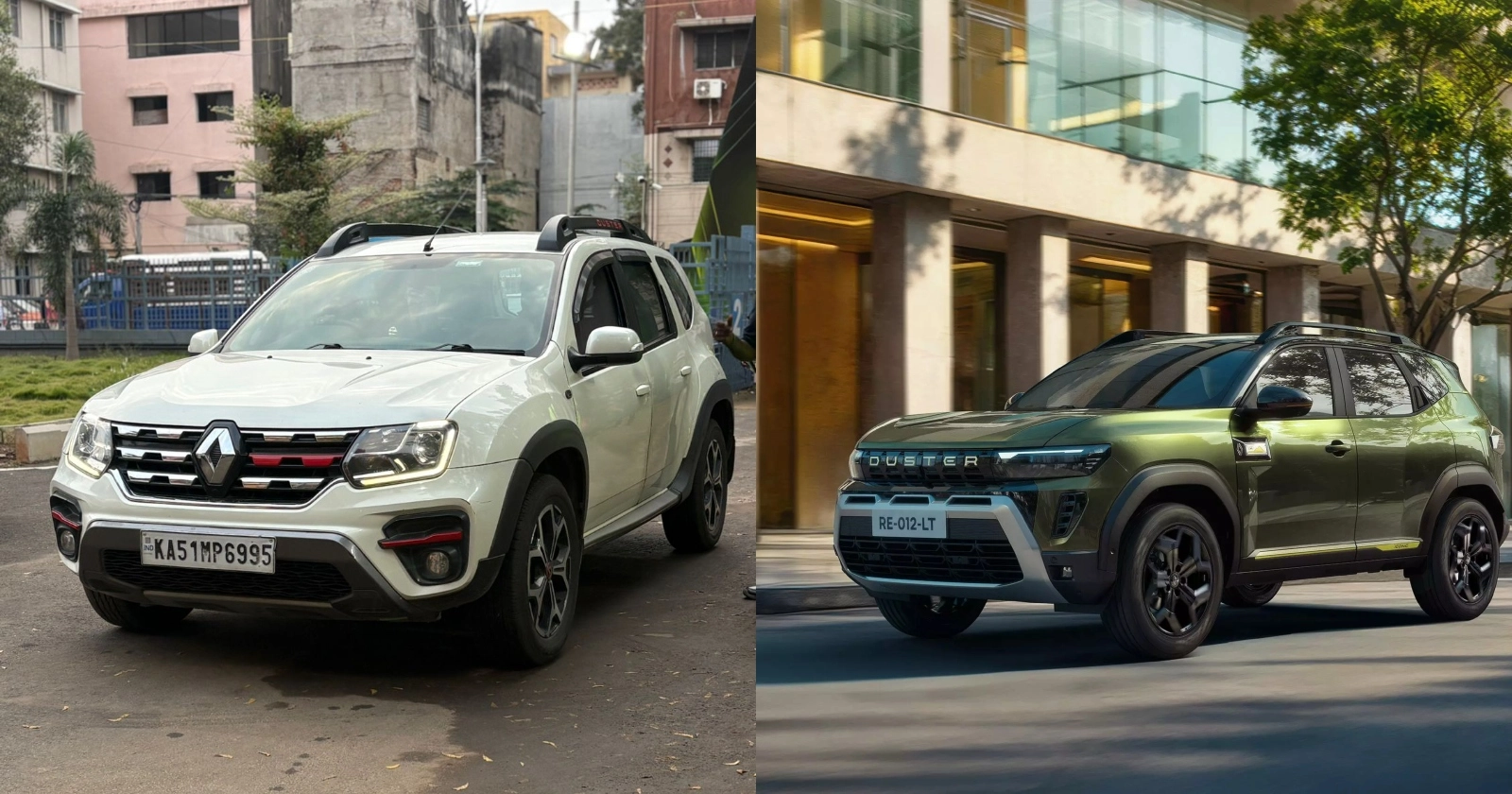
The new-gen Renault Duster is based on the CMF-B platform that will also underpin a longer, seven-seat version of the same named Boreal.


Share Post
The new-gen Renault Duster is based on the CMF-B platform that will also underpin a longer, seven-seat version of the same named Boreal.

Renault has unveiled the much anticipated Duster in a brand new avatar. Making a comeback after four years, the Renault Duster is credited with kickstarting the monocoque compact SUV segment in India. Today, it is one of the most hotly contested segments in the Indian passenger vehicle market.
The French carmaker skipped the second-gen Duster which made its global debut in 2019. As expected, the new third-gen model is way different from the OG Duster which set foot in India back in 2012. Here’s a detailed rundown of how the new Duster is different from its predecessor.
The old Renault Duster featured a relatively simple and understated design. Up front, it was characterised by a small grille with limited chrome detailing, round headlamps and a gently contoured bumper with circular fog lamps. A silver skid plate added a subtle rugged touch, while the overall look remained functional rather than aggressive.
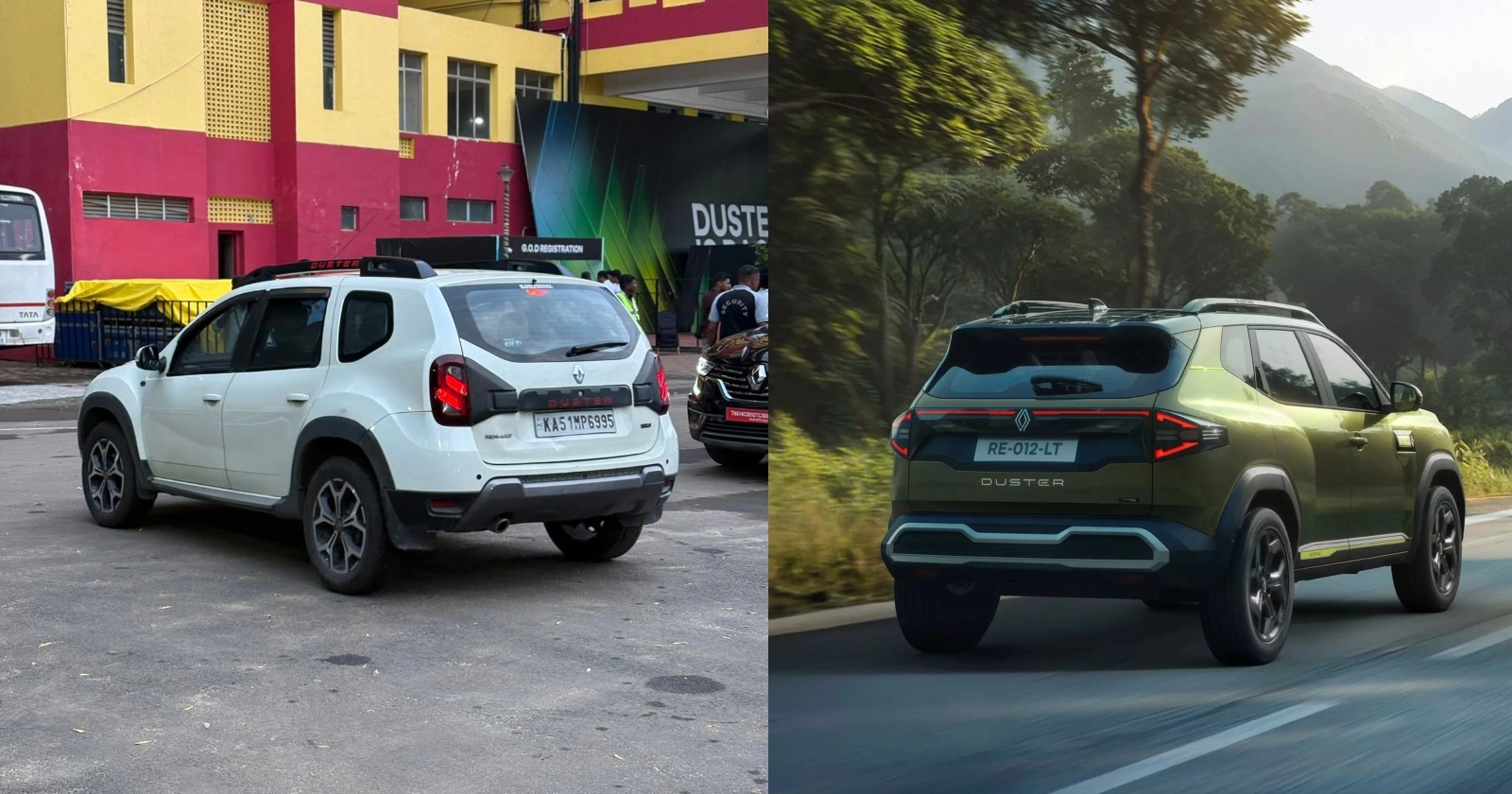
From the side, flared wheel arches, high ground clearance and roof rails delivered a recognisable SUV stance. The curvy silhouette and modest alloy wheel design reinforced its practical, no-nonsense appeal. At the rear, the design was equally restrained, with small oval tail lamps, a flat tailgate and minimal detailing that aligned with the Duster’s utilitarian character.
The 2026 Duster represents a significant design shift. The front end is far more assertive, featuring a wide grille with prominent ‘RENAULT’ lettering, sharp headlamps with Y-shaped LED DRLs and a heavily sculpted bumper with a contrasting silver skid plate. In profile, the SUV adopts cleaner, sharper lines, thicker cladding and squared-off wheel arches, complemented by larger 18-inch diamond-cut alloy wheels.
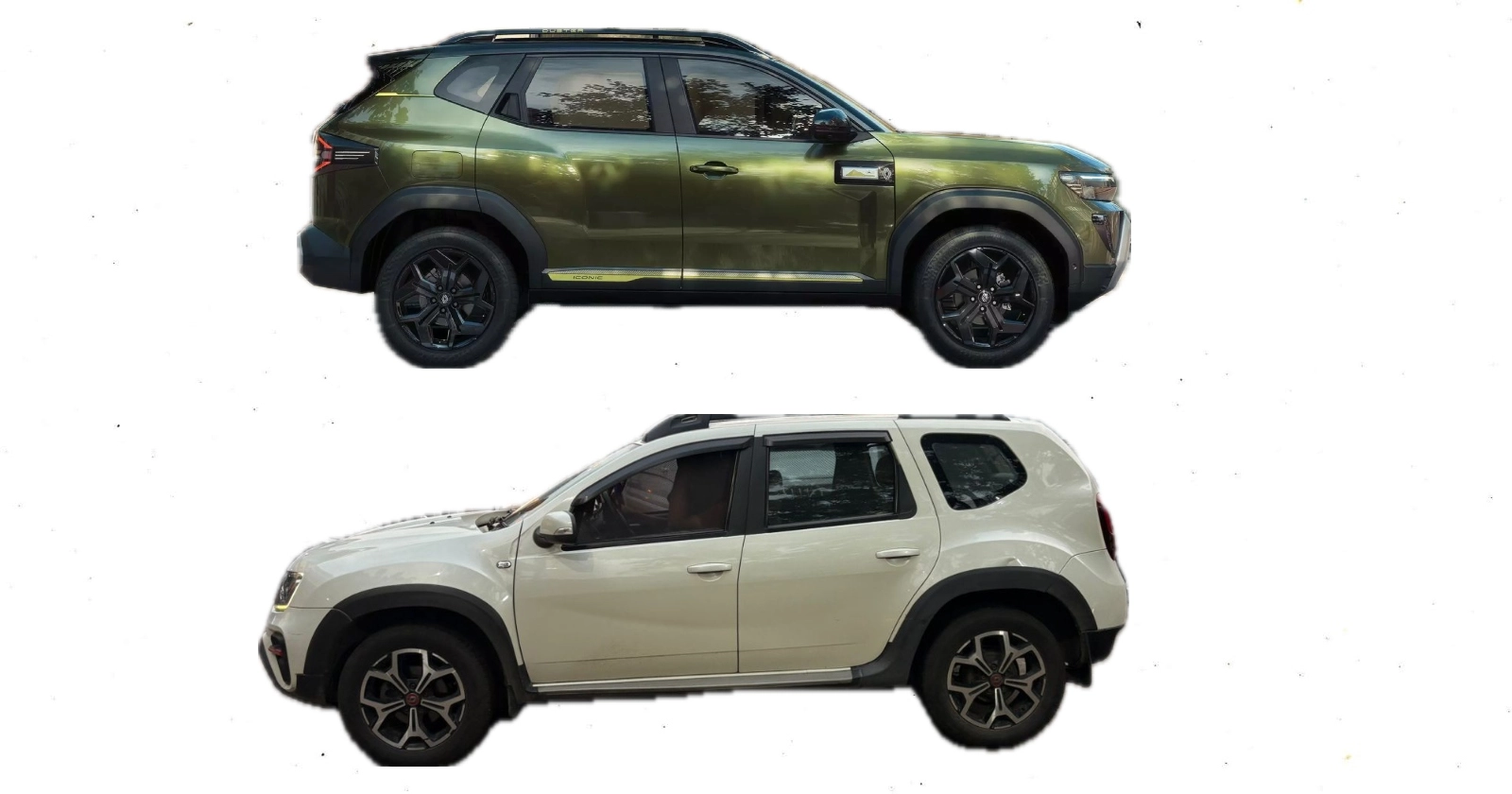
Rear door handles integrated into the C-pillar add a contemporary touch. At the rear, inverted Y-shaped LED tail lamps, bold Duster badging spanning much of the width and a chunky bumper give the new Duster a distinctly modern and muscular identity.
The interior of the new-generation Duster represents a significant departure from its predecessor, offering a notably more premium and modern cabin experience. The earlier model featured a basic layout with a small infotainment screen, analogue instrument dials, round air vents and extensive use of hard plastics. Storage options were limited, the steering wheel design was simple, and the high-set dashboard relied on a dual-tone theme to add a sense of sophistication.
In contrast, the new Duster adopts a completely redesigned and more upmarket interior. The dashboard now incorporates a centrally mounted floating touchscreen, paired with a fully digital instrument cluster for a contemporary look. A new flat-bottom steering wheel, silver accents and more distinctive air vent designs further elevate the cabin ambience.
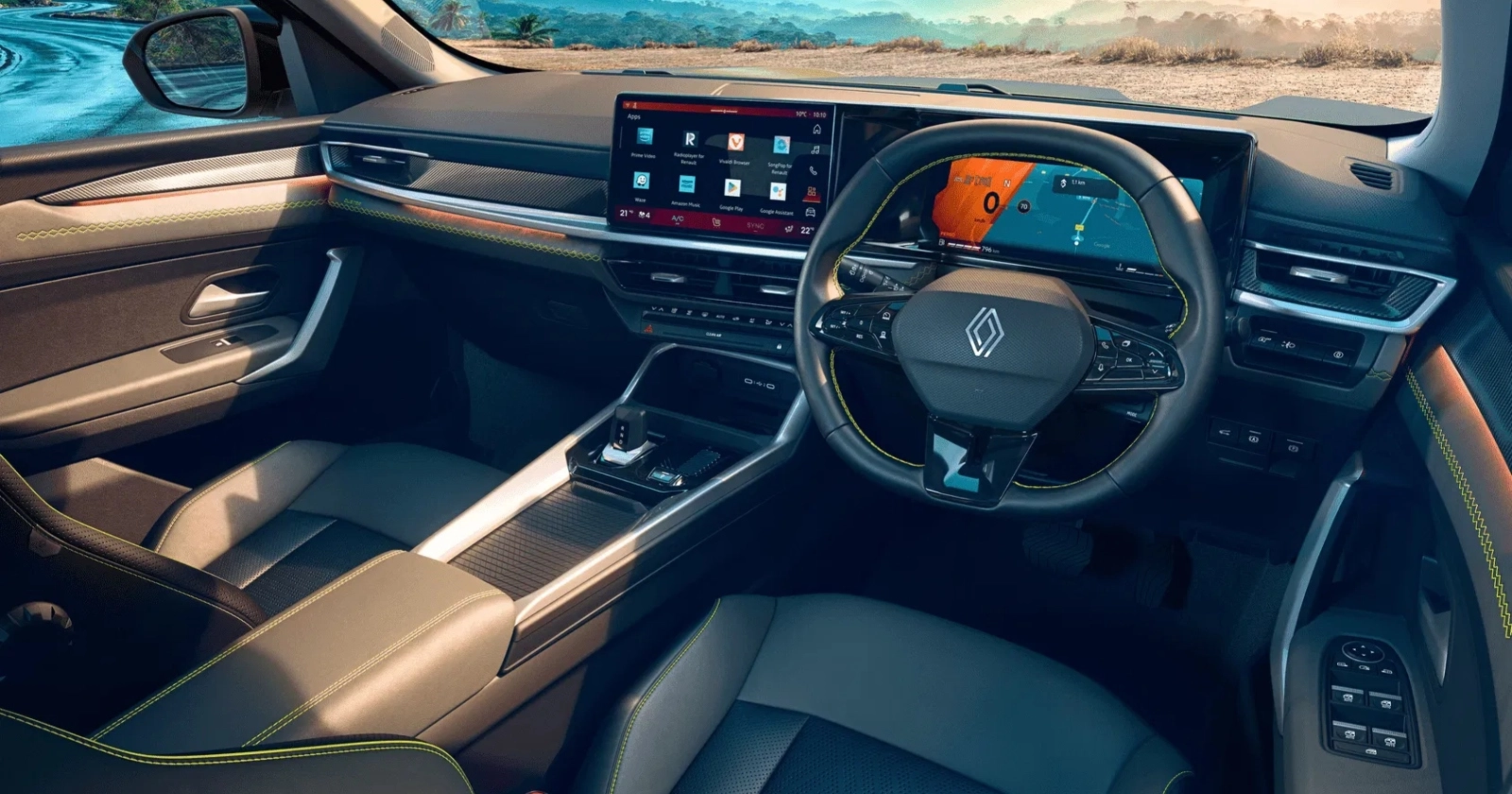
The feature list has also seen a substantial upgrade, with equipment such as wireless Android Auto and Apple CarPlay, a 360-degree camera, automatic climate control and Level 2 ADAS offered on higher variants. Additional amenities may include a wireless charger, panoramic sunroof, ventilated and powered front seats, auto-dimming IRVM and a premium audio system.
Also READ: 2026 Renault Duster To Launch Soon: What To Look Out For?
The old Renault came with multiple engine options including petrol as well as diesel. The first model came with a 1.5-litre naturally aspirated petrol engine that churned 105 bhp and a 1.5-litre diesel engine that came in two states of tune 84 bhp and 109 bhp. The latter also came with the option of an all-wheel drive system. The facelifted Duster in the BS6 avatar got rid of the diesel mill and introduced a new 1.3-litre turbocharged petrol engine that pushed out 154 bhp.
On the other hand, the new-gen Duster gets three powertrain options with the new Duster. This includes a 10-litre turbocharged petrol mill borrowed from the Kiger that churns out 99 bhp. There is also a 1.3-litre turbo-petrol engine that produces 161 bhp and 280 Nm of torque. This makes it the most powerful engine in its segment. Finally, there is a new 1.8-litre strong-hybrid petrol engine option with dual electric motors that puts out a combined output of 160 bhp.

Mercedes-Benz VLE Breaks Cover, Claims 700 Km Range
Acko Drive Team 11 Mar, 2026, 7:11 AM IST
Suzuki Katana Limited Edition Launched in Germany
Acko Drive Team 11 Mar, 2026, 6:44 AM IST
VinFast Announces EV Incentives Amid Rising Fuel Prices
Acko Drive Team 11 Mar, 2026, 4:35 AM IST
VECV Announces Leadership Reshuffle — Appoints B Srinivas as CEO, Vinod Aggarwal as Chairman
Acko Drive Team 10 Mar, 2026, 3:34 PM IST
Mahindra BE 6 Batman Edition 2nd Batch Sold Out
Acko Drive Team 10 Mar, 2026, 12:11 PM IST

Looking for a new car?
We promise the best car deals and earliest delivery!
