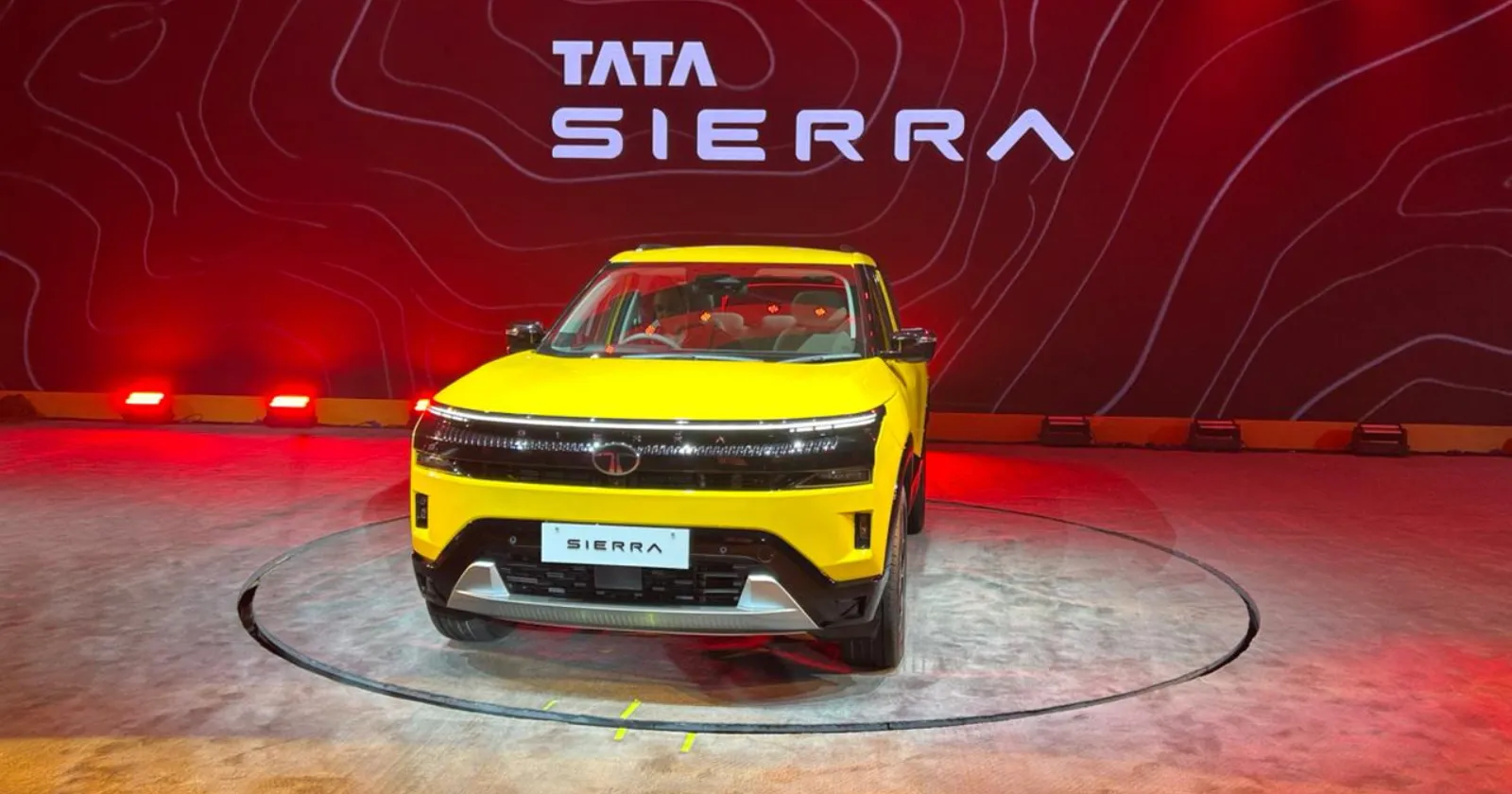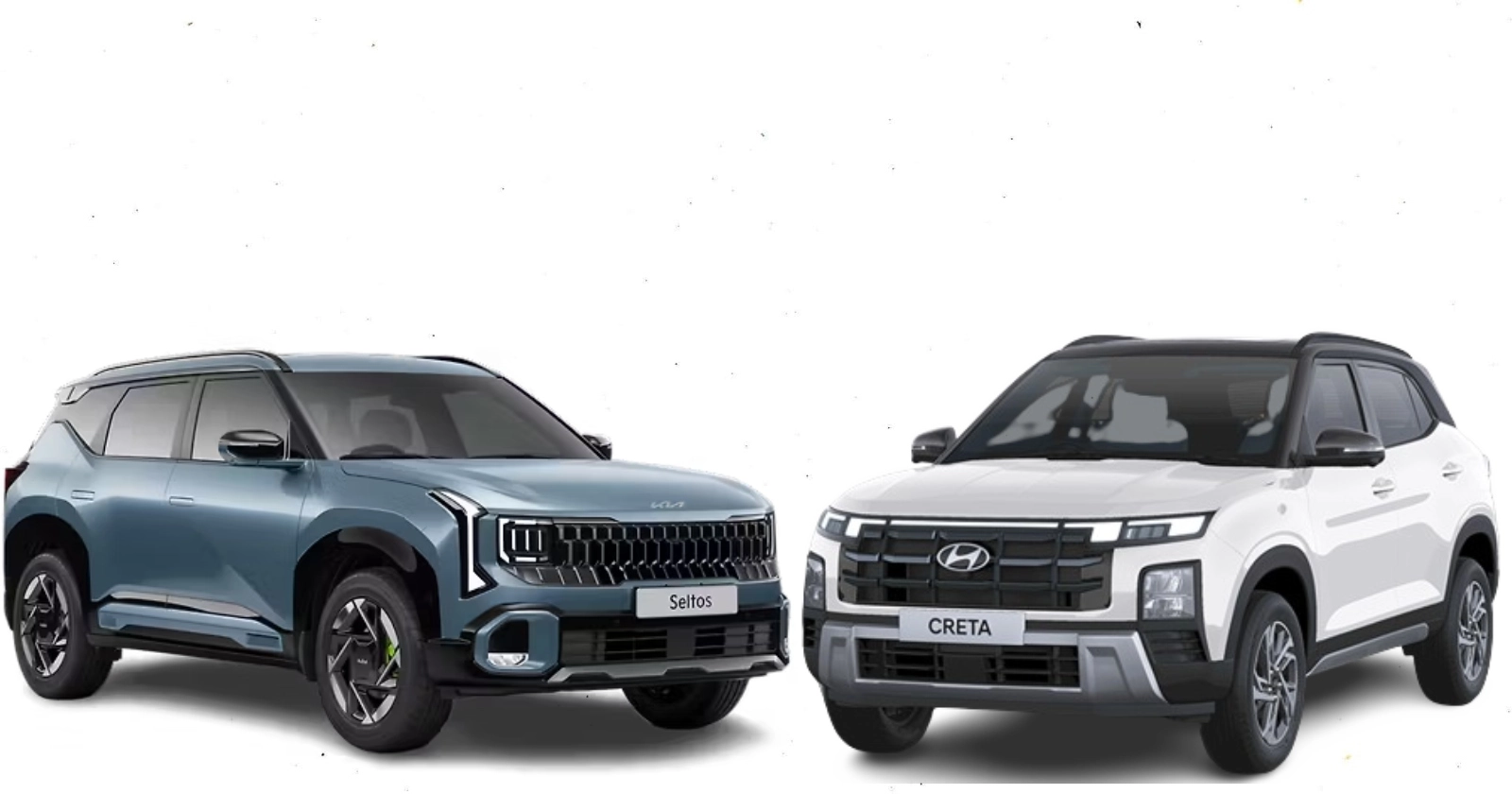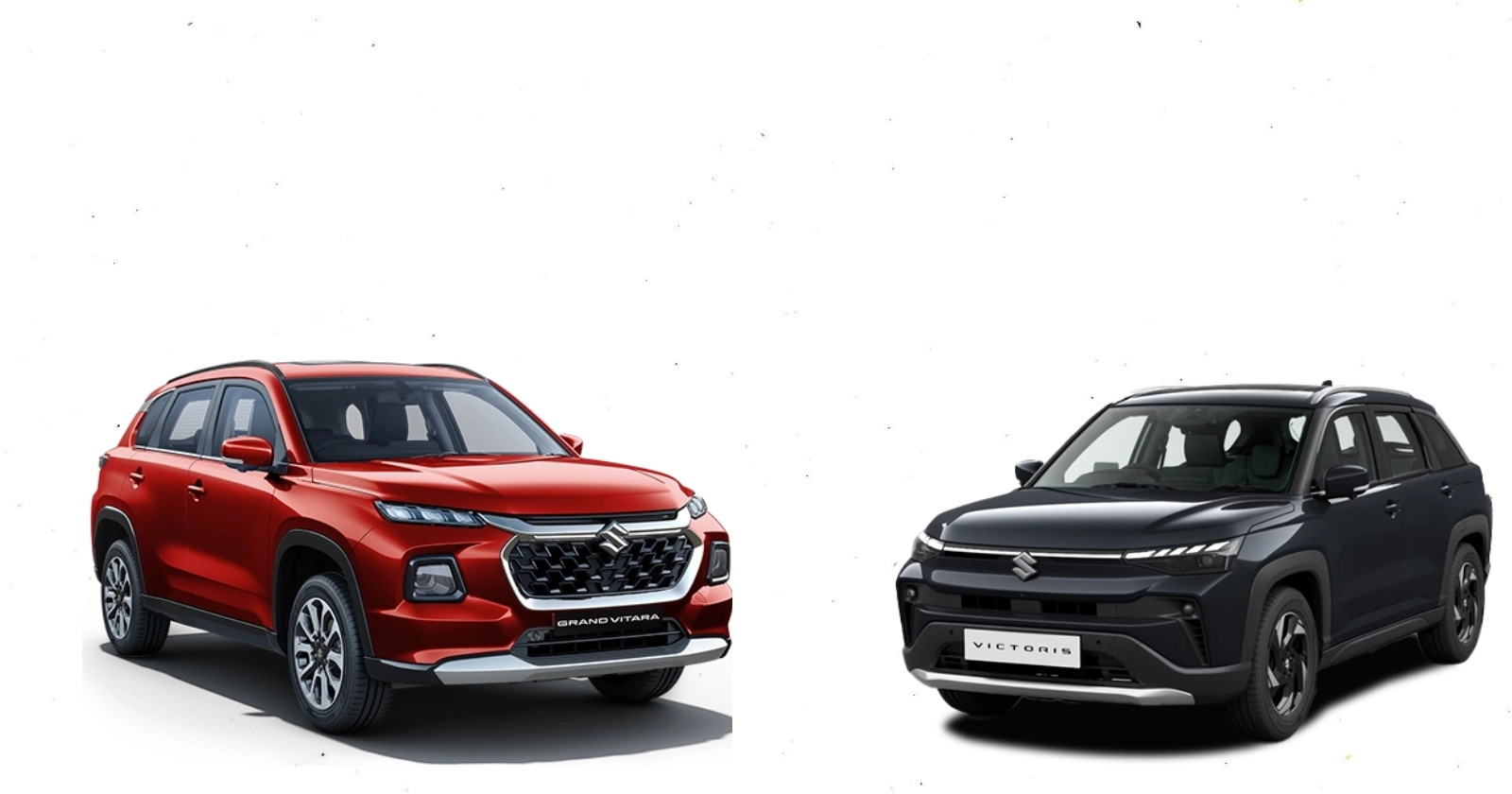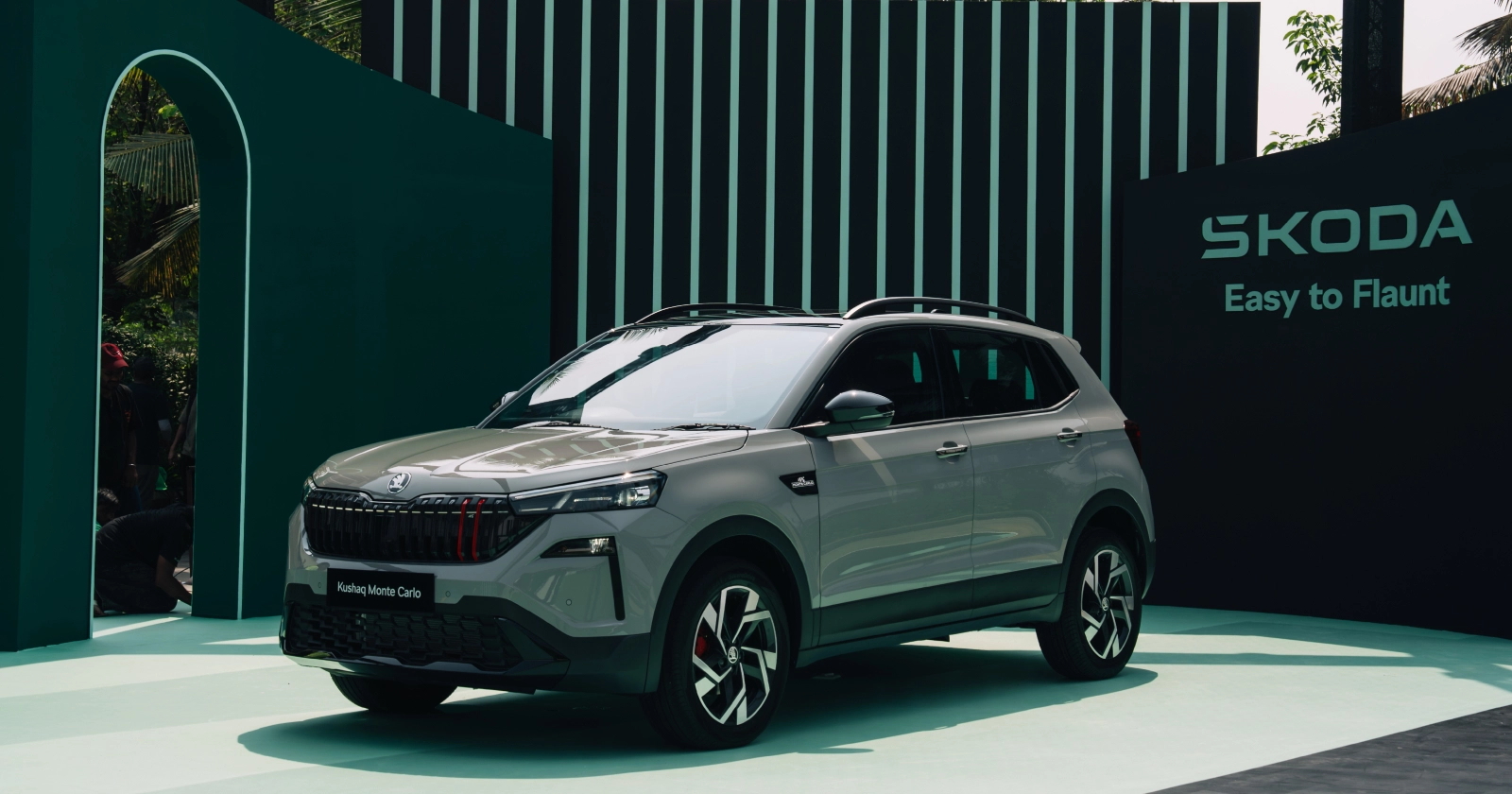



Renault Duster locks horns with a host of compact SUVs such as Tata Sierra, Hyundai Creta, Kia Seltos, Maruti Suzuki Grand Vitara, Victoris, and Skoda Kushaq.
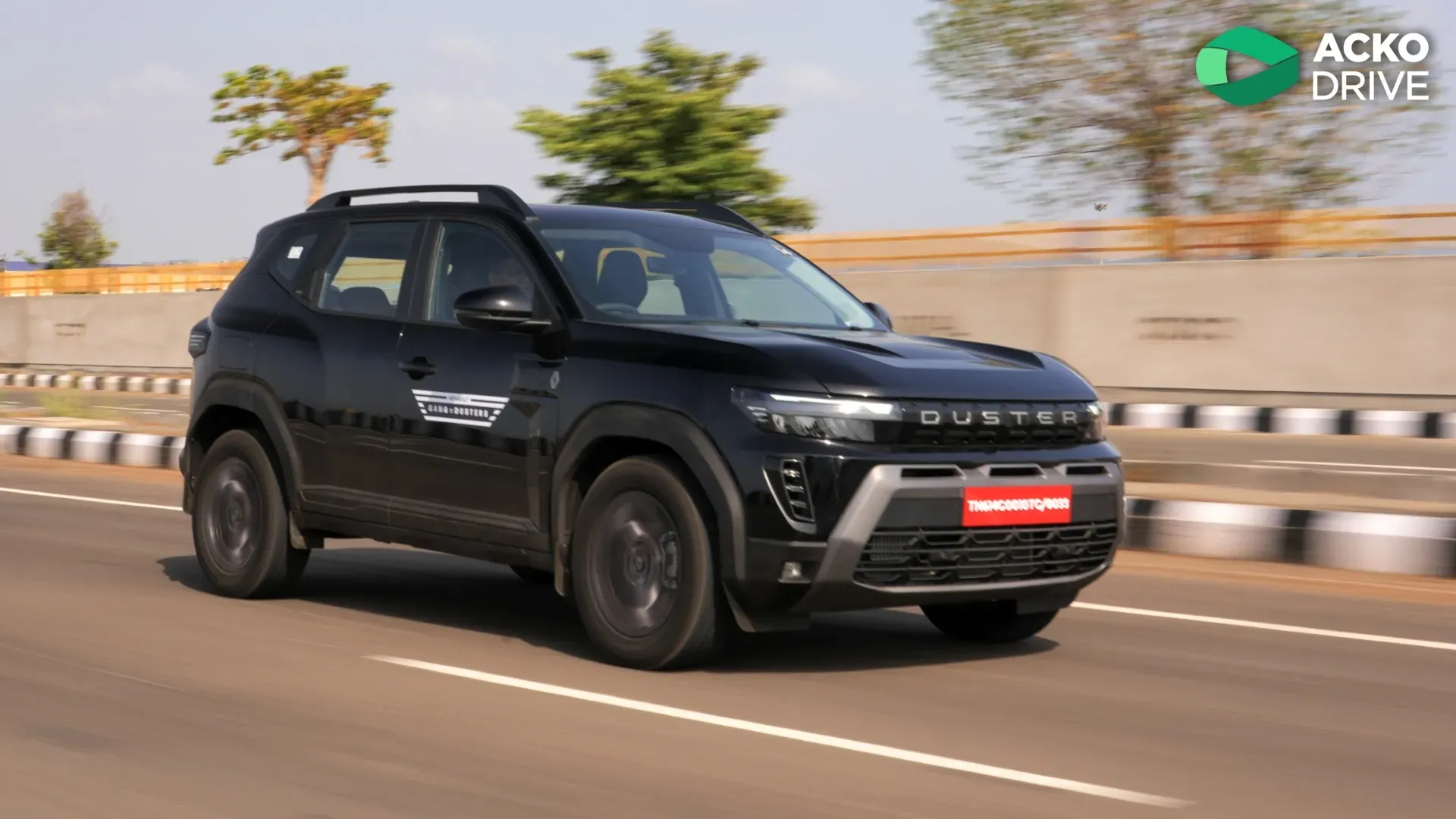
The Renault Duster kickstarted the monocoque compact SUV segment in India back when it was first launched in 2012. Now, with its re-entry into the market after a hiatus of almost four years, the new Duster finds itself in the middle of one of the most crowded segments in the Indian passenger vehicle market. Needless to say, the competition in this segment is fierce.
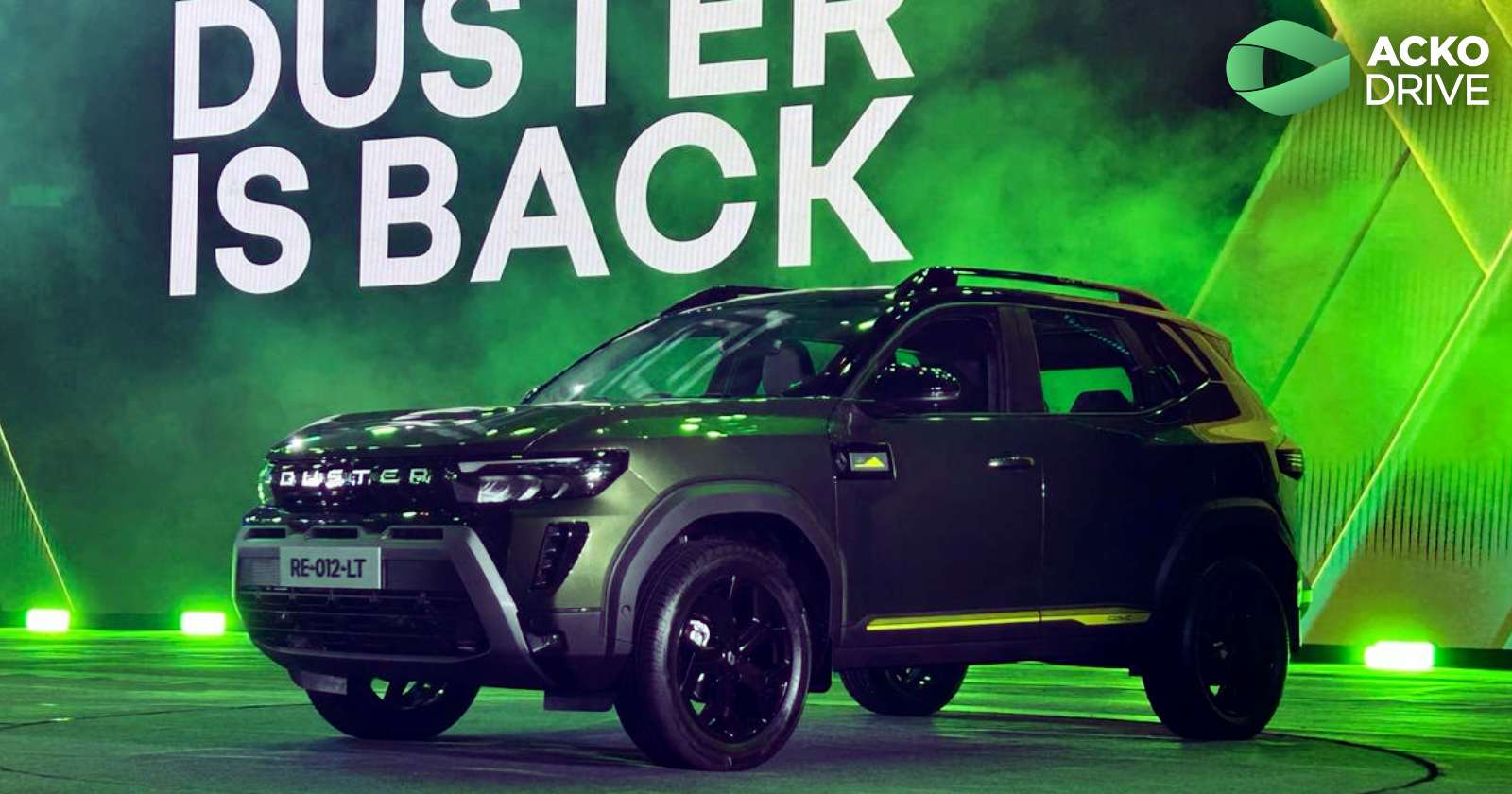
The French carmaker has taken the lid off the new third-gen Duster for India which gets plenty of changes over its predecessor. More importantly, the new Renault Duster comes with a completely new powertrain setup.
Renault is offering three engine options with the all-new Duster. The first is a 1.0-litre three-cylinder turbo-petrol (TCe 100) that produces 100 bhp and 160 Nm of peak torque. This unit is available exclusively with a six-speed manual. The second is a 1.3-litre, four-cylinder turbo-petrol (Turbo TCe 160) that develops 161 bhp and 280 Nm of torque. This 1.3-litre turbo petrol mill can be had with either a six-speed manual or a six-speed DCT automatic gearbox.
Lastly, there is a 1.8-litre, four-cylinder direct-injection petrol engine (E-Tech 160) paired with two electric motors which draw power from a 1.4 kWh battery. This strong hybrid powertrain delivers 160 bhp and 172 Nm of peak torque. Here’s a rundown of how the new Renault Duster compares against some of its closest rivals in the compact SUV segment.