
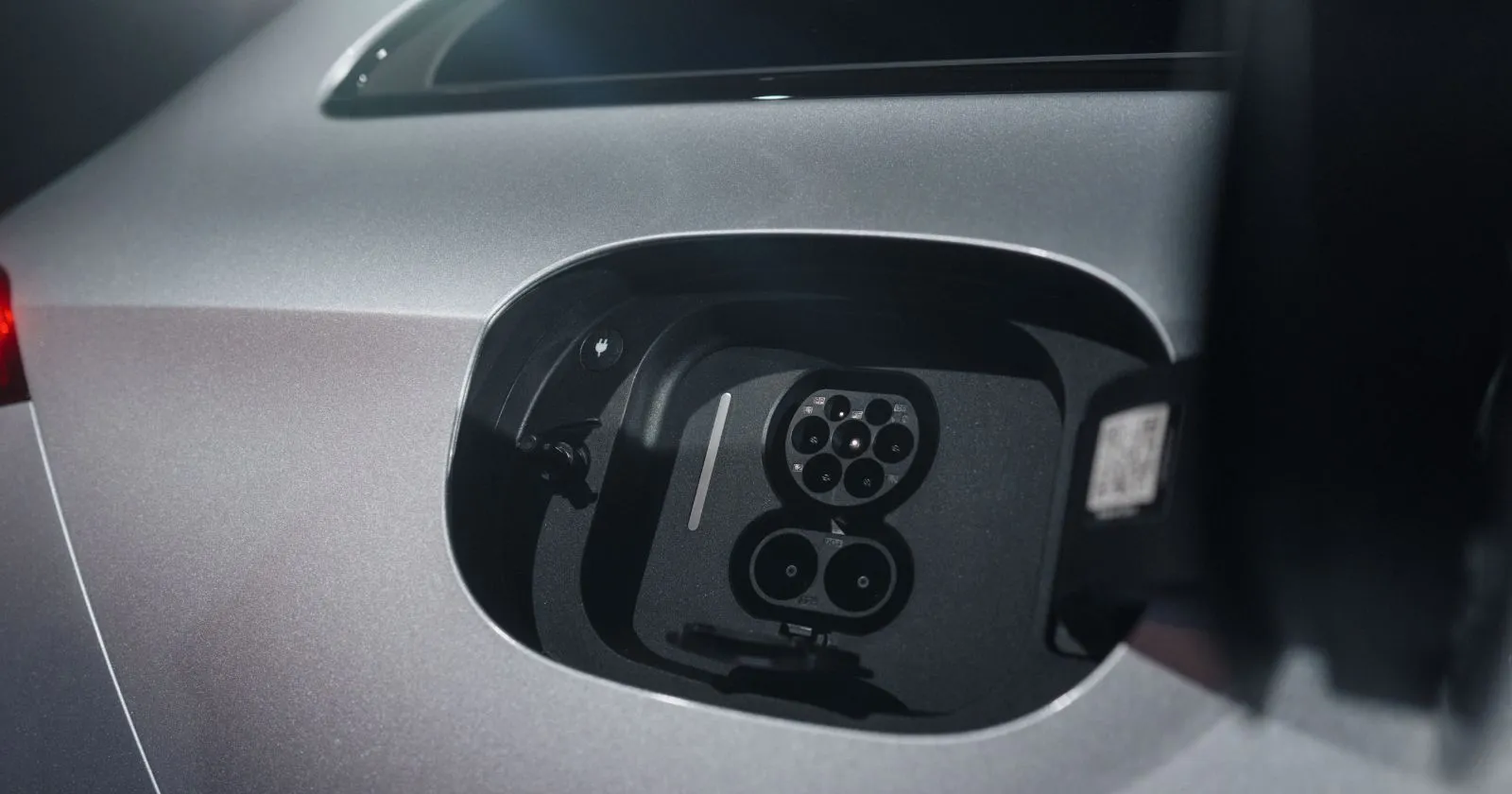
Many PHEVs, especially luxury models, are rarely charged and are run primarily on their combustion engines.


Share Post
Many PHEVs, especially luxury models, are rarely charged and are run primarily on their combustion engines.
Germany’s Fraunhofer Institute has published a study after analysing real-world usage data from nearly a million plug-in hybrid cars across Europe, and its findings might upend current assumptions about fuel efficiency and emissions. Contrary to manufacturers’ claims, the study titled Regulatory Adjustments for Plug-in Hybrid Vehicles in Europe could result in a reevaluation of climate policy regulations, vehicle certifications, and the metrics used to create them.
According to the report, average real-world fuel consumption for the PHEVs was 5.9 litres per 100 km. This exceeds the current WLTP (Worldwide Harmonised Light Vehicles Test Procedure) target of 1.57 litres, by about 3X, showing that PHEVs in practice consume as much fuel as standard combustion-engine cars. The study shows that this is because only about a quarter of all distance driven was in pure electric mode. Regulations in Europe do not currently specify any proportion of distance driven that must be handled completely with electric power, leading to situations when a PHEV allows its combustion engine to run even when the electric battery is able to provide power.
In electric mode, average real-world fuel consumption dropped to 2.8 litres per 100 km, showing that the combustion engine was still called into action. The numbers show a gap between figures calculated for the purpose of formulating regulations, and real-world experience.
Plug-in hybrids are able to run in electric or combustion mode, with the assumption being that short distances can be covered solely on electric power and that the combustion engine is a fallback for when the battery reaches its minimum state of charge. Car manufacturers use PHEVs to help achieve their fleetwide CO2 emissions goals, based on type-approval values.
However, real-world performance is 3-5X higher, according to the report. The study calculates real-world CO2 emissions at approximately 140 g per kilometre, or around 17 tonnes per vehicle over a 15-year lifespan.
The study, claimed to be the largest and most comprehensive real-world one yet, used onboard fuel consumption and monitoring (OBFCM) data from 981,035 cars produced between 2021 and 2023.
Interestingly, the study also showed that when broken down by manufacturer, car usage data showed that luxury models were less likely to be driven on electric power than mass-market ones. Porsche, Ferrari, Bentley, Mini, and Lexus models were charged least often, with their owners virtually ignoring the electric drivetrain option in some cases, whereas Toyota, Seat, Ford, Cupra, and Mitsubishi PHEV cars in the study were charged most often.
While PHEVs are commonly seen as a bridge between combustion and fully electric vehicles, the study’s authors suggest that this be reconsidered at the policy level in light of their inability to serve as a climate-neutral option. The study also suggests that PHEVs jeopardise current climate goals and could delay a transition to zero-emission cars. Therefore, the study suggests minimum electric ranges should be enforced, and that PHEVs should be phased out or severely limited by the year 2035.

Study Finds Plug-in Hybrid Mileage, Emissions Much Worse Than Manufacturers’ Claims
Acko Drive Team 21 Feb, 2026, 11:37 AM IST
From Cows to Chaos: Why ADAS Systems Must Be Reengineered for India
Arun Prakash 21 Feb, 2026, 7:33 AM IST
Ola Announces Gen 3 Scooter, Bike Upgrade Programme for Current Owners
Acko Drive Team 21 Feb, 2026, 7:02 AM IST
2026 Tata Punch EV Facelift Variants and Features Explained
Acko Drive Team 20 Feb, 2026, 3:24 PM IST
Refreshed Tata Punch EV Aims to Massify EVs in Entry-Level Car Segment, Leveraging Falling Battery Prices, Product Optimisation
Sumantra Bibhuti Barooah 20 Feb, 2026, 12:29 PM IST

Looking for a new car?
We promise the best car deals and earliest delivery!
