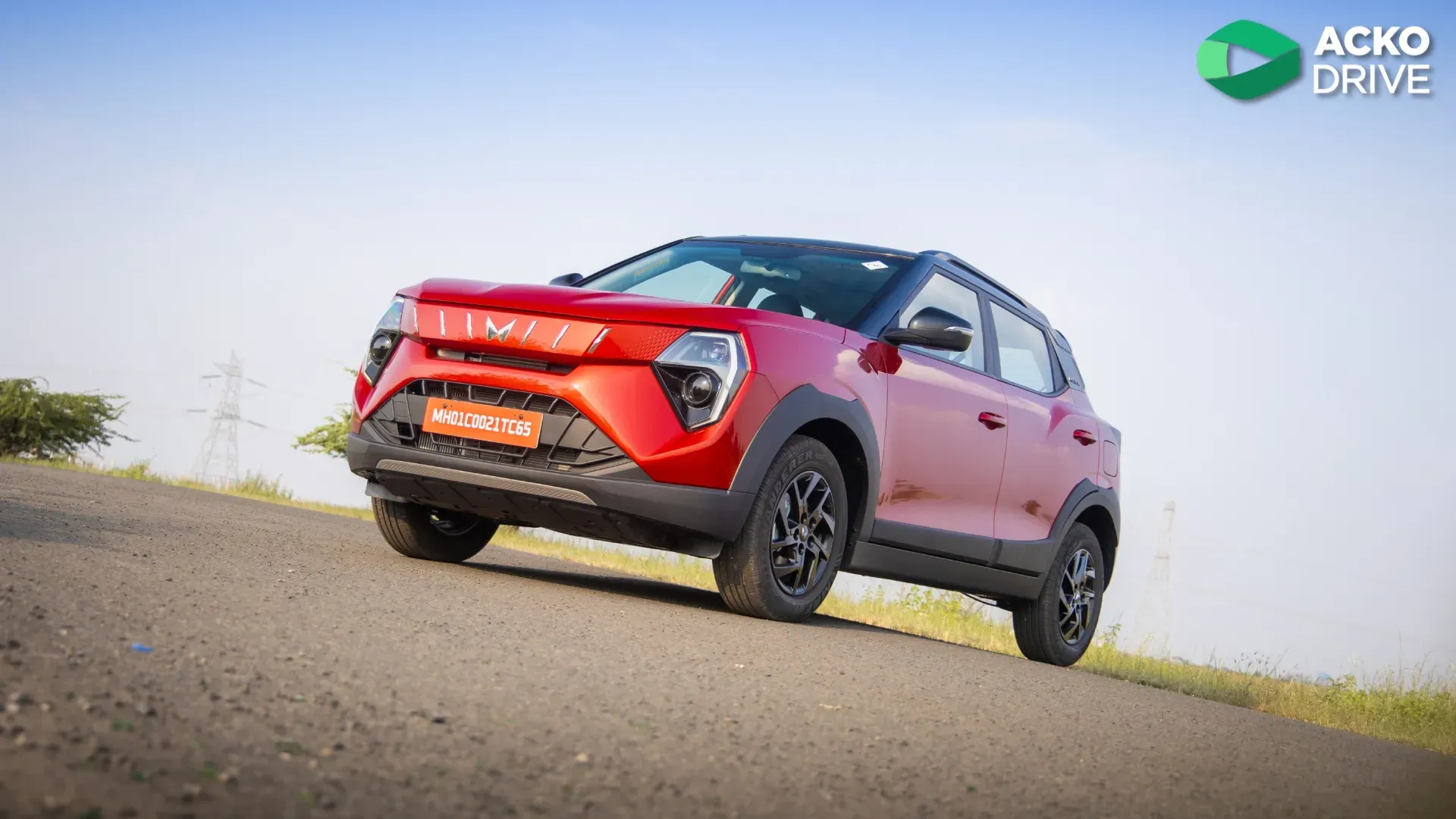


A two-judge bench led by Justices Surya Kant and Joymalya Bagchi on November 13, 2025, proposed pilot projects in major metros to speed up the shift from ICE vehicles to EVs.

Share Post

A two-judge bench led by Justices Surya Kant and Joymalya Bagchi on November 13, 2025, proposed pilot projects in major metros to speed up the shift from ICE vehicles to EVs.
In a landmark hearing, the Supreme Court of India has advocated for a phased ban on high-end petrol and diesel vehicles, suggesting this as a strategic step to accelerate the country’s shift toward electric mobility. The proposal emerged during a public interest litigation (PIL) hearing aimed at compelling the effective implementation of national EV policies, including National Electric Mobility Mission Plan (NEMMP) and NITI Aayog’s Zero Emission Vehicles framework.
According to Bar and Bench, a bench comprising Justices Surya Kant and Joymalya Bagchi noted that premium internal combustion engine (ICE) cars, which are often used by VIPs and large corporations, could be the first to face restrictions. Justice Kant observed that large electric vehicles are already available, offering comparable comfort to ICE luxury models. He suggested that banning such vehicles in a phased manner would affect only a small, affluent segment and leave ordinary citizens largely unaffected.
Addressing concerns over inadequate charging infrastructure, the Court remarked that electric-vehicle adoption would itself drive the growth of charging stations. Citing market forces, the bench proposed that existing petrol stations and public transport hubs could be retrofitted with chargers as EV penetration increases.
Attorney General R. Venkataramani, representing the Centre, expressed tentative support for the court’s suggestion, noting that 13 ministries are actively involved in coordinating EV policy implementation and infrastructure expansion. He informed the court that the government would submit a consolidated status report on all relevant EV-related policy notifications.
The bench also questioned whether current EV policies require fresh examination. Noting that some policies are more than five years old, Justices Kant and Bagchi suggested a re-evaluation of the existing frameworks, including the NEMMP. The Attorney General committed to filing a detailed report outlining all notifications and progress made so far. The Supreme Court has scheduled the next hearing in four weeks to assess the report and deliberate on the proposal further.
If adopted, this phased ban could mark a significant policy pivot, placing premium combustion engine-powered vehicles at the forefront of India’s decarbonisation drive. By targeting luxury fossil-fuel cars first, the court’s approach aims to minimise social impact while sending a strong signal to both auto manufacturers and consumers.
Although this is only a proposal at this point in time, it could lead to more concrete implications in favour of battery-powered vehicles in the coming future. The move also signals judicial impatience with the slow pace of EV infrastructure roll-out. By linking infrastructure expansion to EV adoption, the Supreme Court through this hearing believes that market demand, not just regulation, will fuel India’s electric mobility revolution.
Also READ: Auto Sales Oct 2025: SIAM Reports Strong Festive Boost; 2W, PV Sales Hit Record Dispatches
Maruti Suzuki Widens Market Lead in Q1 as War-Linked Costs Squeeze Profits Across the Industry
Ameya Naik 31 Jul, 2026, 12:41 PM IST
Tesla Opens Test Drives for Model Y RWD, Adds Grok AI Assistant in India
Ameya Naik 31 Jul, 2026, 12:15 PM IST
Kia Sorento Premium SUV Teased For India Ahead Of Launch This Festive Season
Team Ackodrive 31 Jul, 2026, 8:59 AM IST
Xiaomi Skynomad N90 Launched in China: Flagship 7-Seat Range Extender Hybrid SUV With Flexible Interior
Jamshed Avari 31 Jul, 2026, 8:27 AM IST
TVS Raider Super Squad Edition Launched in India at ₹95,320
Acko Drive Team 31 Jul, 2026, 8:03 AM IST
Looking for a new car?
We promise the best car deals and earliest delivery!