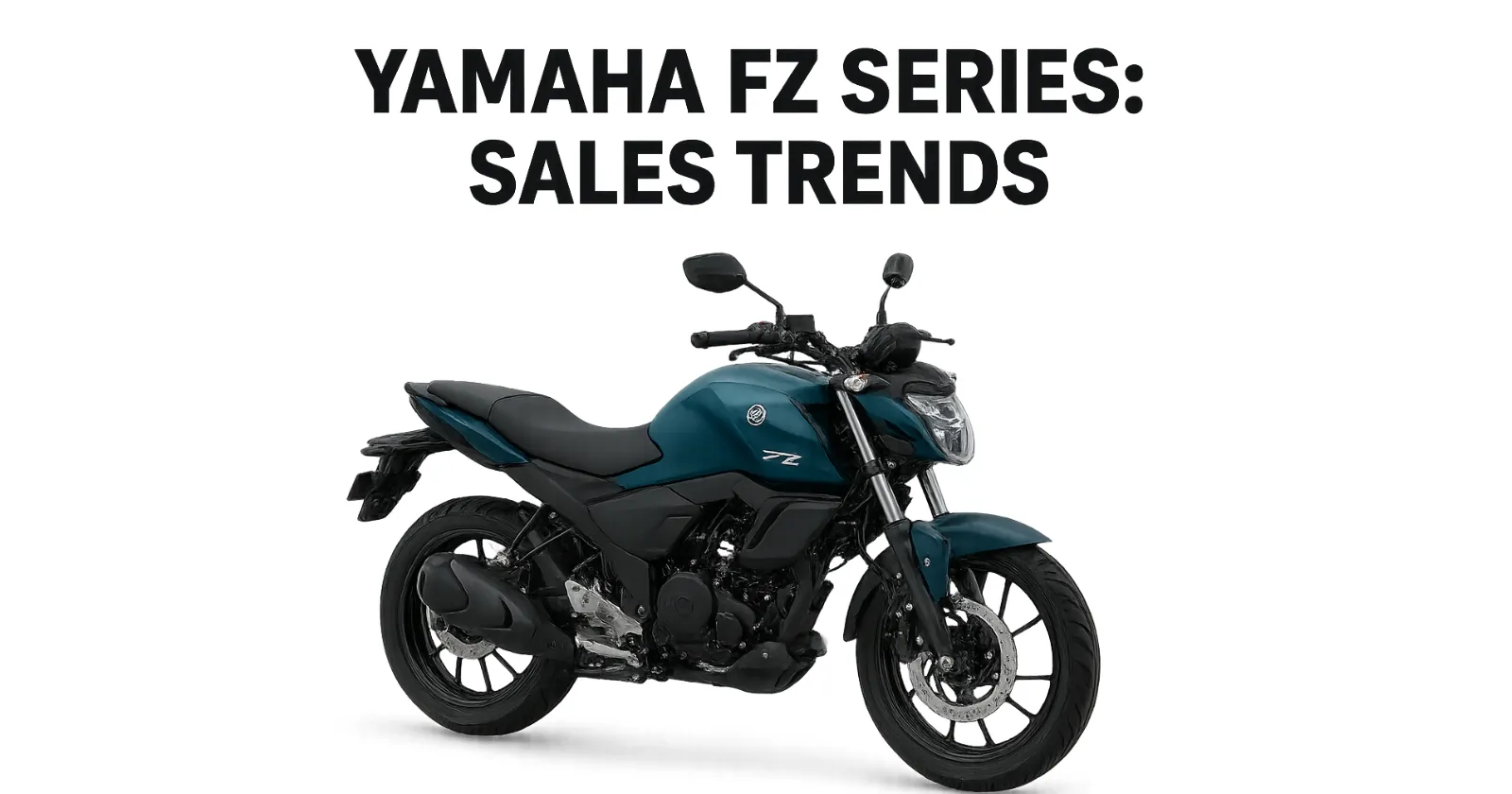
The journey of Yamaha FZ in India
When Yamaha introduced the FZ16 in 2008, it caused a new buzz for the 150cc segment. Most of the motorcycles in the segment at that time were commuter-oriented, plain in their design, and didn't provide much in the way of styling. Yamaha broke the norm by introducing muscular street styling drawn from larger foreign bikes, wider tyres, and an aggressive riding position.
Over time, the FZ diversified into several variants, such as the FZ-S, FZ-Fi, and FZ-X. Each model appealed to slightly different segments of consumers, ranging from sporty riders seeking quick handling to commuters seeking comfort to urban youth seeking a retro-styled machine.
This flexibility is one of the greatest reasons that the FZ brand continues to be strong even after over 15 years in India.
Sales numbers are among the best indicators of a motorcycle's market performance. Yamaha has managed to keep the FZ series consistent despite tough competition from other brands like Bajaj Pulsar, TVS Apache, and Honda Hornet.
Yamaha sold 11,110 units of all FZ series motorcycles, including the retro-styled FZ-X, in July 2025. This was a marginal improvement over June 2025 sales of 10,767 units. While the growth may not be massive, in a competitive two-wheeler market where sales are always unpredictable, this increasing trend shows that the FZ series still has a firm fan following.
Month after month, the FZ continues to draw riders who love style, performance, and dependability, even if it does not necessarily top the sales tables.
Why riders choose Yamaha FZ
There are several reasons why the Yamaha FZ series remains popular:
1. Bold and muscular styling: The wide tyres, chunky tank, and aggressive looks make the FZ stand out.
2. Refined engine: The fuel-injected 149cc engine delivers smooth and predictable power, perfect for city commuting.
3. Comfortable ride: Soft seats, upright posture, and good suspension mean it’s practical for everyday use.
4. Modern features: Digital displays, LED lighting, and Bluetooth-enabled consoles in newer variants keep it up to date.
5. Variety of options: From the regular FZ for city riders to the FZ-X for those who like retro charm, the series caters to different tastes.
FZ-X adds retro style to the line-up
One of the newest and most talked-about members of the FZ family is the Yamaha FZ-X. It blends modern performance with old-school design cues such as round headlamps, upright ergonomics, and simple body lines.
The FZ-X appeals to riders who don’t just want a commuter but also want something with character and style. Its addition to the lineup has helped Yamaha keep sales steady, especially among young professionals who want a motorcycle that looks unique on city roads.
How FZ compares with rivals
The 150cc–160cc motorcycle segment is one of the hottest in India, and competition is fierce. The Yamaha FZ competes with:
• Bajaj Pulsar 150/NS160: Known for performance and value.
• TVS Apache RTR 160: Loved for sporty handling and features.
• Suzuki Gixxer: Another strong contender with street presence.
While Pulsar and Apache often lead sales in raw numbers, the FZ maintains a loyal base thanks to its refined performance and Yamaha’s brand image of reliability and style.
Regional market response
The FZ series has a stronghold in urban markets such as Delhi, Bangalore, Pune, and Hyderabad, where buyers value style and brand perception. In smaller towns and semi-urban areas, it competes more directly with the Bajaj Pulsar, which is often cheaper and more widely available.
Still, Yamaha’s growing dealer network and better after-sales support have helped the FZ penetrate beyond metro cities.
Sales challenges Yamaha faces
It is a strong brand, but still Yamaha faces challenges in the FZ series:
• Price sensitivity: At around ₹1.20–₹1.30 lakh (ex-showroom), the FZ is more expensive than some rivals.
• Performance expectations: Enthusiasts sometimes feel the 149cc engine is underpowered compared to rivals like the Apache RTR 160.
• Competition from new entrants: Brands like Suzuki and even newcomers like CFMoto are slowly attracting younger buyers.
These hurdles mean Yamaha needs to balance pricing, features, and performance carefully to sustain long-term growth.
Opportunities for Yamaha in the FZ segment
On the positive side, Yamaha has several opportunities to boost FZ sales:
1. More variants: Offering sportier or special edition versions could attract enthusiasts.
2. Better mileage marketing: Highlighting its fuel efficiency could appeal to daily commuters.
3. Rural push: Expanding dealer networks further into Tier-2 and Tier-3 cities could grow sales.
4. Technology upgrades: Features like smartphone connectivity, riding modes, or hybrid tech could give it an edge.
Future of Yamaha FZ in India
The FZ series will probably continue progressing steadily in the future. With fuel-efficient motors, stylish looks, and Yamaha's commitment to quality, the FZ will be a reliable option for most. Yet, to attract younger riders who are technology-obsessed, Yamaha will have to bring in more powerful models or hybrid/electric ones in the long term.
The slight month-on-month sales increase in July 2025 is a small but encouraging sign that the brand is retaining its position and growing even marginally.
Final words
The Yamaha FZ line is a prime example of a motorcycle brand that has evolved without deviating from its origins. From the original FZ16 to the contemporary FZ-X, it has evolved with changing preferences yet retaining a faithful rider following.
Even though the way forward is not trouble-free, Yamaha's careful weighing of aesthetics, performance, and reliability guarantees that the FZ will continue to be a force to reckon with in India's two-wheeler market.
Frequently asked questions