

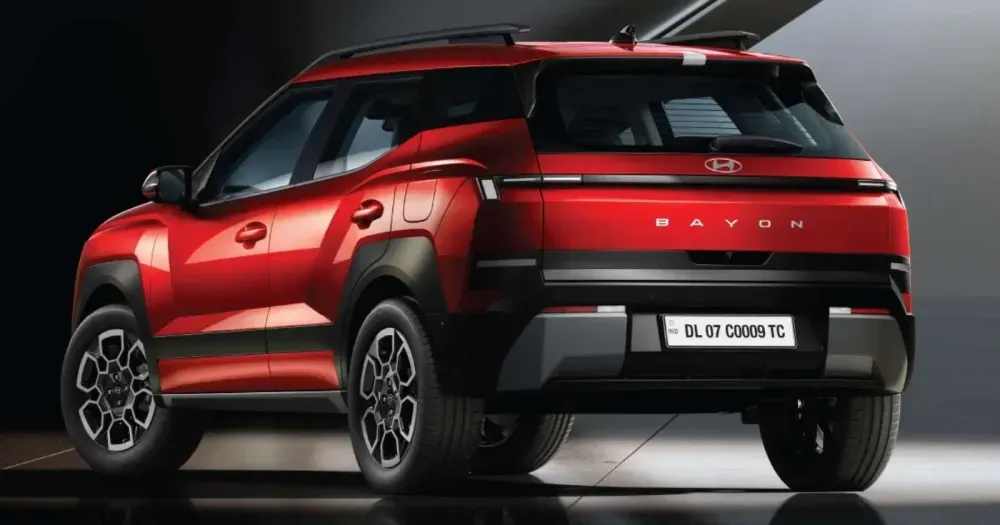
The new mid-size SUV, positioned between the Venue and the Creta, brings a generative-AI voice assistant and a 1.5-litre petrol engine to Hyundai's India line-up.
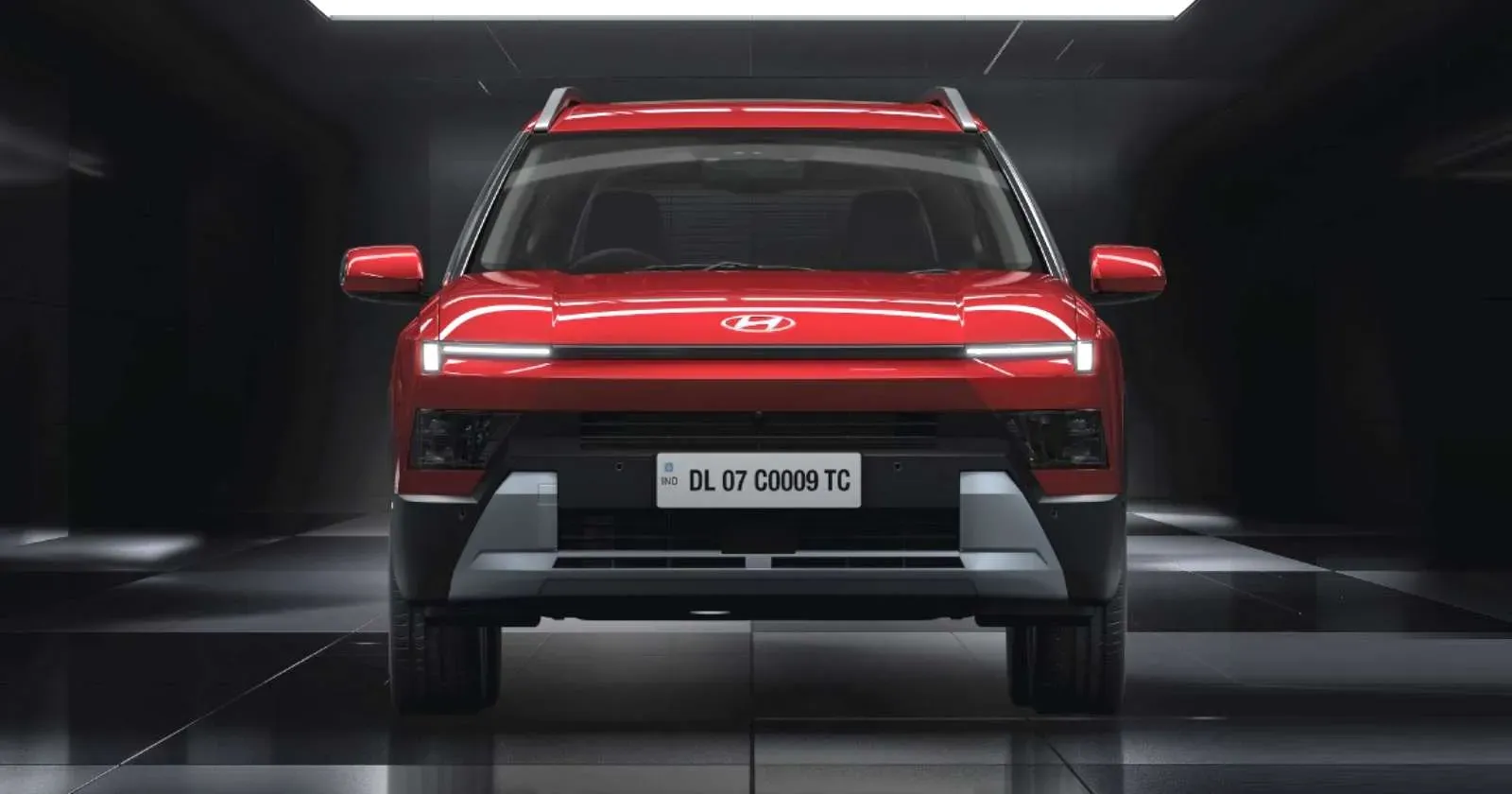
Hyundai Motor India Ltd (HMIL) will launch the Bayon on 26 October, the company's second mid-size SUV after the Creta and its first new nameplate of the festive season. Bookings opened on 23 September at Rs 11,000, and the India-spec model was unveiled on 12 October in Gurugram.
At 4.2 metres, the Bayon slots between the sub-four-metre Venue and the Creta, giving Hyundai a second product in the segment that now drives most of its India business. It is built on what the company calls its Global K Enhanced Platform and arrives with a single powertrain at launch: a 1.5-litre MPi petrol producing 113bhp and 144Nm, paired with a six-speed manual or an IVT automatic. There is no diesel or turbo-petrol option for now, though several outlets expect a factory-fitted CNG variant to follow.
Also read: Hyundai to Launch New Bayon SUV in India On October 26, Slotting Between Venue and Creta
The bigger shift is under the skin. Hyundai has built its first generative-AI voice assistant, developed with Perplexity and SoundHound, into the car's Nvidia-accelerated infotainment system, which runs across dual 12.3-inch curved displays. The assistant responds in English for now, while an offline voice-command set works across Hindi, Hinglish, Tamil, Bengali, Telugu and eight other languages. Hyundai says the Bayon also supports over-the-air updates for up to 19 vehicle controllers and extends Bluelink connectivity to more than 70 features.
Pricing and the full safety specification will be confirmed only at launch. Industry estimates put the ex-showroom range at roughly Rs 9–15 lakh, and expectations include six airbags, a 360-degree camera and Level 2 driver assistance, though none of this has been confirmed by Hyundai. The company has not put the Bayon through a Bharat NCAP crash test.
The launch is squarely aimed at the Maruti Suzuki Victoris, which has outsold most rivals in the 4.2–4.5-metre segment since its debut this year. That segment grew 66.87 percent year-on-year in August to 79,691 units, according to Rushlane, with seven new entrants, including the Victoris, Tata Sierra and Renault Duster, accounting for more than a quarter of the volume.
The timing reflects pressure building on Hyundai rather than comfort. Its India market share has slipped from 14 percent in 2024 to 11.8 percent this year, and it has dropped from second to fourth in the sales rankings even as SUVs now make up two-thirds of what it sells domestically. "BAYON represents the next generation of intelligent mobility for Indian customers," said Tarun Garg, HMIL's managing director and chief executive, at the unveiling, adding that the car places "technology and convenience at the heart of the customer experience."
Whether that technology translates into bookings will depend heavily on the price Hyundai sets on 26 October, in a segment where buyers have shown little patience for a premium.