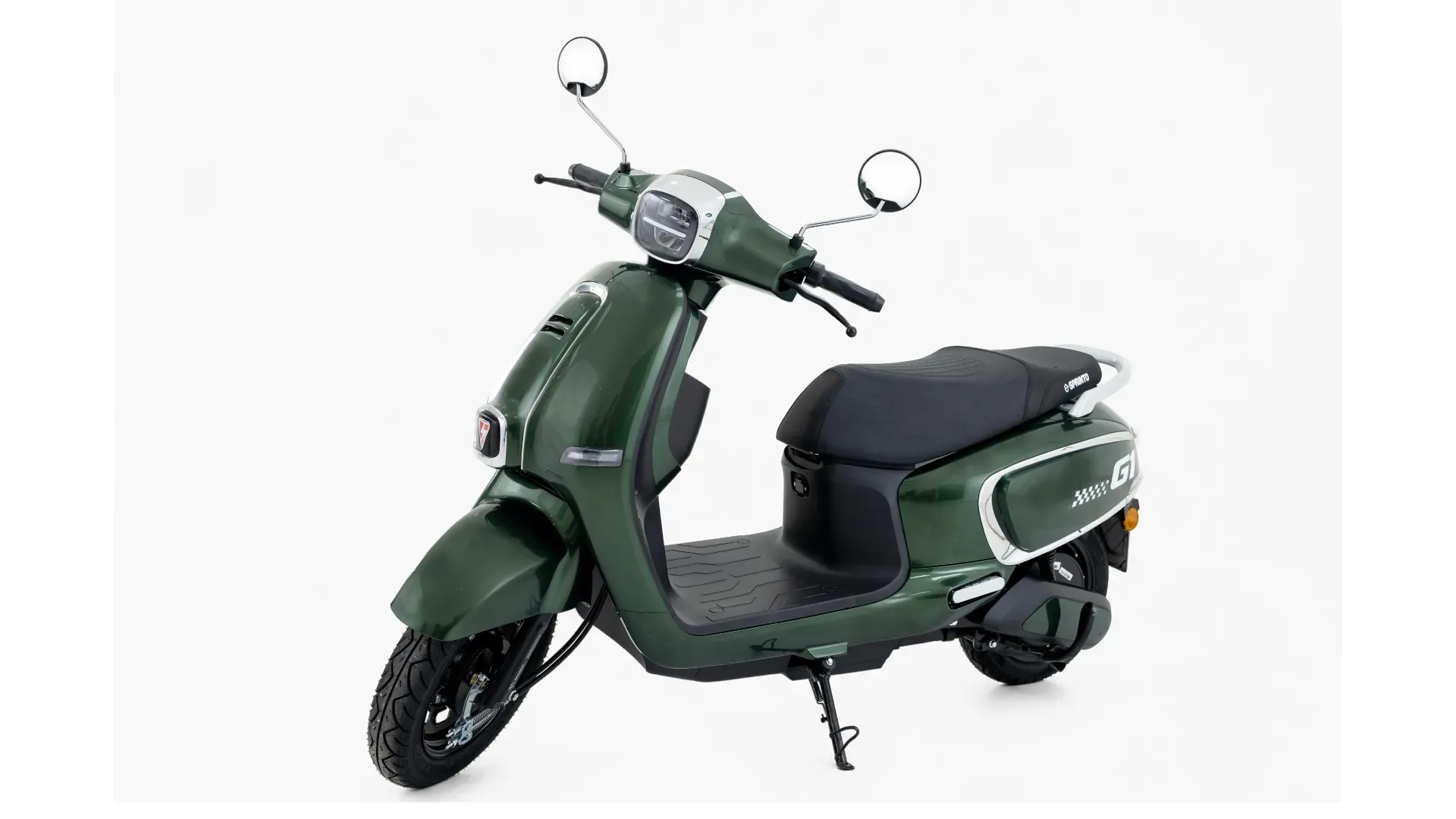


The Indian automotive industry has welcomed Delhi’s EV Policy 2.0, praising its ₹15,000 crore allocation, strict vehicle electrification deadlines, and scrappage incentives as transformative steps for sustainable urban mobility.
The Indian automotive industry has responded with overwhelming enthusiasm to the Delhi Cabinet's approval of the Electric Vehicle (EV) Policy 2.0. Backed by a massive funding allocation of ₹15,000 crore, the landmark regulatory framework introduces strict, time-bound registration deadlines to mandate only electric three-wheelers by 2027 and electric two-wheelers by 2028.
Top executives and leading sector analysts believe this policy will completely reshape the green transport ecosystem while serving as a blueprint for other states across the country.
Rajat Mahajan, Partner and Automotive Sector Leader at Deloitte India, highlighted the critical need for a robust charging network to support three-wheelers, alongside noting a temporary pre-deadline sales surge for traditional internal combustion engine (ICE) motorcycles before the 2028 target. He said, "The mandate on only EV 3W registrations within six months positions it as the cleanest first- and last-mile public mode of transport; the livelihood dependency due to least possible downtime will require extensive provision of battery swapping stations and fast charging public charging stations."
Madhumita Agrawal, Founder and CEO of Oben Electric, emphasised that the targeted focus on the massive two-wheeler sector is essential for large-scale green adoption, placing a direct responsibility on manufacturers to produce high-quality electric alternatives. "Motorcycles form the backbone of personal mobility and represent the largest opportunity to accelerate electrification at scale. As cities like Delhi advance their clean mobility ambitions, expanding the adoption of electric motorcycles will be critical to delivering meaningful environmental impact," she added.
Also read: Delhi to Roll Out 300 Electric AC Buses on July 4: Report
Sudarshan Venu, Chairman of TVS Motor Company, welcomed the progressive nature of the state government's decision, reaffirming the company's dedication to investing in sustainable mobility solutions for the region. "We welcome the Delhi government’s new EV policy which is proactive and forward-looking. We are fully committed to developing sustainable mobility products and solutions to drive further EV adoption."
Anurag Mehrotra, Managing Director of JSW MG Motor India, praised the policy's environmental focus and the strategic inclusion of scrappage incentives, which directly target the heavy pollution caused by older, poorly maintained vehicles. He said, "The incentive to promote scrapping of older vehicles and replacing with new EVs is also an important measure, as poorly maintained older vehicles are one of the key contributors to vehicular pollution."
Nirmal K Minda, President of ASSOCHAM, noted that the scale of the capital commitment will actively drive sustainable urban mobility while simultaneously generating fresh economic and industrial opportunities across the state. He quoted, "The proposed investment of ₹15,000 crore towards strengthening the EV ecosystem, including charging infrastructure and incentives, reflects the scale of commitment required to accelerate the clean mobility transition."
Anshuman Divyanshu, CEO, Exicom, said, “The Delhi EV Policy rightly recognises that charging infrastructure has to grow alongside EV adoption. Expanding the public charging network, strengthening grid readiness and supporting battery swapping will make EVs a more practical choice for both individual users and commercial fleets. Consistent investments in infrastructure are what will ultimately improve accessibility, reduce range anxiety and support sustained EV adoption in the capital.”