

Recent technological advancement has helped catapult India to the second spot globally for automobile transportation via railways. While the US maintains the top position, moving 75 lakh vehicles through rail networks each year, Germany holds the third spot with an annual volume of 6 lakh cars transported by rail. This global ranking has encouraged major automotive OEMs in India to significantly increase their reliance on rail-based logistics.
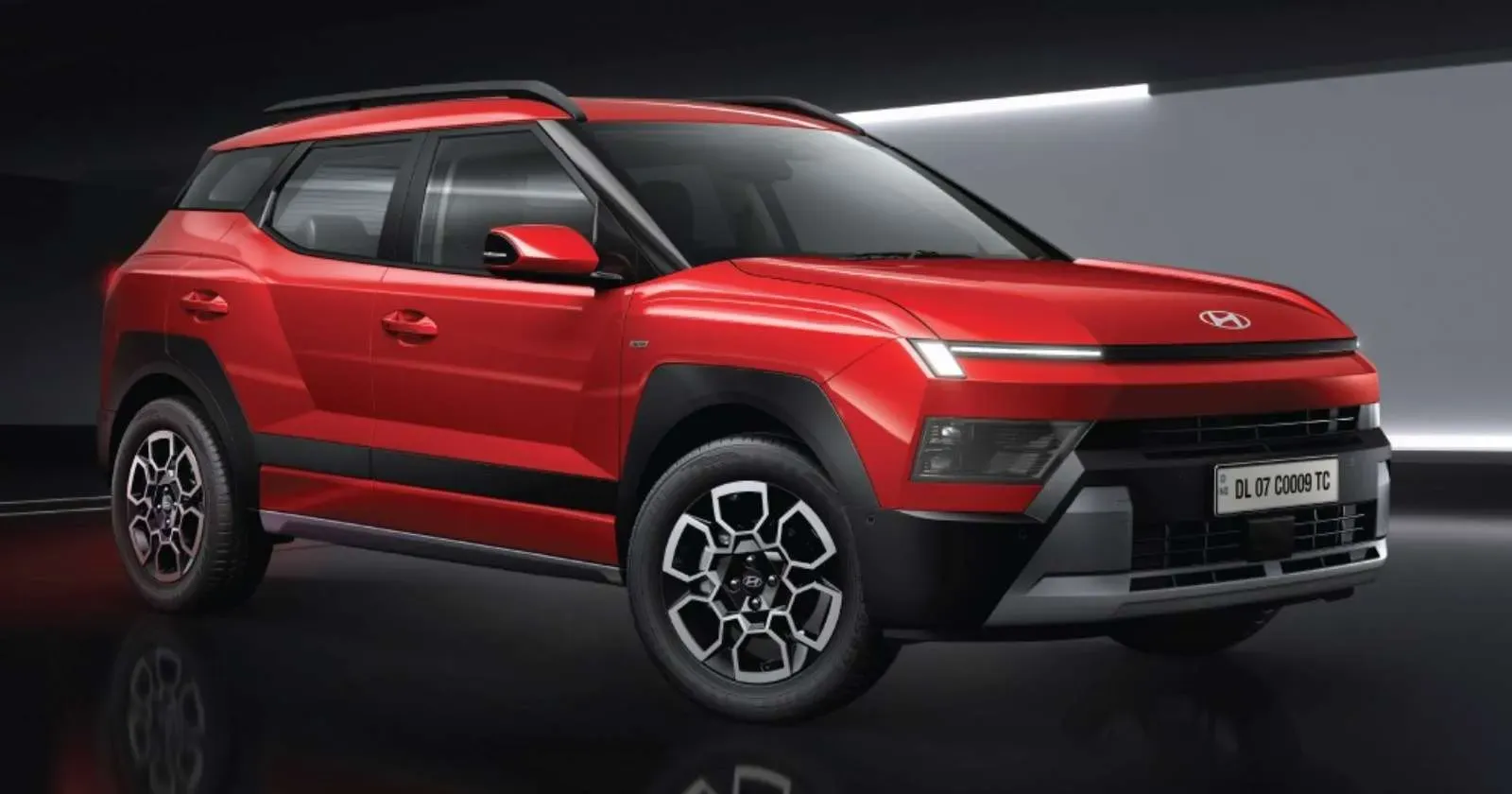
Keeping up with the trend and in a bid to decarbonise auto supply chains, Hyundai Motor India Limited has significantly expanded its rail freight operations over the past five years. The automaker currently transports over 25 per cent of its total vehicle dispatches via railways, the a top company executive told ACKO Drive.
“Currently, approximately 27 per cent of HMIL’s total vehicle dispatches are transported by rail. Between FY2021 and FY2025, our rail dispatch volumes have grown by nearly 109 per cent, underscoring our dedication to improving logistics efficiency and promoting sustainable mobility. This shift has contributed to a cumulative reduction of 73,307 tons of CO₂ emissions in the last five years," said Tarun Garg, Director & COO, Hyundai Motor India Limited.
"As the government of India continues to enhance rail infrastructure through dedicated freight corridors and modern, energy-efficient rolling stock that enable faster movement of goods, HMIL remains committed to leveraging rail freight to optimise logistics operations and reduce long-term emissions," Garg added.