CATL’s Naxtra Sodium-Ion Battery Passes New Stringent Safety Standard

CATL’s Naxtra sodium-ion battery has passed the GB 38031-2025 safety certification, addressing fire risks and cold-weather performance. Set for production soon, it may influence the global EV market.

acko_drive_77_52c32d5754.webp

CATL’s Naxtra sodium-ion battery has passed the GB 38031-2025 safety certification, addressing fire risks and cold-weather performance. Set for production soon, it may influence the global EV market.

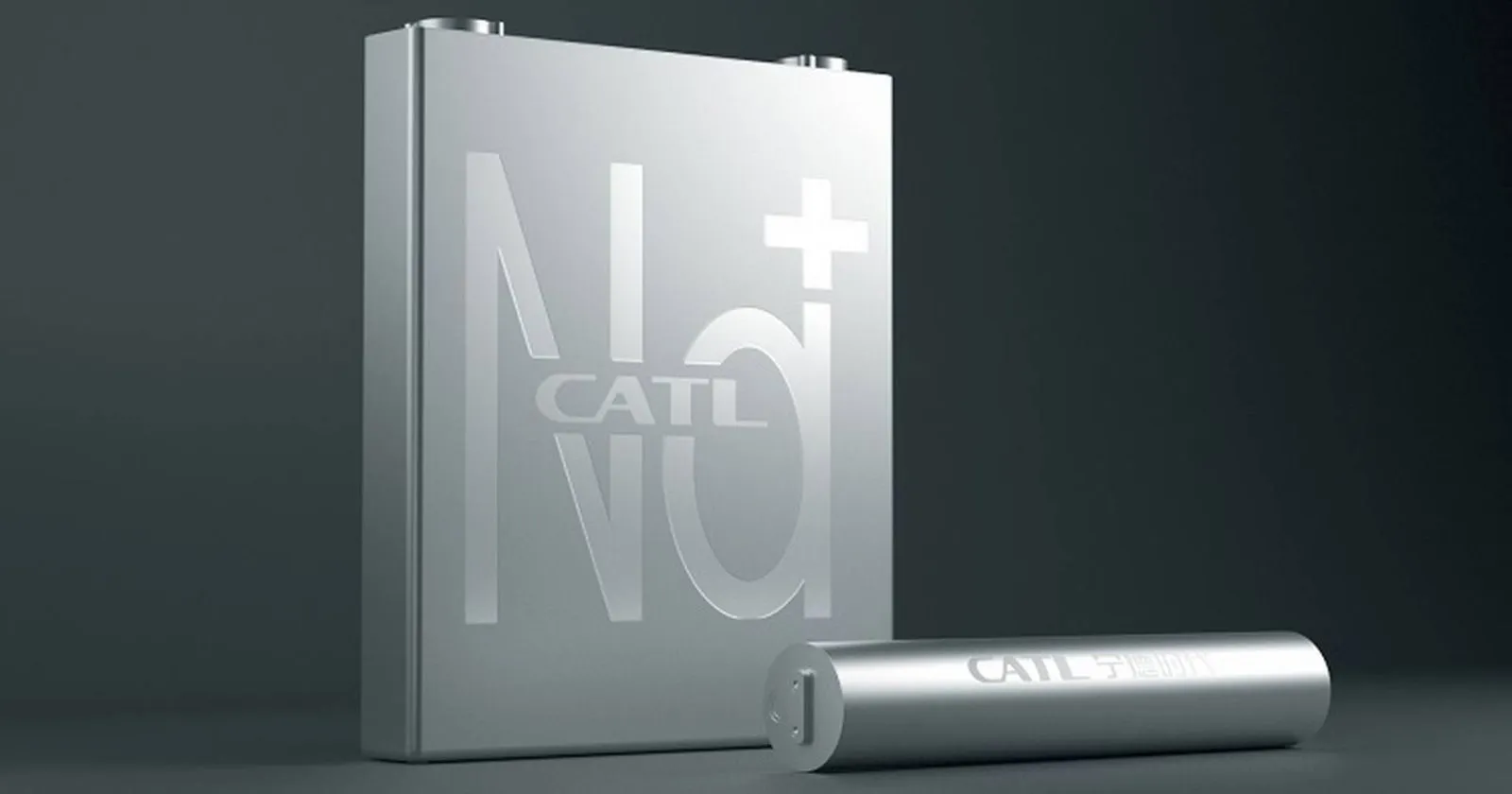
Chinese battery giant CATL has confirmed that its Naxtra sodium-ion battery is the first to pass the stringent GB 38031-2025 “Safety Requirements for Power Batteries of Electric Vehicles” certification. 

Issued by the Automotive Testing Centre of China Automotive Technology and Research Centre (CATARC), GB 38031-2025 is one of the most stringent EV battery tests.

Enhanced Safety Standards

The GB 38031-2025 standard, effective from July 1, 2026, targets fire hazards at their root through rigorous tests on thermal diffusion, bottom impact, and fast-charging cycles. These norms ensure batteries withstand extreme conditions, reducing risks of thermal runaway and explosions. 

CATL’s Naxtra excelled in third-party evaluations at both cell and pack levels, promising safer EVs worldwide. This certification enhances consumer trust and aligns with international safety expectations.

Global Industry Impact

Passing these norms positions CATL to influence the global EV market significantly. The Naxtra’s ability to maintain 90% capacity at -40°C and deliver a 500km range with 175Wh/kg energy density addresses cold-climate challenges, boosting EV adoption in regions like Europe and North America. 

Its 10,000-cycle lifespan and 5C charging rate could lower costs and improve reliability, encouraging manufacturers to adopt sodium-ion technology over lithium-based alternatives, reducing supply chain vulnerabilities.

CATL plans to start mass production of the Naxtra in December 2025, initially for its Choco-SEB modular EV battery-swapping system. This shift to sodium-ion technology, less dependent on scarce lithium, supports a greener ecosystem. The battery’s performance in harsh climates also opens new markets, enhancing CATL’s global competitiveness.