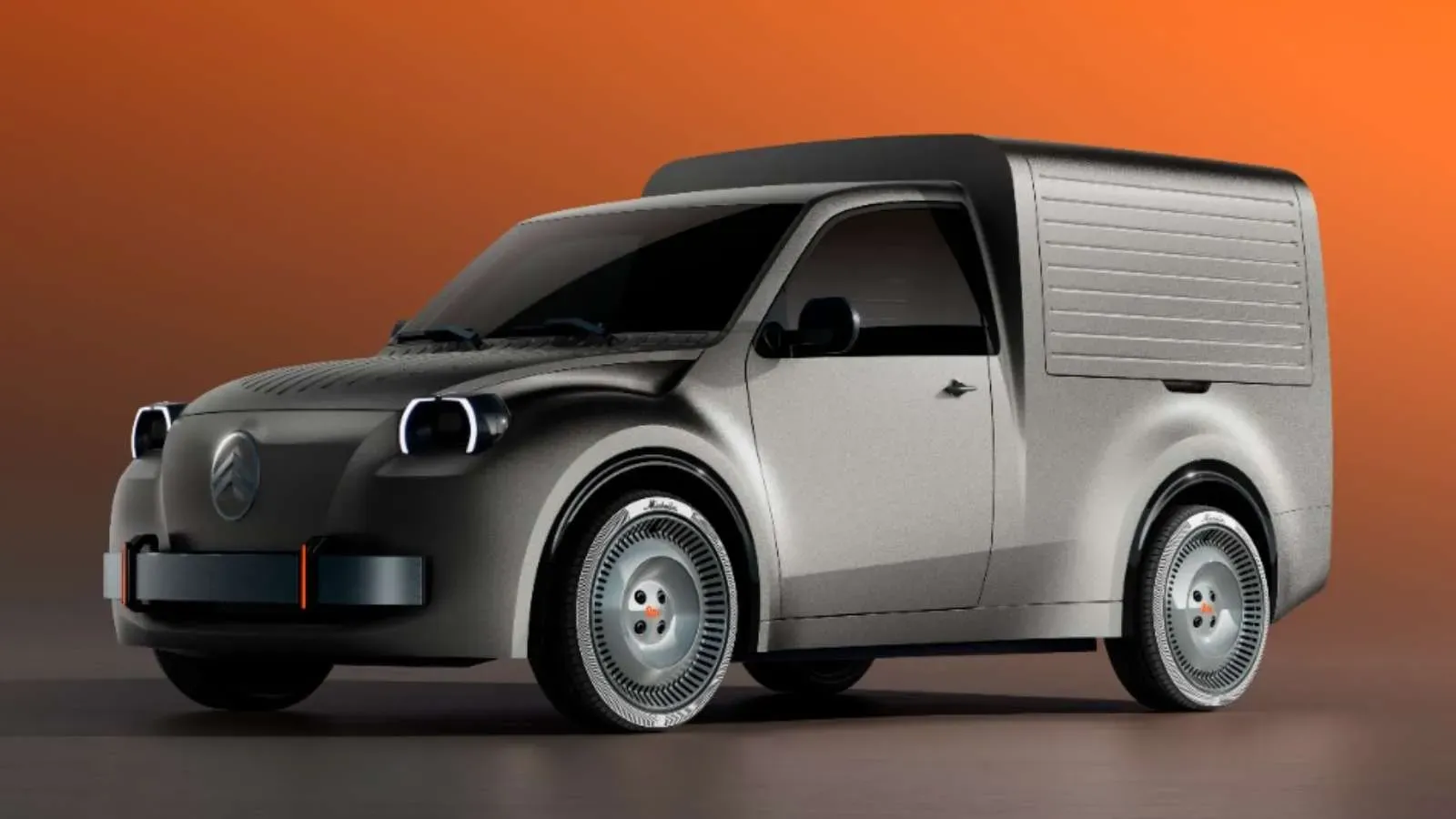


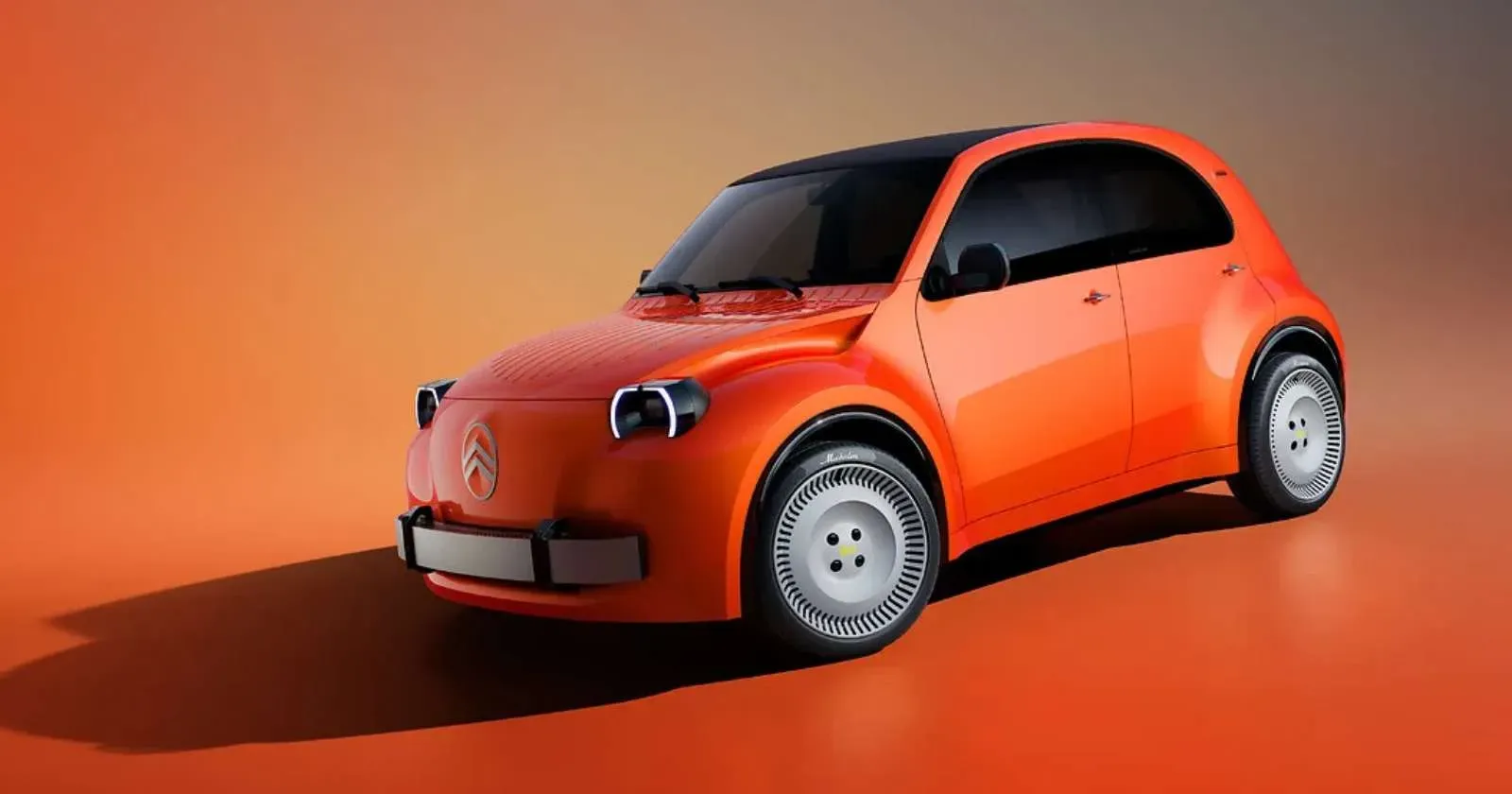
The design leans heavily on nostalgia: round, separated headlamps, creases inspired by the wartime TPV prototype.
Citroën has revived the 2CV nameplate as an electric concept, unveiling the 2 CV Concept at the Paris Motor Show on 11 October 2026 as a preview of a production model the brand expects to launch by 2028, priced from around €15,000.
At 3.76 metres, the concept is shorter than the original 2CV and sits between the Citroën Ami and the C3 in the brand's line-up. Citroën is targeting a kerb weight of around one tonne, reasoning that lower mass allows for a smaller, cheaper battery without compromising everyday range. The car is slated for manufacture in Europe and designed to meet the European Union's proposed "E-Car" category for small, affordable electric vehicles — a regulation still before the European Parliament rather than one already in force.
Xavier Chardon, who leads both Citroën and DS Automobiles as chief executive, said the brief was not to replicate the original car but to recover "its simplicity, its accessibility and the freedom it offered", adding that the aim was to make electric mobility "simpler, more human and more desirable".
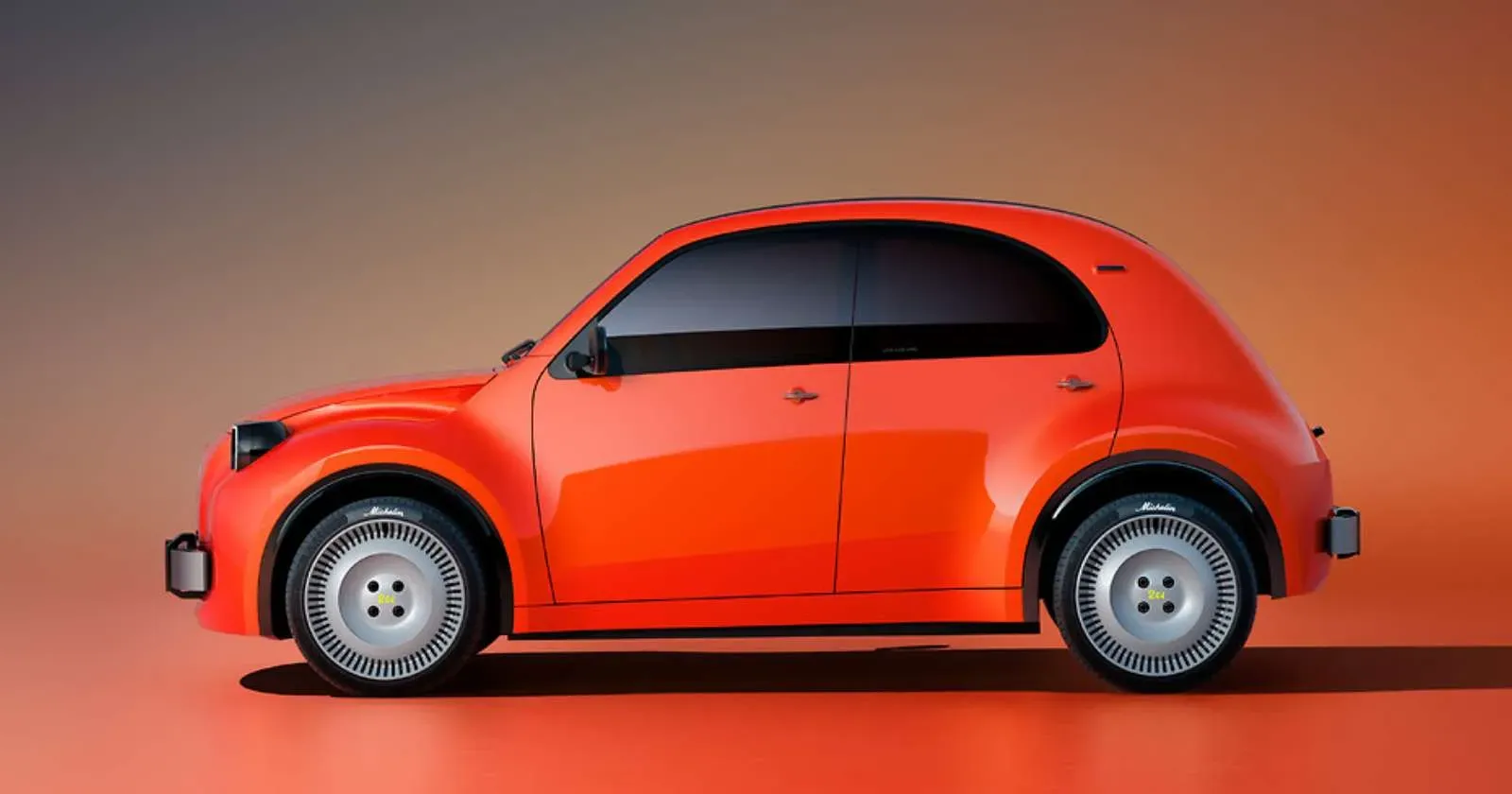
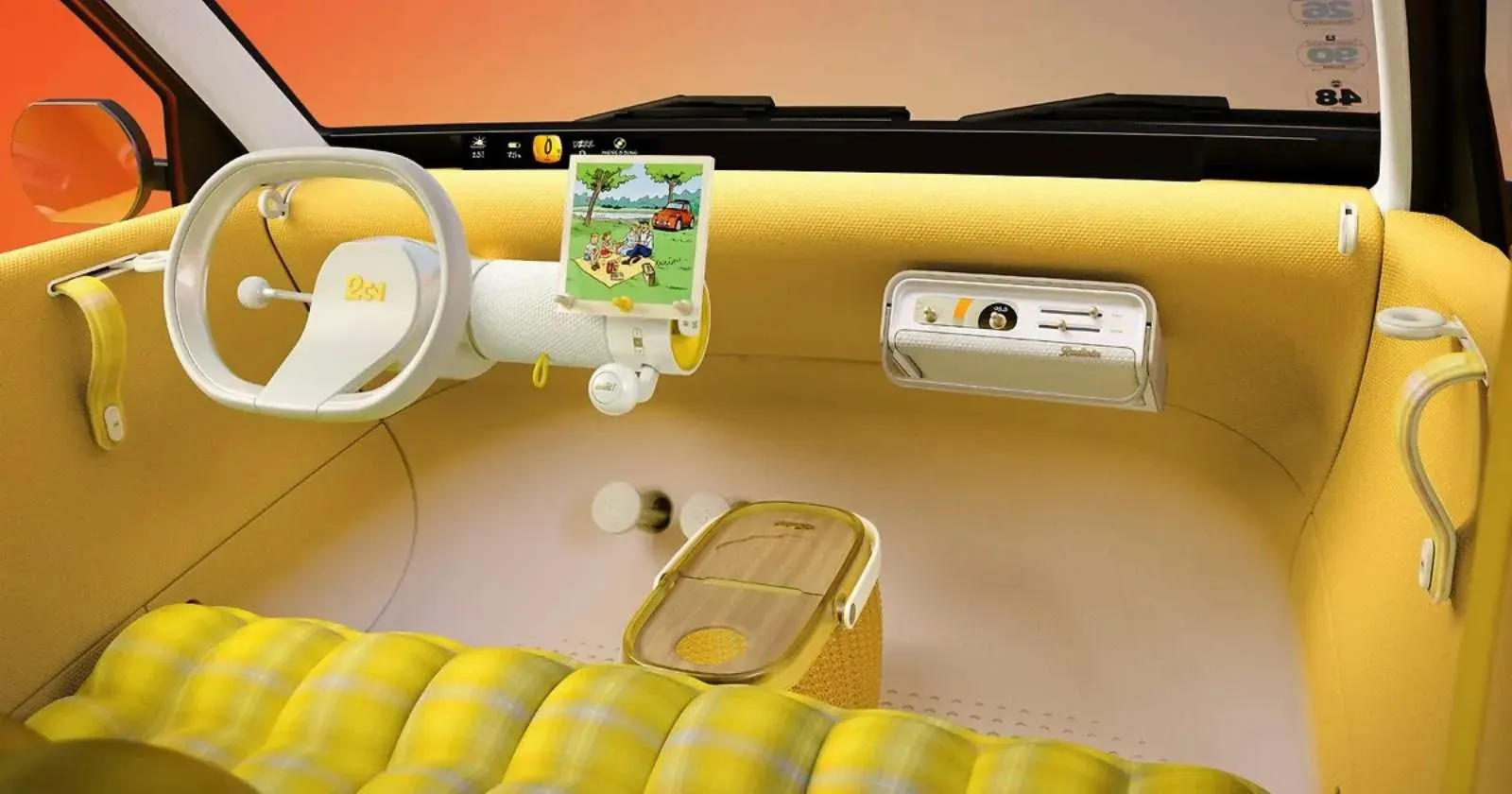
The design leans heavily on nostalgia: round, separated headlamps, creases inspired by the wartime TPV prototype, 18-inch steel wheels and a fabric sunroof that recalls the original's roll-back roof. Inside, a tortoise marks the brake pedal and a rabbit the accelerator, door pockets are shaped to hold eggs, and a detachable speaker nicknamed the "Radioën" doubles as a portable radio. Numerals on the windscreen — 48, 90 and 26 — mark the 2CV's 1948 launch, its 1990 production end, and this year's reveal. Citroën has also partnered with Michelin on what it calls a "universal tyre digital twin" that continuously monitors tyre condition, though neither company has detailed how the system works.
Citroën has not confirmed battery capacity, range or power figures, and has offered no indication that the 2CV concept or its underlying platform will reach India. That silence is notable given how differently the "affordable EV" conversation is playing out in the two markets. In India, the Tata Tiago EV starts under ₹7 lakh and the MG Comet EV under ₹8 lakh — comfortably less than half of what €15,000 converts to — while Citroën's own India range, led by the C3 and the ë-C3X electric hatchback, remains a small player with roughly 0.2-0.3 per cent of the domestic passenger vehicle market despite recent sales growth.
For a brand still building scale in India through its locally made C3 and Basalt, the 2CV concept reads less as a signal of imminent expansion than as evidence of how far entry-level EV pricing still has to fall in the European market before it matches what Indian buyers already have on their forecourts.