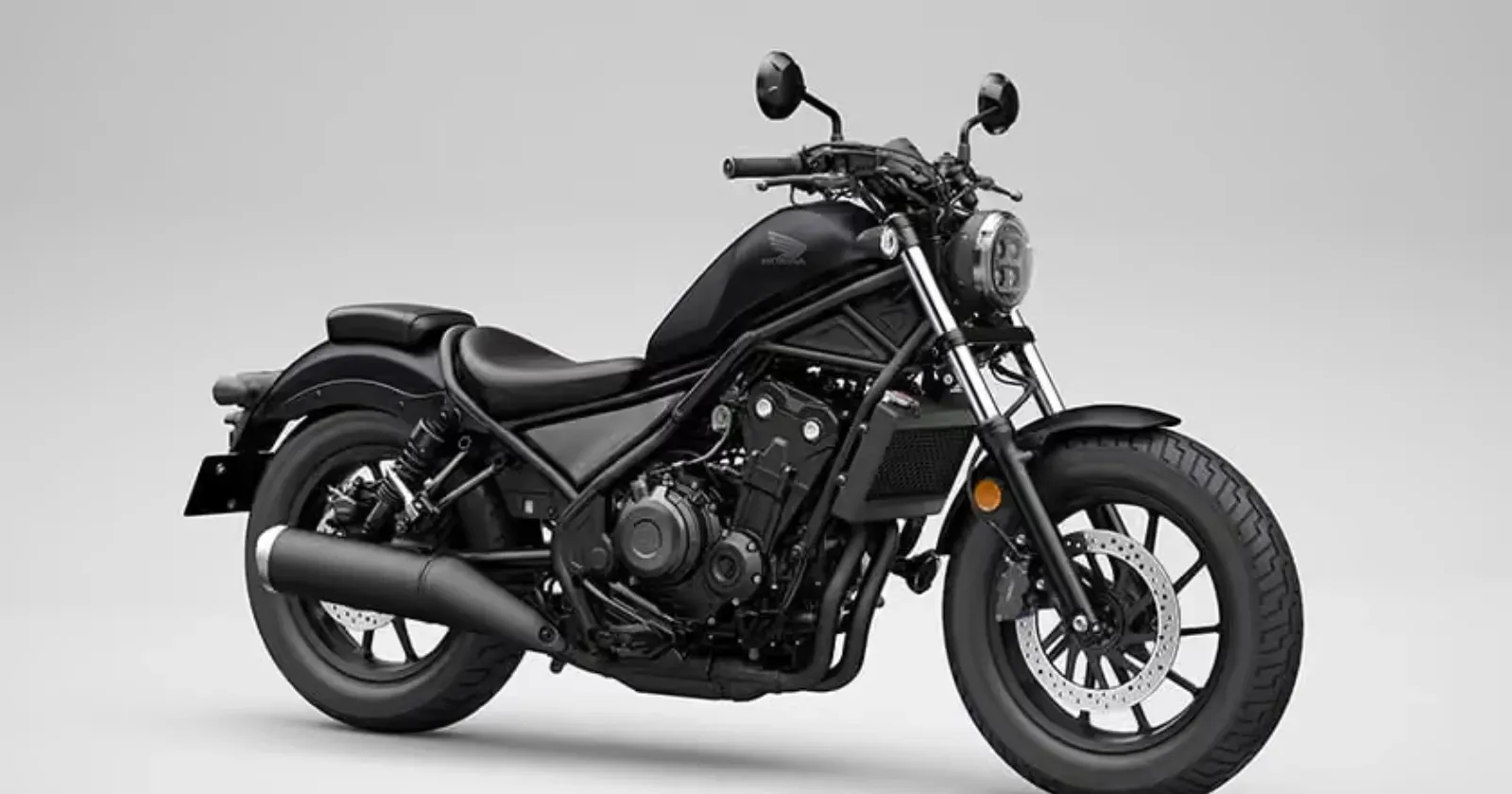


Union Road Transport and Highways Minister Nitin Gadkari has urged state governments to implement the Centre's Motor Vehicle Aggregator Guidelines (MVAG) 2025, which provide for the use of privately owned motorcycles for passenger transport through aggregator platforms.
Speaking at an event, Gadkari was quoted as saying by PTI that Rajasthan was the only state to have fully adopted the guidelines issued by the Ministry of Road Transport and Highways (MoRTH) in July. Haryana and Uttar Pradesh have implemented them partially, he added.
"I called all state Transport Commissioners and requested them to take the initiative in allowing all non-transport (private) motorcycles for passenger rides through aggregator platforms in their respective states as well," he was quoted as saying.
The minister said he had also written to state governments, urging them to allow privately registered motorcycles to ferry passengers through app-based aggregator services.
Employment Potential Of Private Bike Taxi Services
The minister said permitting private motorcycles to operate as passenger vehicles through aggregator platforms could open up employment opportunities, particularly for people dealing with poverty, unemployment and socio-economic disadvantages.
He said the scale of economic benefits could be substantial if 15-20 crore people gained access to employment through such services.
What Is Motor Vehicle Aggregator Guidelines 2025
Issued in July 2025, the Motor Vehicle Aggregator Guidelines provide a framework for state governments to allow non-transport motorcycles to be aggregated for passenger journeys through shared mobility platforms. The guidelines identify the potential of such services to offer affordable mobility, reduce traffic congestion and vehicular pollution, and generate livelihood opportunities.
Under the framework, state governments can permit the aggregation of privately owned motorcycles for passenger transport by exercising their powers under Section 67(3) of the Motor Vehicles Act, 1988.
The revised guidelines also seek to introduce a light-touch regulatory framework while addressing concerns relating to passenger safety, security and driver welfare.
The 2025 framework replaced the earlier guidelines issued in 2020. The revision took into account developments in India's shared mobility sector, including the growing demand for bike-sharing services, electric vehicles and auto-rickshaw-based mobility.
Regulatory Clarity For Bike Taxi Operators
The revised framework was also aimed at providing greater regulatory clarity to bike taxi operators such as Rapido and Uber, which have faced legal uncertainty over the operation of these services in several states.
In Karnataka, restrictions on bike taxi operations had resulted in tensions and protests, highlighting the regulatory challenges faced by operators in the sector.