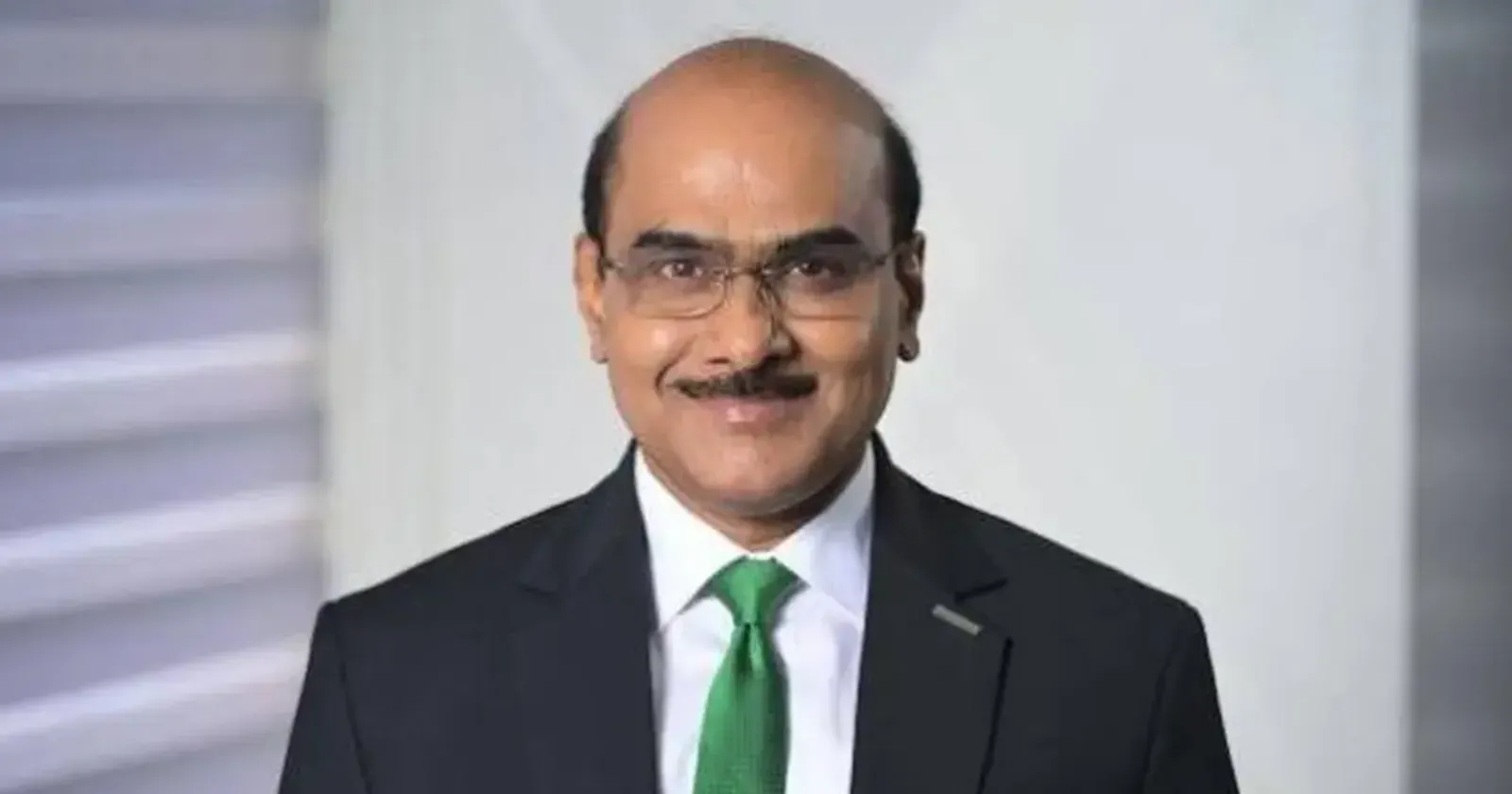


The newly-appointed resident of the Confederation of Indian Industry (CII) has issued a warning about the magnitude of rare earth supply disruptions affecting India's automotive sector, suggesting the crisis runs deeper than current public understanding indicates, reported NDTV Profit.
Impact More Severe Than Perception
Rajiv Memani, who recently assumed the CII presidency, delivered an assessment of the supply chain challenges that the Indian manufacturers are facing.
"In auto, the concern is more serious than what's come out so far," Memani was quoted as saying.
Also read: India's Biggest Rare Earth Magnet Importer Sona Comstar Plans Domestic Manufacturing
The CII chief's assessment suggests that manufacturers may be privately grappling with bigger disruptions than their public communications have revealed, thus, indicating a broader impact on India's manufacturing landscape.
Supply Chain Crisis Extends Beyond EVs
While media attention has predominantly focused on EV manufacturing challenges, Memani clarified that the rare earth supply disruption affects a much broader spectrum of the automotive industry and related sectors.
"It's not just about EVs. The concern is wider, and it affects multiple sectors," he noted, highlighting the extensive reach of critical mineral dependencies across various manufacturing industries.
This broader impact assessment indicates that conventional automotive manufacturing, along with other technology-dependent sectors, face similar supply chain vulnerabilities that could affect production capabilities and economic growth.
Production Cuts Likely Across Sectors
The CII President's comments align with emerging industry signals pointing toward reduced manufacturing output in the coming months. Companies across various sectors appear to be preparing for production adjustments as supply chain constraints intensify.
The likely production reductions extend beyond individual company challenges, potentially affecting India's overall manufacturing capacity and economic performance across multiple industrial segments that rely on critical mineral inputs.
Lack Of Diplomatic Engagement
Memani acknowledged a significant gap in diplomatic engagement regarding the supply chain crisis, noting the absence of government-to-government discussions with China to address the bottlenecks.
"This is a moment to re-examine all critical supply chain dependencies," was quoted as saying.
Self-Reliance Strategy Needed
The CII President advocated for accelerated domestic capabilities in critical mineral processing and production as a strategic response to current vulnerabilities. His recommendations focus on reducing India's dependence on single-source suppliers for essential manufacturing inputs.
India should accelerate efforts on domestic refining and production of key minerals and explore alternate partnerships, according to him. This strategic shift would involve significant investments in domestic infrastructure and technology development to establish independent supply chains.
Alternative Partnerships With Japan
Memani mentioned there are ongoing discussions with Japanese industry representatives as part of India's efforts to diversify its critical mineral supply sources. These negotiations represent a strategic pivot toward alternative partnerships that could provide more reliable access to essential materials.
The Japanese partnership discussions indicate India's recognition that addressing the rare earth crisis requires both immediate alternative sources and long-term strategic planning for supply chain resilience.