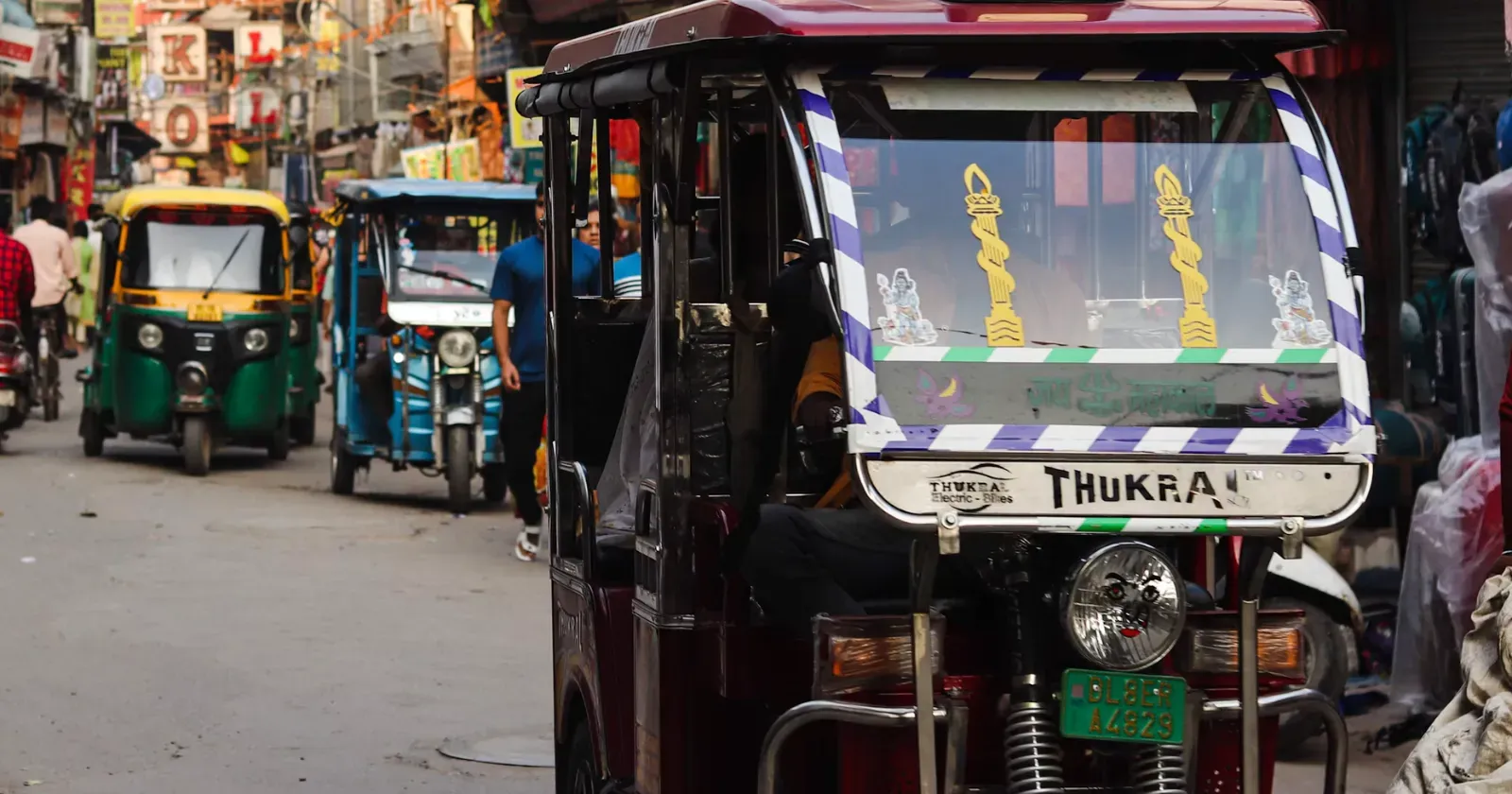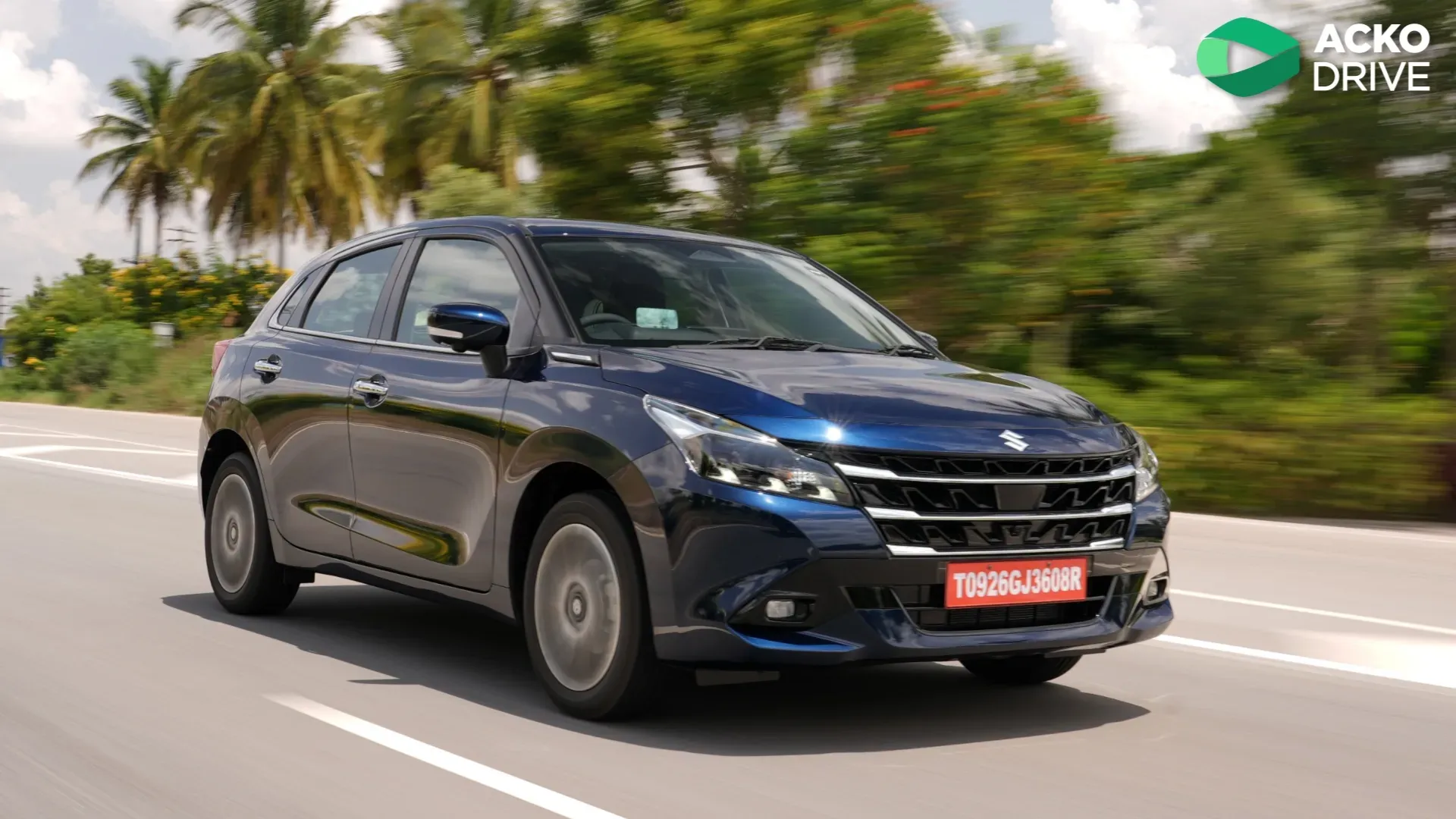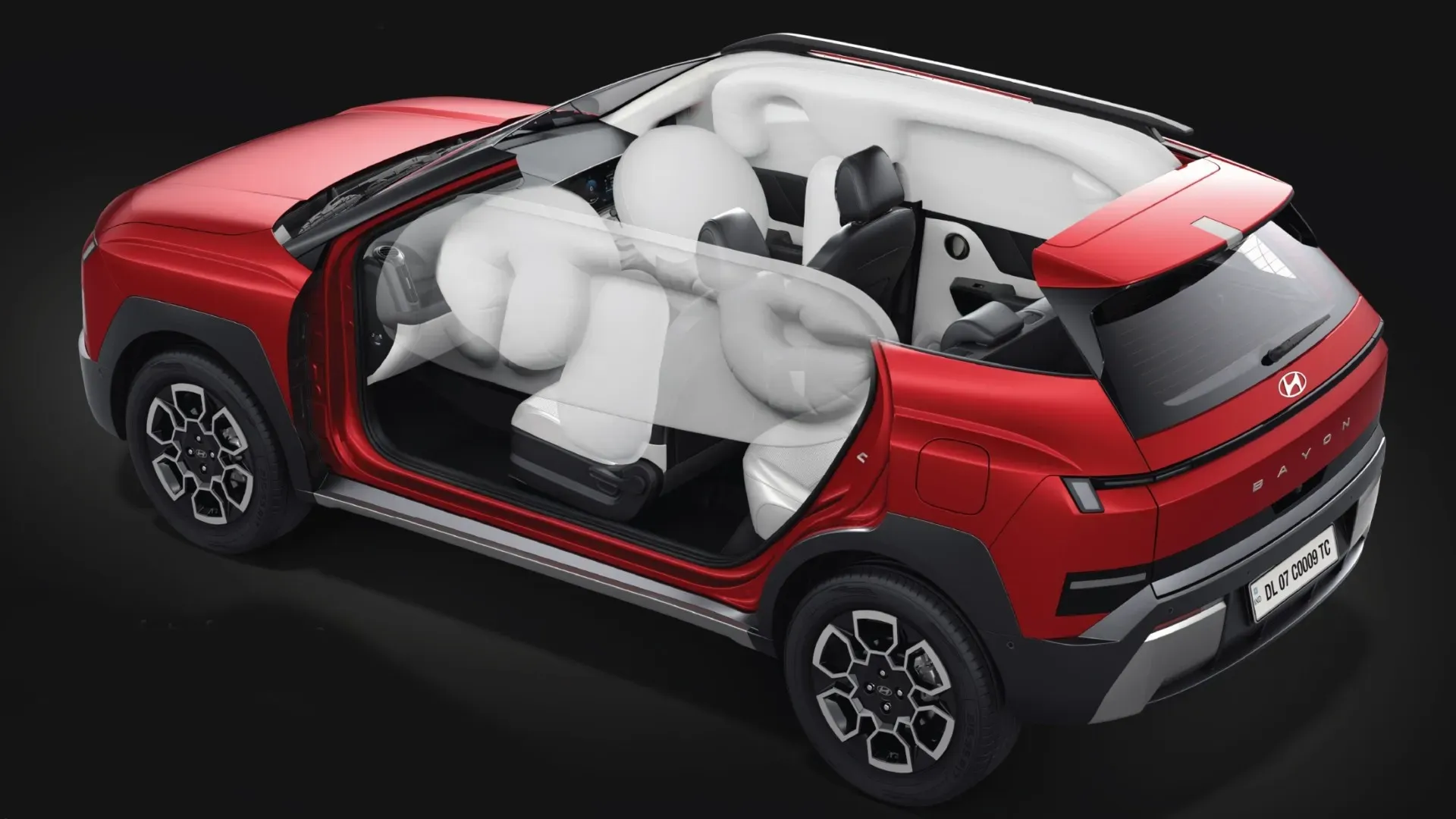



Cars, buses and trucks in the country are set to face significantly tighter pollution controls from 2027, as the Centre prepares to expand the range of vehicular pollutants regulated under the proposed Bharat Stage VII (BS VII) emission norms, according to officials with knowledge of the matter, ETPrime has reported.
The new regulatory framework will broadly follow Euro VII standards adopted by the European Commission but will be adapted to suit Indian road conditions and fuel quality. This will be part of the government's efforts to tackle dangerous air quality levels in major cities across India.
On a separate track, the Centre is also weighing whether to introduce mandatory minimum endurance standards for electric vehicle batteries, a measure intended to improve battery life and reliability as EV uptake continues to rise.
Also read: Electric Car Adoption in India Accelerates in FY26 as Sales Surge 83%
Among the notable changes under BS VII will be tighter controls on emissions from natural gas-powered vehicles, a category that has largely escaped regulation until now. Ammonia emissions which is a key contributor to urban smog will face stricter monitoring for both light and heavy-duty vehicles under the incoming rules.
Unlike the shift from BS IV to BS VI in 2020, which required oil refineries to undertake extensive upgrades to supply cleaner fuels, no comparable changes to fuel infrastructure are likely to be necessary for the transition to BS VII.
"Specific emissions from natural gas-fired vehicles, which were earlier not being targeted, are going to be tightened in BS VII," said one official as per the report.
"Cars sold in 2027 will have to comply with BS VII's real-time pollution monitoring systems," the official was quoted as saying.
The European Commission put forward its Euro VII proposals in November 2022.
A key feature of that framework which is likely to be mirrored in the Indian version is the application of uniform emission limits across all vehicles in a given category, regardless of whether they run on petrol, diesel, compressed natural gas or electricity. Earlier versions of the norms set separate and varying limits depending on fuel type.