

The Versys 900 is based on the popular Kawasaki 900 and gets radar-based safety suite.
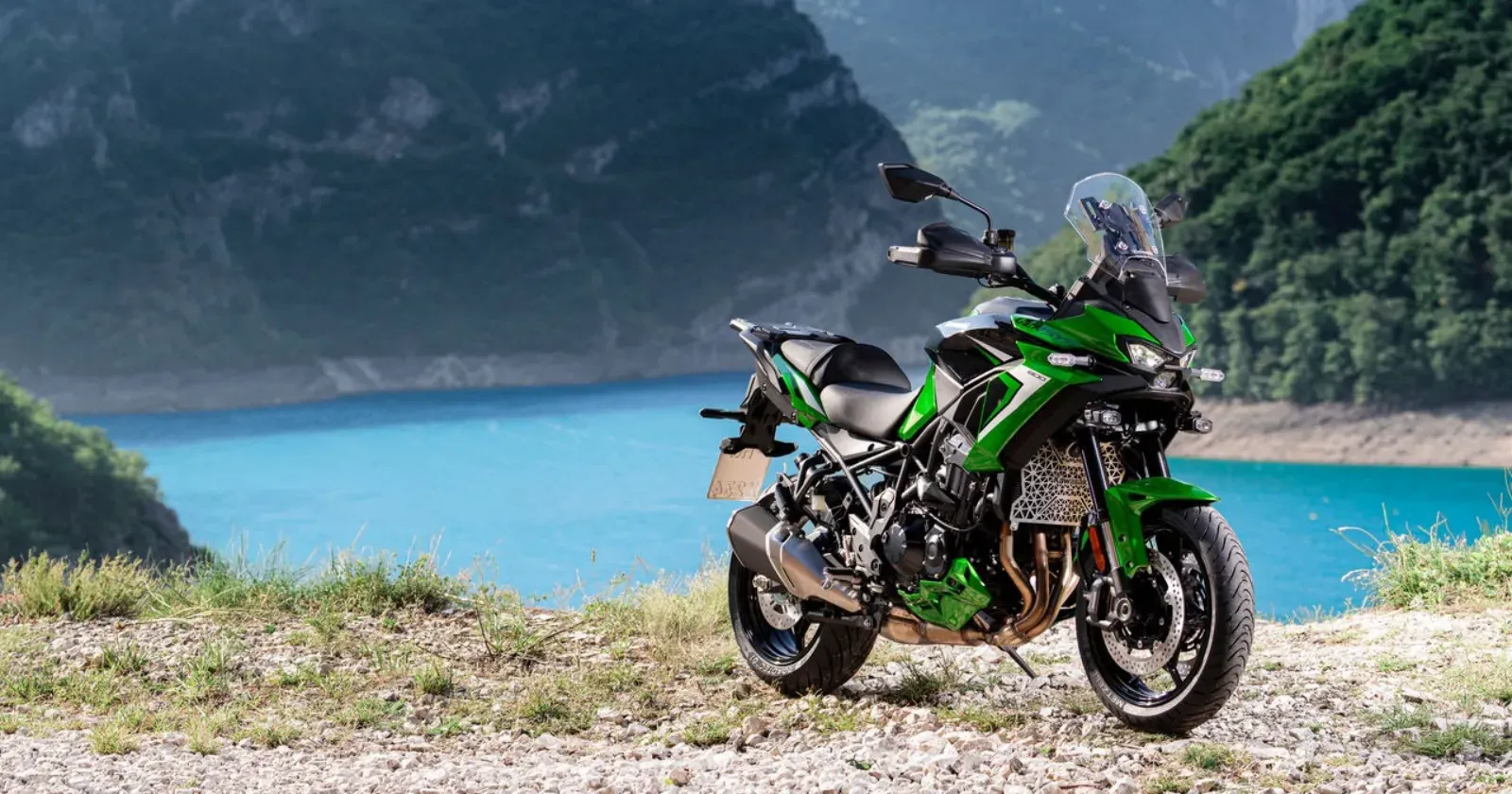
Kawasaki has expanded its Versys portfolio by launching the new Versys 900. The new adventure tourer model slots in between the Kawasaki Versys 650 and the Kawasaki Versys 1100, both the models are available on sale in India. The new Versys 900 as the name suggests is based on the popular Kawasaki Z900. The 948 cc, inline-four cylinder, liquid-cooled engine delivers 122.30 bhp, which is around 2 bhp less in comparison to its streetfighter sibling and peak torque available is 97 Nm. The powerplant comes mated to a 6-speed gearbox.
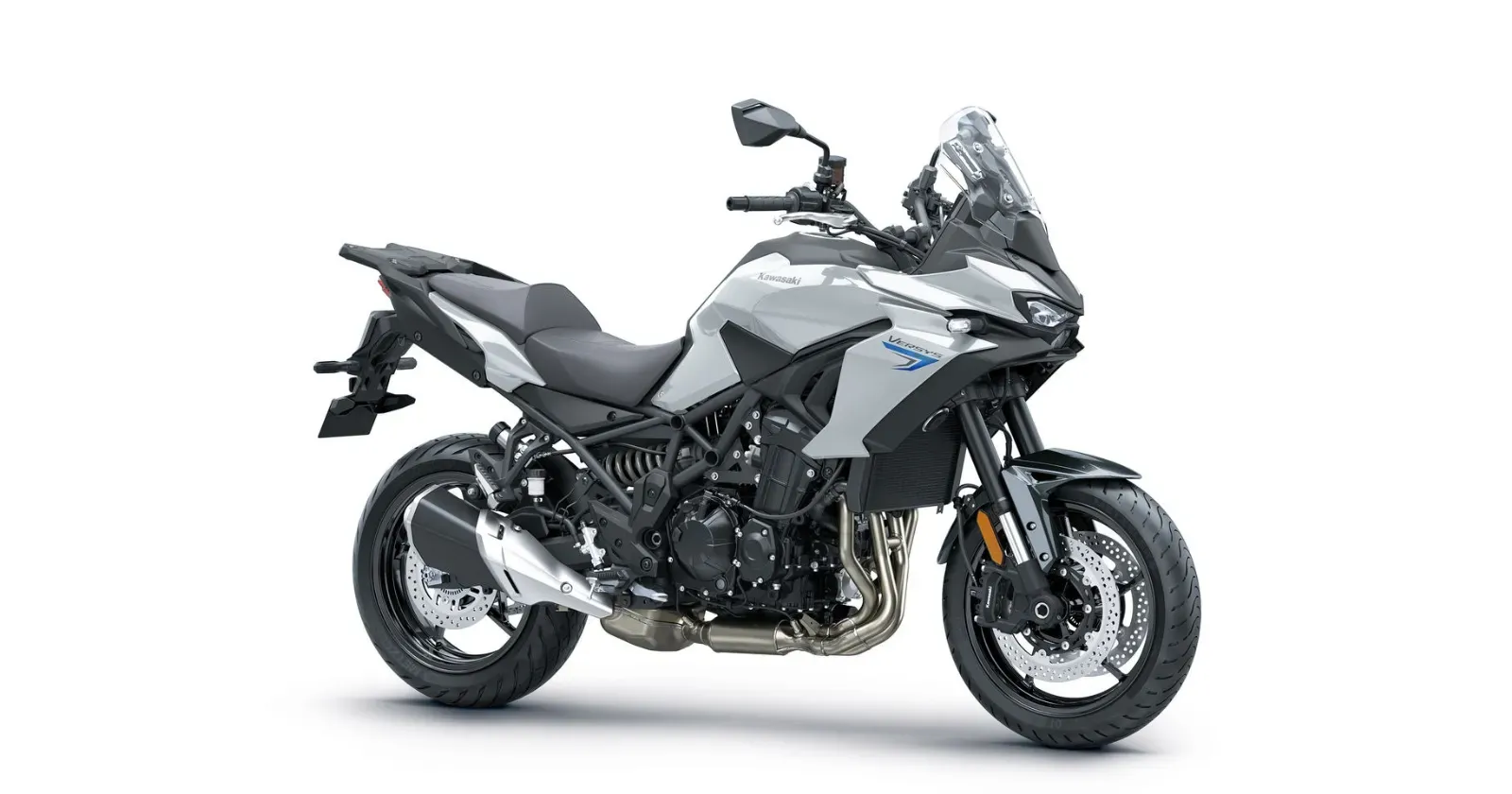
The tuning of the Versys 900’s motor has been altered to suit its touring characteristics, where a relaxed and consistent power delivery is appreciated rather than a fast-revving powerband. Also, the new Versys 900 is a heavy bike at 214 kg, which is almost 27 kg heavier than the Kawasaki Z900. The styling of the new bike is based on the new Z900 as the front fascia features a split LED headlight with a large adjustable windscreen above it. The overall form is that of a typical adventure tourer and the proportions of the Versys 900 is also on point. Electronic aids include multiple ride modes, traction control, cornering ABS and a bi-directional quickshifter. There is also a SE variant which adds several exclusive features: LED fog lamps, heated grips, hand guards, a radiator guard, a lower engine cowl, frame protectors and a centre stand.
One of the big highlights is the inclusion of radar sensors. Front and rear radar sensors power Kawasaki’s Advanced Rider Assistance Systems (ARAS), which include Adaptive Cruise Control Lite, Forward Collision Warning and Blind Spot Detection. ACC Lite maintains the rider’s selected speed and adjusts the throttle to keep a chosen Near, Medium or Far distance from the vehicle ahead. When that gap increases, it accelerates the bike back towards the set speed. Unlike the adaptive cruise control on the Ninja H2 SX, ACC Lite cannot brake.
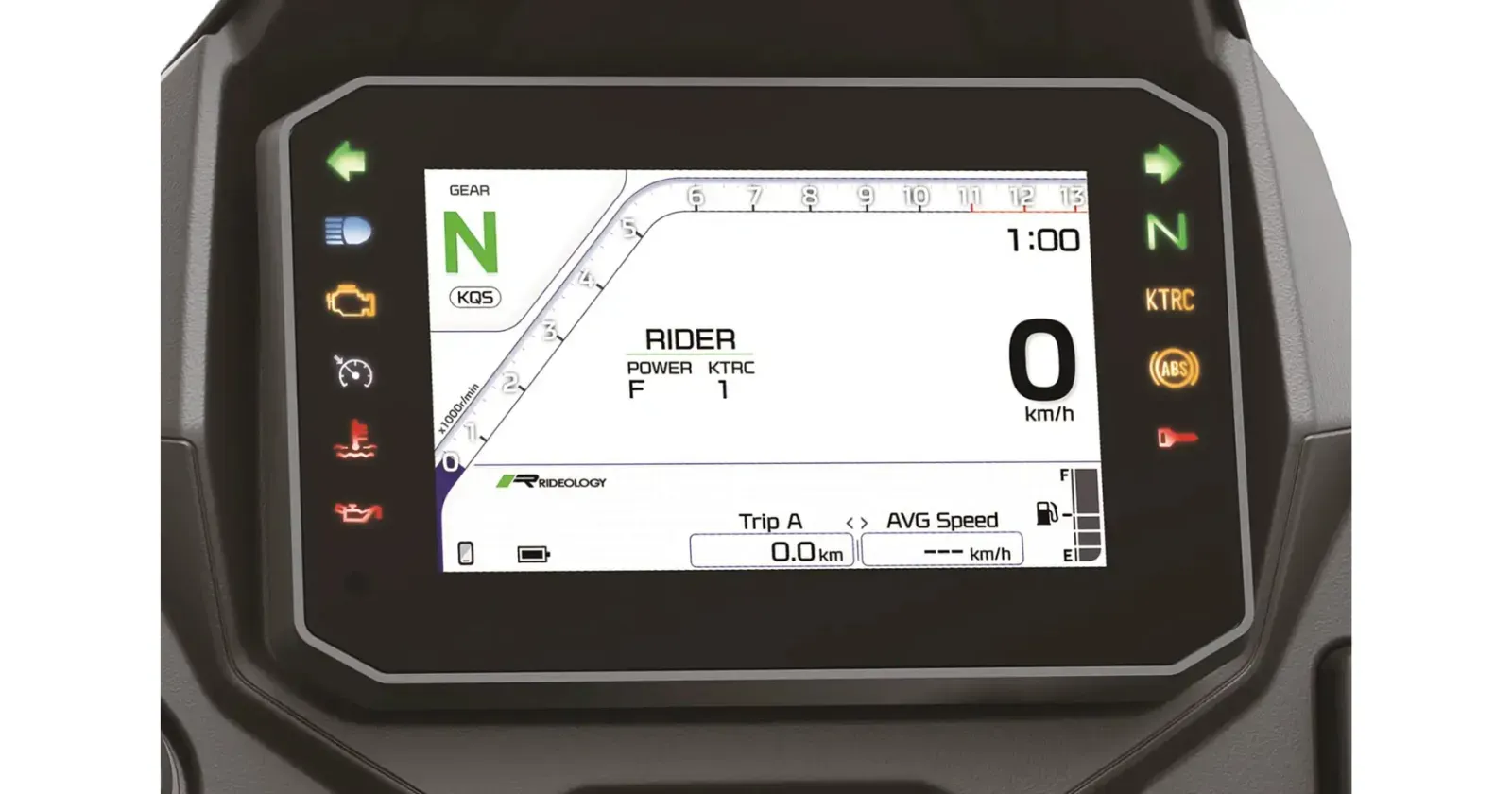
The rider must apply the brakes if traffic slows suddenly; braking cancels the system, which can be resumed with the RES switch.Forward Collision Warning (FCW) and Blind-Spot Detection (BSD) alert the rider but do not intervene. FCW uses the front radar to monitor the distance and closing speed of the vehicle ahead, displaying a warning on the TFT screen if it detects a potential collision at the bike’s current speed. Riders can set the alert timing to Early, Medium or Late, or switch FCW off. The new steel trellis frame was developed using insights from analysis of the Versys 1100’s aluminium twin-tube frame. The engine serves as a stressed member and is rigidly mounted at five points, helping reduce frame weight. It rides on 17” wheels shod with Metzeler ROADTEC 01 tyres.
Suspension duties are handled by a 43 mm USD with preload and rebound adjustability. At the rear, Kawasaki’s horizontal back-link suspension positions the shock and linkage above the swingarm, while a remote hand-operated preload adjuster makes it easier to set up the suspension for a passenger or luggage. Seat height can be adjusted between 825 and 845 mm.The 2026 Kawasaki Versys 900 is expected to go on sale in India in the first half of 2027. As for pricing, the new Kawasaki adventure tourer could retail around ₹10-11 lakh (ex-showroom).