
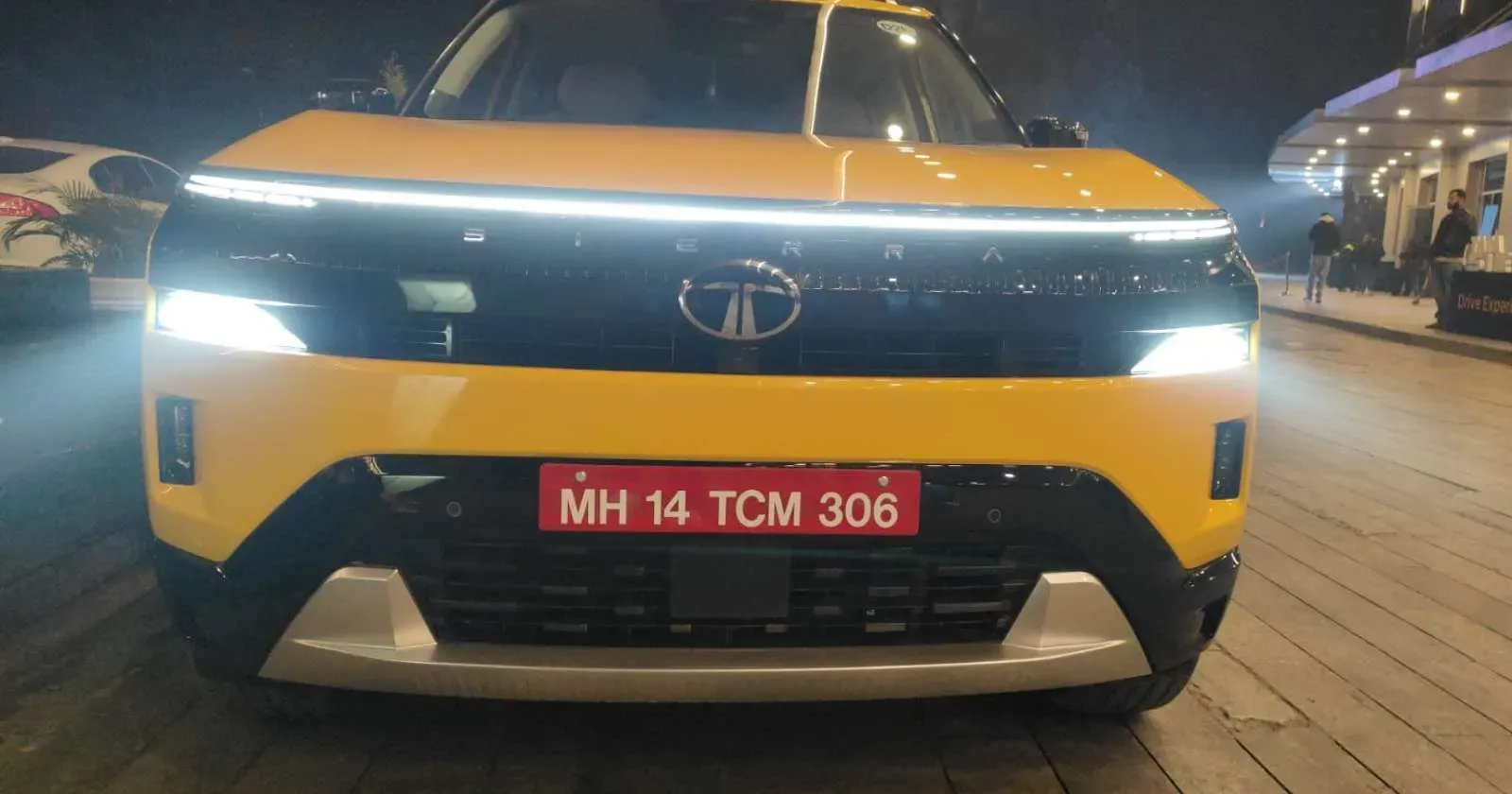
The 17 mm x 150 mm headlamps developed for the Tata Sierra are some of the slimmest in the world.
In an increasingly technology-driven and innovation-oriented automotive industry, here’s another example of India’s growing engineering prowess. Marelli India is scaling up its engineering role within the company’s global operations, with increased ownership of product development, a growing software focus, and continued emphasis on cost-efficient innovation. The shift comes as automotive suppliers deepen their India presence not just for cost advantages, but for end-to-end engineering capabilities.
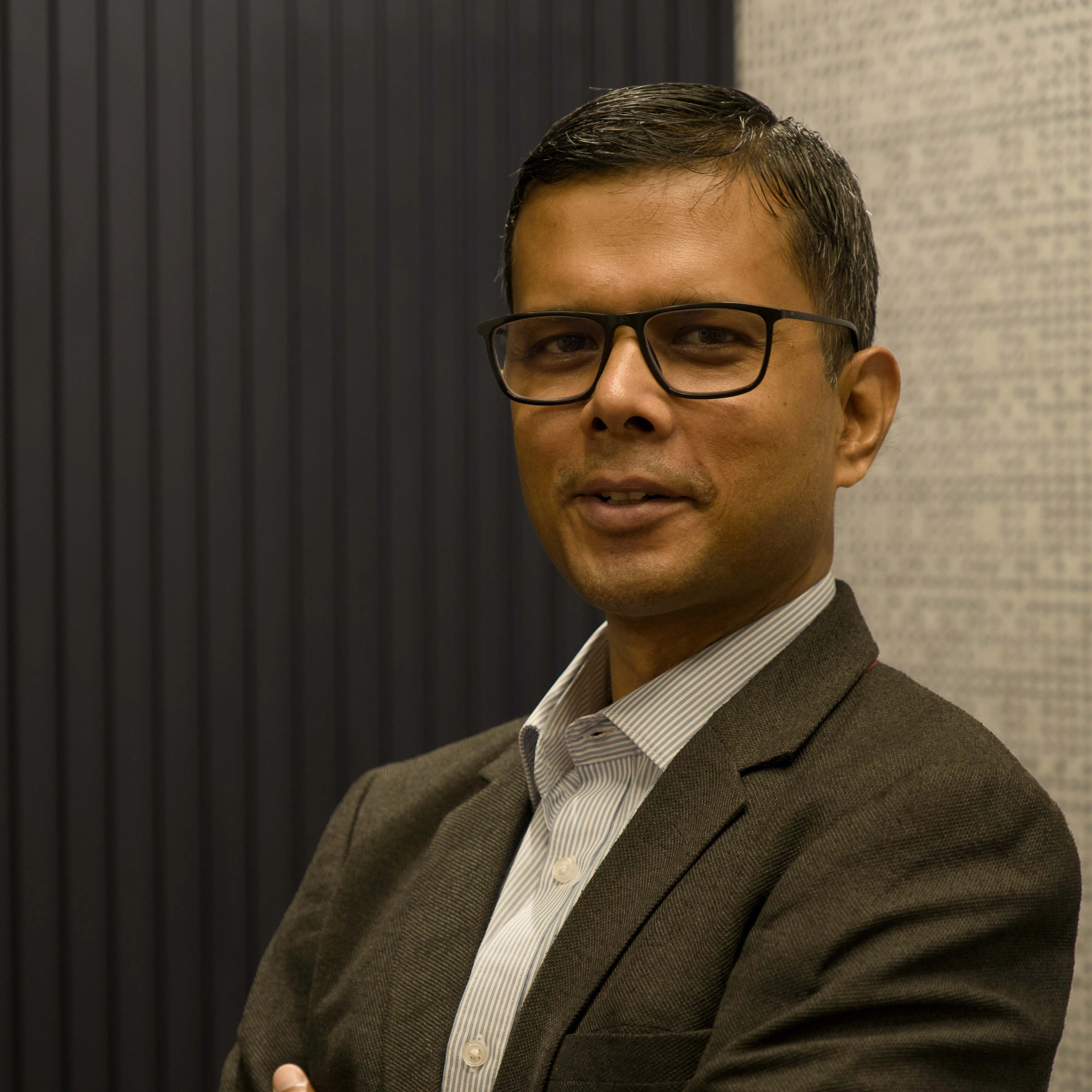
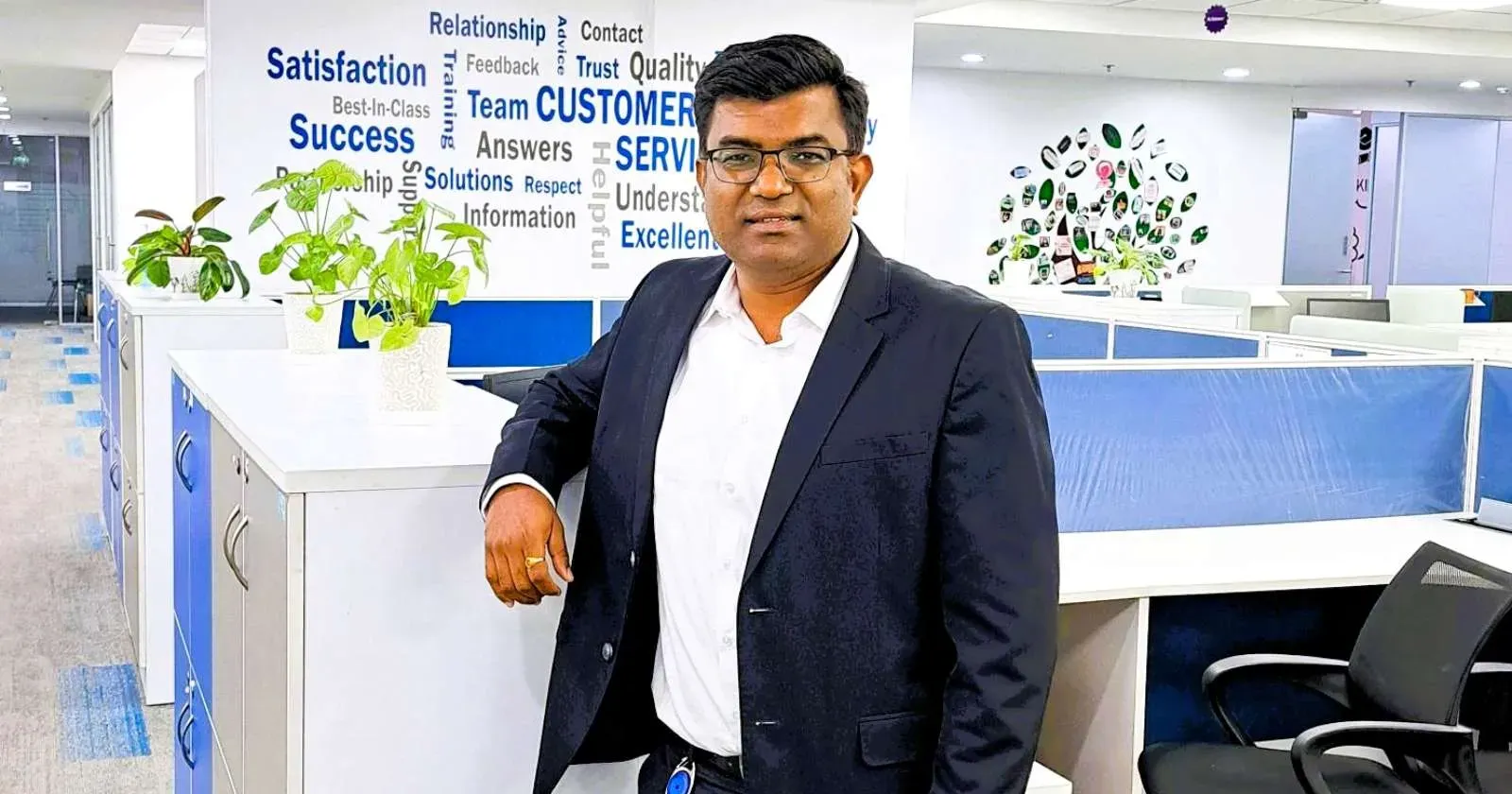
Yogesh Davangere Adevappa, Head of Technical Centres, Marelli India, outlined key developments, including a new ultra-slim headlamp, faster development cycles, and the expanding scope of India-based teams.
Headlamp design goes size zero
Among the notable developments is a 17 mm x 150 mm ultra-slim headlamp, developed for the Tata Sierra — significantly slimmer than conventional automotive lighting units, and one of the slimmest in the world. The headlamp is supplied to Tata Motors by the Marelli-Motherson joint venture (JV), Marelli Motherson Automotive Lighting India.
According to Adevappa, this is the first time Marelli has developed a headlamp of such compact dimensions. “This kind of lamp size is a completely new development,” Adevappa said, noting that the project was executed in collaboration with global teams and Marelli’s JV in India.
The reduced size reflects a broader industry push towards compact lighting systems that enable sleeker front-end designs while maintaining performance standards. According to Adevappa, the technology has already been showcased internationally, indicating potential for wider adoption. It is learnt that the new headlamp has been taken to China, and offered by Marelli China in a slightly different size.
What makes this development particularly noteworthy is not just its slim profile, but what it signifies — the ability to package high-performance LED lighting systems into extremely tight spaces without compromising on illumination, thermal management, or durability.
In an era where carmakers are aggressively pushing for sleeker front-end designs and distinctive lighting signatures, such breakthroughs offer OEMs greater design freedom while maintaining compliance with safety and performance standards.
From India to the world
While the headlamp was developed for an India-focused project, its impact is already going global. The technology has been showcased internationally, underlining the growing importance of India as not just a manufacturing hub, but a centre for advanced engineering innovation.
“This was first developed in India, and now it is being taken to global platforms,” Adevappa confirmed.
This trajectory reflects a broader shift within Marelli. What began as an extended engineering support base has evolved into a full-fledged global R&D hub capable of end-to-end product development.
India footprint crosses 1,000 engineers
Marelli currently employs over 1,000 engineers in India, spread across three technical centres — one in Gurugram and two in Bengaluru. The centres handle work ranging from system engineering and software development to validation and advanced concept development. The company added over 250 engineers in 2025, marking a significant expansion phase.
“We expanded rapidly last year,” Adevappa said. “Now we are focusing more on stabilisation and capability building.”
Globally, Marelli has a combined engineering team strength of over 4,800 engineers, across around 50 locations. In India, it has LTTS, Tata Elxsi, and Tata Technologies as key engineering partners.
India teams are engaged across three primary business units – Electronics (infotainment, clusters, ECUs, displays), Propulsion (engine and battery management systems), Lighting (headlamps, rear lamps, DRLs).
Shift towards end-to-end development
Marelli’s India operations, established in 2007, initially functioned as an engineering support base. However, a structural shift began in the early 2020s.
“The major transformation happened around 2022, when we started taking on more complete projects,” Adevappa said. Today, India teams are involved in full development cycles for domestic programmes and contribute to global projects across regions including Europe, USA, Japan, and Latin America.
Software and electronics remain key focus areas, particularly in line with the industry’s transition towards software-defined vehicles. “We are developing an integrated infotainment and telematics product with major contributions from India,” Adevappa said.
Marelli India’s teams also contribute to instrument clusters, body control modules, zonal ECUs, domain controllers, and display systems. In some cases, system architecture and software development are being led from India, with support from global teams.
Development timelines shrunk by up to 50 percent, and major cost optimisation
Marelli India is also working to improve development efficiency using simulation and automation tools. In one instance, an instrument cluster for an Indian OEM was developed in under 10 months, effectively reducing development time by up to 40-50 percent. The typical development cycle takes 18–24 months.
This was enabled by increased use of digital simulations, which also helped reduce the number of physical prototypes required. “We reduced both time and the need for multiple hardware builds,” Adevappa said.
The inherent strengths of software engineering and frugality found in the Indian talent pool are being increasingly leveraged for Marelli to be more competitive in the industry. Adevappa cited the example of a USB-based data logger developed in-house, which costs up to 10 times less than conventional systems, which are priced at around ₹2–3 lakh. The system is currently being used in ongoing projects, with plans to add features such as wireless data transfer.
In addition, an internally developed test automation framework has helped reduce validation timelines by 30–40 percent, depending on the level of automation.
Talent retention and capability building
In a scenario where not only the automotive technology is getting highly more advanced, and global Tier 1s and OEMs ramp up their engineering teams in India, technical centre heads are facing a challenge of building adequate competencies, and also retaining talent, in their centres. Marelli India’s attrition rate stands at around 12 percent, which Adevappa said is below the industry average.
Following aggressive hiring in 2025, the company expects moderate double-digit percentage growth in headcount over the next few years, depending on market conditions.
Current focus areas for capability development include cybersecurity, functional safety, Android-based infotainment systems, connectivity technologies, and engine and battery management systems.
Marelli India is also investing in proof-of-concept (POC) and minimum viable product (MVP) programmes, typically spanning 2–3 months, to explore new technologies and platforms.
Gradual expansion, broader role
While expansion is expected to continue, Marelli indicated that near-term growth will be more measured, with emphasis on operational efficiency and skill development. The broader objective remains to increase India’s share in both local and global programmes, particularly in software, system integration and emerging automotive technologies.
As vehicle development shifts towards software-led architectures and design-driven differentiation, global suppliers such as Marelli are positioning their India operations to play a more central role in future product cycles, and also contribute to enhanced cost competitiveness.