

Maruti Suzuki is steadily broadening the role of women across its operations, including shopfloor, as part of a wider effort to build a more inclusive workplace. The company is working to create an environment where women can participate, learn, and progress in production roles that were traditionally dominated by men.
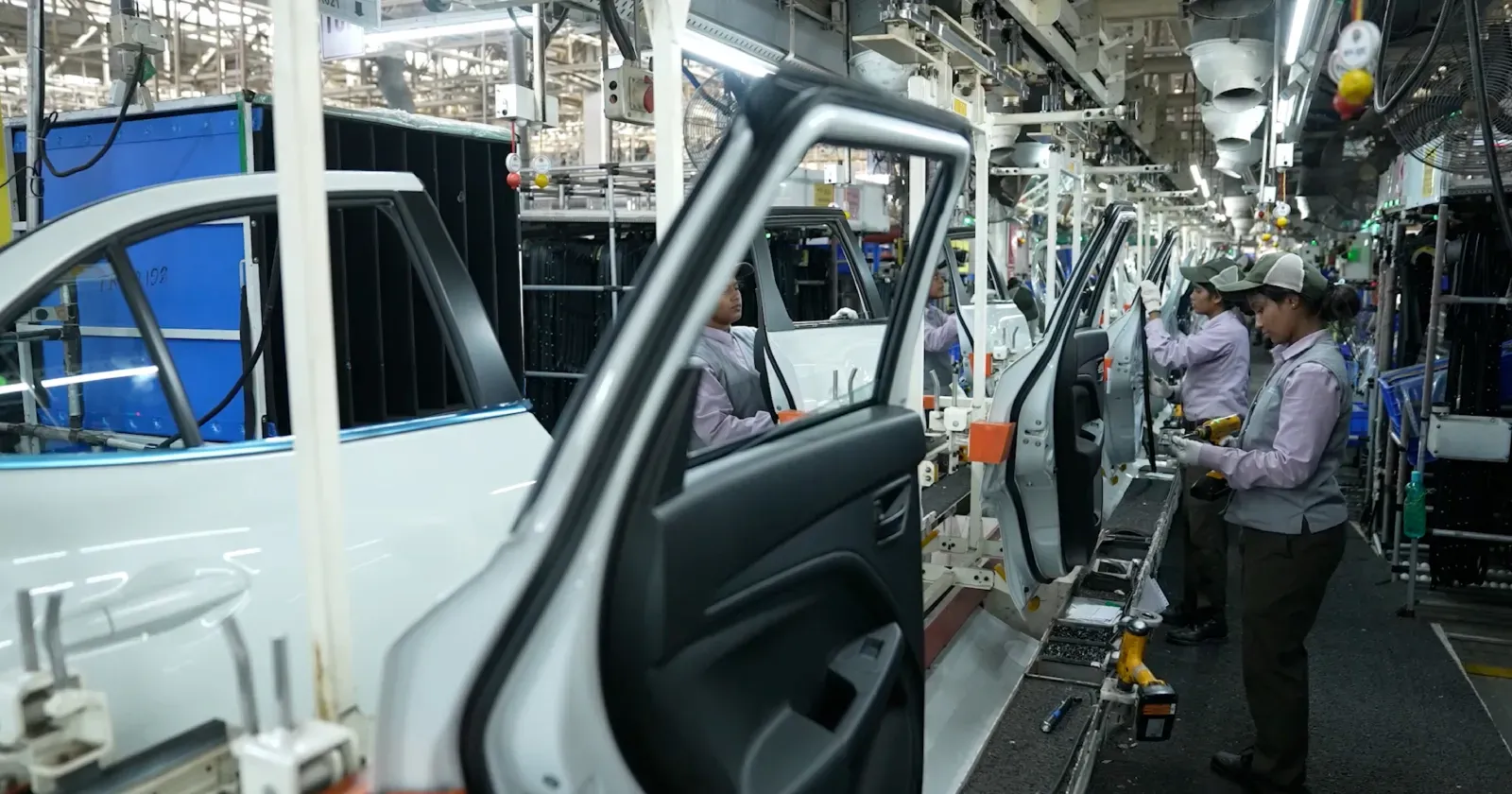
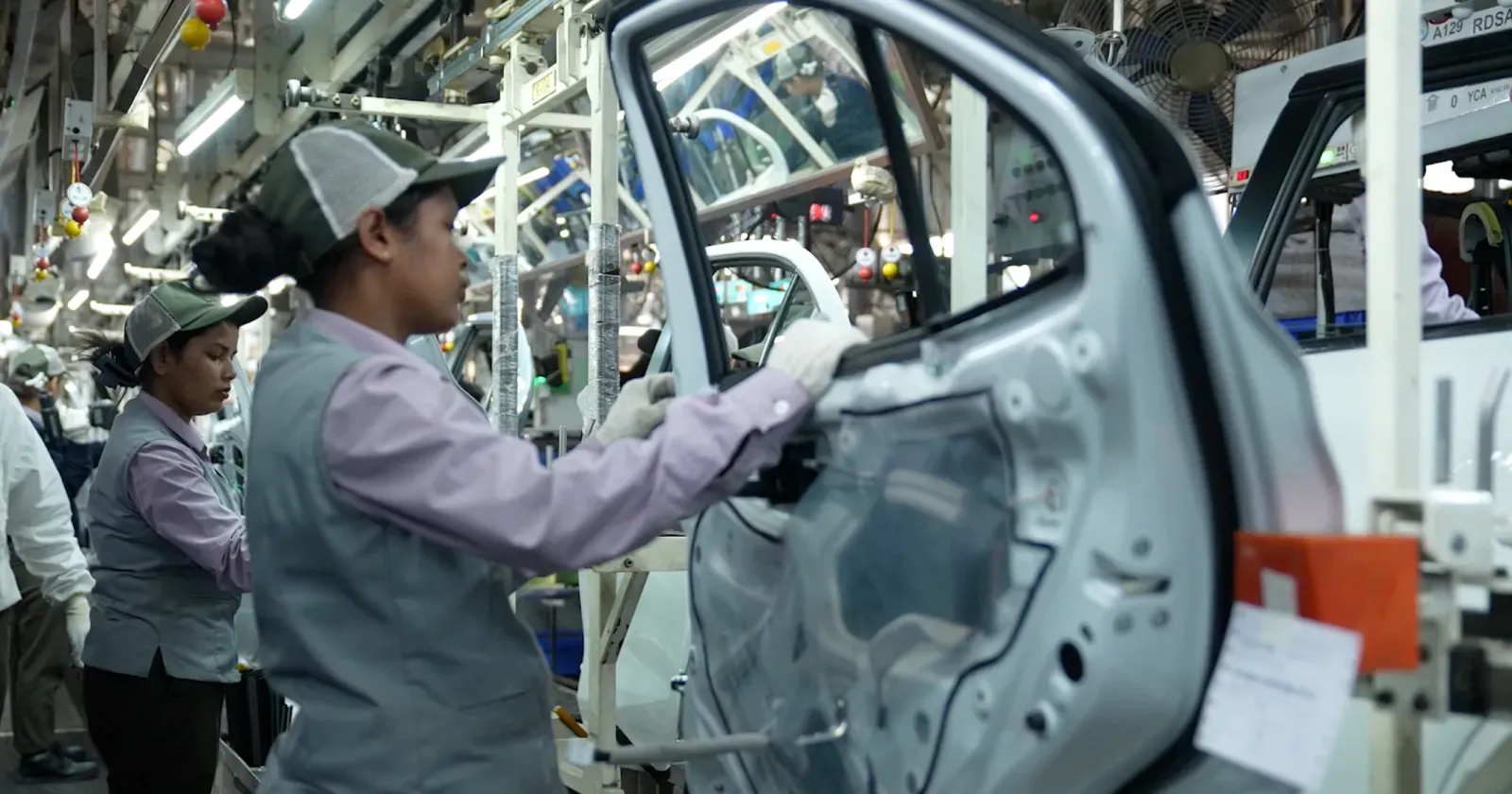
The Indo-Japanese carmaker has now inaugurated a quality control line with an all-women workforce at its Manesar manufacturing facility. This line deploys 22 women operators along with two women supervisors across two shifts. Vehicles go through as many as 122 checkpoints before rolling out for the final road inspection. It is the first instance where a stretch of the assembly line has been dedicated to only women workers. Maruti confirmed that more such lines will come up in the future in other facilities too as part of its gender diversity initiative.
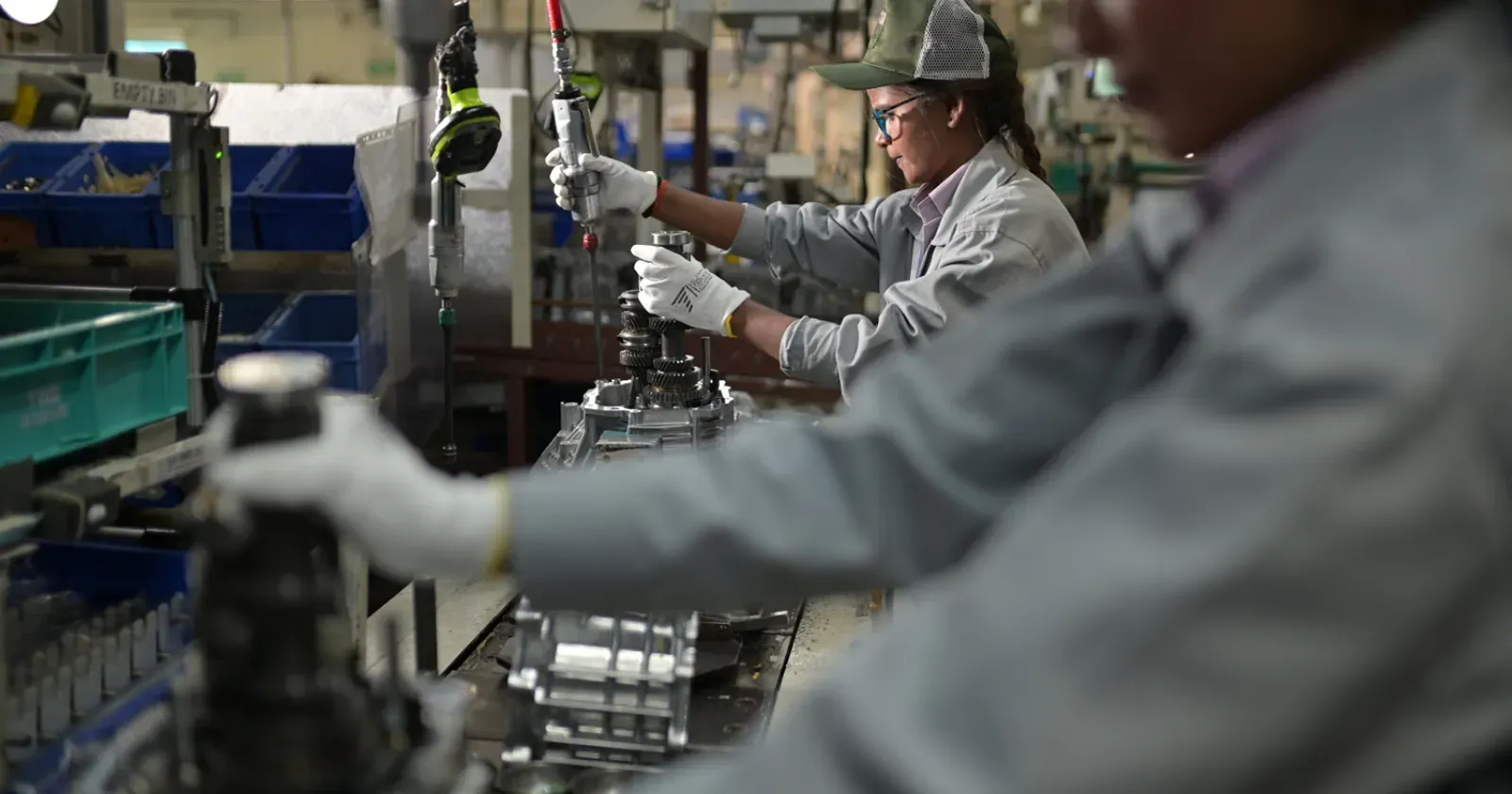
At its Gurgaon and Manesar facilities, Maruti Suzuki currently employs over 190 women on the shopfloor. These employees are contributing across key functions such as production quality control, instrument panel sub-assembly, rear door sub-assembly, transmission assembly, and K and Z series engine assembly. Maruti says the presence of women reflects a gradual but meaningful shift in the composition of the company’s manufacturing workforce.
Shift in Perspective on Manufacturing Roles
For years, manufacturing shopfloors in India have had a largely male workforce. One of the reasons for the smaller number of women candidates in such roles has been the limited participation of women in technical vocational courses. Mechanical and electrical ITI courses, in particular, have traditionally seen fewer women enrolling in them.
This has naturally affected the talent pipeline available to companies hiring for shopfloor roles. Maruti Suzuki has noted that a broader change is needed at the source as well, with more women opting for these technical courses so that the industry can access a larger and more diverse pool of candidates in the future. Still, the company’s focus is not limited to the availability of candidates. It is also working internally to ensure that women who do join the shopfloors are given the right support to succeed.
Maruti Suzuki is working closely with ITIs and Japan India Institutes of Manufacturing (JIM) to build a training pipeline, improve curriculum, and add industry-relevant skills, though challenges remain due to limited relevant trades in some institutes. Although the carmaker declined to disclose its current gender ratio or future targets for production roles, it noted that female hiring at Maruti Suzuki has risen from around 7–8 percent to approximately 12–13 percent.
Equal Training and Career Opportunity
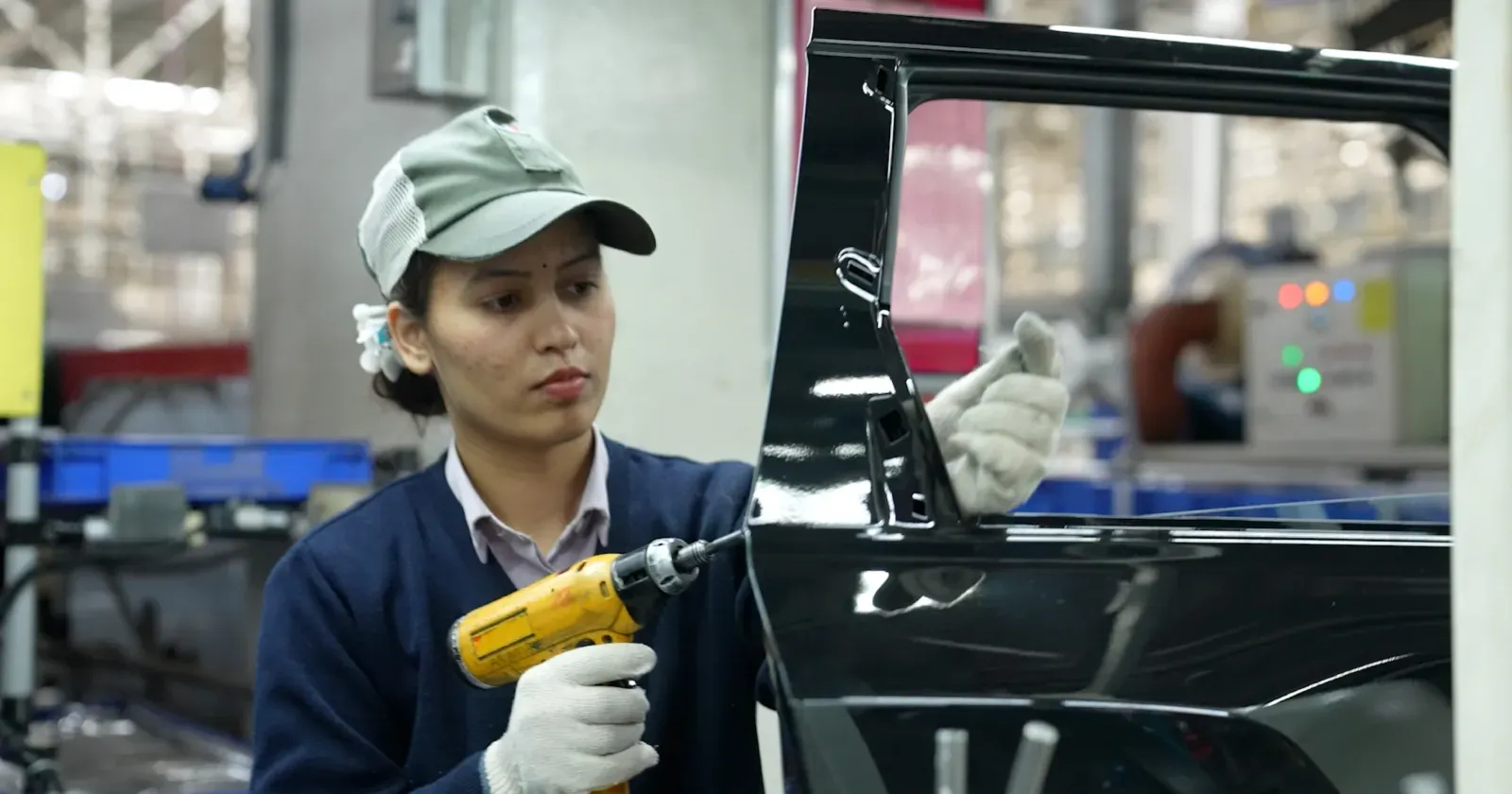
In an interaction with Acko Drive on the sidelines of this development, Rahul Bharti, Senior Executive Officer, Corporate Affairs, Maruti Suzuki India Ltd. (MSIL), said “A key part of Maruti Suzuki’s strategy is to ensure that women on the shopfloors receive the same on-the-job training and skill development opportunities as their male counterparts. This is important, not just for day-to-day efficiency, but also for long-term career growth.”
By offering equal access to training, the company is helping women build technical confidence and develop the capabilities needed for more advanced responsibilities over time. In industries like automobile manufacturing, where operational precision and process familiarity matter greatly, this kind of learning ecosystem can make a substantial difference.
Also READ: Centre Extends e-Rickshaw Subsidies till March 2028, Cuts Electric Bike Incentive Window
“The emphasis is also on creating career pathways that are open to everyone. The aim is not merely to increase the number of women employees, but to ensure they have a fair shot at progression within the organisation,” added Bharti.
Workplace Changes for Safety and Convenience
Recognising that shopfloor infrastructure has historically been designed around a male workforce, Maruti Suzuki undertook a detailed study to understand the needs of women employees. Based on this assessment, several changes were made to improve convenience, comfort, and safety.
These changes included adequate restrooms for women, a changing area, and a creche facility. Safety support was also strengthened through the presence of guards on duty and patrolling during the evening shift. Such measures are practical, but they also send a clear message: inclusion is not only about recruitment, it is about making the workplace genuinely workable for everyone.
Commenting on women’s safety, Salil Lal, Senior Executive Officer, Human Resources, MSIL, said, “These adjustments matter because a supportive environment can influence whether women feel able to continue and grow in production roles. In manufacturing, where shift work and physically demanding routines are common, thoughtful infrastructure can play a big role in retention.”
In addition, Maruti has also implemented strong safety measures such as door-to-door transport, deployment of Quick Response Teams (QRTs) during night shifts, and security guards to ensure safe travel and accommodation for women workers.
Also READ: Centre Cuts Petrol, Diesel Excise Duty by ₹10/litre, Retail Price Drop Unlikely
Building an Inclusive Culture on the Shopfloor
Infrastructure alone is not enough to bring about lasting change. Maruti Suzuki has also initiated sensitisation training for team members to support a more open and inclusive work culture. This kind of training can help reduce bias, improve collaboration, and make mixed-gender teams function more smoothly.
“When workers are trained to understand different perspectives and workplace needs, it becomes easier to build mutual respect. That is especially important in a production environment, where coordination, discipline, and trust are essential,” said Bharti.
The company has also made POSH training mandatory for all employees, reinforcing its commitment to workplace safety and awareness. This step is significant because it underlines that inclusion must be accompanied by safeguards, accountability, and a clear code of conduct.