
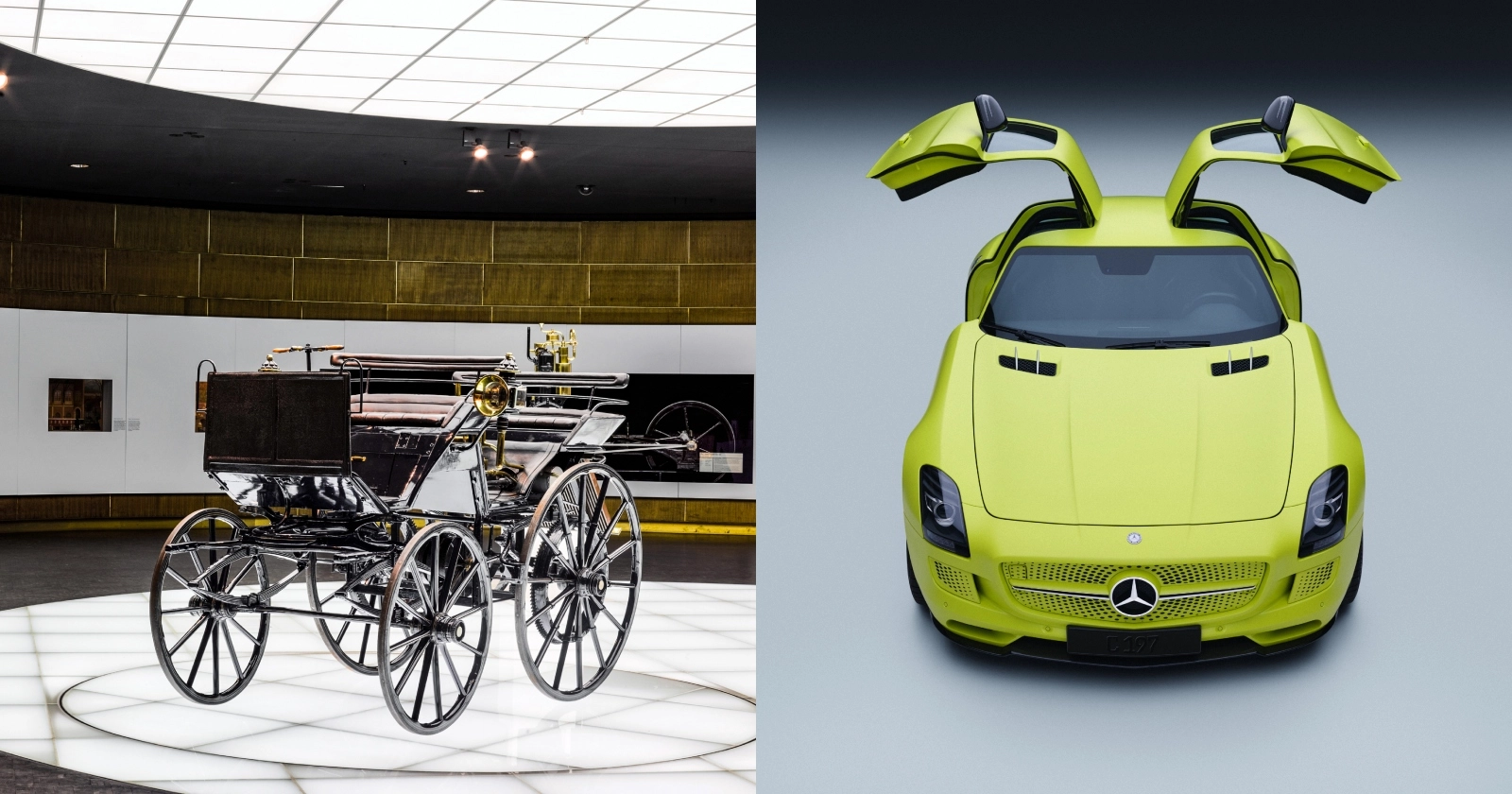
A look at Mercedes-Benz’s 140-year journey, covering its origins, iconic vehicles, motorsport heritage and evolution into the modern era.


Share Post
A look at Mercedes-Benz’s 140-year journey, covering its origins, iconic vehicles, motorsport heritage and evolution into the modern era.
Mercedes-Benz has completed 140 years as a car manufacturer, a milestone that traces the origins of the modern automobile to the late 19th century. From the world’s first motorised vehicle to today’s software-driven luxury cars, the brand’s journey mirrors the evolution of the global automotive industry itself.
The story of Mercedes-Benz begins in 1886, when Karl Benz patented the Benz Patent-Motorwagen, widely regarded as the world’s first practical automobile. Powered by a single-cylinder internal combustion engine, the three-wheeled vehicle laid the foundation for personal motorised transport. Around the same time, Gottlieb Daimler and Wilhelm Maybach were developing high-speed petrol engines, contributing to parallel innovations that would later converge.
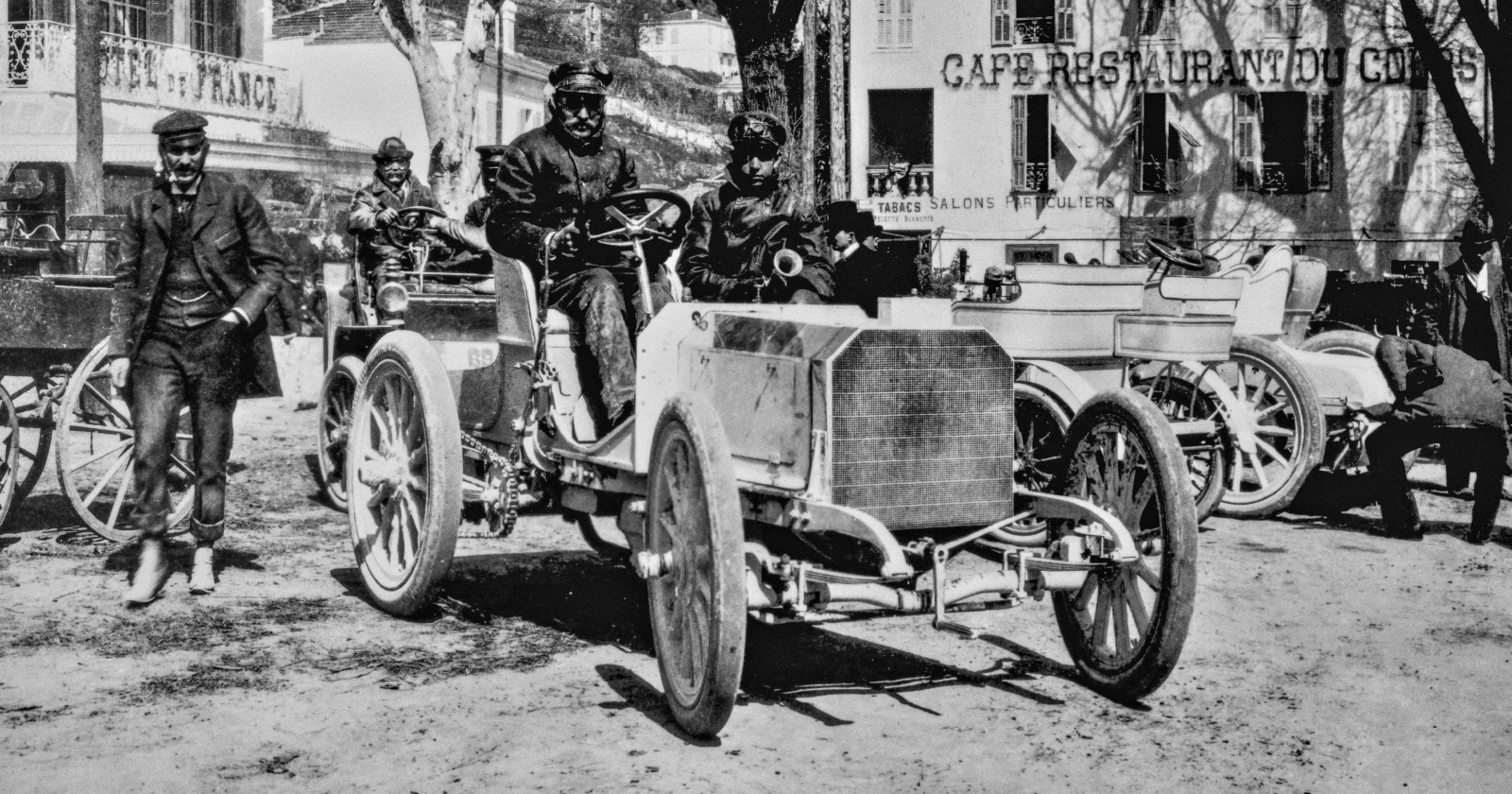
The eventual merger of Benz & Cie. and Daimler-Motoren-Gesellschaft in 1926 created Daimler-Benz, bringing together two pioneering forces whose combined expertise shaped the early automotive landscape. The three-pointed star emblem came to symbolise mobility on land, sea and air.
In its formative decades, Mercedes-Benz focused on engineering excellence and mechanical reliability. Early vehicles were often bespoke, catering to royalty, industrialists and motorsport enthusiasts. The brand quickly established a reputation for technical sophistication, supplying passenger cars, commercial vehicles and engines for a wide range of applications.
By the early 20th century, Mercedes-Benz had expanded beyond Germany, exporting vehicles and setting up international operations. This global outlook became central to its identity, enabling the company to influence automotive standards worldwide.
Over 140 years, Mercedes-Benz has introduced numerous vehicles that set benchmarks in design, safety and performance. Models such as the Mercedes-Benz 300 SL “Gullwing” redefined sports car engineering with innovations like fuel injection and lightweight construction. The S-Class sedan, launched in the post-war era, became synonymous with luxury and technology, often debuting features that later became industry standards.
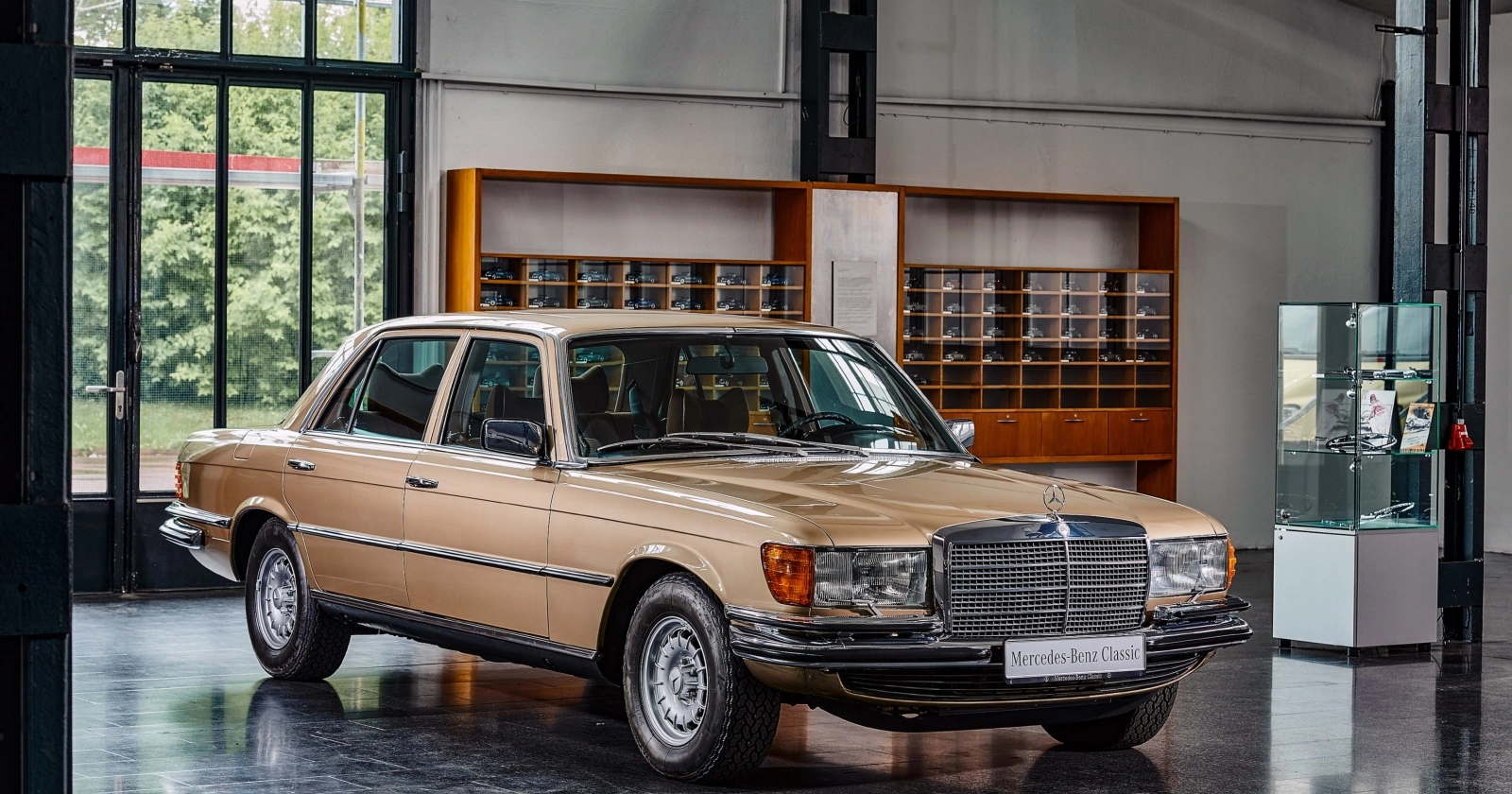
From diesel passenger cars to pioneering safety systems such as crumple zones, anti-lock braking systems and airbags, Mercedes-Benz consistently pushed technological boundaries. In recent decades, the portfolio has expanded to include SUVs, high-performance AMG models and electric vehicles under the EQ sub-brand.
Safety has remained a core pillar of Mercedes-Benz philosophy. The brand’s research into vehicle safety led to innovations that reshaped automotive engineering, many of which were later adopted across the industry. Its emphasis on passive and active safety systems reinforced its position as a technology leader.
Beyond hardware, Mercedes-Benz has increasingly focused on digitalisation, connectivity and automated driving technologies, reflecting changing customer expectations and regulatory landscapes.
Motorsport has played a crucial role in the brand’s development. Mercedes-Benz achieved early success in pre-war Grand Prix racing and later returned to top-level motorsport with sustained dominance in Formula One. Its involvement in racing has served as a proving ground for engineering solutions, influencing performance road cars and efficiency technologies.
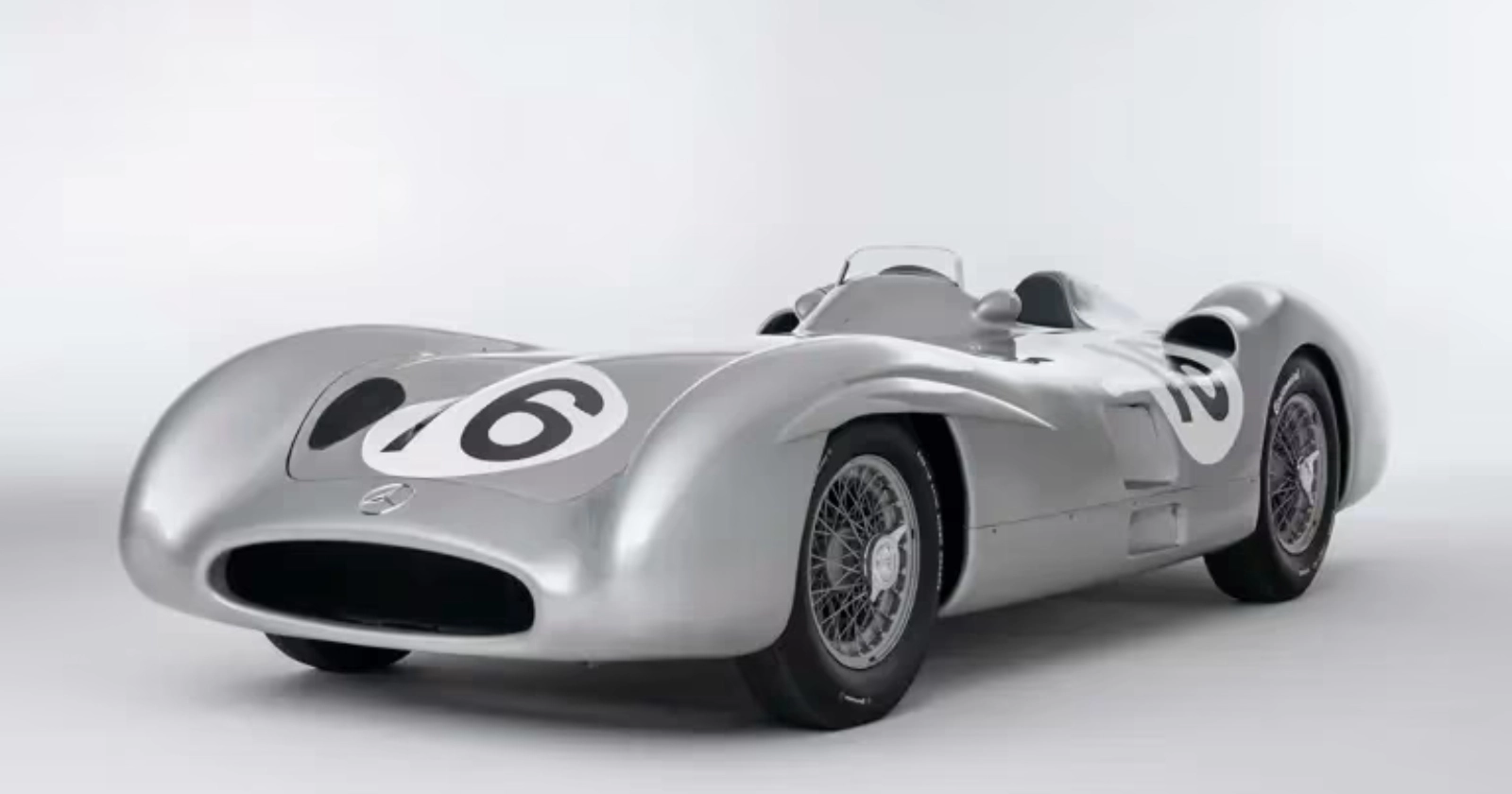
The brand’s motorsport heritage also strengthened its performance credentials, particularly through Mercedes-AMG, which bridges racing expertise with road-going vehicles.
Also READ: Tesla To Discontinue Model S, Model X in Favour of Robotics
As the automotive industry undergoes a fundamental transformation, Mercedes-Benz is repositioning itself around electrification, sustainability and software-defined vehicles. Investments in electric powertrains, battery technology and digital ecosystems signal a shift toward future mobility while retaining the brand’s traditional focus on comfort, safety and performance.
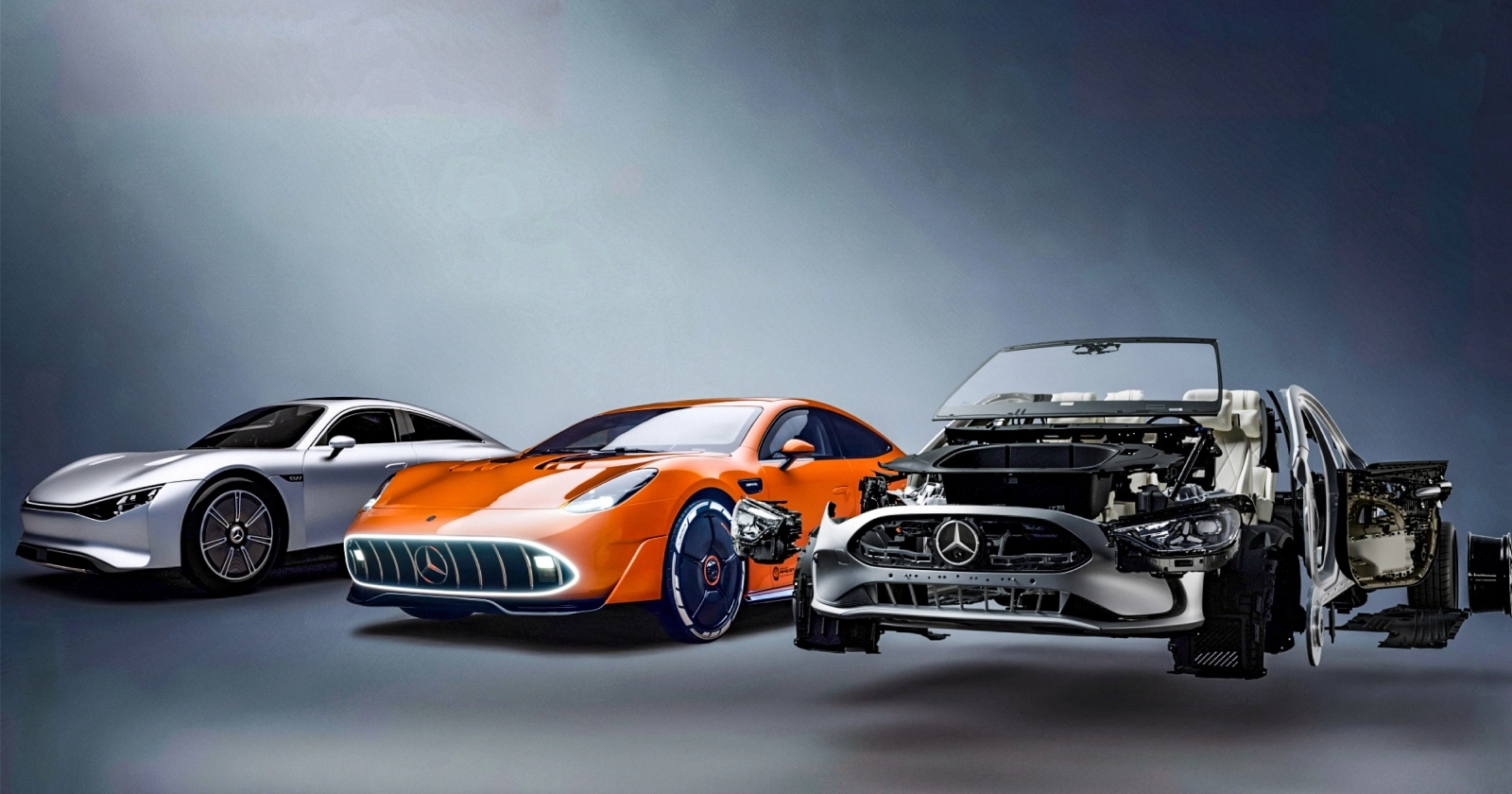
The company’s approach reflects a balance between preserving heritage and embracing change, a challenge faced by legacy manufacturers in a rapidly evolving market. Completing 140 years underscores Mercedes-Benz’s enduring influence on automotive history.

VECV Announces Leadership Reshuffle — Appoints B Srinivas as CEO, Vinod Aggarwal as Chairman
Acko Drive Team 10 Mar, 2026, 3:34 PM IST
Mahindra BE 6 Batman Edition 2nd Batch Sold Out
Acko Drive Team 10 Mar, 2026, 12:11 PM IST
Lamborghini India Sees Growing Demand for Personalised Supercars
Acko Drive Team 10 Mar, 2026, 12:09 PM IST
Daimler Truck Innovation Center India Appoints Radhakrishnan Kodakkal As New CEO
Acko Drive Team 10 Mar, 2026, 10:47 AM IST
Venue HX8 Diesel AT Launched at ₹13.70 Lakh
Acko Drive Team 10 Mar, 2026, 10:41 AM IST

Looking for a new car?
We promise the best car deals and earliest delivery!
