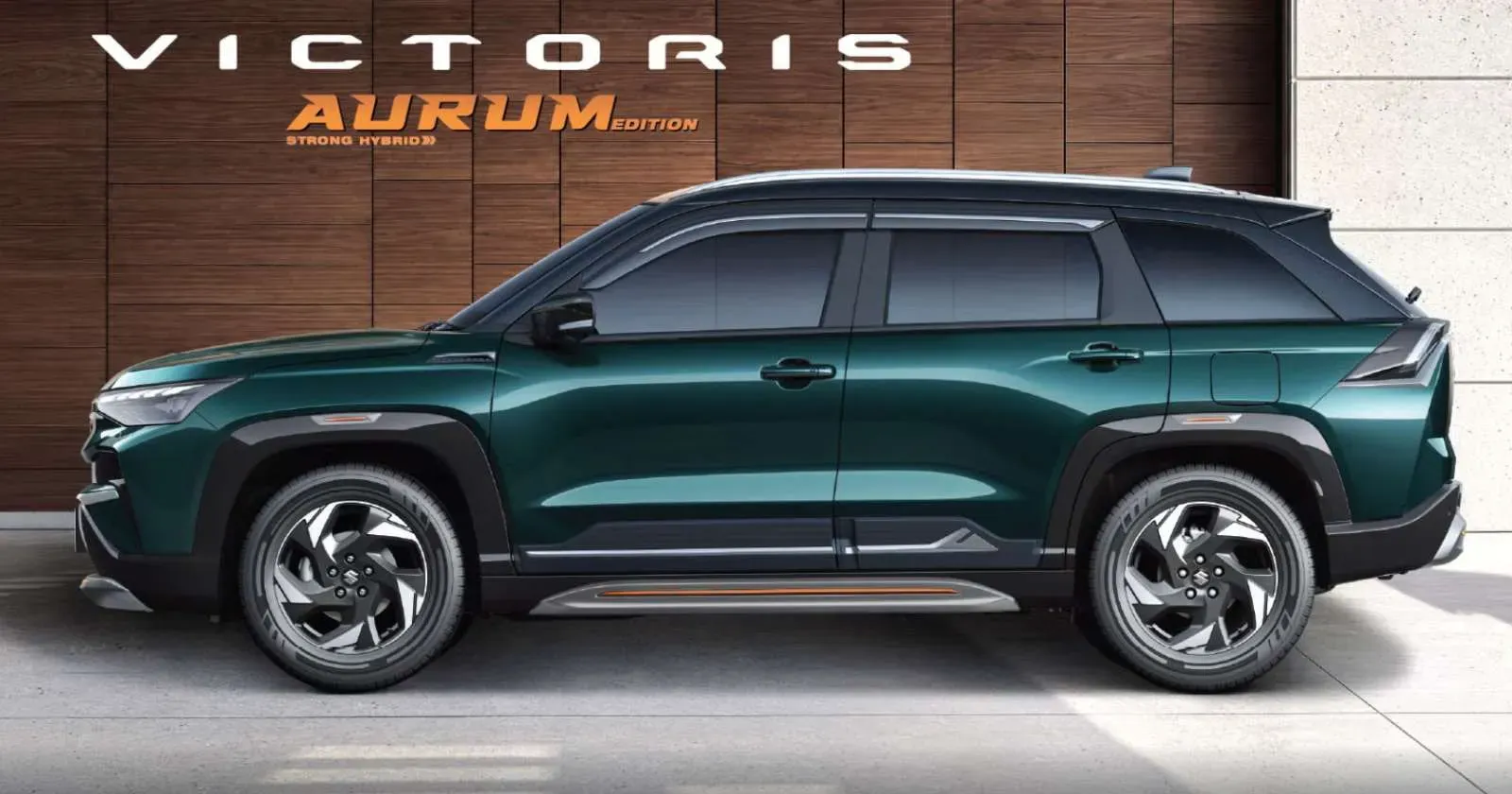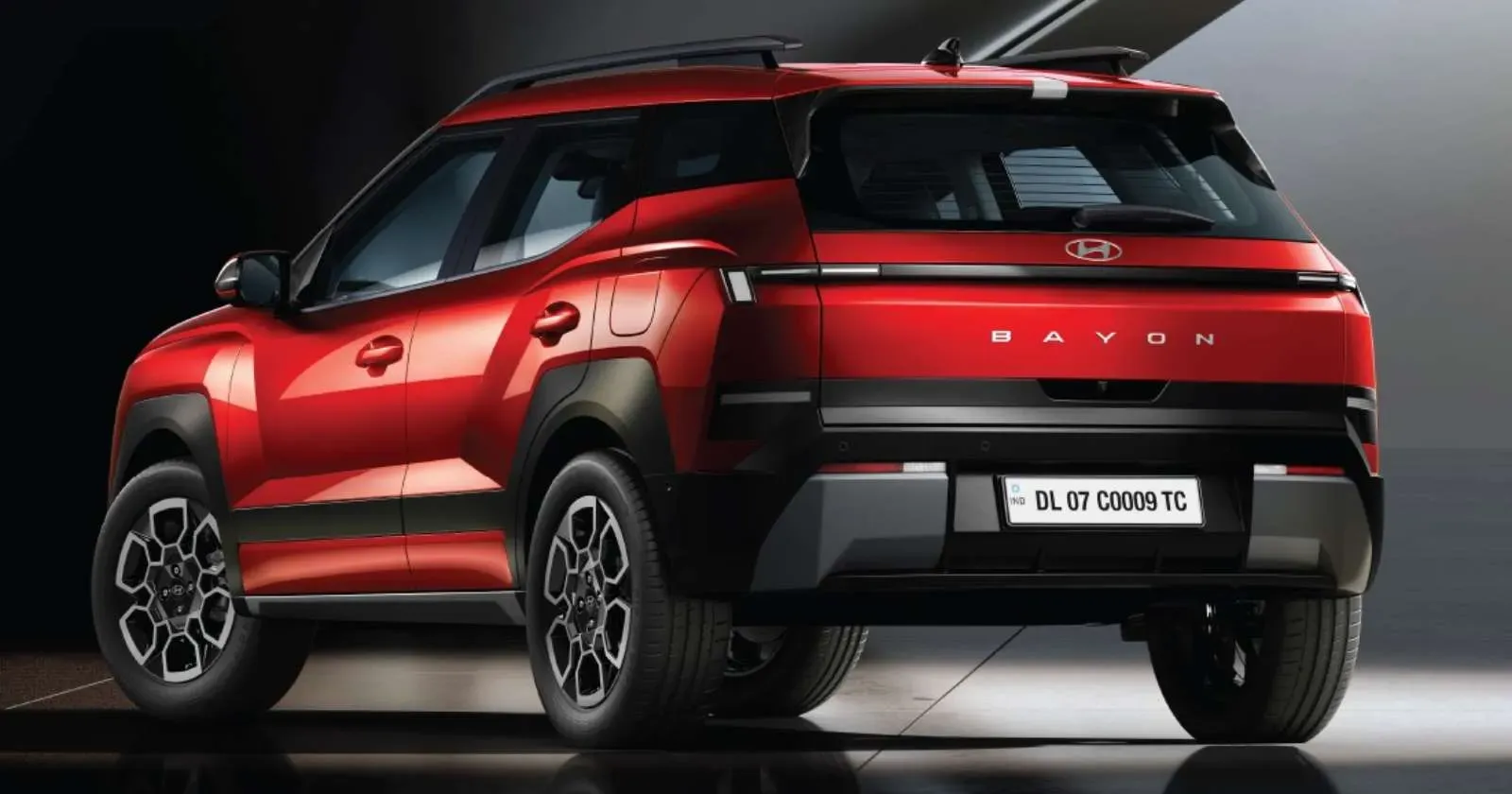


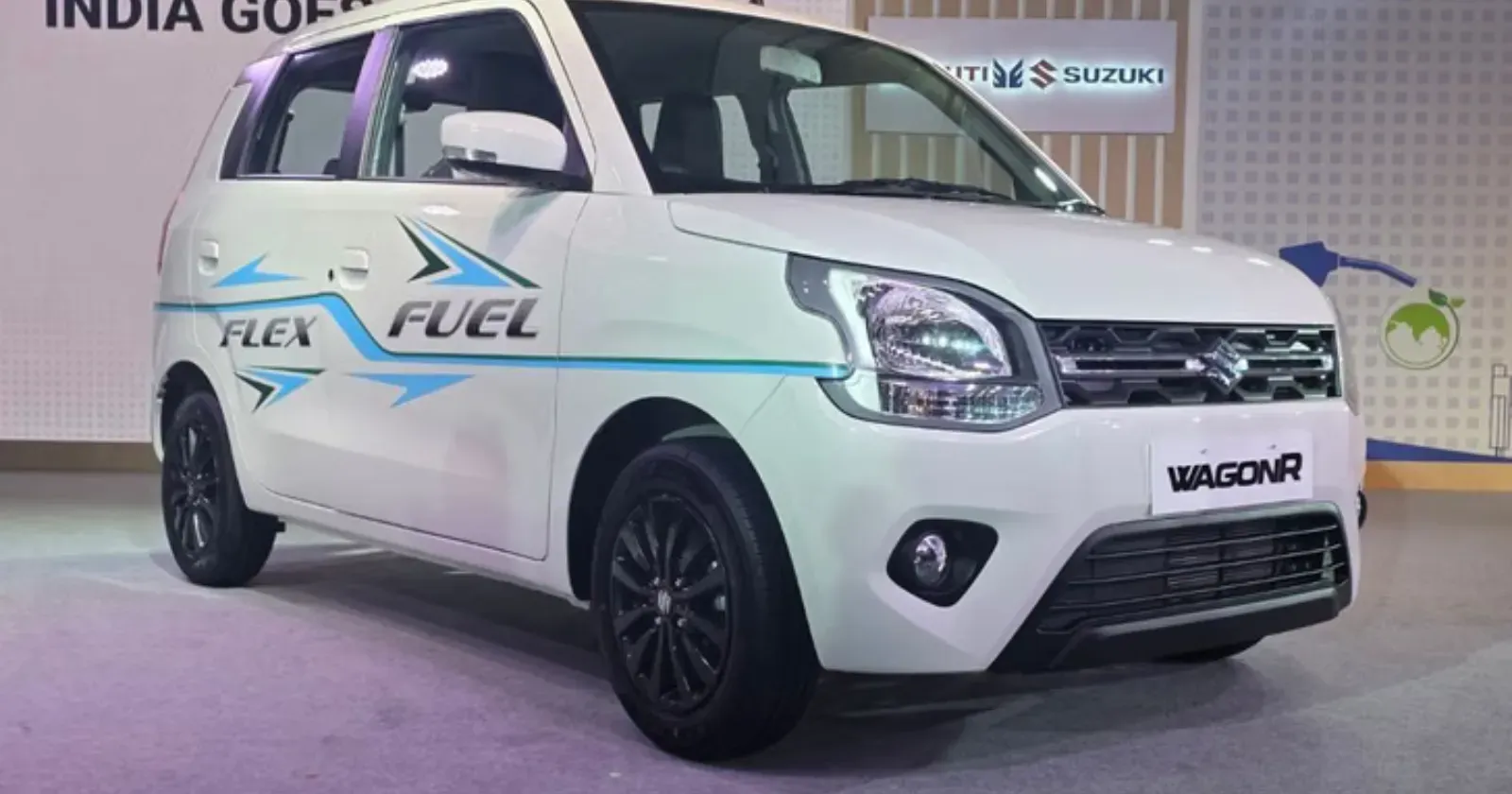
The Government of India is pushing ahead with plans to roll out flex fuel in India, particularly high-ethanol E85 and E100 blends. The Ministry of Road Transport and Highways has published a notice detailing amendments to the Central Motor Vehicles Rules, 1989, which will formally recognise the sale and use of vehicles designed specifically to use blends with 85 percent or more Ethanol.
The new regulations will allow vehicle manufacturers to launch E85-E100 compliant flex fuel vehicles, specifically extending the proportion of blended ethanol beyond the 85 percent mark. However, vehicles must still be certified as per emissions and safety norms, and certification for specific blend ranges will be granted based on their design. Not all vehicles will support the entire E0-100 range, and owners will need to make sure they are using the appropriate fuel.
Flex fuel vehicles may support a range of blends, but the ministry cautions that cars and bikes currently on the road, which now use E20 blended fuel, will not automatically support E85 and beyond. The government is also clear that it is not forcing the adoption of E85-100 fuel and will not mandate any kind of vehicle modification; unlike the abrupt and highly criticised switch to E20 which upset vehicle owners and caused confusion across the country.
Vehicles will need specifically adapted components using suitable materials for their fuel systems, considering the possibility of performance degradation and accelerated wear-and-tear. Moreover, certification will depend on how their engines are tuned and can adapt to different ethanol blends in a single fuel tank.
The announcement also notes provisions for biodiesel adoption have been updated, and other technical corrections have been implemented. The amendments will take effect as of the date they are published in the government’s official gazette.
Efforts to promote ethanol blending in India stem from the “atmanirbhar bharat” mission to reduce dependence on imported petroleum, with the government saying that it also has the benefits of reducing tailpipe emissions and stimulating the agricultural sector as well as rural employment.
The notification does not clarify how and when E85-100 vehicles and fuel will actually become available, what they will cost, and how they will be sold alongside today’s mainstream fuel options.