

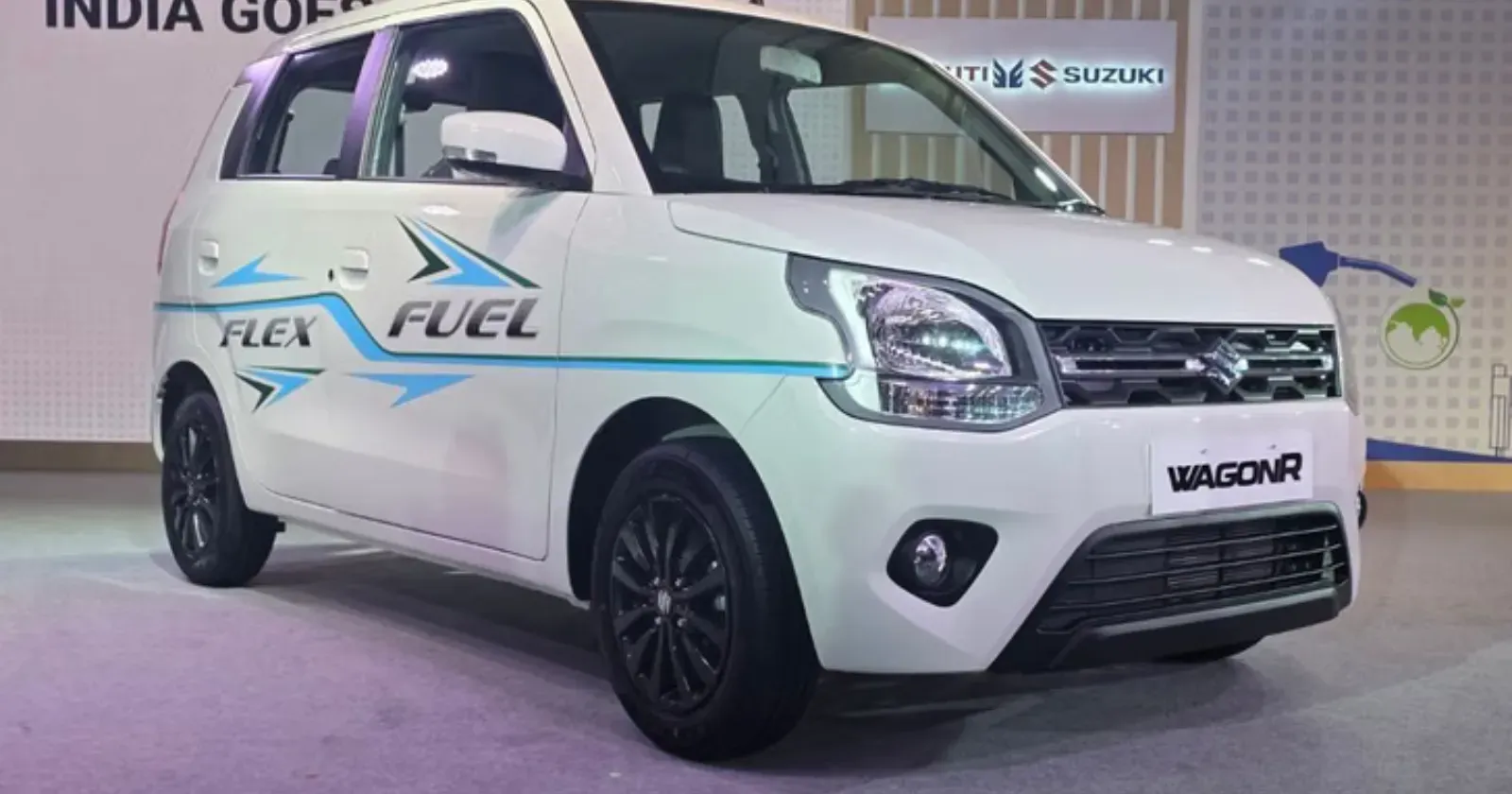
The Maruti Suzuki Wagon R Flex Fuel could soon be joined by other E100-compatible models from multiple carmakers in India.
Union Minister of Road Transport and Highways of India, Nitin Gadkari, on Saturday said he has approved final regulations allowing for the rollout of E100 pure ethanol fuel in India. Along with that, he said twelve manufacturers are gearing up to launch new flex fuel compliant models or variants in the near future. According to the minister, announcements from companies including Tata, Hyundai, Mahindra, and Toyota can be expected soon.
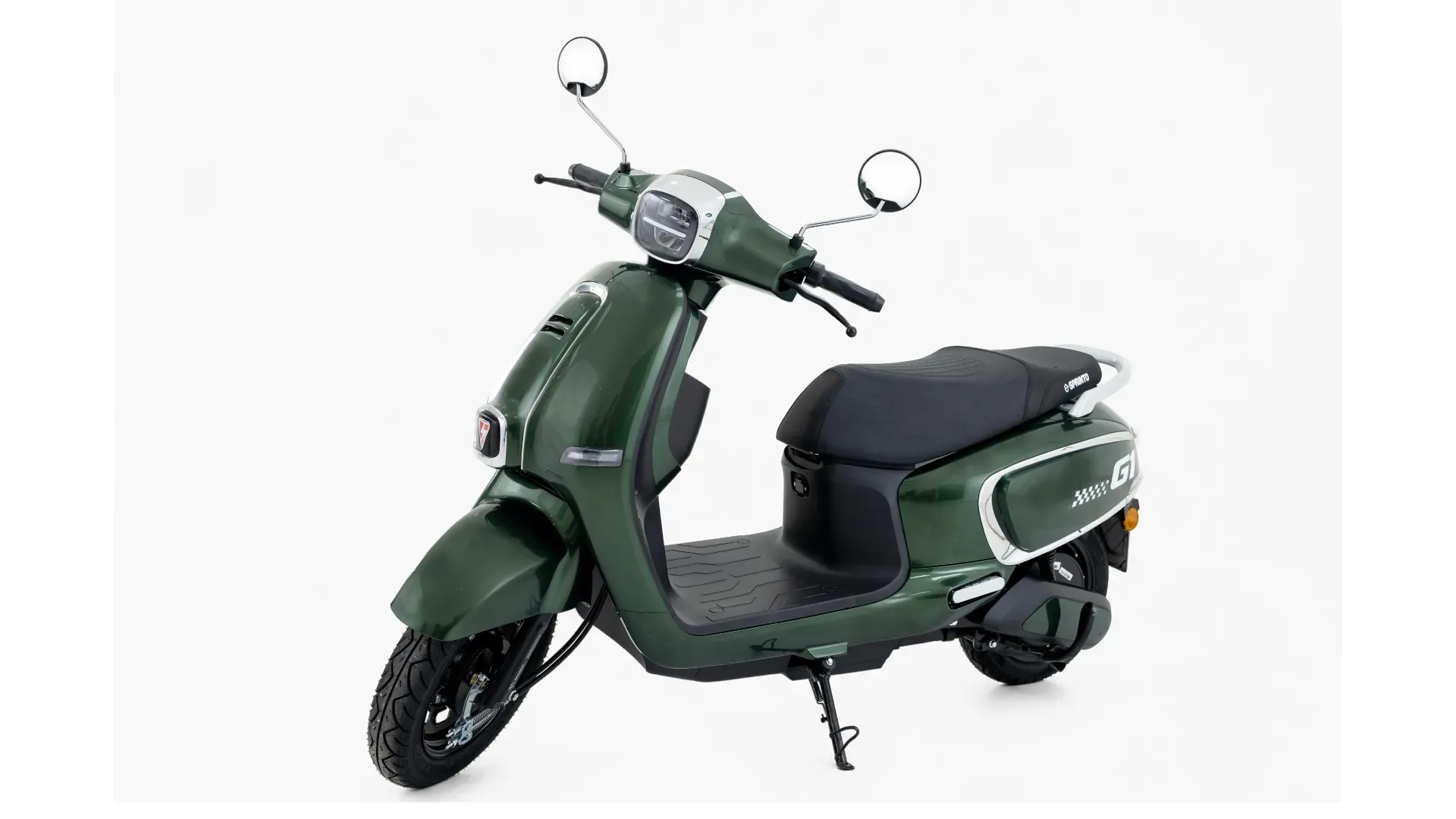
The minister also referenced the recent announcement of Maruti Suzuki’s Wagon R Flex Fuel and Hero’s Splendor+ Flex Fuel and HF Deluxe Flex Fuel bikes, which are India’s first vehicles compatible with E100 fuel. Moreover, he said he has asked companies such as Hero to launch flex fuel conversion kits, allowing existing vehicles to be retrofitted to run on E100 or lower ethanol blends.
In line with the government’s Viksit Bharat vision, Gadkari also repeated earlier statements that a transition to pure ethanol or blended petrol is important to reduce the country’s reliance on oil imports. He also called it cost-effective, pollution-free, and indigenous, benefiting India’s farmers. He also said seeing the transition play out gives him personal satisfaction.
As the transport sector accounts for 40 percent of all air pollution in India, accelerating a shift to green fuels will also significantly improve environmental conditions, he said. India is the world’s second-largest importer of oil and gas, with 87 percent of the total requirement coming from abroad, at a cost of ₹22-23 lakh crore annually. The minister urged various industries to explore moving away from traditional fuels, saying for example, telecom towers alone consume ₹4,500 crore worth of diesel every year.
Addressing criticism of the government’s rush to roll out E20 fuel last year, and withdraw non-blended petrol completely, the minister said he had been personally targeted by malicious propaganda, and that vested interests were running paid disinformation campaigns. He cited an IISc Bengaluru study, stating that blended fuel can reduce emissions by 88 percent, also adding that electric cars require lithium battery cells to be imported, whereas flex-fuel engines can be made entirely in India. In response to criticism about sugarcane cultivation requiring large amounts of water, Gadkari said India’s problem is not water supply, but management.
The market for flex-fuel bikes and cars will grow by 15 percent between 2025 and 2030, he said, which will be a significant boost for ethanol consumption and thereby the Indian economy. Beyond phasing out petrol in the automobile sector, Gadkari also spoke about plans to develop infrastructure around sustainable aviation fuel (SAF), bio-bitumen, and biogas, and municipal waste-to-energy initiatives, all to further the government’s Atmanirbhar Bharat vision. India produced approximately 450 lakh tonnes of sugar in the 2024-25 growing season, making it the world’s second-largest producer.