
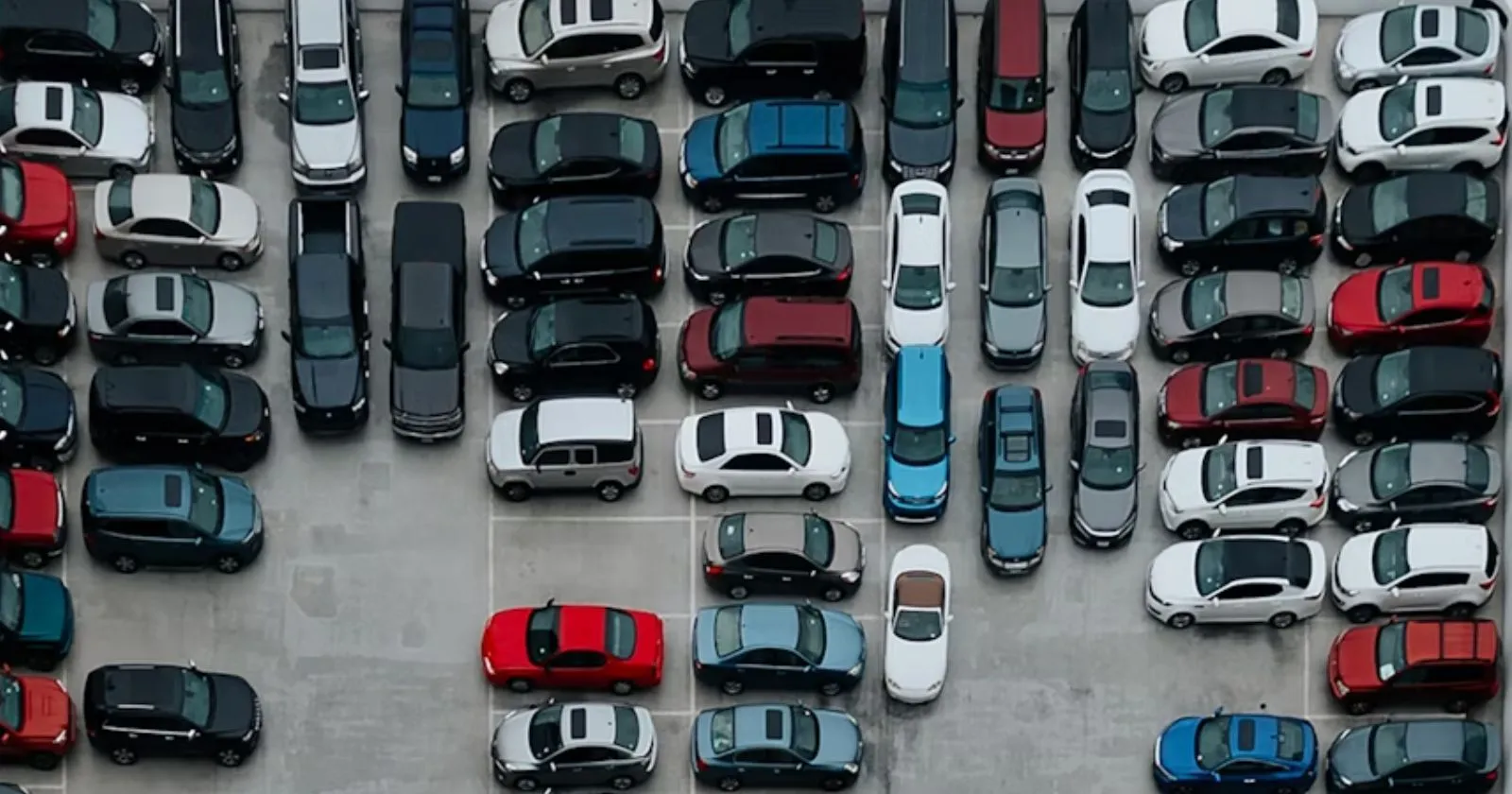
India's automotive industry witnessed a watershed year in 2025.


Share Post
India's automotive industry witnessed a watershed year in 2025.
India's automotive industry witnessed a watershed year in 2025, courtesy of the Goods and Services Tax (GST) relief on smaller and mass segment vehicles, the India-UK FTA which opened fresh avenues for exports, investment and technology collaboration and the Union Budget that focused on strengthening the automotive sector with focus on electric vehicles (EVs), clean technology, and local manufacturing. These three majorly reshaped India's automotive landscape this year, with GST 2.0 being seen as the biggest overhaul in many years. The auto industry also saw a boost in domestic demand and export competitiveness while transitioning towards sustainable mobility.
These policy introductions came at a key juncture for India's automotive sector, which contributes over 7 per cent to the nation's GDP and employs millions across manufacturing and associated industries.
Finance Minister Nirmala Sitharaman unveiled revised GST rates following the 56th GST Council meeting in September, delivering tax relief aimed at middle-class car buyers. The restructured taxation framework for automobiles and components took effect from September 22. Under GST 2.0, compact vehicles attract 18 per cent GST, down from the previous 28 per cent rate. The reduction translates to substantial savings -- models such as the Maruti Suzuki Swift and Dzire become approximately ₹60,000 cheaper.
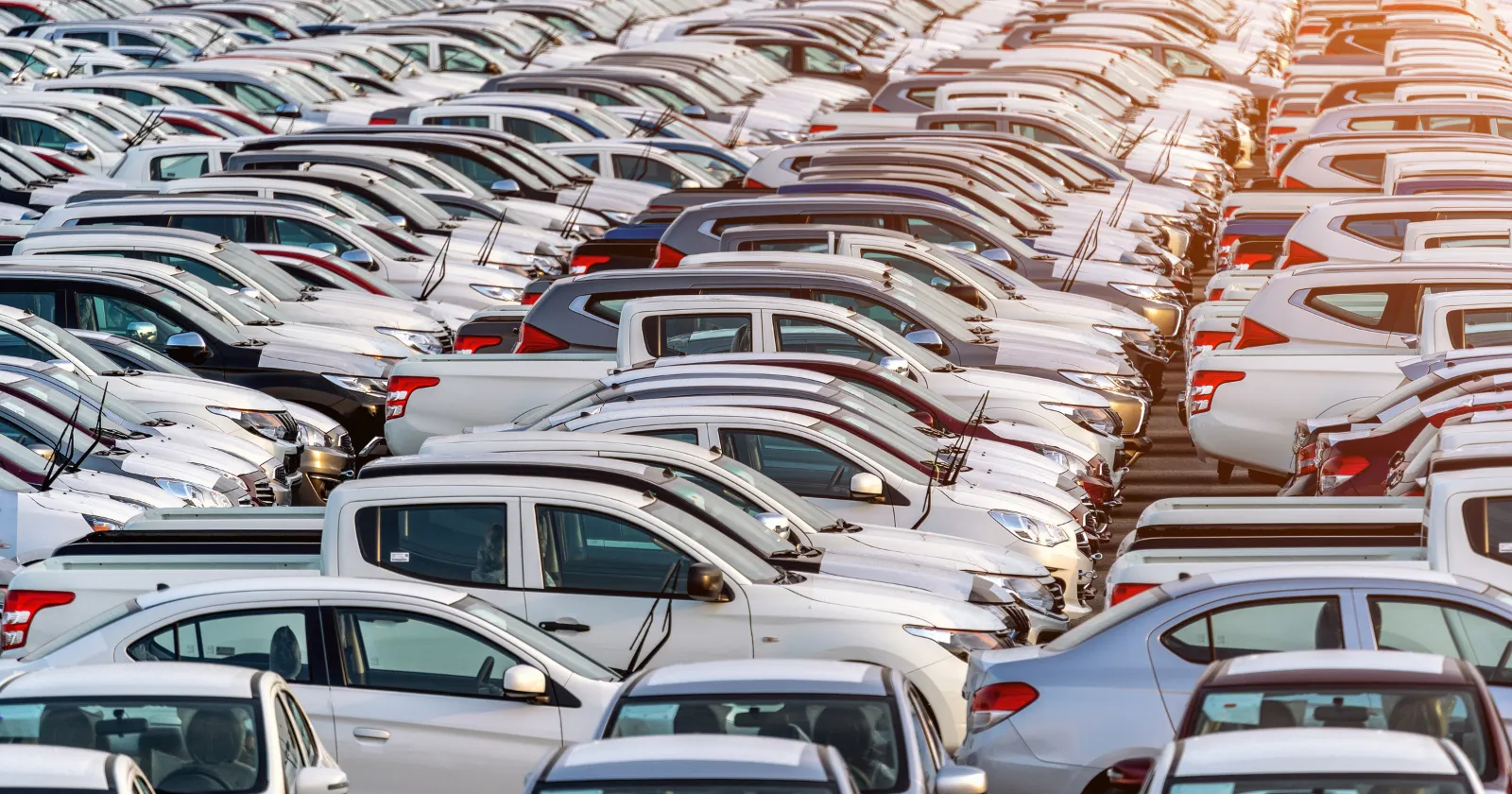
What are small cars. Small cars measure under four metres in length with engine displacement below 1,200cc for petrol variants or 1,500cc for diesel models. Qualifying vehicles include the Alto, WagonR, Amaze, Swift, Dzire, Nexon, and Venue. Notably, Mahindra Thar's diesel-RWD variant meets these criteria, whilst the Maruti Suzuki Brezza falls outside despite its sub-4m length due to its 1.5-litre petrol engine.
Tax cuts on motor bikes. Bikes with engines up to 350cc benefit from reduced taxation, dropping from 28 per cent to 18 per cent. Models including the Hero Splendor, Bajaj Platina and Royal Enfield Bullet 350 become marginally more affordable. However, motorcycles exceeding 350cc face steeper taxation at 40 per cent -- up from 28 per cent plus a 3 per cent cess. With the cess eliminated, larger bikes now fall into the same "sin goods" category as tobacco and alcohol.
EV taxation remains at 5 per cent across all segments, including luxury models, supporting government green mobility initiatives. Commercial vehicles receive relief too -- trucks, buses, ambulances, and three-wheelers drop from 28 per cent to 18 per cent taxation. Previously scattered across multiple tax brackets, automotive parts are now consolidated under a single 18 per cent rate, simplifying manufacturer compliance.
The government's PM E-DRIVE Scheme, launched to give a push to EV uptake, establish charging infrastructure and develop India's EV manufacturing ecosystem, runs from October 2024 through March 2026, absorbing the earlier Electric Mobility Promotion Scheme (EMPS-2024) which operated from April and September 2024. Under the PM E-DRIVE framework, electric two-wheeler subsidies are calculated by battery capacity at Rs 5,000 per kilowatt-hour, capped at ₹10,000 during the first year. The second year sees support halved to ₹2,500 per kWh with a maximum benefit ₹Rs 5,000.

The government's draft Corporate Average Fuel Efficiency (CAFE-III) regulations introduce more stringent fuel consumption and CO₂ emission benchmarks for passenger vehicle manufacturers across India. The proposal mandates carmakers reduce average fuel consumption across their sales portfolios from 3.73 litres per 100 kilometres in 2027 to 3.01 litres by 2032. The regulations are set to impact vehicle pricing, safety standards, product development strategies, and the timeline for EV adoption in coming years.

However, the Bureau of Energy Efficiency's draft CAFE-III norms triggered dissent within India's automotive sector, with the Society of Indian Automobile Manufacturers (SIAM) unable to reach an agreement on proposed weight-based exemptions for compact vehicles. The BEE proposal grants cars weighing up to 909 kg unladen mass -- with engine displacement below 1,200cc and length under 4,000mm -- an additional 3 g/km CO₂ deduction when calculating emissions performance.
These regulations take effect from April 2027 through March 2032.
Maruti Suzuki India Ltd, the country's largest carmaker by volume, supports the draft given its extensive portfolio of small cars meeting the 909kg criterion. However, Tata Motors has opposed the weight threshold, arguing it could incentivise unsafe vehicle design. Tata's entry-level model, the Tiago hatchback, exceeds 909kg, placing it outside the exemption bracket despite its compact dimensions.
The UK-India free trade agreement gave way to reduction of import tariffs on British-manufactured vehicles, lowering duties from levels exceeding 100 per cent to 10 per cent within prescribed volume limits. The tariff reduction will be implemented incrementally across a 10 to 15-year timeframe, incorporating protective mechanisms designed to safeguard India's domestic automotive makers while local production capabilities continue to expand. According to the FTA, vehicles seeking preferential duty treatment must satisfy stringent Rules of Origin criteria, mandating that a designated proportion of value addition occurs within the UK to prevent third-party nations from channelling products through British ports to exploit the lower tariffs.
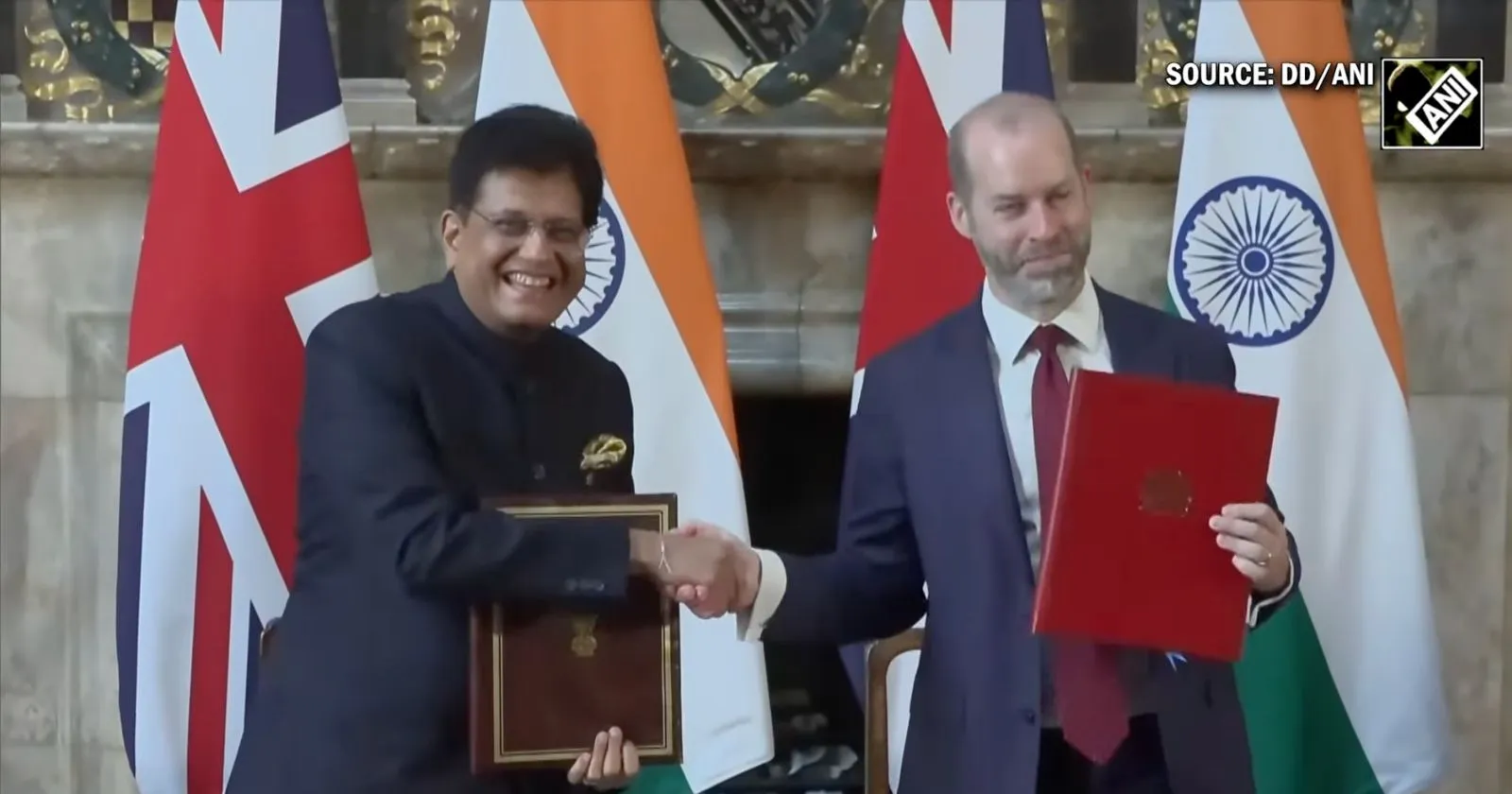
The concessional duty structure varies according to multiple factors including engine capacity, vehicle pricing and nation-specific import quotas. For electric vehicles (EVs) specifically, preferential 10 per cent duty rates will apply to roughly 22,000 premium-segment units annually, with any volumes exceeding this ceiling reverting to standard import duty charges.
While the key trade agreement addressed India's export potential and international competitiveness, domestic market dynamics received equal attention through comprehensive tax rejig in the form of GST 2.0.
The Union Budget 2025-26 opened the year with substantial tax concessions targeting middle-income households, establishing the foundation for subsequent automotive sector announcements.
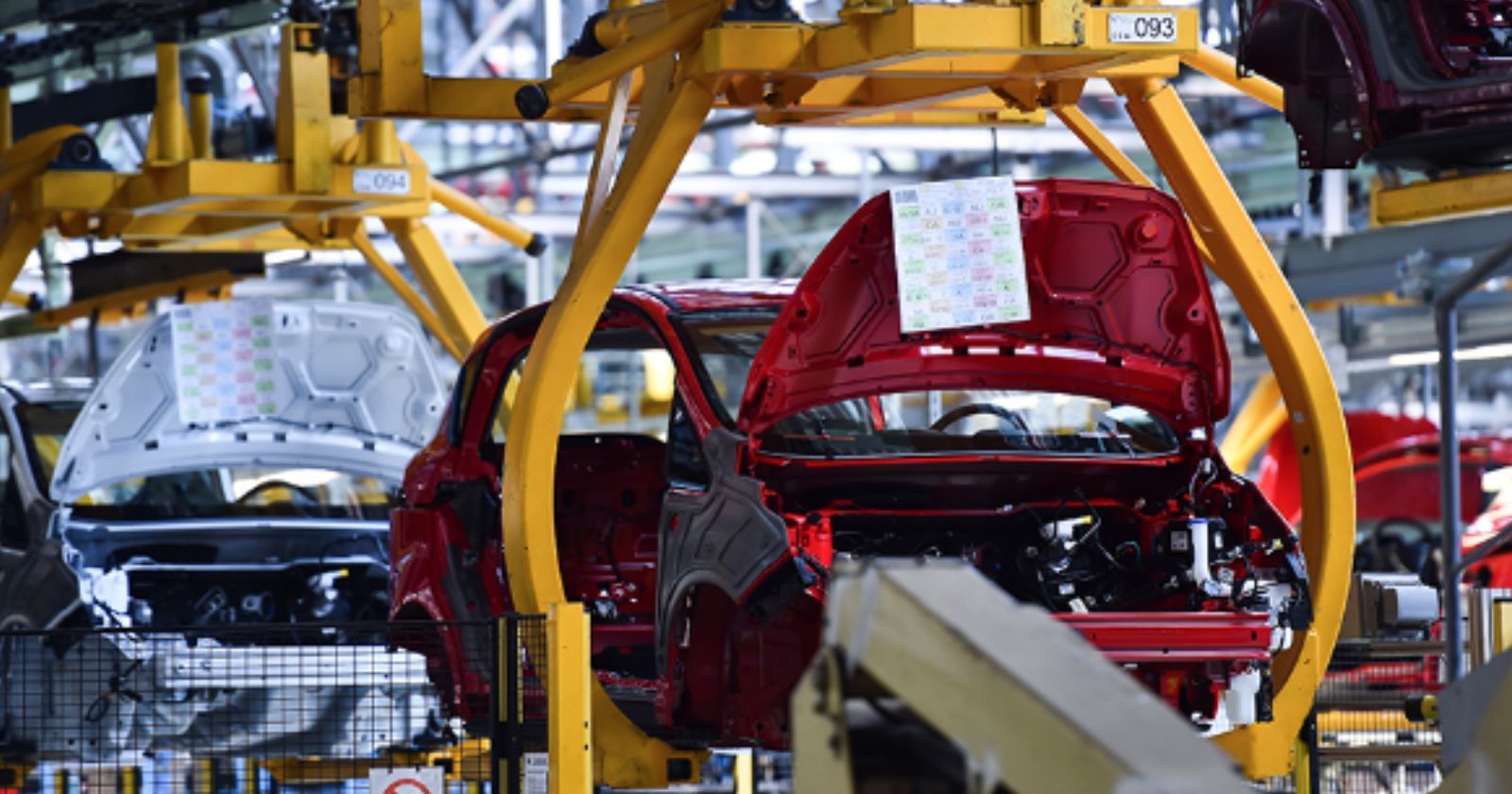
Battery manufacturing got duty-free status: Beyond stimulating consumption, the budget introduced significant relief for lithium-ion battery and electric vehicle component manufacturers. Seeking to strengthen domestic battery production capabilities, the government eliminated basic customs duty entirely on 35 additional capital goods required for lithium-ion battery manufacturing. Duty exemptions also extended to lithium-ion battery waste and scrap, alongside cobalt powder, lead, zinc, and various critical minerals including cobalt and copper -- materials that previously attracted duties ranging from 2.5 to 10 per cent.

TVS Becomes Third-Largest Two-Wheeler Manufacturer in the World
Acko Drive Team 4 Mar, 2026, 12:41 PM IST
5 Interesting Colour Options On Indian Cars
Acko Drive Team 4 Mar, 2026, 12:30 PM IST
Actor Shahid Kapoor Brings Home Mercedes-Benz G 450d Worth ₹2.9 crore
Acko Drive Team 4 Mar, 2026, 10:20 AM IST
Volvo Brings New UX to 2.5 Million Older Cars With its “Largest OTA Software Update Ever”
Acko Drive Team 4 Mar, 2026, 9:27 AM IST
Renault Teases Bridger Subcompact SUV Concept To Take On Hyundai Venue, Will Be Made In India
Acko Drive Team 4 Mar, 2026, 8:52 AM IST

Looking for a new car?
We promise the best car deals and earliest delivery!
