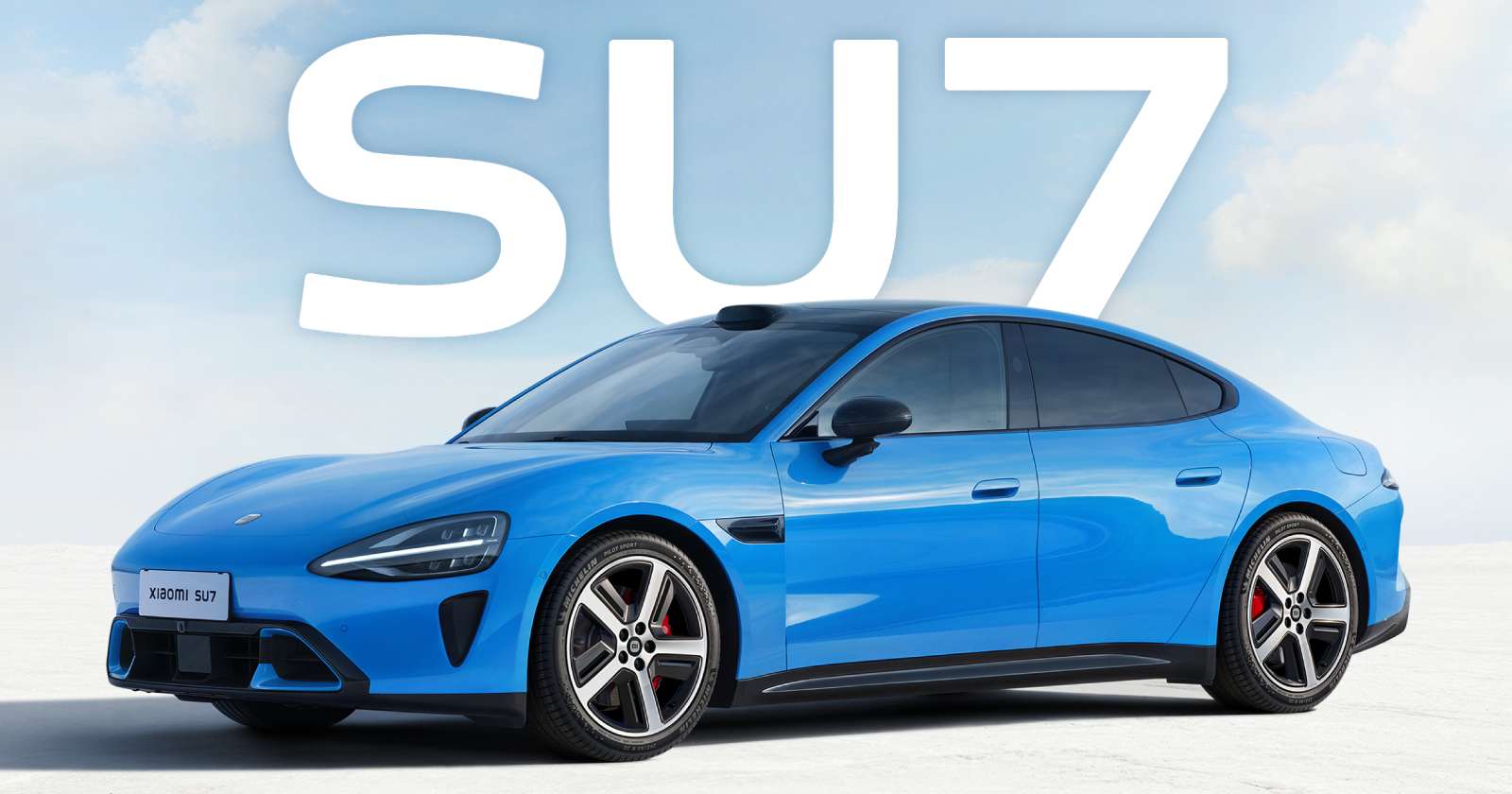
All three variants will now have Xiaomi’s refined V6s Plus motor, rather than the original V6 or V6s, as well as front four-piston fixed calipers. Maximum power is 320hp for the Standard and Pro variants and 690hp for the Max variant, up from 299hp and 673hp respectively. The upper two variants now have dual-chamber air suspension with continuous damping control, which was previously limited to the Max variant.
The biggest news is the upgrade from a 400V charging platform to 800V (752V for Standard and Pro, 897V for Max). A 15-minute charge will allow for 670km of range, up from 510km (Max variant). Total range has increased from 700km, 830km, and 800km for the Standard, Pro and Max variants to 720km, 902km, and 835km respectively.
The recently introduced Xiaomi HAD driving assistance system is now standard, replacing Xiaomi Pilot Pro. ADAS power has jumped up to 700 TOPS (trillion operations per second), from 84 (Standard) or 508 (Pro, Max).
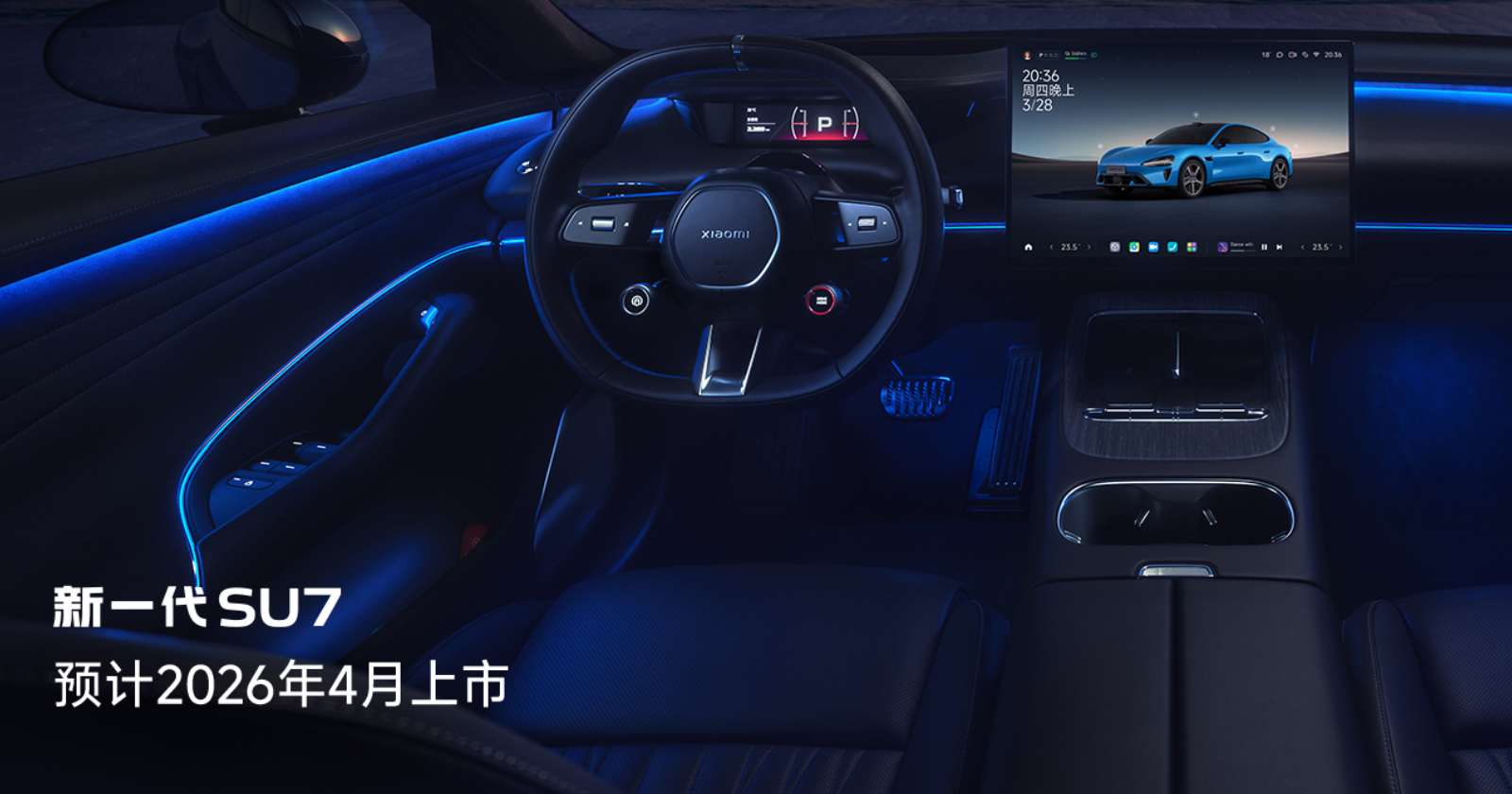
There’s a new two-tone steering wheel, redesigned centre console and interior ambient lighting, and improved seats.
More detailed specifications are still to be announced. Local media and leaks in China suggest that battery density has also been improved. The upgraded ADAS performance is also likely due to a switch to Nvidia’s new Drive AGX Thor-U platform.
Xiaomi says it has shipped over 360,000 units of the SU7. This comes shortly after it announced it had exceeded its 2025 sales target by a wide margin. In early December 2025, On December 2, it announced its 500,000th car delivery. A month earlier, it shipped its 150,000th YU7 within six months of that model’s launch. While Xiaomi has confirmed it plans to enter the European market by 2027, likely with its first hybrid range extender models, there is no word of an India debut India yet.