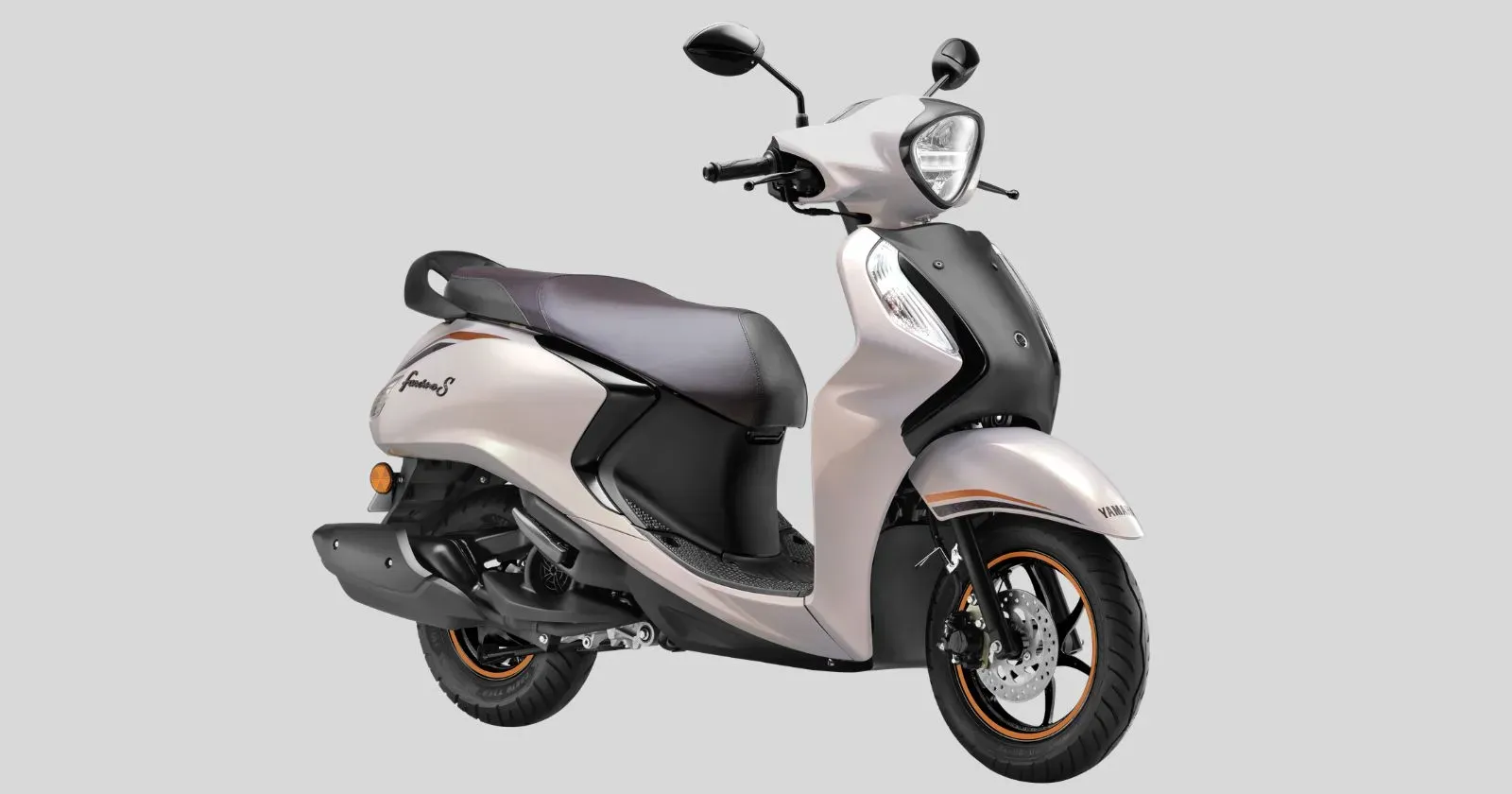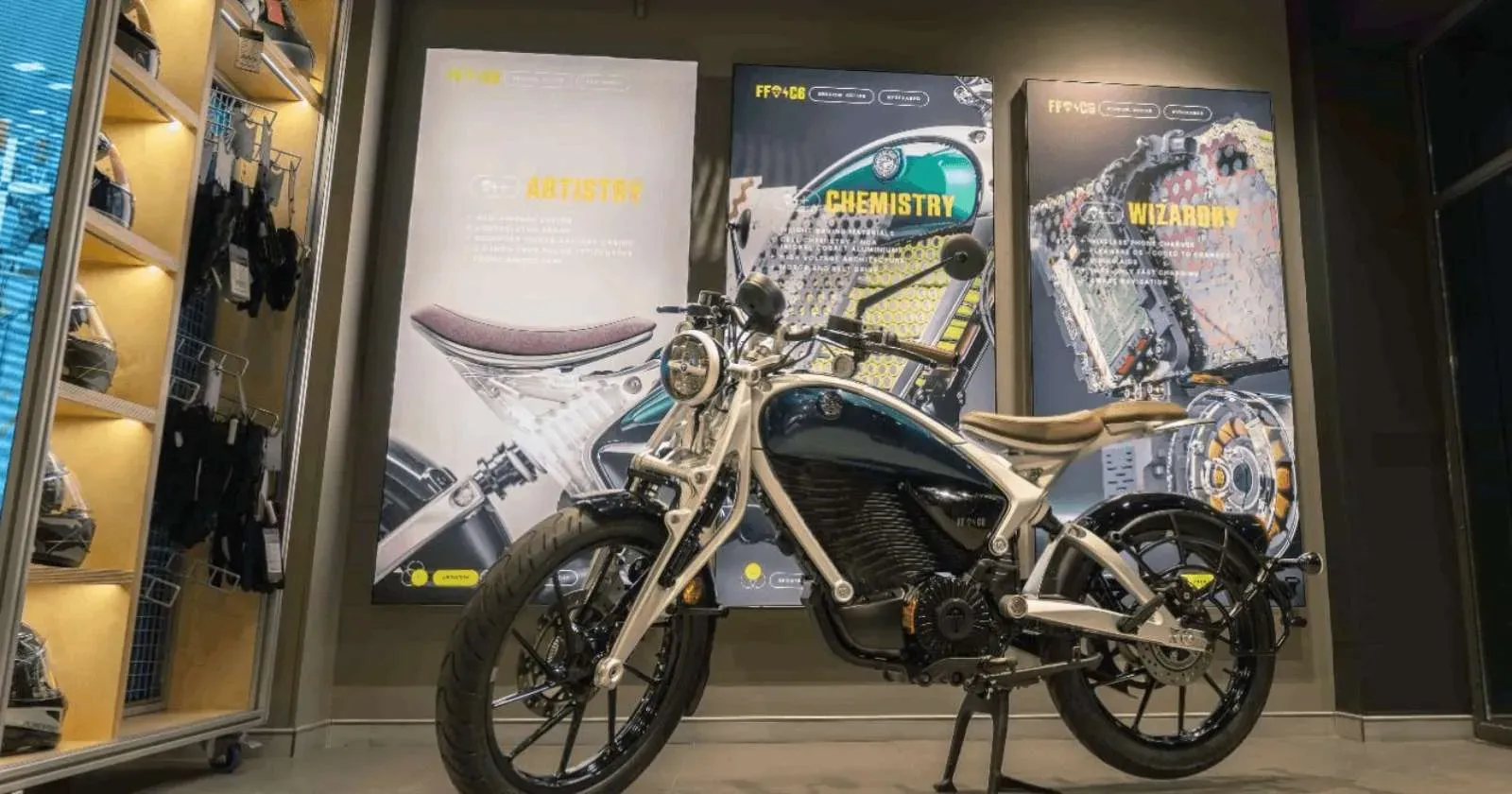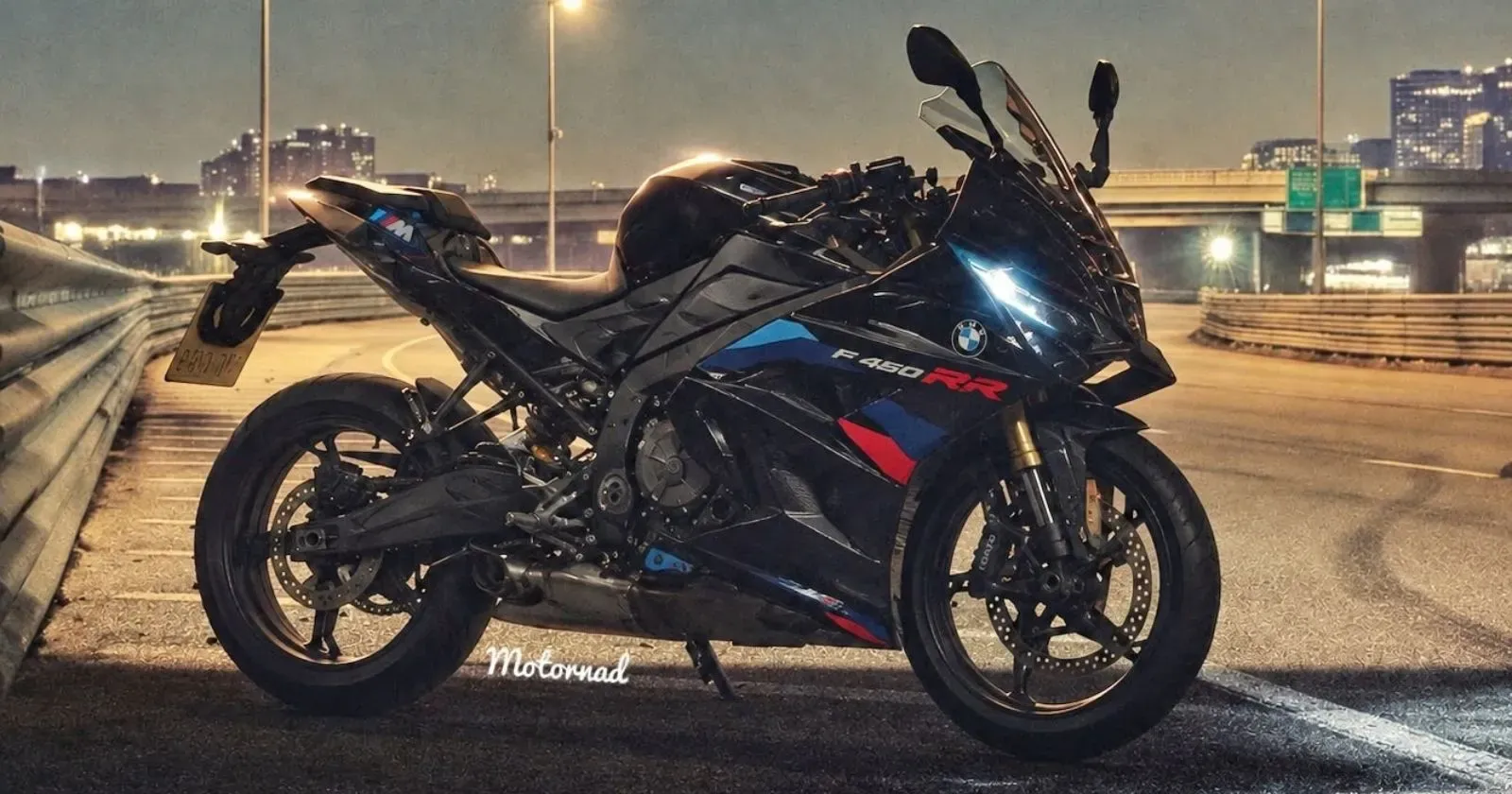


According to the draft policy, no new CNG auto-rickshaws will be registered after August 15, 2025.
In a significant policy shift aimed at tackling air pollution, the Delhi government is preparing to implement its new Electric Vehicle (EV) Policy 2.0, which will result in the gradual phase-out of green-and-yellow CNG auto rickshaws—one of the city’s most visible and widely used modes of transport. According to the draft policy, no new CNG auto-rickshaws will be registered after August 15, 2025, and all fresh permits or renewals will be issued solely for electric autos.
Also Read: New Delhi EV Policy 2.0 Aims For 95 Per Cent EV Adoption By 2027
The draft policy, which is expected to be notified soon, marks a substantial step toward Delhi’s ambition of transforming public and private transportation into a cleaner, electric-first system. The move follows the Delhi High Court’s 2011 order that capped the number of autos in the city at one lakh. All of these currently run on CNG, a fuel long promoted as a cleaner alternative to petrol and diesel.
However, the government now intends to take a more aggressive approach to reduce emissions. As part of the proposed plan, CNG autos older than 10 years will either need to be scrapped or retrofitted with an electric powertrain. The goal is to gradually eliminate all fossil fuel-powered autos from Delhi roads.
Also Read: Delhi Government To Extend EV Incentives, No Subsidy For 4-Wheelers Though
The draft policy also has wider implications beyond autos. It proposes that all petrol, diesel, and CNG-powered garbage collection vehicles be phased out by the end of 2027, with electric replacements mandated across municipal operations. In a particularly bold move, it further suggests that the registration of new petrol, diesel, or CNG-powered two-wheelers be discontinued after August 2026, though officials have indicated this part of the draft may be revised in the final version.
Private car owners are not exempt from scrutiny either. The policy includes a proposal that individuals owning two or more cars will only be permitted to buy electric vehicles going forward. The clause aims to discourage private vehicle ownership that contributes to congestion and pollution while encouraging the adoption of zero-emission alternatives.
Also Read: Delhi Government To Soon Relaunch EV Policy: Report
While the draft EV 2.0 policy has not yet been formally notified, reports say the Delhi government indicate that it is in the final stages of review. Modifications, particularly related to the two-wheeler segment, are under consideration following discussions with stakeholders.