

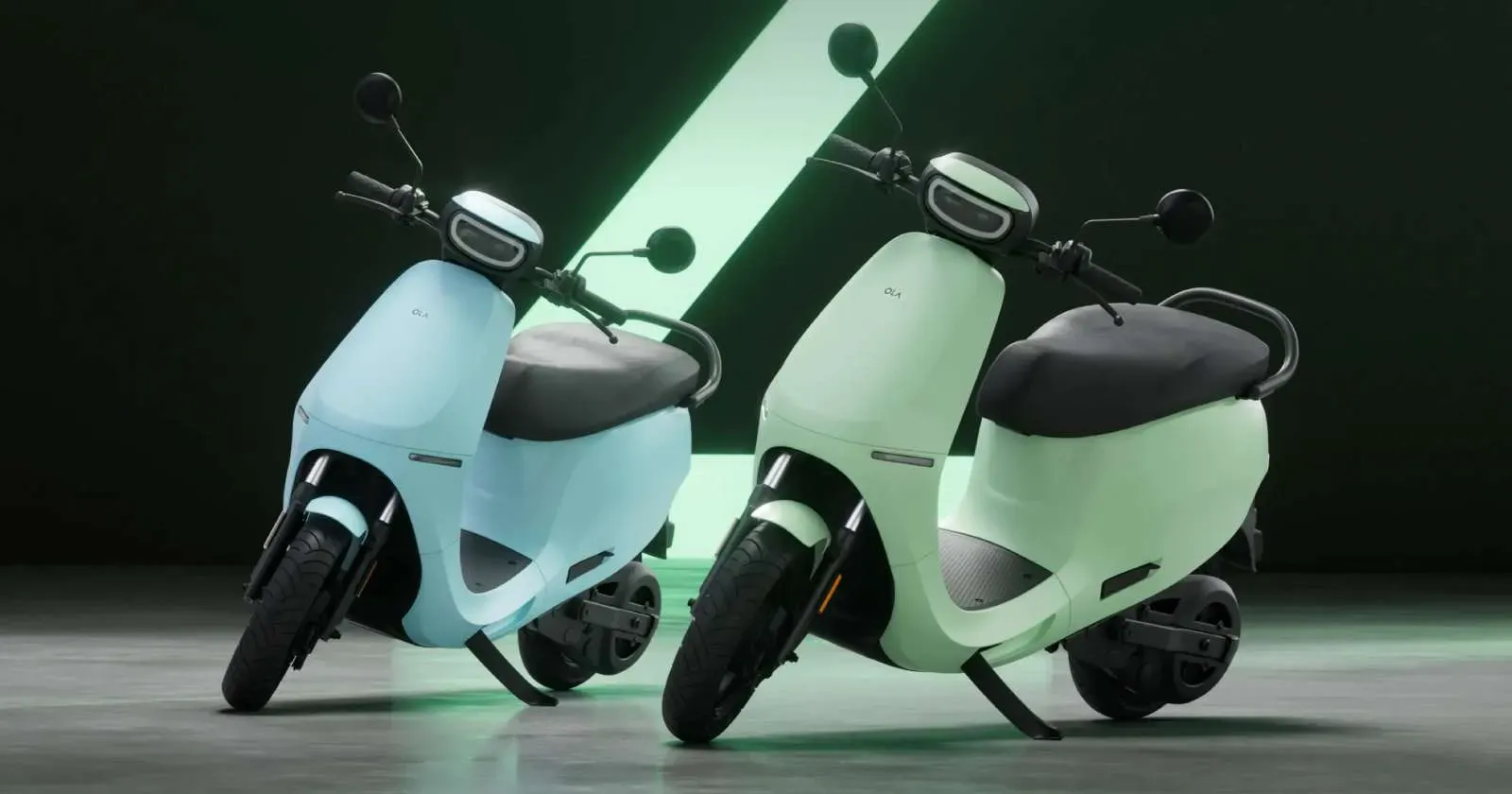
Ola Electric announced its Q2 FY27 financial results on Thursday. In a letter to shareholders, founder and CEO Bhavish Aggarwal said the company is currently selling every vehicle it can produce. Its constraint is its ability to manufacture enough bikes to meet demand, but that it is rapidly boosting its supply chain in order to do so, he added. Production has already ramped up from 9,235 units in August to 14,092 units in October, and is expected to hit 25,000 units by December.
Moreover, the company stopped accepting new orders through its own network of direct-to-consumer stores, instead relying on its new network of third-party dealerships. Most company-owned stores will close by the end of 2026. Aggarwal said the company’s operating expenses have reduced to ₹369 crore, down from ₹390 crore in Q1, and this shift will help reduce that even further by eliminating some working capital requirements over the rest of this financial year.
As of November 8, the company’s network of 255 dealers were operating 319 stores across India. Aggarwal announced the move in August this year, with the first dealerships going live in early September. The company plans to have 700 locations operating by the end of this financial year.
The company’s net loss reduced to ₹362 crore in Q2, down from ₹418 crore in Q2 FY26. However, revenue was also down YoY to ₹421 crore from ₹690 crore. EBITDA losses grew to ₹218 crore compared to ₹203 crore in the same period last year.
Ola Electric shares are trading at ₹33–36 on Thursday and Friday, with no major movement as a direct result of the announcements. This is down from an all-time high of ₹130, shortly after the company’s late-2024 IPO. The company has endured significant drops in sales in recent months, with years of customer complaints and regulatory action taking a toll even as newer competitors race ahead.
Total borrowings for the company stood at ₹1,819 crore at the end of September. The Auto division reported negative ₹134 crore free cash flow. Capital expenditures were high due to capital expenditure required for the company’s new Gigafactory manufacturing facility, which is now operational. Revenue for the Auto division came in at ₹420 crore while the Cell division reported ₹3 crore.
Ola Electric achieved its scheduled commercial operation date for 6GWh of cell capacity and is now focused on scaling capacity. NMC cell yields are at around 70 percent while LFP cell yields are approaching that figure, with both set to improve over the coming months. The company’s own vehicles will account for 2-3 GWh of cell capacity by FY28, with 70 percent of that being LFP with 30 percent NMC.
Improved yields should also help the company achieve savings compared to buying cells from outside sources. Aggarwal also stated that the Government of India has extended Ola’s PLI benefits to 2031, and benefits are expected to take effect next quarter. He also expects the company to benefit from new government rules mandating a minimum of 40 percent domestic content in grid-scale energy storage systems.