

The study has produced one of the largest ever real-world datasets about driver behaviour for commercial fleets in India.
Ahmedabad-based commercial ADAS and intelligence firm DrivebuddyAI has published the results of a year-long study of its ADAS and driver monitoring systems, installed in a client’s fleet of commercial vehicles. Data was collected from 633 trucks staffed by over 350 drivers, covering over 60 lakh kilometres across India’s roads and highways between April 2025 and March 2026.
The data paints a picture of how AI-powered systems can be used to impart personalised feedback and training to drivers, ultimately lowering any tendency towards risky behaviour. According to the company, this technology can also be used to encourage more efficient driving schedules and patterns that improve drivers’ overall wellbeing.
According to DrivebuddyAI, the study has produced one of the largest ever real-world datasets about driver behaviour for commercial fleets in India. ACKO Drive spoke with DrivebuddyAI CEO and founder Nisarg Pandya to get more details and understand the outcomes of the study better.
Study Methodology, and How AI Can be Used by Fleet Operators
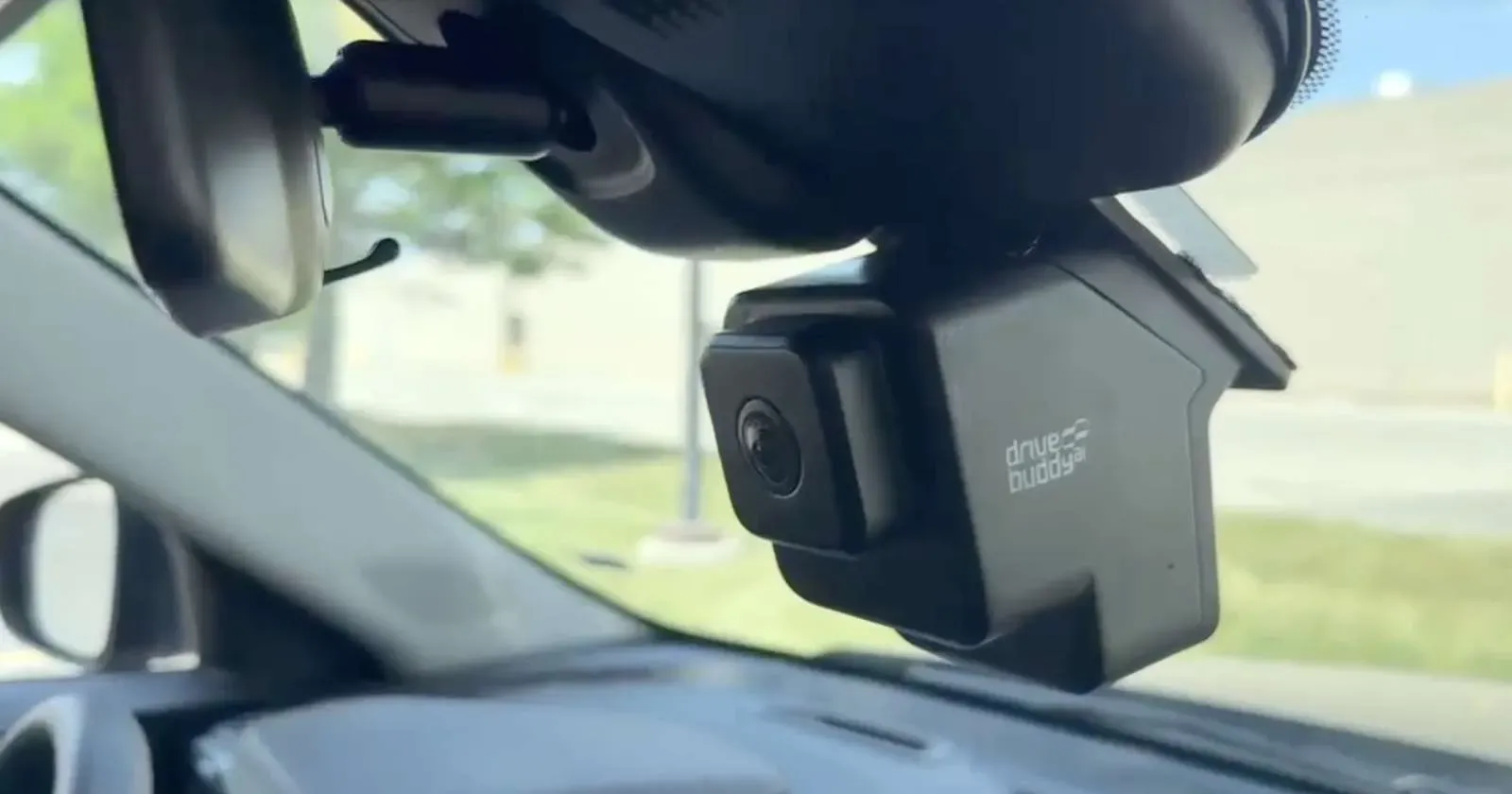
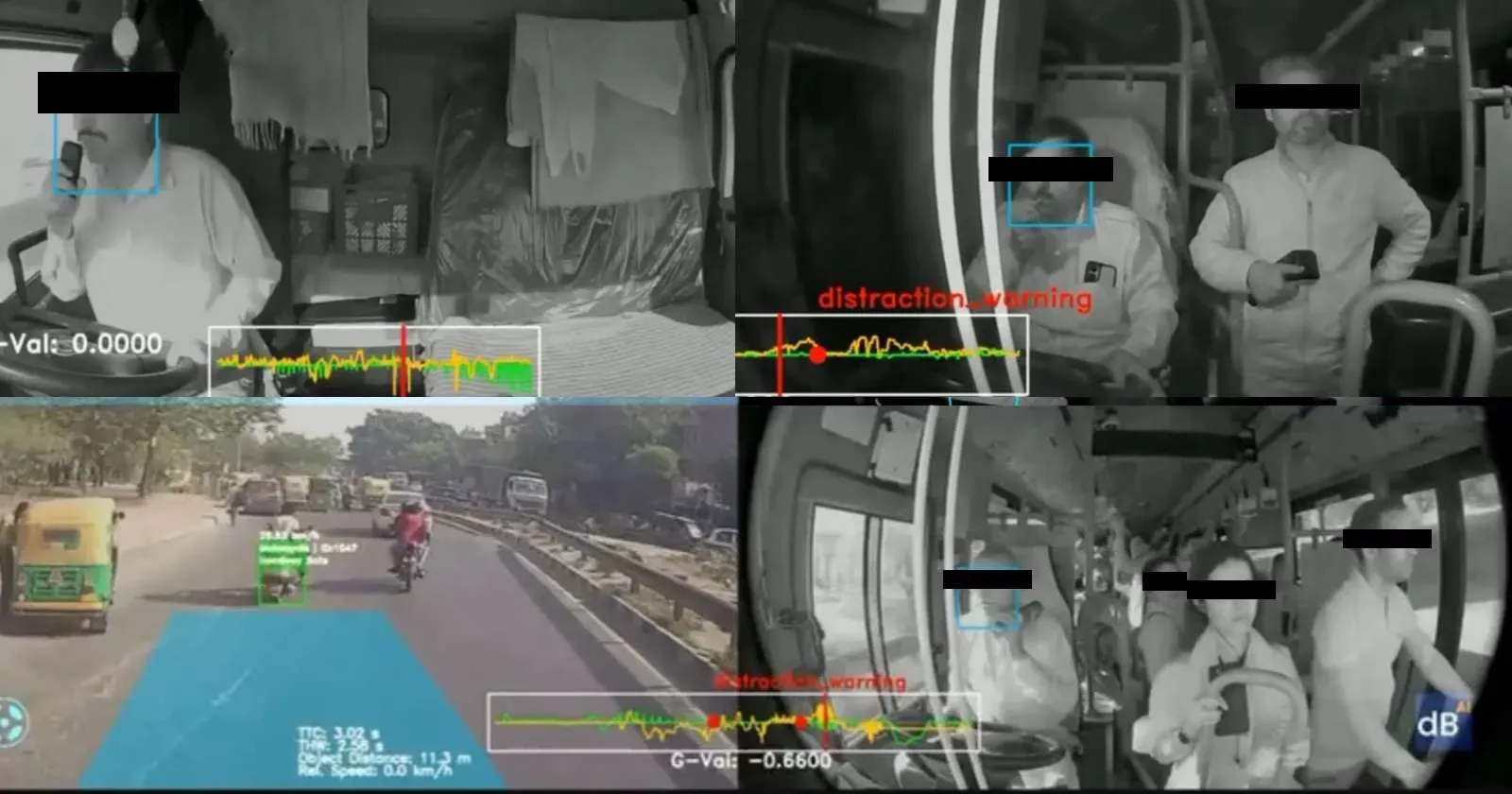
ACKO Drive asked how exactly AI was applied in the study, as opposed to commonplace safety interventions such as seatbelt alerts. Pandya told us “A standard seatbelt reminder is rule-based — it checks whether the buckle is engaged and sounds a fixed alert regardless of context. Our AI-triggered reminders work differently: detection runs on-device through a dual-camera system combined with IMU data, continuously reading the driver’s actual state — blink rate, eyelid closure, gaze direction, head-pose drift, posture — in real time. This lets the system identify not just seatbelt status but broader risk patterns like phone use, distraction, and drowsiness as they develop, all processed locally in under a second.”
As for how training and regulations are enforced, he said “Enforcement is graduated rather than a single fixed buzzer — L1 for early signs, L2 as risk intensifies, L3 for the most severe cases — so a minor lapse and a serious one aren’t treated the same. The system also tracks how many alerts it takes a specific driver to actually correct behaviour, which becomes a data point itself: a driver who ignores repeated alerts is flagged for the fleet manager, while one who corrects quickly isn’t treated the same way. In practice, this graduated, personalised approach drives measurable behaviour change — in one fleet study, we recorded a 4X increase in the number of drivers who stopped using their phone immediately after the very first alert, compared to before AI-triggered intervention was introduced.”
Coaching vs Penalising: What Exactly is Detected, and How Driver Behaviour Changes
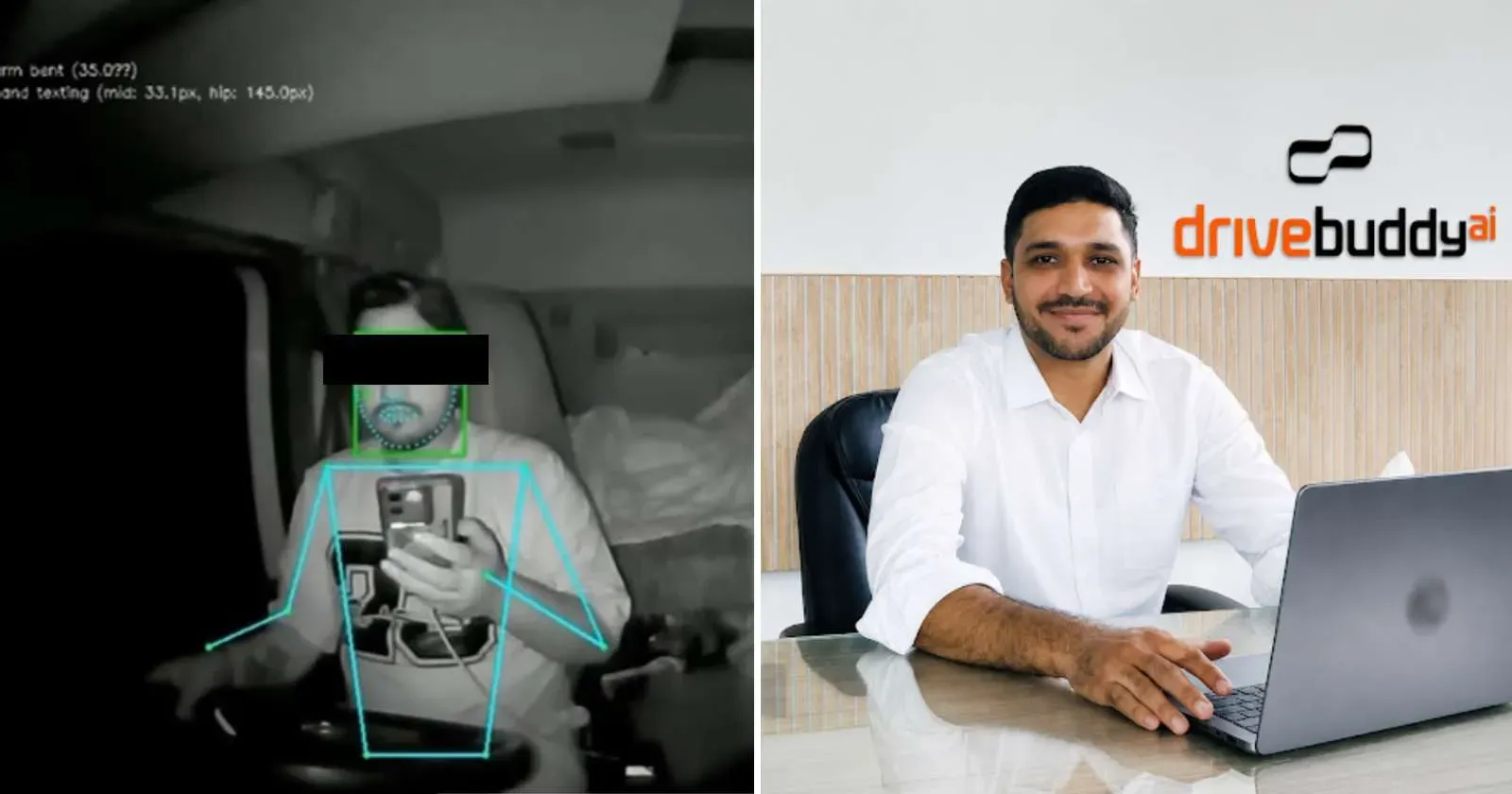
According to Pandya, “Real-time coaching starts with detecting unsafe behaviour as it happens — drowsiness, distraction including mobile phone use, seatbelt non-compliance, smoking, and similar risks. When something is flagged, the system delivers an immediate voice-based in-cabin alert: a driver on the phone gets a prompt to keep both hands on the wheel, while early fatigue signs trigger a suggestion to take a break before drowsiness becomes critical.”
“The model is designed to be supportive first — drivers can voluntarily correct behaviour in response to the alert, and this shows up as improving reaction rates over time. If risky behaviour persists or escalates, the event moves up the alert tiers and is simultaneously flagged to the fleet manager’s dashboard, enabling a timely intervention such as contacting the driver, recommending a rest stop, or adjusting the schedule. It’s this combination of in-cab coaching and fleet-level visibility that drives proactive, ongoing behavioural improvement rather than after-the-fact enforcement.”
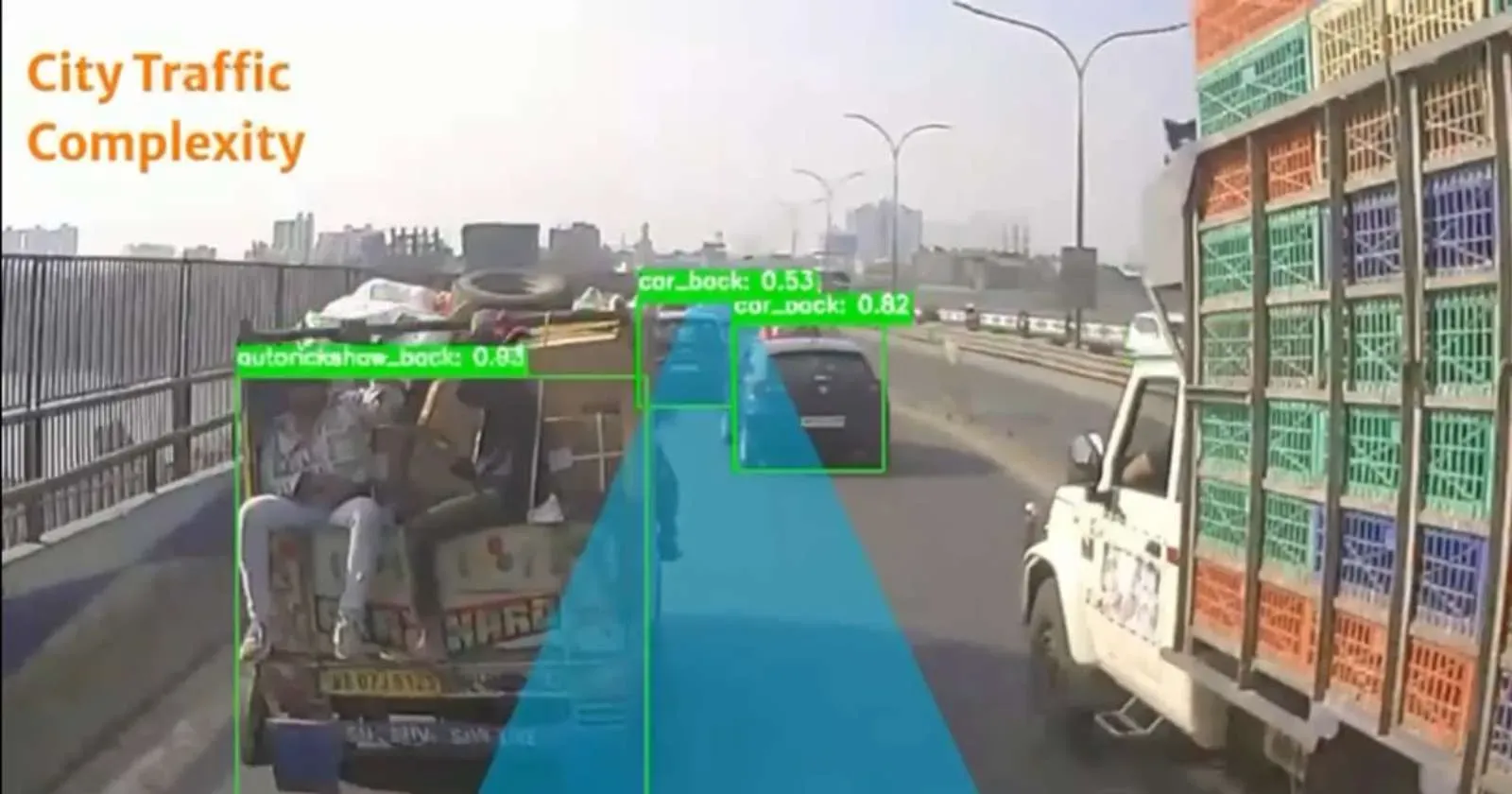
Classifying and Responding to Real-World Risk Factors
Most importantly, the company claims that its technology along with driver coaching led to measurable improvements in road safety and driver discipline, thanks to the ability to identify and address situations leading to fatigue and distraction. High risk behaviour was completely eliminated in the set of drivers surveyed by the fourth quarter of the 12-month study period.
Pandya clarified how the company classifies events and driver behaviour in terms of danger levels. “Risk classification rests on two inputs: the severity of a detected event and how the driver responds to the real-time alert,” he said”. “Our system uses a graduated structure — L1 for early fatigue signs like tiredness and yawning, L2 for ‘feeling sleepy’, and L3 for the most severe tier, actual dozing off. A driver who self-corrects at L1 or L2 scores very differently from one who escalates to L3 with no response. We evaluate this over a 30-day rolling window rather than any single event, so a genuine risk pattern isn’t confused with a one-off anomaly.”
Next, we asked if the study had identified any particularly hazardous routes or trends. Pandya said “In hazardous areas specifically, our Journey Risk Management module applies contextual intelligence to alert severity — drowsiness at night is treated far more seriously than the same event in daytime, where the driver is more likely to be fresh and less tired.”
He added some surprising insight: “We’ve also observed that as India’s highways improve, fatigue becomes a subtler risk: smoother, uninterrupted stretches often let alertness decline gradually and go unnoticed. This is exactly where AI adds value — catching early behavioural indicators before fatigue becomes a serious safety event.”
High-risk drivers made up 33 percent of the sample at the outset, and the company says its real-time reinforcement methods based on continuous monitoring with AI-powered tools, reduced that to zero. Along with that, low-risk behaviour increased from 16 percent to 65 percent, indicating an overall improvement in drivers’ awareness of unsafe behaviour and willingness to address it.
Pandya added more information here: “Based on alert severity, how often a driver escalates between levels, and how consistently they correct their behaviour, drivers are grouped into high-risk, moderate-risk, and low-risk zones. Repeated L3 escalation or ignored alerts puts a driver on the high-risk, ‘actionable vehicles’ list for the fleet manager. Early, consistent correction with rare L1 progression is low-risk — and this isn’t a fixed label, since a driver’s zone can shift from one 30-day cycle to the next. This framework is what powers our CARDs Score — Cognitive Assessment of Risk for Drivers — our patented driver-behaviour assessment algorithm. In deployments where it’s been applied consistently, the number of drivers operating in the high-risk drowsiness zone has fallen by as much as 93 percent, with a 4X increase in the number of drivers progressing from the high-risk to the low-risk zone over time; concrete evidence that the classification drives real behavioural change rather than just producing a score.”
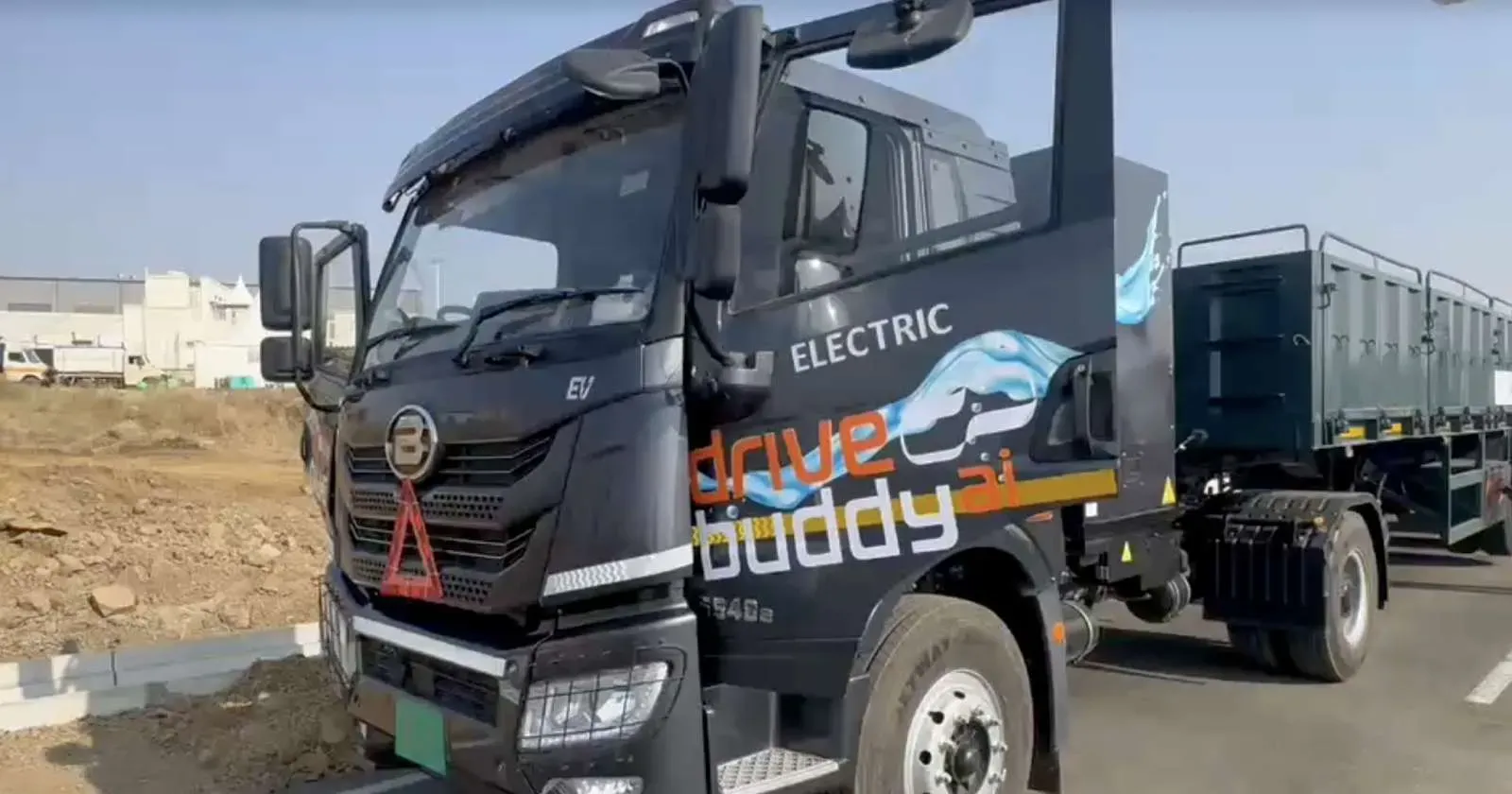
Applying Data and Insights Beyond the Study
ACKO Drive asked whether this data has been used by the fleet operator to support drivers at risk of fatigue and relieve the causes of their stress, such as demands for rapid turnaround time. According to Pandya, “Routes or time windows with a higher frequency of fatigue events have been reviewed to build in planned rest breaks or adjusted schedules, and recurring risk hotspots now inform route planning. The shift, overall, has been from reacting after an incident to proactively reducing risk and improving driver wellbeing.”
He also added, “Support was targeted rather than blanket. Routes and time windows that repeatedly showed a higher frequency of fatigue alerts were reviewed and, where feasible, adjusted to build in planned rest breaks or shift the departure time, so drivers weren’t pushed through fatigue-prone stretches without a pause. Drivers who showed a pattern of escalating from L1 to L2/L3 were prioritised for direct coaching conversations rather than penalised outright, with the aim of correcting behaviour before it became a safety risk.”
Clarifying how personalised interventions work, he said “Rather than uniformly extending journey timelines across the fleet, schedule flexibility and rest-break allowances were applied selectively — to the specific drivers and routes that the 30-day risk view flagged as genuinely at risk — while low-risk drivers continued on standard schedules.”
With such interventions, the proportion of drivers who triggered fatigue intervention alerts reduced from 68 percent to 53 percent. Early-stage drowsiness alerts also went down from 47 percent to 21.7 percent, and critical alerts reduced from 13 percent to 3.6 percent. The company says yawning reduced by 97 percent and there were 71 percent fewer overall drowsiness events at the end of the study period.
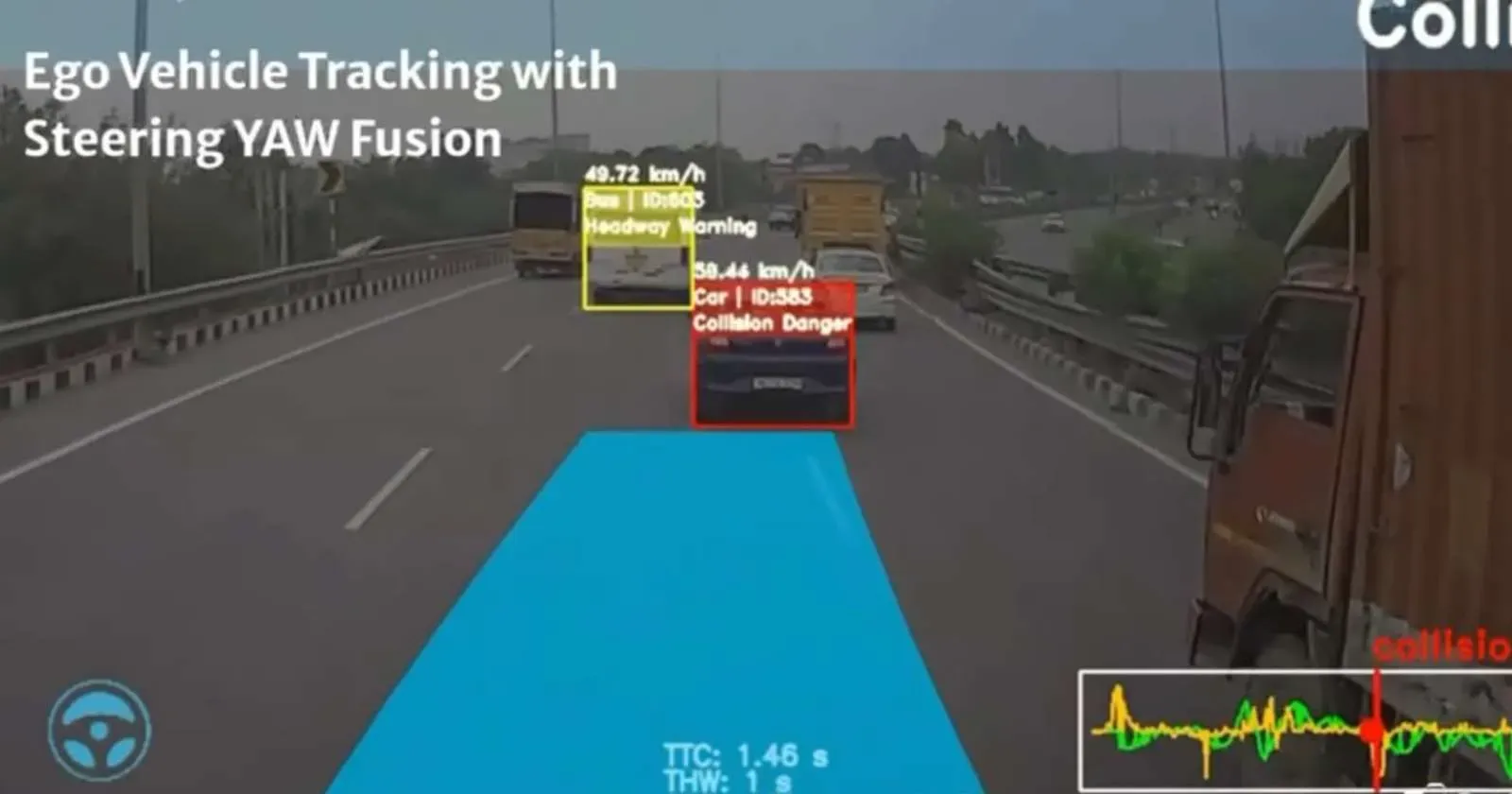
Regulation Enforcement vs Privacy and Indian “Jugaad”
While real-time alerts helped drivers identify the risk of fatigue before it overcame them, it also led to improvements in overall discipline, such as reducing mobile phone usage while driving, and improving seatbelt compliance. Interestingly, the number of alerts and reminders needed to achieve compliance, with drivers increasingly correcting their behaviour after just one intervention.
According to Pandya, the study suggests that AI-powered ADAS can bring about sustained behavioural change, reduce fatigue-related risks, improve compliance with regulations, and boost fleetwide safety.
However, what about driver privacy and the invasiveness of being tracked? Do drivers have a sense of what their individual performance metrics are being used for? “The data has primarily been used to strengthen fleet safety and sharpen operational decision-making, not just to track performance,” Pandya said.
“Receptiveness improved steadily through the study, and the fatigue data bears this out at every level, not just in the most extreme cases: instances of frequent yawning (KSS level 6) fell by 97 percent, drivers reporting feeling sleepy (KSS levels 7-8) dropped by 50 percent, and severe drowsiness (KSS level 9) fell by 80 percent. That’s a genuine, sustained shift in driver behaviour rather than a one-time reaction, and it points to real adaptation rather than drivers simply tuning the alerts out.”
But was there resistance from drivers, or any attempts to circumvent the system? He added: “There was some initial hesitation, but it eased as drivers experienced the system firsthand and understood it was meant to support them, not penalise them — we didn’t see meaningful attempts to disable or tamper with the on-device hardware; where resistance showed up, it was in the form of slower responses to alerts rather than efforts to defeat the technology. Fleet operators have leaned into this by using the insights for coaching rather than punitive action, which has helped sustain cooperation and behavioural improvement over time.”