The Government of India has officially prohibited the export of lithium-ion battery black mass with immediate effect, starting November 11, 2026. Issued via an official notification by the Directorate General of Foreign Trade (DGFT), the policy revision amends the export classification of the material under ITC (HS) Code 85491400 from 'Free' to 'Prohibited' until further orders. The restriction specifically covers unsorted waste and scrap of primary cells, primary batteries, and electric accumulators, as well as spent cells and batteries that do not contain lead, cadmium, or mercury.
The export ban is strategically designed to bolster India's domestic battery recycling ecosystem and accelerate the internal recovery of critical raw materials. By retaining battery scrap within national borders, policymakers aim to lower India's heavy reliance on imported minerals while supporting the ongoing expansion of domestic advanced chemistry cell (ACC) manufacturing capacity.
Also read: Hyundai, Samsung Deepen Partnership With “One Team” Strategy for Automotive and Robotics
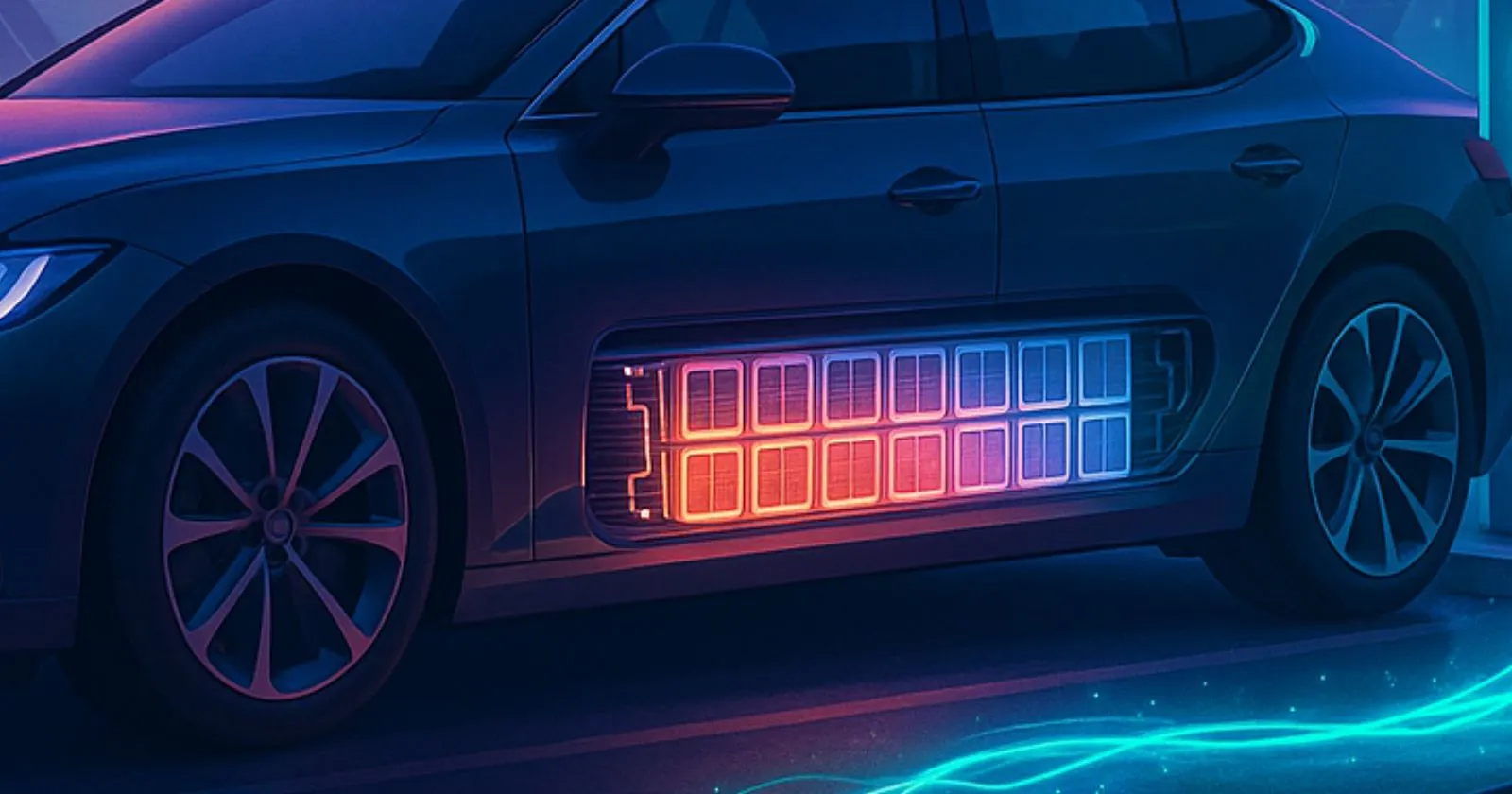
Black mass is a dark, powdery substance produced by shredding end-of-life lithium-ion batteries alongside scrap generated during battery cell manufacturing. This processed material contains high concentrations of recoverable critical minerals, notably lithium, cobalt, nickel, and manganese. Because India currently depends on overseas suppliers for these essential input commodities, securing domestic black mass reserves is vital for sustaining electric mobility, grid energy storage, and clean technology manufacturing.
Industry observers note that the success of the export prohibition will rely heavily on strict enforcement and due diligence by Customs authorities at Indian ports. Vigilant inspection protocols will be necessary to ensure that exporters do not bypass the ban by misclassifying lithium-ion battery black mass as generic industrial products under alternative tariff codes.