Lamborghini Hits the Brakes on Full EVs: CEO Cites Roaring Demand for ICE Supercars

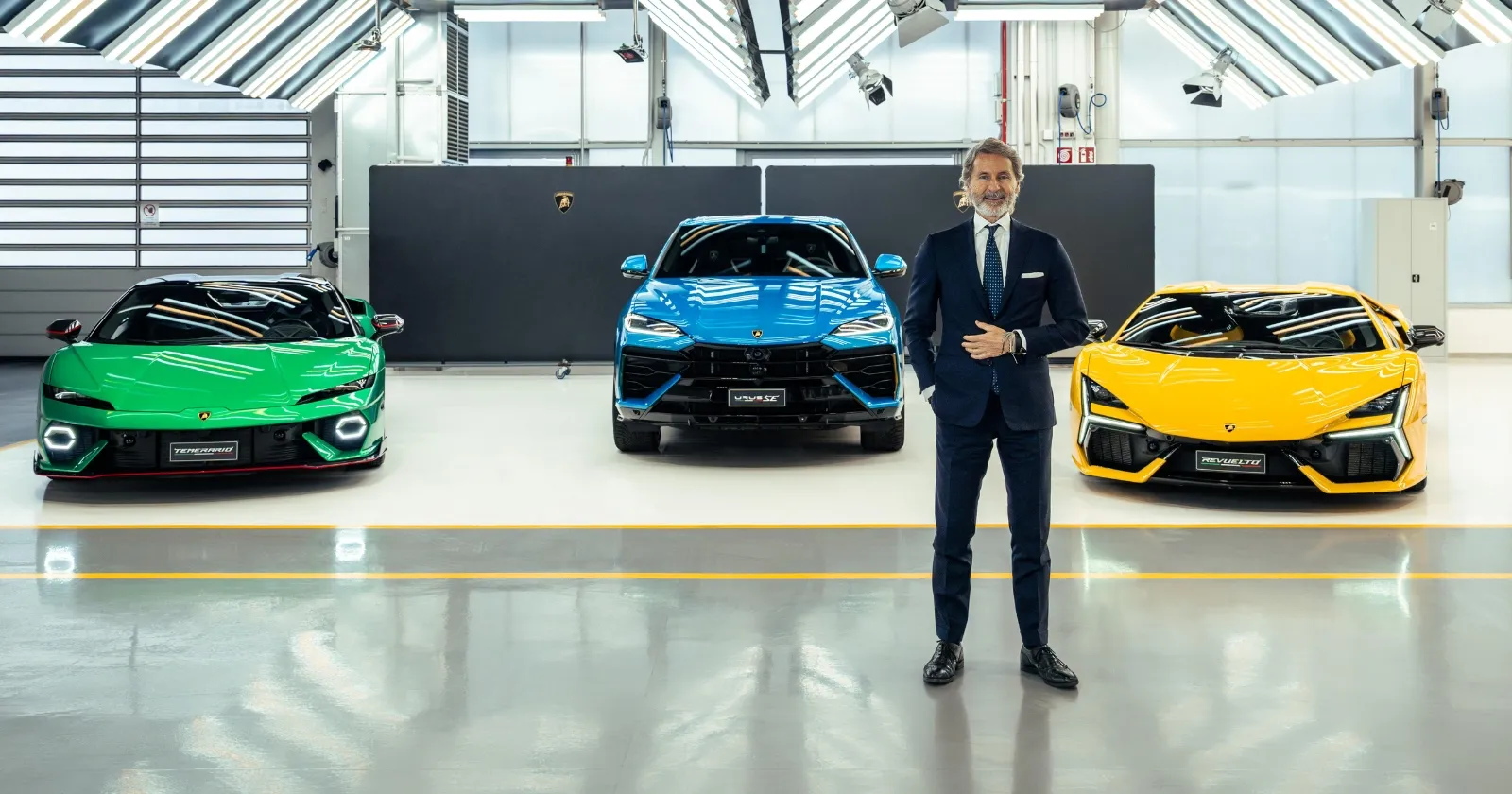
Lamborghini CEO Stephan Winkelmann with the brand's current line-up.

Stephan_Winkelmann_8bd583d297.webp

Lamborghini CEO Stephan Winkelmann with the brand's current line-up.

Lamborghini's CEO, Stephan Winkelmann, has clearly signalled a pause in the company's fully electric supercar development, citing customer demand for internal combustion engine (ICE) vehicles as the main reason. Despite significant progress in hybrid technology, a substantial portion of Lamborghini's clientele still prefers the emotion and sound of V8s and V12s over pure electric alternatives. 
CEO Statements on EV Pause

Winkelmann emphasised that while Lamborghini has the technical capability to build "a very powerful, very fast fully electric car," the brand's core mission is fulfilling customer dreams. He stated: “The customers want internal combustion engines. For us, for the time being, electrification is postponed. It's not about what we are able to do, it's about fulfilling the dreams of customers”. He further noted that the acceptance of electric vehicles has flattened, especially for supercars, leading Lamborghini to delay or cancel immediate plans for electric models like the Urus SUV. 

Market Evidence & Customer Preference

Lamborghini's recent unveiling of the Fenomeno—a limited-edition, naturally aspirated V12 supercar entirely sold out at $3.5 million per unit—demonstrates that demand for ICE remains robust among collectors and enthusiasts. Hybrid models like the Urus SE and Revuelto are fully booked until 2026, reinforcing that there is enthusiasm for electrified, but not fully electric, supercars. The brand’s tech boss, Rouven Mohr, also highlighted the role of synthetic fuel as a potential "saviour" for ICE engines, reflecting a technical and emotional resistance to abandoning combustion engines entirely. 

Hybrid and Electric Vehicle Strategy

Although Lamborghini has postponed its first full EV to 2029 due to insufficient market readiness, the company is aggressively pursuing hybridisation as an interim solution. The brand’s Direzione Cor Tauri roadmap aims for complete hybridisation of the line-up, balancing emissions goals and performance.

Notable recent launches include: 

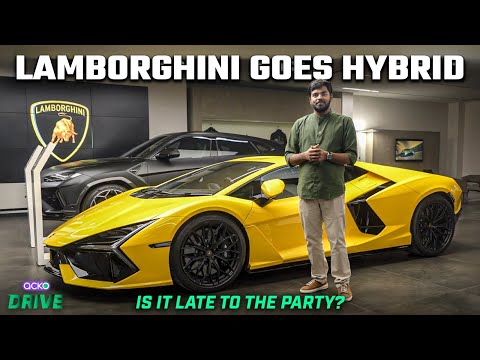
  • Lamborghini Revuelto: A V12 hybrid supercar boasting a 30% reduction in CO₂ emissions compared to the Aventador.
  • Lamborghini Urus SE: A hybrid SUV offering 80% lower CO₂ emissions than the Urus Performante. 
  • Lamborghini Temerario: The latest V8 hybrid supercar with three electric motors, delivering up to 907 hp and advanced driving modes, tailored for track enthusiasts and daily usability alike. 

Recent Launches: Evidence of Intent

Lamborghini’s latest models, the hybrid Revuelto and Temerario, and the limited-edition ICE Fenomeno, provide a clear snapshot of the brand’s multi-pronged strategy: leaning heavily into hybrid powertrains while retaining ICE emotion, and shelving pure EVs for another half-decade at least. The first full EV is now scheduled for release no earlier than 2029, and will likely be a grand tourer-style vehicle rather than a hardcore supercar, reflecting ongoing scepticism about the market’s readiness. 

Perspective

Lamborghini’s decision to pause pure electric supercar development is both a response to customer preference and a reflection of practical market dynamics. By prioritizing hybrid models and exploring synthetic fuels, Lamborghini ensures that passion for high-revving engines can coexist with stricter emissions standards, at least in the near term—while keeping the door open for a more gradual shift towards electrification as market tastes evolve.