

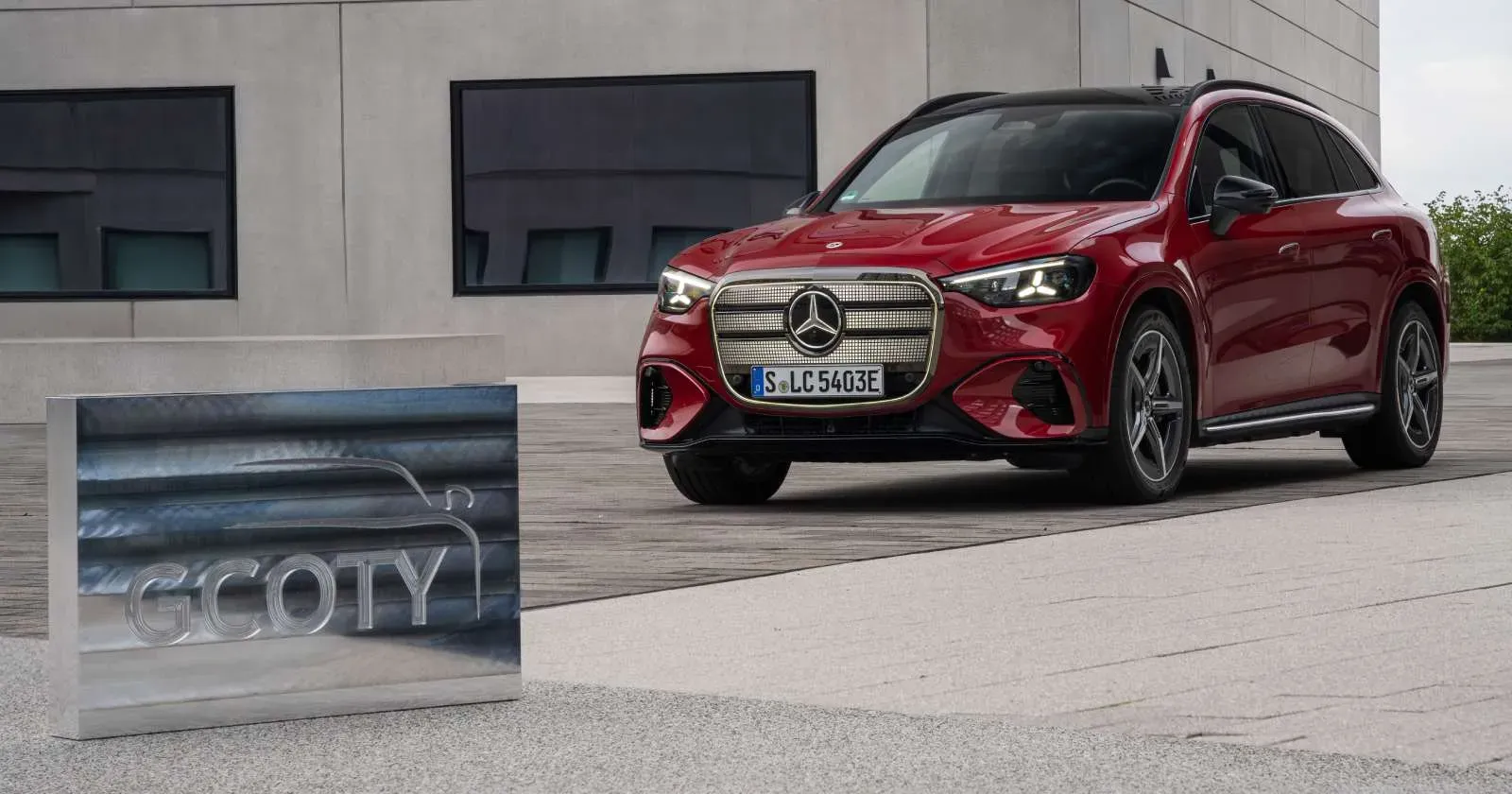
Mercedes-Benz is suspending all investments in its manufacturing plants in Germany and exploring the possibility of shutting down some facilities as it seeks to address the high cost of vehicle production in the country, according to a memo sent to employees, Reuters reported.
This adds to mounting pressure on Germany's automotive industry, which is already grappling with a deepening crisis that has prompted Volkswagen to undertake its biggest restructuring exercise. The sector is facing the prospect of tens of thousands of job losses as manufacturers struggle with rising costs and intensifying competition.
Mercedes-Benz has been pushing employees to identify opportunities to reduce costs. In September, the company's production chief Schiebe had warned workers that two plants in Germany could face closure if sufficient progress was not made on cost-cutting measures.
The latest communication from management indicates that the company is now examining factory closures more closely.
"We all want to avoid plant closures at all costs. Unfortunately, however, we must now explore this option in more detail," management board member Britta Seeger said in the memo, the report added.
Automotive sector analyst Ferdi Dudenhoeffer said the development was not unexpected, given the severity of the challenges confronting the industry.
Mercedes-Benz In Talks With IG Metall Union
The potential closures come as Mercedes-Benz continues negotiations with IG Metall, Germany's largest industrial trade union.
Volkswagen is also preparing for negotiations with the union, scheduled to begin on November 24. The discussions come amid growing tensions over the automaker's restructuring plans, which could result in up to 100,000 job losses and the closure of as many as four plants in Germany. Strikes are looming around the turn of the year.
Germany's Auto Sector Faces Mounting Job Losses
The challenges facing German automakers extend beyond individual restructuring plans. Consultancy Roland Berger has warned that the country could lose at least 200,000 automotive jobs by 2030, as China ceases to be a major source of profits for manufacturers amid intensifying competition.
Chinese automakers are also gaining market share in Europe, adding to the competitive pressure on established manufacturers. The developments have prompted industry executives to call on the European Commission to introduce protective measures against growing competition.
Meanwhile, Stellantis CEO on Thursday warned of rising costs over at least the next year, highlighting the broader financial pressures confronting European automakers.