

After years of speculation and public statements from Elon Musk about licensing Tesla’s Full Self-Driving (FSD) technology to other automakers, it has now become clear that there are no takers for the system.
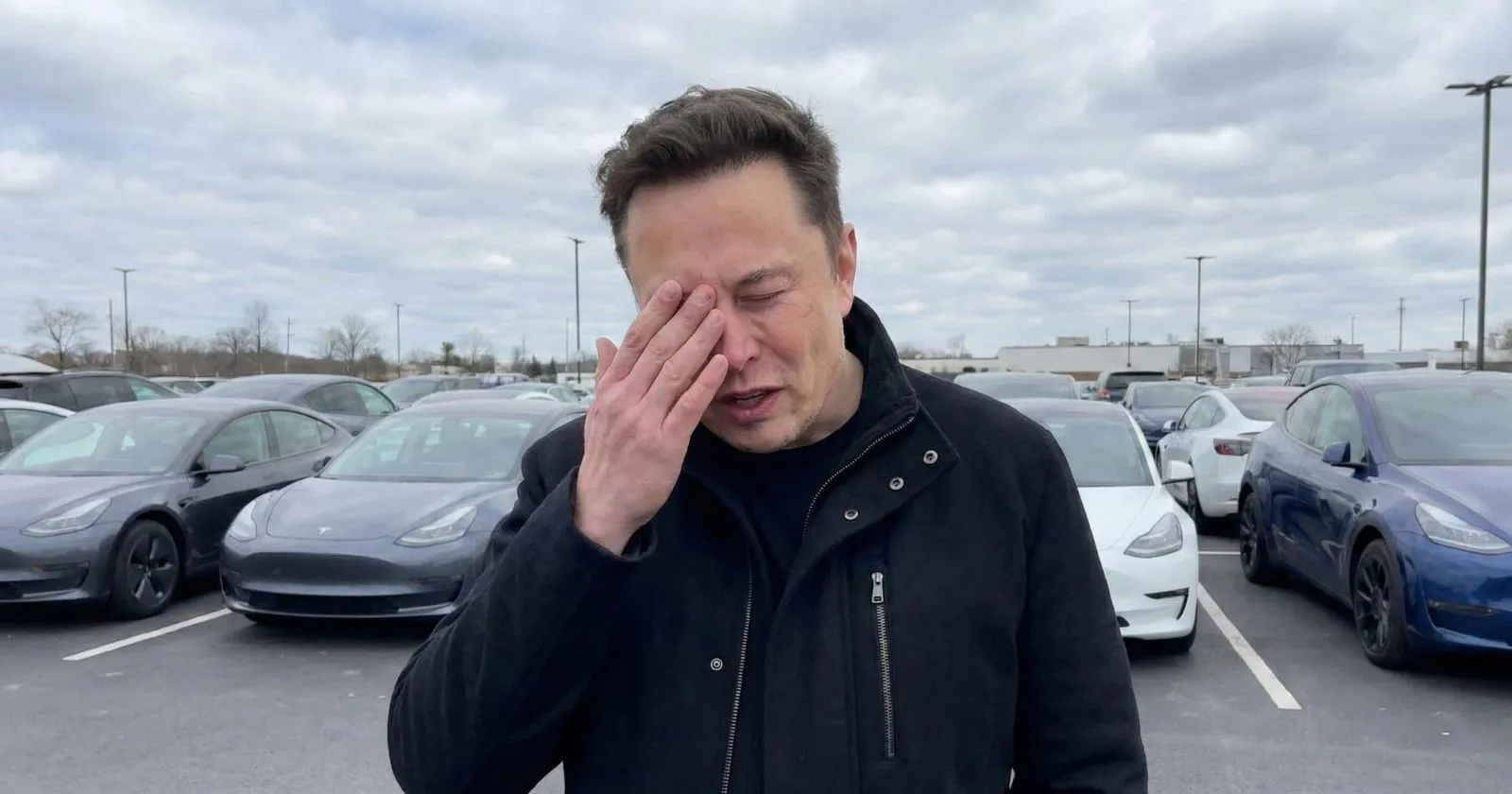
Musk recently admitted on X (formerly Twitter) that despite repeated offers, no major automaker is interested in adopting Tesla’s FSD platform.
The idea that Tesla would become a leader in automotive AI and robotics, licensing its autonomous driving technology to legacy carmakers, has long been a key part of the company’s growth narrative.
Musk had previously claimed that Tesla was in discussions with other manufacturers and even suggested in 2024 that a deal with a major automaker was imminent. However, no such agreement materialised.
Industry reports point to fundamental differences in approach as the main reason for the lack of interest. Traditional automakers, such as Ford and Mercedes-Benz, follow rigorous validation and safety protocols before releasing autonomous systems. For example, Mercedes-Benz’s Drive Pilot, a Level 3 system, comes with the company accepting full legal responsibility when the system is active.
In contrast, Tesla’s FSD has been rolled out as “beta” or “supervised” software, relying on real-world customer feedback for validation. This strategy has led to multiple investigations and lawsuits.
Ford CEO Jim Farley publicly dismissed the idea of using Tesla’s FSD, stating that alternatives like Waymo offer better solutions. Other automakers have also opted to partner with established autonomous technology providers rather than take on the risks associated with Tesla’s system.
Musk has cited “unworkable requirements” from other automakers as a barrier to licensing, but industry observers suggest these requirements are simply standard safety and liability expectations. Automakers are unwilling to accept the legal risks associated with Tesla’s current system, particularly its history of incidents involving stationary objects and emergency vehicles.
As a result, Tesla’s vision of becoming a supplier of autonomous driving technology to the broader industry appears to be on hold, with legacy automakers prioritising proven safety and reliability over rapid deployment.
Also read: Tesla Power Barred from Advertising in Trademark Infringement Battle with Elon Musk's Tesla Inc